
A roof problem has a way of turning a normal night into a stressful one, especially when the drip starts over the hallway at 2 a.m. If you’re stuck on the roof repair or replacement question, the right answer usually comes down to three things: how old the roof is, how far the damage goes, and how much risk you take on by waiting.
Start With the Big Question: Is the Problem Small, or Is the Roof Telling You It’s Done?
A single leak does not automatically mean your whole roof is finished. But repeated leaks, storm wear, and visible aging across large sections usually mean the issue is bigger than one bad spot. The trick is to look at the roof like a system, not a stain on the ceiling.
Why “repair vs. replacement” is really a cost-and-risk decision
This is not just a repair bill versus a replacement bill. It is a short-term savings versus long-term risk decision. Patching an aging roof over and over is usually a money drain, because each small fix buys less time while the chance of interior damage keeps rising.
A cheap repair feels good on paper. Then the next storm blows through, the same area leaks again, insulation gets wet, and now your “small fix” has dragged drywall, paint, and maybe mold cleanup into the picture. That is the false economy a lot of homeowners get stuck in.
Why this decision hits differently in Southwest Florida
Southwest Florida is hard on roofs. Heat bakes materials day after day, humidity hangs around, salt air wears at coastal homes, and hurricane season changes the math fast. Wind-driven rain can get under shingles, around flashing, and into weak spots that looked harmless from the driveway.
Insurance pressure adds another layer. Older roofs and roofs with visible storm wear can create headaches with claims, underwriting, and renewal terms, so waiting too long can narrow your options.
When a Roof Repair Makes Sense
Repairs are the smart move more often than people think. If your roof is still in decent shape overall, a focused repair can solve the problem without pushing you into a major project too soon.
Localized damage on a roof that still has real life left
A repair makes sense when the damage is limited and the rest of the roof is performing well. Missing shingles after one storm, a small flashing issue near a chimney or vent, or one leak tied to one clear opening can often be fixed without replacing the full roof.
That is especially true on newer roofs. If the field of shingles still lies flat, the decking underneath is solid, and the damage is confined to one area, targeted work can buy useful time.
One-time leaks vs. repeat leaks
One leak from one source is very different from a leak that keeps coming back. If water is getting in around a vent boot or damaged flashing, that is often repairable. Flashing is the metal material installed around roof penetrations and edges to steer water away. Underlayment is the protective layer beneath the outer roofing material that adds backup water resistance.
If the same ceiling spot keeps staining after multiple repairs, or leaks show up in different rooms, that points to a broader failure. In that case, the visible drip is probably just the symptom.
Repairs that protect you while you plan
Sometimes a full replacement is the right move, but not the right move this week. A temporary repair can help protect your home while you sort out insurance, budget, or contractor scheduling. That can be reasonable, as long as the repair comes with a clear next step.
If the roof has taken storm damage, start with a proper evaluation instead of guessing from the yard. A damage check after severe weather can help separate cosmetic issues from system-wide problems.
When Roof Replacement Is the Better Call
Replacement starts to make more sense when the roof is failing as a whole, not just in one small area. At that point, fixing one section is like patching one worn-out tire on a car with three others about to go.
Your roof is near the end of its expected lifespan
Age matters, even if it is not the only factor. The average roof being replaced is just over 19 years old. Asphalt shingles, which cover about 80% of homes, usually last about 20 to 30 years depending on quality and conditions. Metal can run 40 to 80 years. Tile can last much longer.
In Florida, sun, storms, and moisture can shorten that timeline. A 22-year-old shingle roof that has already been repaired a few times deserves a much harder look than a 10-year-old roof with one torn section.
Damage is widespread, not isolated
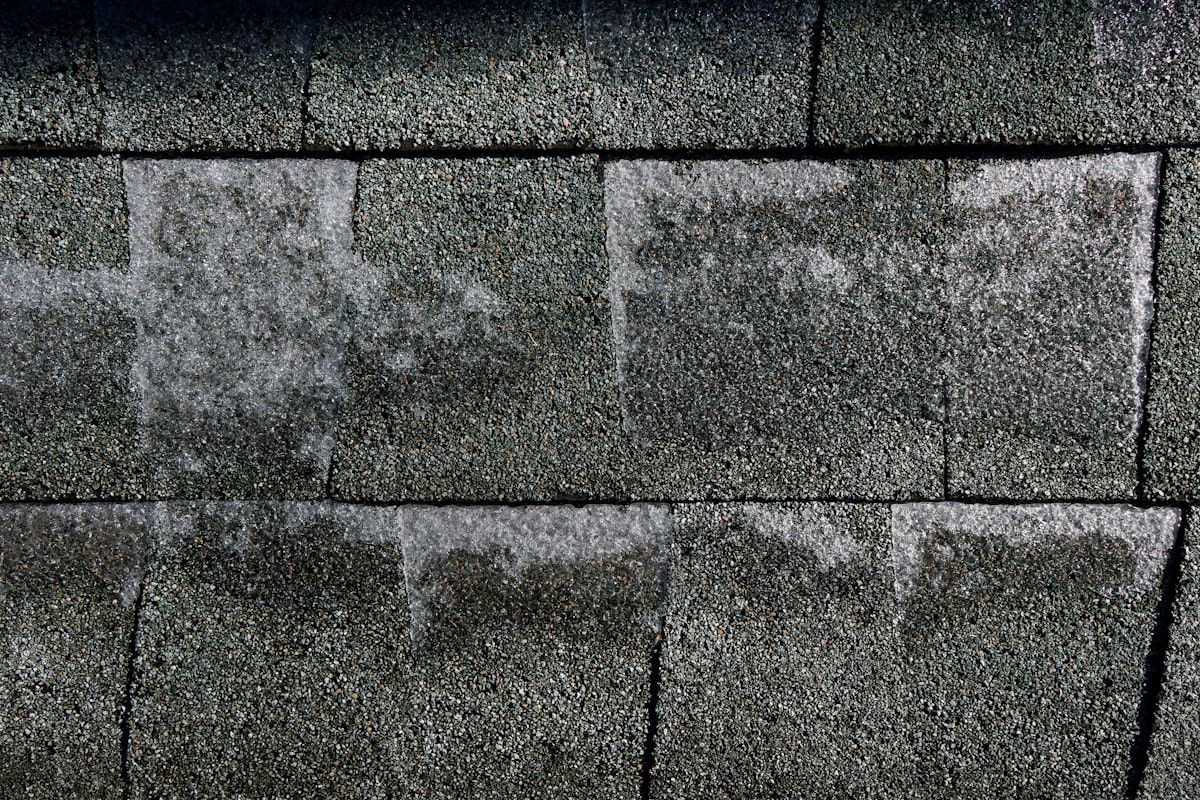
Replacement is usually the better call when problems show up across the roof system. Curling shingles, cracks, bald spots from granule loss, sagging areas, soft decking, multiple leaks, or damage on several slopes all suggest the roof is wearing out, not just suffering from one defect.
Interior clues matter too. Recurring ceiling stains, damp insulation in the attic, or musty smells after rain can point to water getting in at more than one location.
Storm damage changed the whole equation
Storm damage often looks smaller than it is. A few lifted shingles near the edge may be the part you can see, while loosened seals, damaged underlayment, or compromised fasteners are hiding elsewhere. In Southwest Florida, hurricane-force winds and driven rain can turn a “repair one section” idea into a much bigger conversation.
That is one reason Florida stays busy year-round with roofing claims and replacement work. In fact, Florida is a major replacement market because hurricane and hail activity keep demand high.
Repeated repairs are starting to cost more than they save
Here is a simple rule: if repair costs keep stacking up, stop looking at each invoice by itself. Add the total spent over the last few years, then include the risk of interior damage, the hassle of emergency calls, and the chance that insurance starts asking harder questions.
If a major repair is getting close to half the cost of a new roof, replacement usually makes more financial sense. Not because replacement is cheap, but because endless patching rarely stays cheap for long.
The 5 Things to Check Before You Decide
Before you call three contractors and get three wildly different opinions, it helps to have a basic framework. These five checks keep the decision grounded.
Roof age and material
Start with the install date if you know it. If not, closing documents, permit records, or past invoices may help. Asphalt shingle roofs are the most common and generally have the shortest lifespan of the main Florida options. Metal and tile behave differently and often last much longer, though fasteners, flashings, and underlayment can still age out sooner than the surface material.
Extent of damage
Look for the difference between one trouble spot and a pattern. Outside, that can mean missing shingles, loose tiles, exposed nail heads, sagging lines, or wear across multiple sections. Inside, watch for stains, bubbling paint, damp attic insulation, or repeat moisture in the same weather conditions.
If you are unsure how often inspections make sense in this climate, this guide on Florida roof check timing gives a useful baseline.
Leak history and repair history
A roof with one isolated repair on file is not alarming. A roof with a repair history thicker than a takeout menu stack is sending a message. Repeated fixes in the same area usually mean the root problem was never fully solved, or the surrounding materials are failing too.
Insurance, inspection, and resale impact
Roof condition affects more than water intrusion. It can affect claims, premiums, underwriting, and a future sale. Older roofs often draw more attention during insurance reviews and buyer inspections. Homes with failing roofs can run into appraisal issues, financing delays, and price cuts during negotiations.
If you expect an insurance claim to be part of the process, read up on what the inspection side of a claim usually involves before signing anything.
Budget now vs. total cost later
National averages help set expectations, but they are not quotes. Verisk put the average repair cost at $4,699 in 2025, while replacement averages vary widely by source, from around $9,500 to more than $17,000. The spread is huge because roof size, material, labor, and code upgrades change everything.
The point is not to chase the lowest number. It is to decide which option gives you the best value over the next several years.
What Roof Costs Really Look Like
Roof pricing can feel all over the place because, honestly, it is. Two houses on the same street can get very different quotes if one has a simple walkable roof and the other has a steep cut-up design with hidden damage under the surface.
Typical repair and replacement price ranges
Repairs often land in the low-thousands, but larger repairs can climb quickly. Replacement costs are much broader. RubyHome places the typical replacement range at $5,868 to $13,217 nationally, with premium projects going much higher. Other sources show higher averages, which tells you exactly how much prices can swing.
That is why online averages are a starting point, not a decision.
What changes the price in Southwest Florida
In this region, price moves with roof size, pitch, material, access, permits, disposal, and code-related upgrades. If damaged decking needs replacement, the quote goes up. If storm-readiness features, coastal exposure needs, or upgraded underlayment are part of the job, the quote goes up again.
Labor and material shifts do not help either. Roofing costs have continued rising, which makes delaying a truly necessary replacement a gamble.
When spending more actually makes sense
Spending more can be the smarter move if it buys longer service life, fewer repairs, better storm performance, or easier insurability. A full replacement can also protect resale. For many sellers, a new asphalt roof can support stronger pricing and reduce inspection drama.
If you are comparing bids and trying to sort fair pricing from fluff, this breakdown of what inspection pricing usually covers can make the early numbers easier to read.
How to Choose a Roofing Contractor Without Getting Burned
Once you know whether repair or replacement makes more sense, the hiring decision becomes the next big risk point. A good contractor gives clarity. A bad one gives vague promises, pressure, and paperwork that somehow never answers the real question.
Questions to ask before you sign anything
Ask exactly what is being repaired or replaced, what materials are included, who handles permits, what the warranty covers, how cleanup works, how long the job should take, and how hidden damage will be priced if the decking underneath turns out to be bad. Get those answers in writing.
A reliable inspection should also explain whether your issue is isolated or systemic. If you need a better sense of what separates a trustworthy roofer from a slick salesperson, this guide to screening local roofers carefully is worth the few minutes.
Red flags that should make you walk away
Walk away from vague estimates, unusually low bids, high-pressure sales tactics, no local address, no proof of licensing or insurance, or promises that sound polished but oddly thin on detail. Storm-chaser behavior is a problem in Florida for a reason.
If a contractor says your roof needs immediate replacement but cannot show clear documentation of why, slow down.
What a solid roof inspection and estimate should include
A solid inspection should document damage with photos, explain the roof’s overall condition, and spell out whether you are dealing with one failed area or a broader aging problem. A clear estimate should break out labor, materials, permits, disposal, and possible hidden damage terms instead of dropping one mystery number at the bottom of the page.
For a useful example of what a documented inspection can include, this roof inspection page lays out the kind of written report, photos, and roof-access details that help you make a calmer decision.
A Simple Way to Make the Call
At some point, you have to stop circling the question and choose the path that fits the roof you actually have, not the one you wish you had.
Choose repair if…
Choose repair if your roof is relatively young, the damage is isolated, the leak is tied to one clear source, and the rest of the roof is still in good condition. A good repair should meaningfully extend the roof’s useful life, not just buy a few nervous months.
Choose replacement if…
Choose replacement if the roof is older, wear is widespread, leaks keep returning, storm damage reaches multiple areas, or insurance and resale concerns are starting to creep in. Replacement also makes sense when repair costs keep stacking up without solving the bigger problem.
Try this next: book one thorough inspection and compare two honest estimates
Book one thorough inspection, then compare two estimates side by side: one for repair, one for replacement. Seeing both options in plain numbers, with photos and scope details, usually makes the answer much clearer.
Frequently Asked Questions
Can one leak mean you need a whole new roof?
Not always. One leak can come from a small flashing failure, a damaged vent boot, or one missing shingle. If the roof is otherwise sound, repair may be enough. If leaks keep returning or the roof is old and worn across multiple areas, replacement becomes more likely.
How long should an asphalt shingle roof last in Florida?
A typical asphalt shingle roof often lasts about 20 to 30 years, but Florida heat, storms, humidity, and salt exposure can shorten that range. Condition matters more than the calendar.
Is it better to repair or replace a roof after storm damage?
It depends on how widespread the damage is. A few isolated problems may be repairable. Damage across several slopes, lifted materials, repeat leaks, or hidden water intrusion usually pushes the decision toward replacement.
Will an old roof affect insurance or selling your home?
Yes. Older or visibly damaged roofs can affect underwriting, claim handling, buyer inspections, appraisals, and financing. A roof that looks tired can become a negotiation magnet during a sale.
How many estimates should you get?
Two or three detailed estimates are usually enough. More than that often creates noise instead of clarity, especially if the scopes are not comparable. What matters is getting clear documentation, not collecting the biggest pile of quotes.