
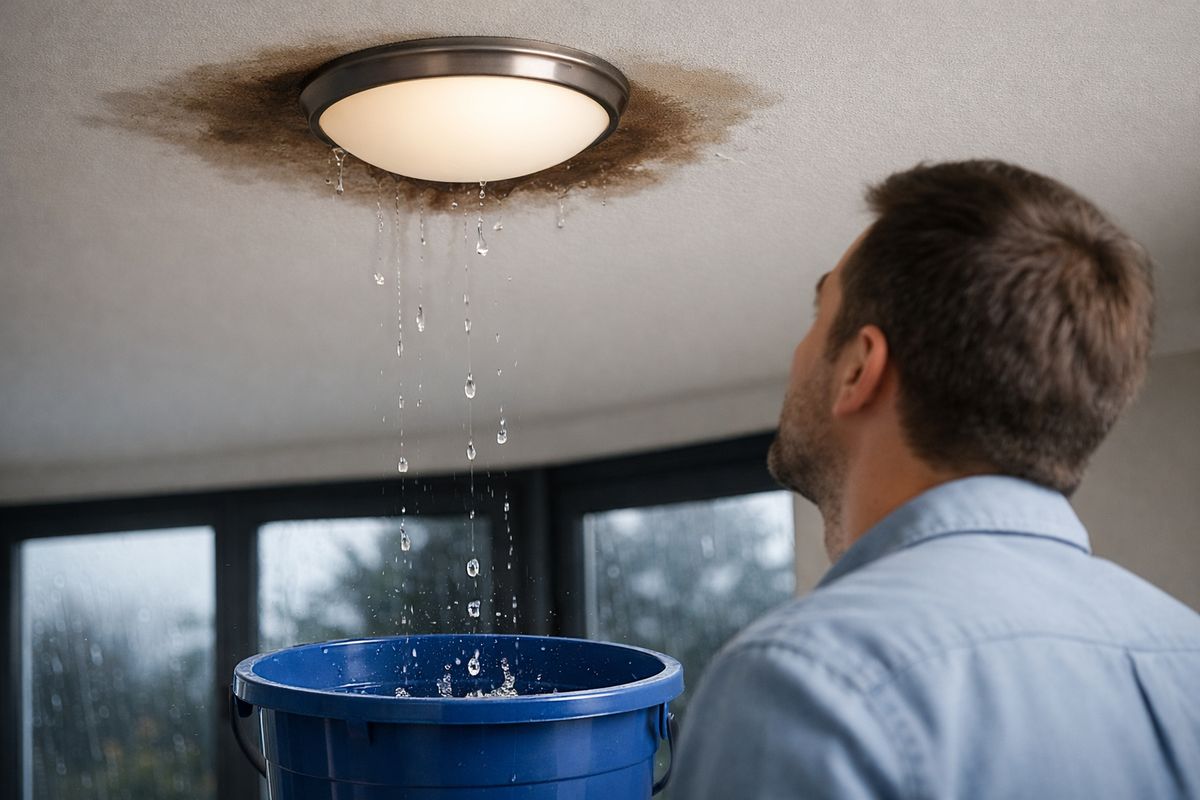
A brown ceiling spot after a hard Fort Myers afternoon storm can turn a normal day into a scramble. When you search for roof repairs near me, you are not just looking for somebody with a ladder. You are trying to find out what is actually wrong, how serious it is, and who you can trust to fix it without making a stressful week worse.
Start with the problem in front of you
Roof trouble usually starts small. A drip near a vent. A shingle in the yard. A stain that was not there last month. The catch is that small signs do not always mean a small problem, especially in Southwest Florida, where wind-driven rain has a way of sneaking into weak spots and spreading farther than you expect.
That is why the first goal is not buying the biggest job. It is getting a clear diagnosis. You need to know if you are dealing with a simple repair, hidden storm damage, or the beginning of an insurance claim.
What “roof repairs near me” should really mean
This search should mean more than closest company, fastest ad, or first person to pick up the phone. It should mean a local roofer who knows the weather, knows the code, and can tell you plainly if your roof needs a fix or a full reset.
Why local experience matters more in Southwest Florida
Southwest Florida roofs take a beating. Hurricane season is obvious, but the daily wear matters too: harsh sun, salty air near the coast, heavy rain, and long humid stretches that break down sealants, flashing, and exposed materials faster than many homeowners expect. Even older shingles can fail below hurricane-force winds, which is exactly why local judgment matters.
A contractor who works in Cape Coral, Fort Myers, and surrounding areas regularly will usually spot Florida-specific problems faster. That includes uplift around edges, cracked tile, worn pipe boots, and leak patterns tied to wind direction, not just the obvious hole.
When speed matters and when rushing backfires
If water is actively entering your home, decking looks soft, or part of the roof appears sagged or lifted, speed matters. Get the roof protected first, even if that means emergency tarping. If the issue is less urgent, a day spent checking credentials can save a lot of money later.
Rushing into the first quote often leads to vague promises, weak repairs, or pressure to replace a roof that still has usable life. Quick action is smart. Panic hiring is not.
Repair or replacement? How to tell which problem you actually have
A lot of homeowners search for repair because replacement sounds expensive. Fair enough. But patching the wrong roof is like refilling a tire with a nail still in it. It buys time, not a solution.
Signs a repair may be enough
A targeted repair often makes sense when the damage is limited and the rest of the roof is in decent shape. Think a few missing shingles, one damaged tile, a small leak around a vent pipe, or isolated flashing damage where metal pieces direct water away from seams and walls.
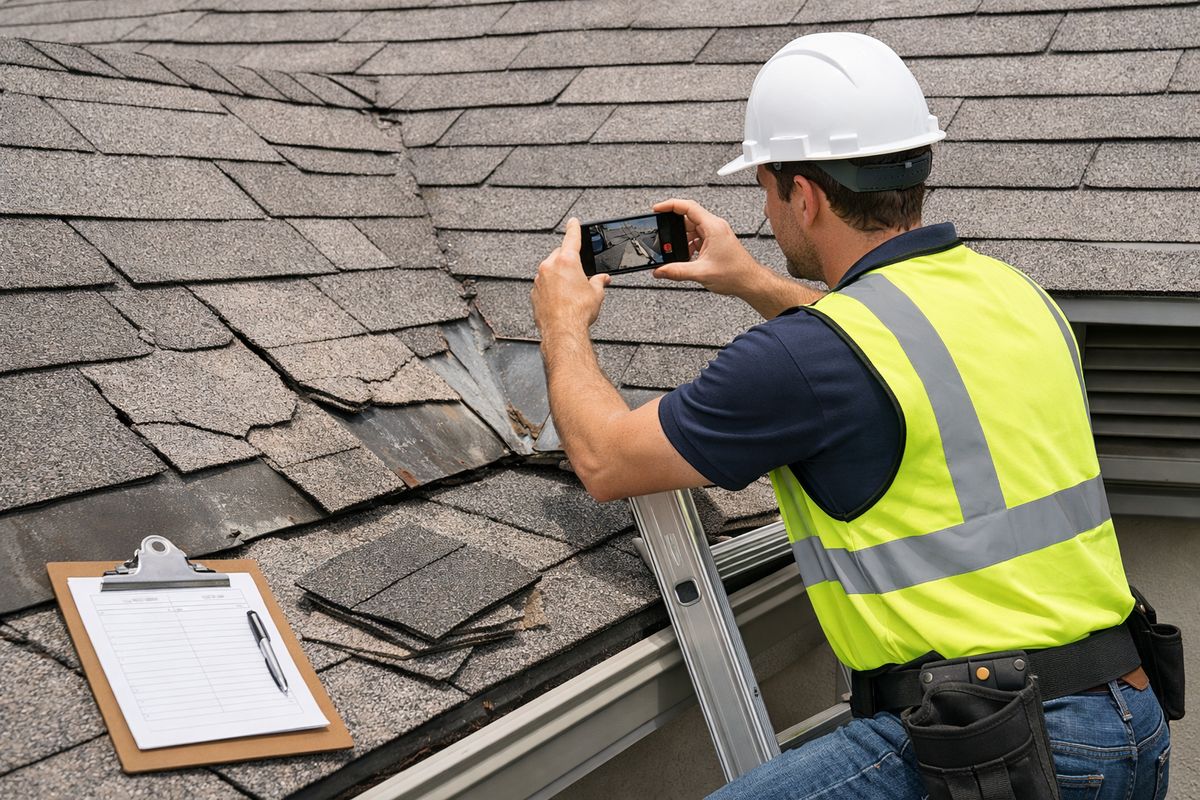
If the roof is otherwise solid, a local fix can be the right move. That is especially true if the contractor shows photos, explains the weak spot, and confirms the surrounding materials still have life left. If you are dealing with an active interior drip, this guide on what to do first when water shows up inside can help you stay ahead of the mess.
Signs replacement may make more sense
Replacement starts to make more sense when leaks keep coming back, repairs are scattered across multiple areas, or the roof feels tired everywhere, not just in one spot. Soft decking, widespread granule loss, broken tiles across more than one slope, or years of patchwork are all warning signs.
If your roof is nearing the end of its expected life, one more repair can turn into throwing good money after bad. That happens a lot with aging asphalt roofs, especially after repeated storm seasons.
How age and roofing material change the decision
Material changes everything. Asphalt shingles are still the most common choice in the U.S., used in about 80% of projects, mostly because they are affordable and easy to repair. Tile and metal usually last longer, but they need the right repair method. A cracked tile is not handled like a lifted shingle, and a metal roof leak often comes down to fasteners, seams, or flashing details.
Age matters too. Many roofs last anywhere from 20 to 50 years depending on material, installation quality, ventilation, and maintenance. In Florida, heat and storms can shorten the practical timeline.
How to find a roofing contractor you can actually trust
This is the part that matters most. A good repair starts with a good inspection, and a good inspection starts with a contractor who treats your roof like a diagnosis, not a sales target.
Check licensing, insurance, and local credentials first
This step is non-negotiable. Verify state licensing, liability insurance, and workers’ compensation coverage before anything else. If a worker gets hurt or the job goes sideways, missing coverage can become your problem fast.
Also check that the company actually works in your area. Local presence matters for permits, follow-up, and warranty support. If you want a deeper checklist, this breakdown of how to spot a dependable local roofer is worth reading before you sign anything.
Look for proof of real local work
Word of mouth still carries weight. In fact, 74% of homeowners say personal recommendations are their top way to find a roofer. But do not stop there. Look for nearby projects, before-and-after photos, and reviews that mention communication, cleanup, punctuality, and whether the final bill matched the estimate.
That kind of detail tells you more than a five-star average ever will.
Pay attention to communication and response time
Roofing repairs feel urgent, so responsiveness matters. A good contractor should explain what was found, send photos, outline next steps, and give a realistic timeline. Not perfect, just clear.
That matters even more now because labor shortages and high demand can stretch schedules. Most homeowners expect work to begin within two weeks of accepting a quote, though emergency protection often happens sooner.
Ask how the inspection is done
Ask what gets checked. Shingles or tiles, flashing, underlayment, attic moisture, ventilation, and storm damage should all be part of the conversation. Underlayment is the water-shedding layer beneath the outer roofing material, and it matters more than most homeowners realize.
A real inspection should feel calm and specific. If the conversation jumps straight to a replacement without showing you why, slow down.
What to ask before you say yes to a quote
A quote should make the job easier to understand, not murkier.
What should be included in a roofing repair estimate
The estimate should spell out the scope of work, materials, labor, cleanup, disposal, permit needs, timeline, warranty, and payment terms. Flashing should be identified if metal transitions or wall connections are involved. Underlayment should be named if any part of the waterproof layer is being replaced.
If you want to compare numbers in more detail, this page on what repair pricing looks like locally gives useful context before you approve a job.
How many quotes to get and how to compare them
Try to get two or three quotes if the roof is stable enough to wait. Compare what is actually being fixed, how long the repair is expected to hold, what materials are being used, and when the company can start.
The cheapest quote is often cheap because something is missing.
Red flags that should stop you cold
Vague estimates, pressure tactics, huge cash deposits, no proof of insurance, no local address, and replacement recommendations with no photo evidence are all bad signs. After major storms, watch for storm chasers who show up fast, disappear faster, and leave warranty problems behind.
Cost, insurance, and timing: the parts that catch homeowners off guard
Roofing gets expensive fast, and surprises usually show up in these three areas.
What roof repairs usually cost
Repair cost depends on roof type, pitch, access, extent of damage, material matching, and whether emergency tarping is needed. National averages can help with rough expectations, but old online numbers are often stale because prices keep climbing. In a typical year, roofing prices tend to rise 3% to 5%.
When insurance may help and when it may not
Insurance may help with sudden storm damage, fallen branches, or wind-related openings. It usually does not help with normal wear, neglected maintenance, or a roof that has simply aged out. Good photos matter. So does fast documentation after a storm. If you are sorting through that process, this guide on handling the paperwork after storm damage can make it less confusing.
How soon a good contractor should be able to start
Emergency protection can often happen quickly. Actual repair timing depends on weather, permits, crew availability, and material lead times. Good contractors may book out, especially after hurricanes, but clear scheduling should still be standard.
Best roofing choices for common Southwest Florida situations
If your roof is older with one small leak, a repair-first inspection is usually the best fit. Ask for photos and ask whether nearby materials are brittle or failing too. That keeps a contained issue from turning into an oversized sale.
After storm or hurricane damage, the best fit is a contractor who can tarp fast, document thoroughly, and explain damage clearly for insurance purposes. Speed plus paperwork matters here.
If your roof is nearing end of life, stop thinking patch by patch and start looking at the bigger picture. Material choice, ventilation, and code upgrades all affect long-term value in a hot, storm-prone climate.
If your goal is lower upkeep and longer service life, metal or tile may be worth discussing if repair turns into replacement. Higher upfront cost, fewer repeat fixes. Simple tradeoff.
For direct local repair help, look here.
Common mistakes that lead to bigger roofing bills
Waiting too long after you notice a leak
A small leak can spread into insulation, decking, drywall, and mold. Water rarely stays where it first shows up. Waiting a month can turn a repair into a much larger job.
Choosing by price alone
Cheap repairs can skip permit work, better materials, or warranty coverage. Workmanship matters just as much as the product on the truck. Poor installation shortens roof life fast.
Skipping the paperwork
Get the estimate in writing. Get photos. Get warranty details. Save storm documentation. Good paperwork protects you if a repair fails or a claim gets questioned later.
Try this this week: a simple shortlist before you hire
Pick three local roofers this week and ask the same five things: what is wrong, what gets fixed, how long it should hold, when the job can start, and what the full price includes. The best choice is usually the one that explains your roof clearly, not the one that talks the most.
Frequently Asked Questions
How do you know if a roof leak is an emergency?
If water is actively dripping, ceiling drywall is bulging, or you can see lifted roofing after a storm, treat it as urgent. Get temporary protection in place quickly, then schedule a full inspection.
Is it better to repair a roof or replace it?
Repair is better when the damage is isolated and the rest of the roof is still in good shape. Replacement makes more sense when the roof is old, leaking in multiple areas, or showing widespread wear.
How many roofing quotes should you get?
Two or three is usually enough. That gives you a fair sense of price, scope, and communication without dragging the process out too long.
Will homeowners insurance cover roof repairs?
Insurance often covers sudden storm damage, but not normal wear and tear. Photos, inspection notes, and quick reporting make a big difference.
How fast should a roofer respond after a storm?
Emergency tarping or damage assessment should happen as soon as possible. Permanent repairs may take longer depending on demand, permits, materials, and weather.