
A roof leak never shows up at a convenient time. One minute you are listening to a hard Fort Myers summer storm hit the house, the next you notice a brown ceiling stain or a steady drip near the TV. Roof leak repair starts with damage control, fast documentation, and a smart plan, not with climbing onto a slick roof in the rain.
If you need the short version, here it is: a roof leak is water getting past your roofing system and into your home through damaged materials, failed flashing, worn seals, or storm openings. The visible drip inside is often only the ending point, not the starting point, which is why the first steps matter so much.
What you will learn in this guide:
- How to limit interior damage fast
- How to inspect without guessing
- What to do in the first 24 hours
- When repair makes sense
- When replacement is smarter
- How insurance and costs usually work
- How to choose a roofer you can trust
- How to help prevent the next leak
When a Roof Leak Shows Up, Start With Damage Control
The first job is inside your home. That feels backward, but it is the right move every time. Water spreads quietly through insulation, drywall, paint, and wood, so the sooner you contain it, the smaller the repair bill usually stays.
Protect the room before you worry about the roof
Start with the obvious: put a bucket, bin, or deep pan under the drip. Then move furniture, lamps, electronics, and anything fabric nearby. Roll up rugs, grab towels, and dry the floor as much as you can.
Here’s the thing: even a small drip can be lying to you. Water moves sideways through insulation and along framing, so the wet spot you see may only be one part of the problem. If the leak started during a storm, quick indoor action can save a surprising amount of damage, especially before water gets deeper into drywall and flooring.
Relieve a bulging ceiling safely
If part of the ceiling looks swollen or saggy, water may be trapped above it. Put a bucket underneath, cover the floor, and carefully puncture the lowest point with a screwdriver or similar tool to let the water drain in one controlled spot.
It sounds dramatic, but a small puncture is often better than waiting for a bigger collapse. The goal is simple: release the weight before the ceiling gives way on its own. Keep clear of the area while it drains.
Stay off the roof during active rain or storm conditions
Do not get on the roof during rain, wind, or lightning. That is not caution for caution’s sake. Wet tile, shingle, and metal roofs are dangerous, full stop.
In Southwest Florida, storm conditions turn roof surfaces slick fast. Roof leak repair is never worth a fall, especially when a professional can tarp or inspect the roof once conditions are safe.

How to Spot the Leak Without Guessing
The water spot on your ceiling is rarely a perfect map. Water can run along rafters, nails, or decking before it finally drops into view, which is why guessing often leads to the wrong repair.
Check the inside first: attic, ceiling stains, and musty spots
If you can safely access the attic, start there. Look for wet insulation, darkened wood, damp rafters, or sunlight peeking through where it should not. Check ceiling stains for brown rings, bubbling paint, peeling texture, and soft drywall.
A musty smell matters too. That odor usually means moisture has been hanging around long enough to soak materials instead of drying out. Since mold can begin within 24 to 48 hours, attic moisture is not something to shrug off and revisit next month.
Inspect the roof from the ground
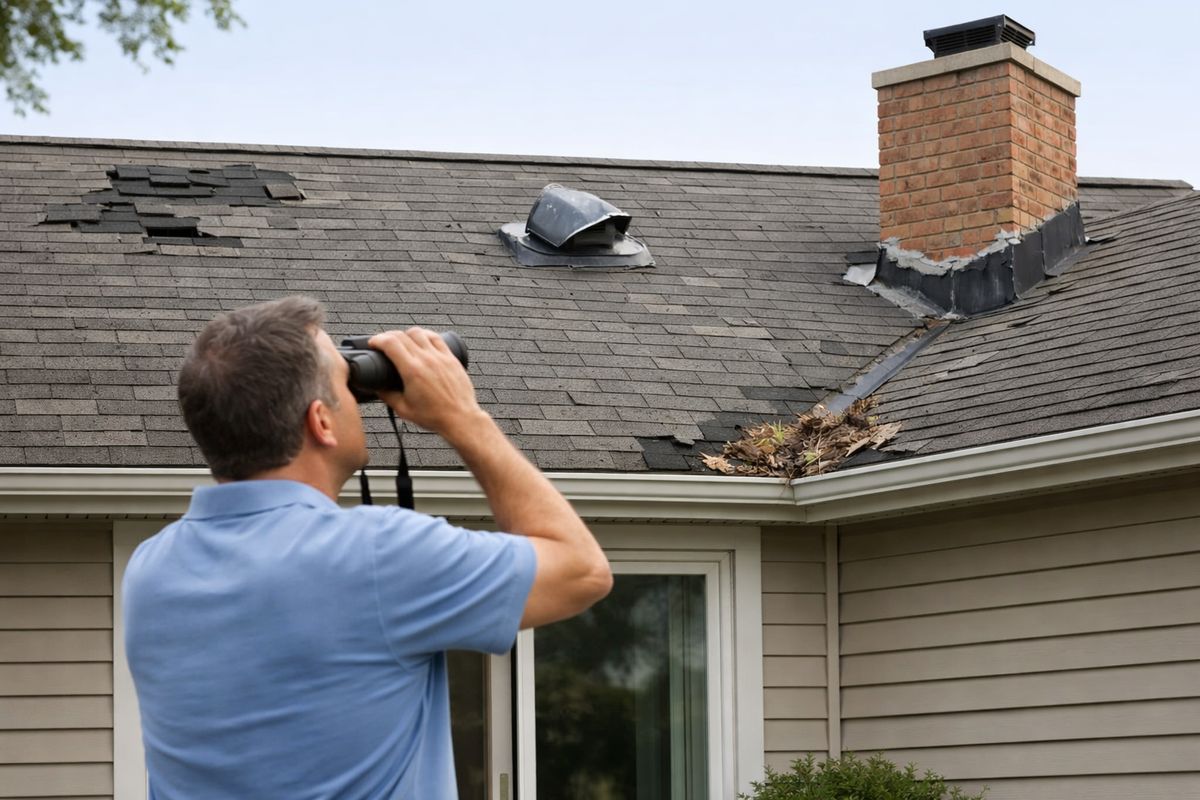
Walk the yard and use binoculars if you have them. Look for missing shingles, lifted edges, bent metal, cracked sealant, damaged vents, and debris piled in valleys or along roof transitions.
Ground-level inspection is safer and usually good enough to spot the obvious. If the leak followed a storm, this is also a good time to compare what you see with a guide on what storm damage often looks like up close.
Watch the usual trouble spots
Most leaks happen at transitions and penetrations, not on a random open stretch of roof. Pay close attention to flashing around chimneys and vents, skylights, roof valleys, low-slope sections, and spots where branches or debris hit.
That pattern shows up again and again in Florida homes. Heat, humidity, UV exposure, salty coastal air, and storm seasons wear down seals and flashing long before the whole roof looks terrible from the street.
What to Do in the First 24 Hours
The first day sets the tone for everything that follows. If you act quickly, you give yourself a better chance at a simpler repair, a cleaner insurance process, and less interior damage.
Take photos and document everything
Take clear photos of the ceiling stain, active dripping, damaged belongings, attic moisture, and any visible roof damage from the ground. Use wide shots and close-ups. Keep notes on when you first noticed the leak, what weather was happening, and which rooms were affected.
Time-stamped photos help more than most homeowners realize. If an insurance claim becomes part of the process, good documentation can support that the damage was sudden rather than a long-running maintenance issue.
Use a temporary fix only if it’s safe
Temporary protection can buy time, but it is not the repair. A professionally installed tarp, an emergency patch, or a sealed exposed area after the storm passes can keep more water out while the real fix is scheduled.
That matters because damage escalates quickly. Some pros put it plainly: a $300 problem today can become a $3,000 problem after a few more heavy storms. If you need quick local help, start with a dedicated roof repair service page.
Dry the area fast to lower mold risk
Run fans. Use a dehumidifier. Blot up standing water. If drywall or insulation is soaked, get it evaluated quickly so moisture is not trapped inside the ceiling or wall.
The catch is that roof leaks are not just roof problems anymore once water gets indoors. According to repair and restoration data, water damage worsens quickly, and mold, odors, and material breakdown can follow faster than most homeowners expect.
Roof Leak Repair or Roof Replacement? How to Tell
This is the question that keeps most homeowners up at night. The honest answer is that some leaks need a simple targeted repair, while others are your roof telling you the patchwork phase is over.
When a repair usually makes sense
A repair often makes sense when the damage is isolated. Think one failed vent boot, a small flashing issue, a few missing shingles, or a leak tied to one storm event while the rest of the roof still looks solid.
In that situation, a focused repair can be the smart, budget-friendly move. If you want a better feel for local pricing, it helps to review what repair costs usually look like in Southwest Florida before approving the work.
When replacement is the smarter move
Replacement is usually the better call when leaks keep coming back, multiple sections are damaged, decking feels soft, or repairs are piling up like Band Aids on a cracked pipe. If your roof is older and the newest estimate is a big chunk of replacement cost, patching may only delay the bigger decision.
A common rule of thumb is simple: repeated leaks, widespread wear, or storm damage across several areas usually point toward replacement, not another patch.
Why age matters in Southwest Florida
Roofs in Southwest Florida age hard. Heat bakes materials, UV breaks them down, humidity keeps moisture hanging around, and storm seasons test every seam and flashing edge year after year.
An older roof near the coast can look decent from the driveway and still be tired where it counts. That is why age matters so much in repair versus replacement decisions, especially if your roof has already been through several summers of heavy rain and wind.
Insurance, Costs, and Choosing the Right Roofer
Once the emergency settles down, the practical questions show up. Who pays for this, what will it cost, and who can you trust not to make a stressful problem worse?
When homeowners insurance may cover roof leak repair
Insurance is more likely to help when the leak came from sudden storm damage, like wind lifting shingles or debris striking the roof. In many cases, sudden and accidental damage may be covered, while slow leaks, aging materials, and deferred maintenance are often not.
That difference matters. If the leak followed a storm, document it early and read through a clear guide on how the claim process usually works after roof damage.
What roof leak repair can end up costing
Professional roof leak repair often lands somewhere between a few hundred dollars and a couple thousand, with many repairs around $1,100. The roof work itself may not be the whole story, though. Ceiling repair, drywall replacement, insulation, and mold cleanup can push the total up fast.
That is why acting early saves money. A small leak caught quickly is one thing. A leak that soaks insulation, stains ceilings, and feeds mold is a very different bill.
How to find a trustworthy local roofing contractor
Look for a local company with a real presence in Southwest Florida, proper license and insurance, storm damage experience, and a written scope that explains what failed and what will be fixed. You want photos, plain-English explanations, and zero pressure.
Be careful after major storms. Fast-talking offers, vague promises, and “sign today” pressure are all red flags. A good place to start is learning how to spot a roofer you can actually trust.
Questions to ask before you sign anything
Ask direct questions and expect direct answers. What caused the leak? Is this a repair or a replacement situation? What temporary protection is needed right now? What documentation will help with insurance? How long should this fix last?
If the answers feel slippery, keep looking. Roof work is expensive enough without adding confusion on top.
How to Help Prevent the Next Leak
Most leaks do not come completely out of nowhere. Your roof usually drops hints first, small ones at first, then louder ones if nothing gets fixed.
Check your roof after major storms
After heavy rain or wind, do a simple walk-around from the ground. Look for missing materials, debris piles, bent flashing, and fresh interior stains. Severe weather can damage roofs and let water in, which is why post-storm inspection matters so much.
Keep gutters and roof drainage clear
Clogged gutters and blocked valleys push water backward and sideways, right into places it does not belong. During a Florida downpour, that backup can happen fast.
Keep drainage paths clear, especially if your property gets leaves, palm debris, or small branches building up after storms.
Schedule a roof inspection before small issues spread
If your roof is aging, you have seen recurring stains, or you notice visible wear, schedule an inspection before the next storm does the deciding for you. Small repairs are easier, cheaper, and less disruptive than emergency repairs after water gets inside.
Try one thing this week: after the next rain, walk your home inside and out, take a few photos from the ground, and note anything new. That fifteen-minute habit can catch a leak before it turns into a ceiling problem.
Frequently Asked Questions
Can a small roof leak wait a few weeks?
No. Small leaks have a bad habit of becoming expensive leaks. Water spreads behind drywall, into insulation, and along framing long before the stain looks serious.
Is the ceiling stain always directly below the roof leak?
Usually not. Water often travels before it drips, especially along rafters or decking. That is why roofers inspect attic paths, flashing, vents, and valleys instead of repairing the spot directly above the stain.
Should you tarp a leaking roof yourself?
Only if conditions are dry, safe, and you know exactly what you are doing. In most cases, a professional temporary tarp is the better move because falls and bad patch jobs create bigger problems.
How long does roof leak repair take?
A simple repair may take a few hours. More involved leaks, especially those tied to flashing, valleys, or hidden water damage, can take longer depending on weather, materials, and interior repairs.
What is the difference between a roof repair and a roof replacement situation?
A repair fixes one limited failure, like a vent boot, flashing section, or small storm-damaged area. Replacement makes more sense when leaks are recurring, damage is widespread, or the roof is old enough that patching no longer buys much time.