
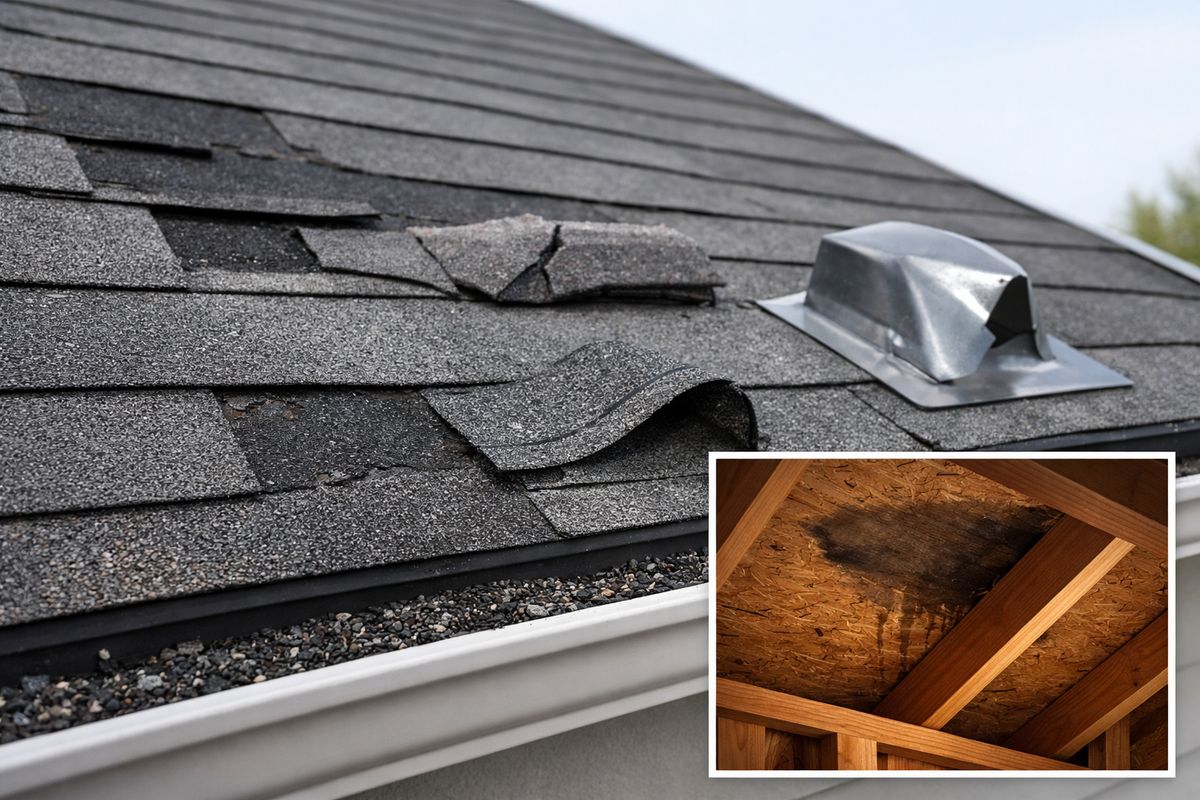
The most common signs of roof damage are missing or curled shingles, cracked or slipped tiles, granules piling up in your gutters and water stains on your ceilings. Some warning signs show up on the roof itself, while others only appear inside the house, which is why many homeowners miss them until a leak forces the issue.
San Carlos Roofing is a licensed Fort Myers roofing contractor that has inspected and repaired roofs across Lee and Collier County since 1987. On this page, our roofers explain what they look for and how to tell a minor issue from one that needs attention now.
Call us at (239) 267-6200.


More than 5,000 Florida Residents Served

Roof damage usually shows itself in one of two places. Outside, look for shingles that are missing or curling, tiles that are cracked or out of line, flashing that has bent away from vents or walls and a roofline that dips or sags. Inside, look for brown rings on the ceiling, bubbling paint near exterior walls, damp attic insulation and daylight showing through the roof boards.
A single sign is worth a closer look. Two or more together usually mean water is already getting past the roof covering. That matters in Southwest Florida because summer storms and constant humidity can turn a slow leak into rotted decking and mold within one rainy season.
San Carlos Roofing is a local Fort Myers roofer serving homeowners throughout Southwest Florida. Our team documents what we find with photos and tells you plainly if the roof needs a simple repair or something bigger.
License #: CCC1330248 | Phone: (239) 267-6200.
Use binoculars or your phone camera zoom from the yard and stay off the roof. Walking a roof is risky without the right safety gear, especially when tile or shingles are wet.
Roof damage rarely stays in one spot. Water follows the path of least resistance, so the stain you notice may sit several feet away from the actual opening. Our article on why roof leaks often appear far from the problem explains how that happens. Here is what each area of your home can tell you.
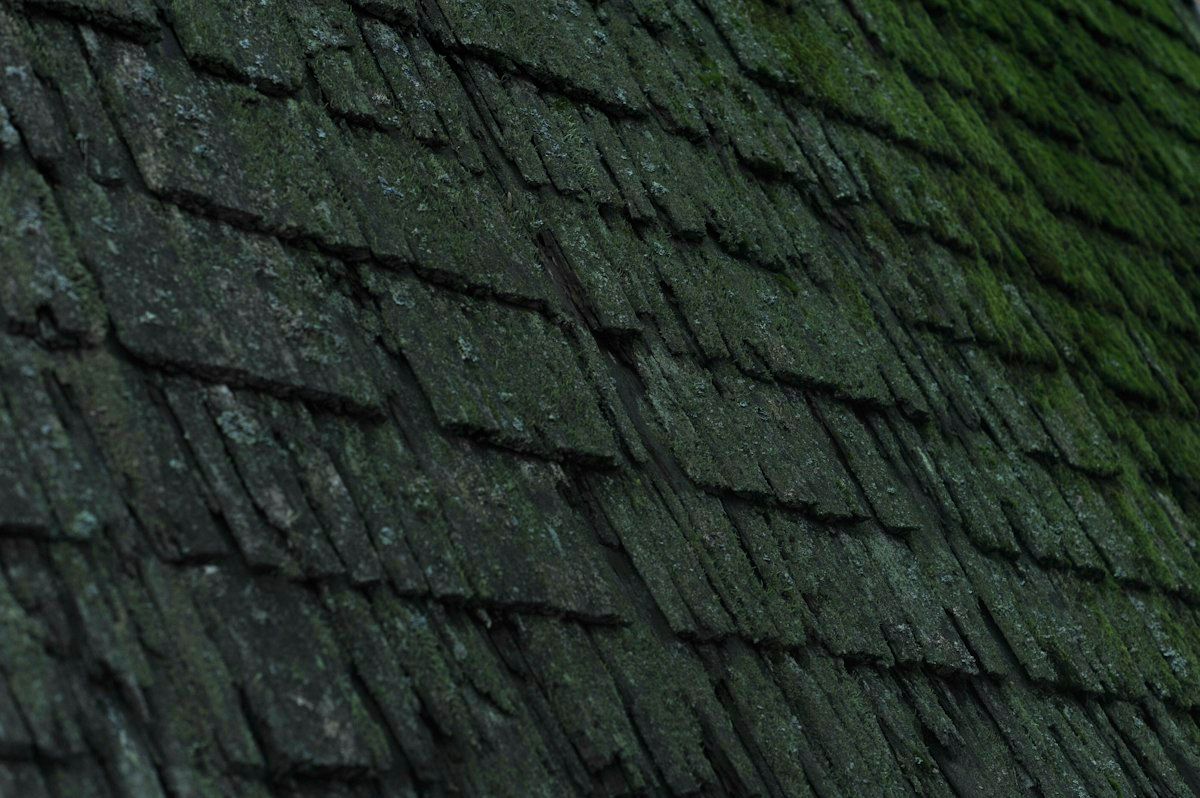
Wind lifts shingle edges and breaks the seal strip that holds them flat. Once that seal fails, the next storm can peel the shingle away. On tile roofs, we look for cracked pieces and for ridge mortar that has broken loose. Even one missing shingle can let rain reach the underlayment.
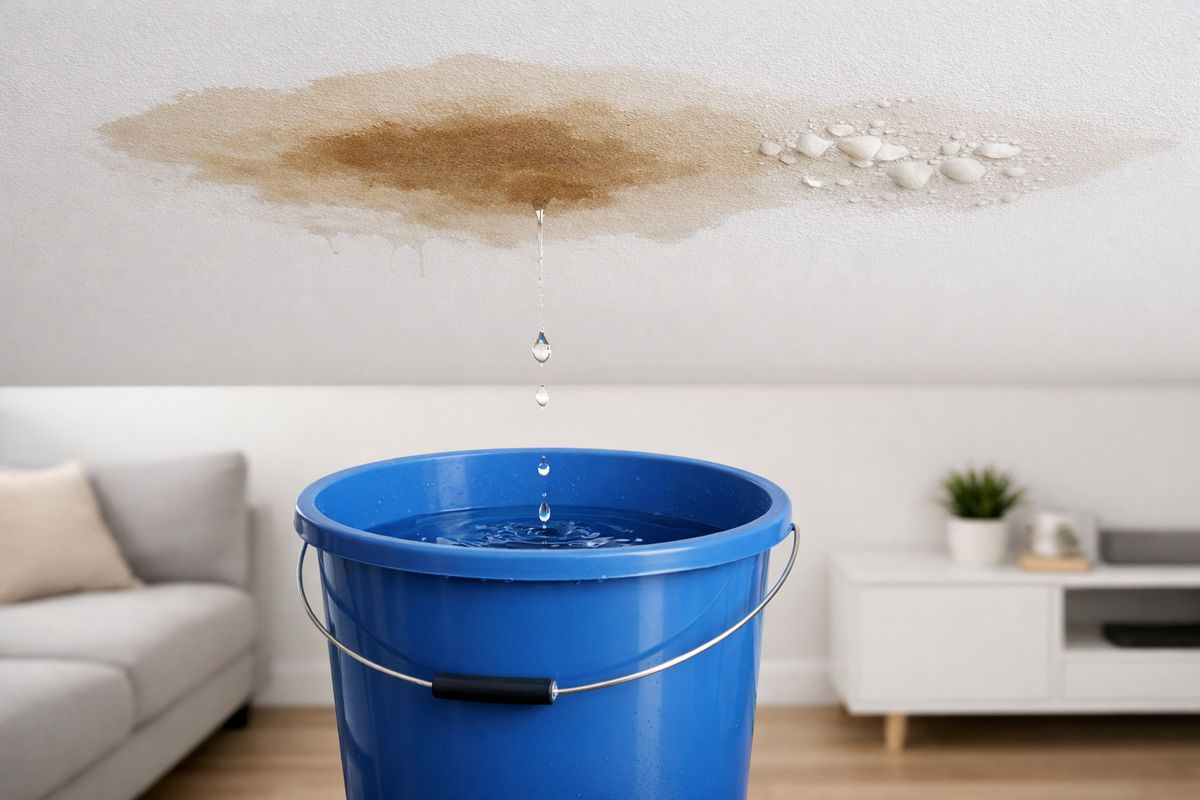
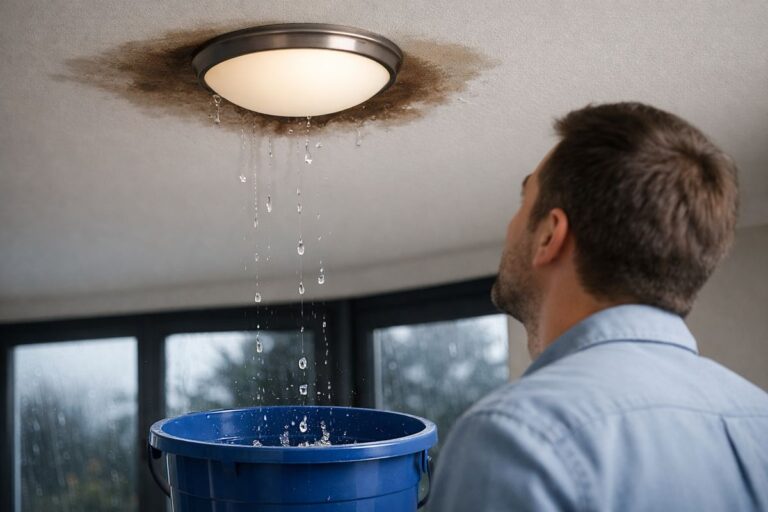
Ceiling stains often start as tan rings that grow darker after each rain. You may also see paint bubbling near an exterior wall or smell something musty in a closet along the roofline. Both mean water has already moved through the roof and into the framing. Our list of urgent roof repair signs shows which ones need a same-day call.
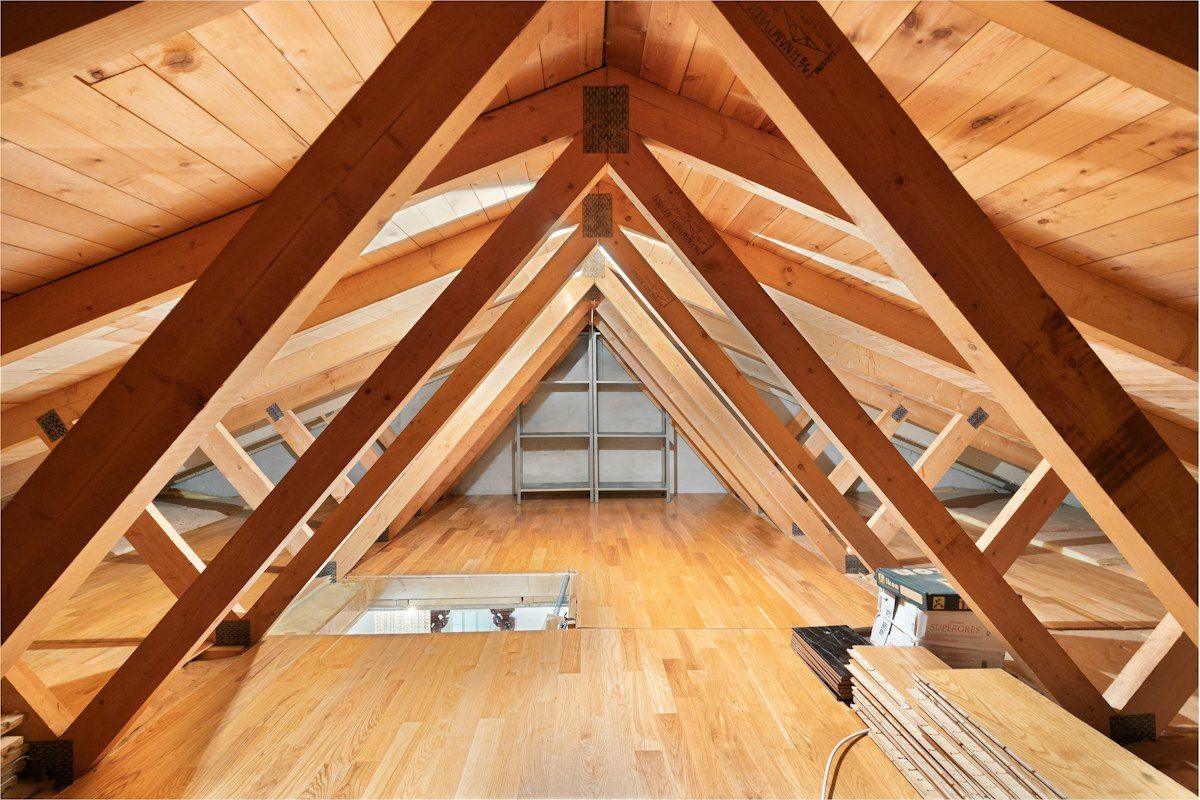
The attic is where roof damage is easiest to confirm. Look for dark water marks on the underside of the decking, rusted nail tips, damp insulation and pinholes of daylight between the boards. A professional roof inspection checks these areas closely and can use tools like a moisture meter when needed to confirm damp spots your eyes cannot see.
Interior signs tell you water is already inside, so they deserve faster attention than exterior wear. Shut off power to any fixture that is dripping and set a bucket under the leak. Then photograph the stain and call a local roofer. Our article on what roof inspectors notice that homeowners miss explains what a trained eye looks for.



“San Carlos has earned my trust and respect. They replaced our tiled roof and it looks outstanding. In my experience, their business ethics were honest and very much above board. Simply put, they kept their word. I highly recommend giving this company serious consideration for your roofing project.”
Asphalt Shingle Roofs: Shingles show damage through curling edges and granule loss. Bare dark patches mean the asphalt is exposed to direct sun, which speeds up aging in our climate. Creased shingles near the edges tell us wind lifted them even if they settled back into place.
Concrete and Clay Tile Roofs: Tile can last for decades, but a cracked or slipped tile exposes the underlayment beneath it. In Florida, that underlayment does most of the waterproofing work, so a broken tile left alone through a rainy season can lead to rotted decking. Watch for loose ridge caps and tiles that sit higher than their neighbors.
Metal Roofs: Metal panels hold up well against wind, but they have their own warning signs. Look for fasteners that have backed out and rust forming along the seams. Salt air speeds up corrosion on coastal homes in places like Sanibel and Fort Myers Beach.
Flashing on Every Roof Type: Most of the leaks we repair start at the details rather than the open field of the roof. Pipe boots crack in the sun and wall flashing pulls loose as sealant ages. Valleys also collect leaves that hold water against the roof, so these spots deserve a close look on any material.
How long should your roof hold up? Our guide on how long a roof lasts in Southwest Florida covers typical lifespans by roof type.
San Carlos Roofing has protected Southwest Florida homes since 1987. Our crews know the building codes and weather patterns here and have seen nearly every roofing challenge our region can throw at a home. That experience helps us separate cosmetic wear from damage that will let water in. We document what we find with photos so you can see exactly what we see on the roof.
We are based on Drew Circle in Fort Myers and work directly with homeowners. We do not use call centers, and we do not subcontract your roof to unknown crews.
(239) 267-6200

Some signs of roof damage can wait for a scheduled inspection. Others need a call the same day. Treat it as urgent if you notice any of the following:
Slower signs like granule loss or a single cracked tile still need attention, but they can be handled on a calmer timeline. Small problems are easier to fix before the next rainy season, and our article on which minor roof problems turn into major repairs shows how quickly that can change.
If a named storm just passed, see our guide to signs of roof damage after a storm in Southwest Florida along with our hurricane roof damage inspection page.

Signs of roof damage look different on each material, so our roofers check every system against its own weak points. These are the roof types we work on most often in Southwest Florida.
Concrete and clay tile is a classic look across Southwest Florida. Tile handles sun and wind well, but the underlayment beneath it carries most of the waterproofing load. Cracked or slipped tiles should be repaired before water reaches the deck. Our crews work on both flat and barrel tile.
Architectural shingles remain the most popular roofing choice in Southwest Florida. Modern shingles offer better wind resistance than the older three-tab products. When they fail, we often find lifted edges or worn seal strips that let wind get underneath.
Metal roofing offers excellent wind resistance and strong energy efficiency in our hot climate. Its weak points are fasteners and seams, so those areas deserve close attention as the roof ages. Homes near the coast should have metal roofs checked for corrosion more often.
Are you unsure what type of roof you have or how it is holding up? Call us at (239) 267-6200 and we will explain what we find in plain language.
San Carlos Roofing is based in Fort Myers and checks roofs for signs of damage throughout Southwest Florida. Our service area runs along the Gulf coast between Port Charlotte and Marco Island. We are familiar with the building codes and requirements in each municipality we serve.
Do you live in Southwest Florida but not see your community listed? Give us a call and we will confirm that we serve your area.
Fort Myers | Cape Coral | Bonita Springs | Estero | San Carlos Park | Fort Myers Beach | Sanibel | Captiva | Lehigh Acres | Naples | Marco Island
Local tip: After a storm, photograph your roof from the ground along with any interior stains before anything is moved or repaired. Clear, dated photos help your roofer understand what changed.
Use our form or call (239) 267-6200 and tell us what you are seeing.
Pick a day and time that works for you and one of our roofers will come out to look at your roof.
We walk you through our photos and explain whether the damage calls for a repair or a full replacement.
Start from the ground with binoculars or your phone camera zoom. Look for missing shingles and cracked tiles first, then check the attic with a flashlight for water marks on the decking. If anything looks questionable, call a licensed roofer rather than walking the roof yourself.
Inside, roof damage usually shows up as tan or brown ceiling stains or drips around light fixtures. Peeling paint near the top of exterior walls and a musty closet smell can also point to a slow leak.
A small amount of granule loss is normal on a new shingle roof. Heavy buildup on an older roof means the shingles are wearing out and the asphalt underneath is exposed to the sun. That usually signals a roof nearing the end of its life.
Yes, a roof can be damaged without leaking. Wind can break the seal on shingles or crack tiles without letting water in right away. Damaged underlayment can also hold back water for months before it fails. That is why an inspection after a major storm makes sense even when the ceilings look fine.
Most Southwest Florida roofs benefit from an inspection once a year and after any hurricane or tropical storm. Roofs older than 15 years deserve closer attention because insurers often ask about their condition.
Wind damage often appears along the edges and the ridge. Look for creased shingles that the wind folded back or for shingle pieces in the yard. On tile roofs, wind can lift and crack tiles near the eaves.
It depends on how much of the roof is affected and how old it is. Localized damage on a roof with good remaining life is usually repaired. Widespread damage or repeated leaks on an aging roof often point toward replacement. Our page on roof repair vs roof replacement covers how to tell the difference.
Yes, San Carlos Roofing inspects roofs for damage throughout Lee and Collier County, including Fort Myers, Cape Coral, Estero, Bonita Springs, Naples and Marco Island. Call (239) 267-6200 to schedule.
Call us at (239) 267-6200 and tell us what you are seeing. We will help you figure out whether it needs attention now.


Catching roof damage early keeps a small repair from turning into rotted decking and interior water damage. If you have noticed any of the signs on this page, our team will inspect the roof and walk you through photos of what we find. San Carlos Roofing has served Southwest Florida homeowners since 1987, and we treat every home we work on as if it were our own.