
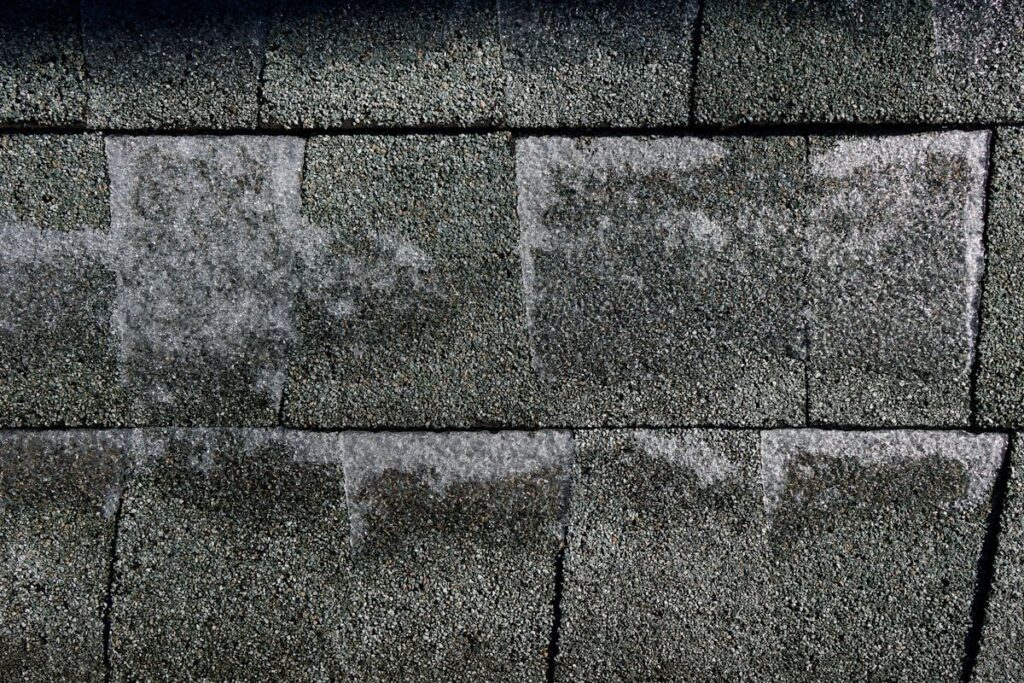
A brown ring on the ceiling after a hard Southwest Florida storm is not a small cosmetic issue. Roof leak signs are the clues that water has already made it past your roofing system and started affecting your house, and once you can see that damage indoors, the problem is already bigger than one loose shingle.
What roof leak signs actually mean
Roof leak signs are the visible and hidden signals that moisture is getting where it should not. That can mean a stain on the ceiling, a musty smell in an upstairs closet, damp insulation in the attic, or paint that starts bubbling for no obvious reason.
Here’s the thing: a roof does not usually fail all at once. Water slips in through a weak spot, then moves sideways, downhill, or into materials that quietly hold moisture. By the time you notice something inside, your roof system, decking, insulation, or drywall may already be involved.
That is why signs of roof damage deserve attention right away. Indoor evidence usually means the leak has moved past the outer roofing layer and into the house itself.
The indoor signs you should never brush off
A lot of leaks announce themselves indoors first. That sounds backward, but it makes sense once you picture water creeping along wood and drywall before finally showing up where you can see it.
Ceiling stains, wall spots, and bubbling paint
Yellow, brown, or copper-colored rings on a ceiling usually mean moisture has been getting in for a while. According to one roofing source, brown or yellow stains often point to a leak that has been neglected long enough to leave a visible mark.
Wall streaks, soft drywall, peeling paint, and bubbled texture belong in the same category. Moisture gets trapped behind the surface, and the finish starts to lift or warp. It can look like a paint problem, but it is often a water problem wearing a paint disguise.
The trick is not to assume the stain sits directly below the leak. Water travels. If you can safely access the attic above that spot, look uphill from the stain rather than straight above it.
Musty smells, mold, and mildew
A persistent musty smell in an upper hallway, bedroom, closet, or attic is often one of the earliest warnings. Mildew is a surface fungus that tends to look powdery or fuzzy. Mold is broader and can show up as black, green, or white spotting where moisture keeps hanging around.
That smell matters because it usually means dampness has lasted longer than a single storm. Musty odors inside are often listed alongside stains and peeling paint as early leak clues, which makes sense. Materials do not start smelling stale and damp unless water has had time to settle in.
Drips, damp insulation, and attic warning signs
If you see active dripping, the leak is already well developed. Dripping during rain is a late-stage symptom, not an early one. By then, insulation may already be wet, compressed, or matted down like a soaked towel.
The attic often tells the story sooner than the living room does. Rusted nails, stained rafters, darkened wood, damp air, and soggy insulation all point to moisture overhead. If your attic feels humid after rain or smells earthy for days, pay attention. That kind of evidence often shows up before a ceiling stain spreads across a bedroom.
The roof problems that usually cause those signs
Once indoor signs appear, the next question is obvious: what is letting water in? Usually, the cause is not mysterious. It tends to come down to worn materials, weak roof joints, or poor drainage.
Damaged shingles, tiles, or underlayment
Cracked, curled, lifted, or missing roofing materials create openings for wind-driven rain. In Southwest Florida, that matters even more because storms do not always hit with gentle, straight-down rainfall. Rain gets pushed sideways, and weak spots get tested hard.
Older roofs are especially vulnerable. Materials dry out, adhesives weaken, and protective layers underneath can break down over time. Even if only one area looks damaged from the ground, water may already be slipping beneath the surface layer and spreading underneath.
Failed flashing around vents, chimneys, skylights, and valleys
Flashing is the metal material that seals roof joints and openings. Think of it like the trim around a window, except on your roof. Its job is to keep water from sneaking into the seams where different materials meet.
That is why vents, skylights, valleys, and other transition points leak so often. A small gap in flashing can send water into the roof system in ways that look random indoors. One stain near a hallway ceiling can start from a vent several feet away. If you are trying to understand the bigger picture after a storm, it helps to know what strengthens a damage case before talking with your insurer.
Clogged gutters and debris buildup
Gutters are supposed to move water away quickly. When leaves, grit, and roof debris build up, water backs up and starts going where it should not. It can push under roofing edges, soak fascia boards, stain soffits, and run down exterior walls.
That is one reason clogged gutters and downspouts show up so often in leak prevention advice. Overflow at the roof edge is not harmless. It is a drainage failure that can turn into a roof leak and wall damage at the same time.
How to tell if It’s a roof leak or something else
Not every stain means your roof is failing. Some water problems come from plumbing, air conditioning, or condensation. The location and timing usually give you the best clues.
Signs it could be plumbing or HVAC instead
If a stain sits below a bathroom, next to a shower wall, or under an upstairs plumbing line, the source may be a pipe or drain. If the issue gets worse when the AC runs hard, an air handler drain line or duct condensation may be the problem instead.
Rain timing matters. If the stain grows after storms, suspect the roof first. If it shows up in dry weather, especially near a bathroom, laundry area, or AC equipment, look beyond the roof. Hidden moisture from small indoor leaks can spread fast too, especially around sinks, toilets, and appliances.
Why water rarely stays where it entered
Water migration confuses almost everyone at first. A roof leak does not always drip straight down. It can follow rafters, insulation, and framing the same way a spilled drink runs along a countertop before dripping off the edge.
That is why diagnosis takes more than spotting one ugly stain. In fact, water can travel far from the original breach before it becomes visible. If the stain is in the guest room, the entry point may be above the hallway, near a vent, or higher up the roof slope.
What to do the moment you notice a roof leak sign
The goal in that first hour is simple: limit damage, document what you see, and stay safe. This is not the time for guesswork on a wet roof.
Start with photos, buckets, and damage control
Take photos of the stain, drip, damaged paint, wet flooring, and any belongings in the area. If the leak followed a storm, note the date and rough timing. That kind of record helps with diagnosis and can help with insurance paperwork too.
Then contain the mess. Put down a bucket, move furniture, slide valuables out of the area, and protect flooring with towels or plastic if needed. If a ceiling bulge is actively filling with water, that is an emergency situation, but most leaks should be contained, not torn open casually.
Check from the ground and inside the attic, not by climbing the roof
Use binoculars from the yard if you have them. Walk the perimeter and look for missing shingles, displaced tiles, bent flashing, sagging spots, or debris piles. Then check the attic if it is safely accessible and you have stable footing.
Look for wet insulation, stained wood, rusted nails, or daylight where it should not be. If you are at the stage of comparing companies, spend a few minutes on how to vet someone local before booking an inspection. It is an easy way to avoid getting rushed into the wrong decision.
Know when repair makes sense and when replacement enters the picture
One isolated leak on a newer roof often points to a focused repair. A flashing issue around a vent, a small section of storm damage, or one problem area can sometimes be fixed without bigger work.
But repeated leaks, multiple interior stains, sagging roof sections, widespread wear, or a roof that keeps leaking after patch jobs usually point to something larger. Older roofs and homes that have recently taken storm hits often deserve a licensed inspection because hidden damage is common. If you are narrowing down your options, it helps to review what to check before hiring so you know what answers matter.
When to call a local roofer and what to ask
Some leaks can wait a day for a proper inspection. Some should not. The difference usually comes down to age, storm history, and how much evidence you are already seeing inside.
Call sooner if the roof is older, sagging, or leaking after storms
Call promptly if you have active dripping, sagging drywall, multiple stains, visible mold, wet attic insulation, or a leak that shows up after wind-driven rain. Those are red flags, not watch-and-wait issues.
The same goes for an older roof that suddenly starts showing indoor symptoms after a summer storm in places like Fort Myers or Cape Coral. If the house stayed dry for years and then starts staining after one rough weather event, something changed.
Questions that help you find a trustworthy contractor
Ask where the leak appears to be starting, what evidence supports that conclusion, and whether the issue looks isolated or widespread. Ask for photos of the problem areas, not just a verbal summary. If storm damage is involved, ask how the damage should be documented and whether temporary protection such as tarping is recommended.
Also ask about licensing and insurance, and make sure the explanation makes sense in plain English. A good contractor should be able to show you the source, explain the water path, and tell you why repair or replacement fits the condition of your roof.
One smart next step for today
After the next rain, spend ten minutes checking your ceiling, attic, and the outside edges of your roof for fresh changes. Take photos right away, even if the mark seems small. Catching a new leak early is a lot like noticing a slow tire before it blows out on the highway. Small signs are the whole warning.
Frequently asked questions
Can a small ceiling stain really mean a serious roof problem?
Yes. A small stain can be the visible tip of a much larger moisture path. Water often spreads through insulation, wood, and drywall before it leaves a mark.
Do roof leaks always drip during rain?
No. Many leaks show up first as stains, smells, or damp materials. Visible dripping usually means the problem has already been active for a while.
Is the leak always directly above the stain?
No. Water can travel along rafters and framing before it appears indoors. That is why the actual entry point is often several feet away from the stain.
What does a musty attic smell usually mean?
A musty attic often means moisture has been trapped longer than it should be. That can come from a roof leak, poor ventilation, or both.
Should you go on the roof to inspect a suspected leak?
No, not as a first step. It is safer to inspect from the ground and from inside the attic if accessible. Wet roofs are risky, especially after storms.
When does a leak suggest replacement instead of repair?
If leaks keep returning, stains show up in multiple areas, the roof is older, or the decking looks sagged or worn, the problem is often bigger than a one-spot repair.