Blog

  • Is Your Roof Storm-Ready? Check Out These Roof Repair Essentials

    Is Your Roof Storm-Ready? Check Out These Roof Repair Essentials

    Why Your Roof Is Your First Line of Defense

    When storm season arrives in Florida, your roof isn’t just another part of your home—it’s the primary barrier protecting everything underneath. Between hurricane, force winds, torrential rains, and airborne debris, a compromised roof can spell disaster. Without proper preparation, even minor vulnerabilities can result in massive structural damage and insurance headaches.

    As the climate grows more volatile and storms intensify, roof storm readiness is no longer optional—it’s essential. This is especially true for homeowners in hurricane, prone regions where roofing standards must meet stricter codes and face more aggressive weather year after year.

    This guide explores the crucial roof repair essentials you should evaluate before storm season hits, with a strong focus on metal roofing—widely regarded as one of the most storm, resilient systems available in Florida today.

    Storm Season Is No Longer Predictable

    Every year, Florida faces more frequent and severe tropical storms. Climate data shows a steady rise in Category 4 and 5 hurricanes, bringing sustained wind speeds over 130 mph, heavy rainfall, and intense storm surges. Your roof takes the first hit—and sometimes, the hardest.

    The DECRA Roofing blog points out that most homeowners underestimate the small issues that can become catastrophic under storm pressure. A minor seam lift, rusted fastener, or degraded flashing might seem harmless today but could turn into a leak path or a point of failure when winds exceed 120 mph.

    Metal Roofs: Florida’s Go, To for Hurricane Protection

    Engineered to Withstand the Worst

    More homeowners in coastal areas are switching to metal roofs—and it’s no surprise why. A properly installed metal roof, particularly one using stone, coated steel or standing seam panels, can withstand wind speeds of 140 to 160 mph, easily meeting and often exceeding Miami, Dade County building codes.

    According to Allstate Exteriors, the interlocking structure of metal roofing adds strength and cohesion. This design prevents panels from lifting or buckling under wind pressure, one of the most common forms of storm, related damage with traditional shingles or tiles.

    Longevity Meets Storm Resistance

    Metal roofs also resist common issues like water absorption, mildew, and rot. They are non, combustible, energy, efficient, and lightweight—reducing the strain on your home’s frame while offering one of the longest lifespans in the industry.

    For Florida homeowners serious about storm preparation, a metal roof isn’t just a smart investment—it’s a strategic one.

    Pre, Storm Roof Inspection: What to Look For

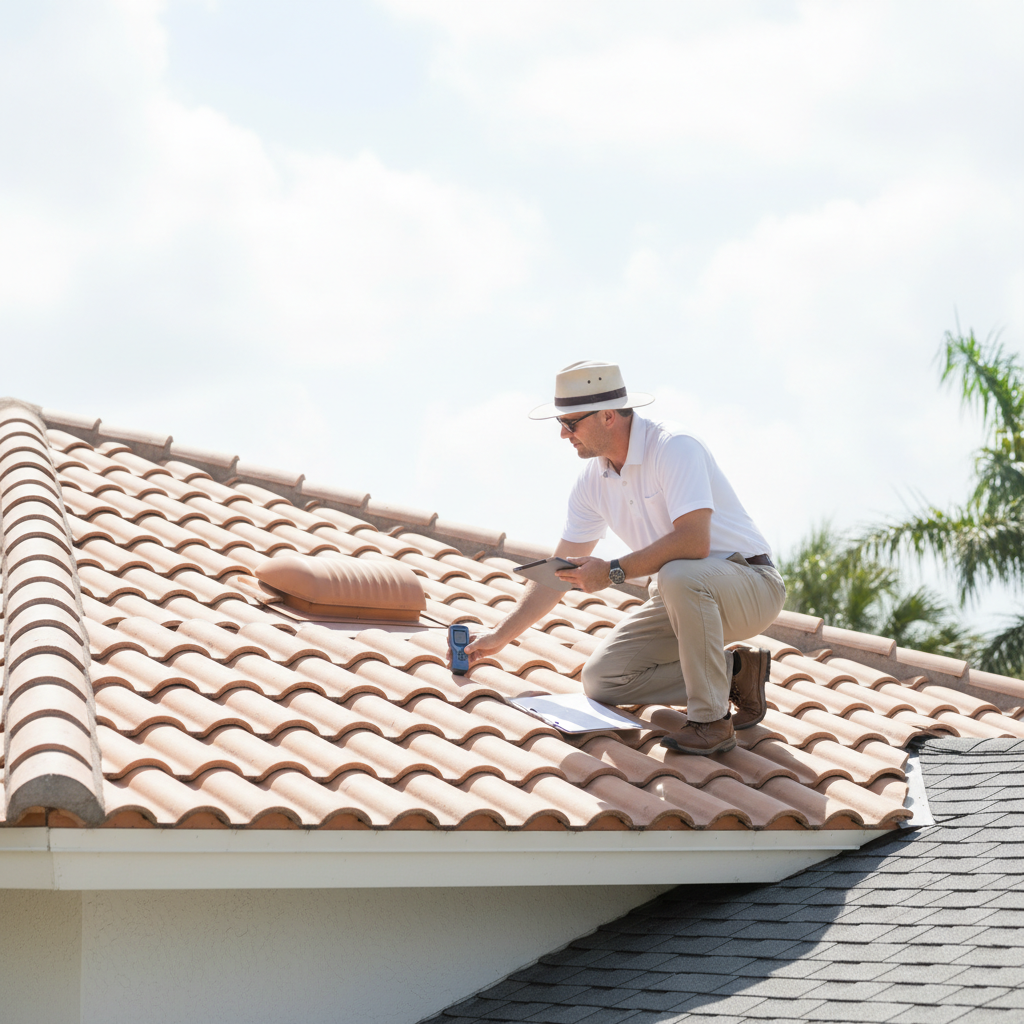
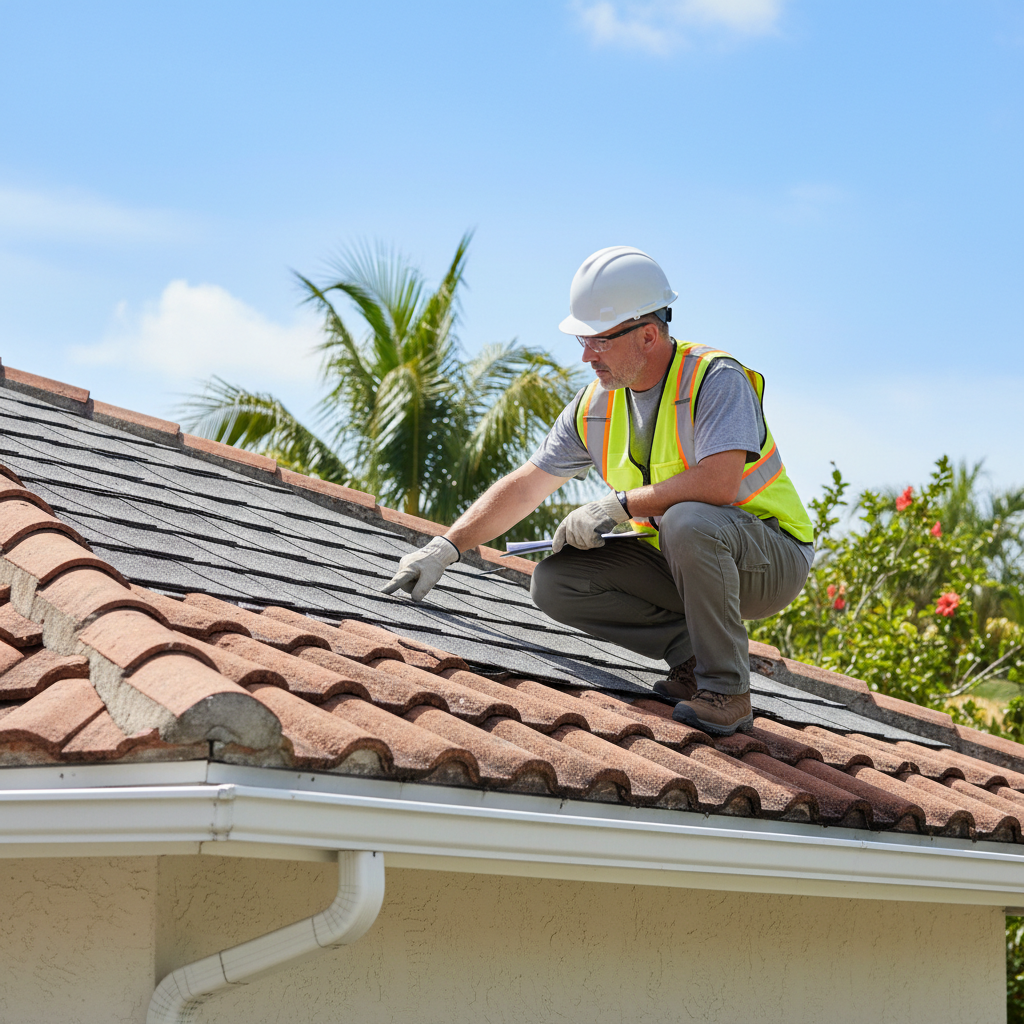
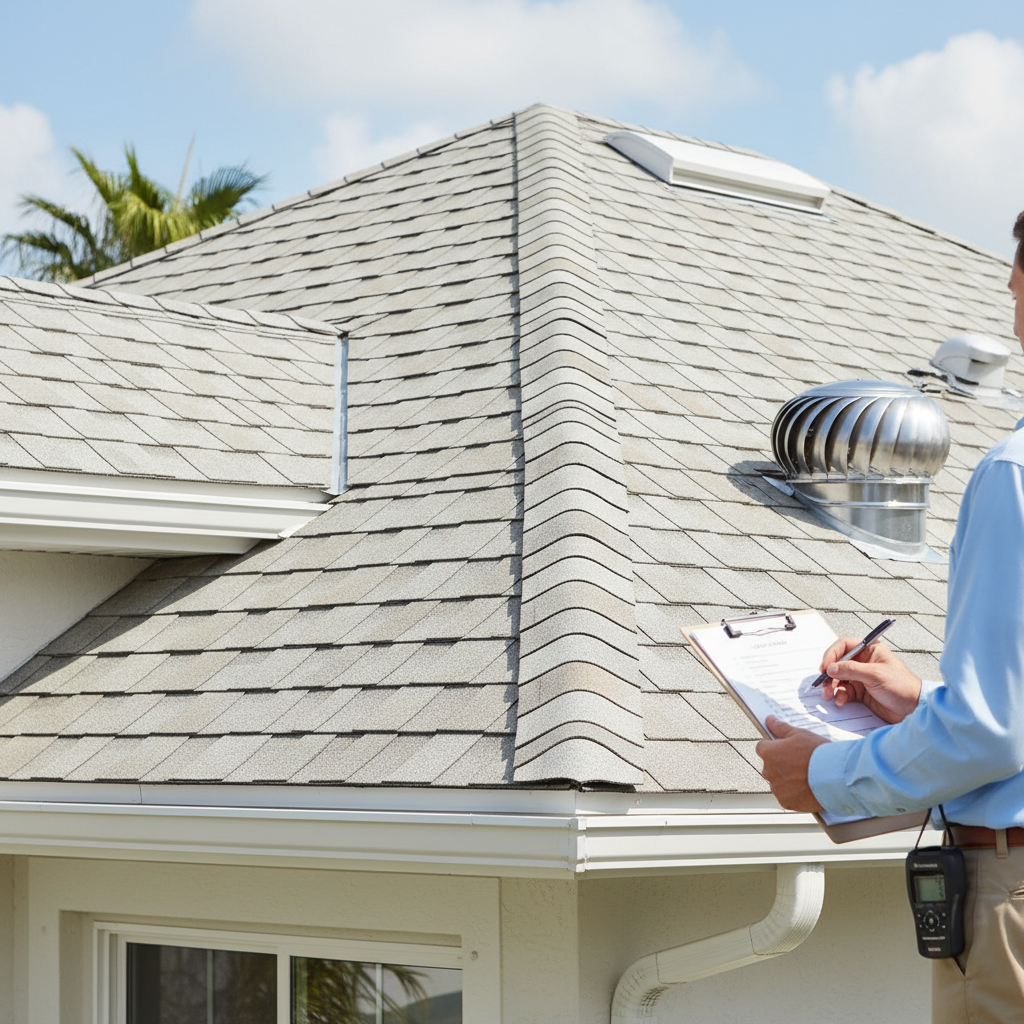
    Your roof can’t protect your home if it’s already vulnerable. Before storm season starts, you should conduct or schedule a thorough inspection to identify weak points.

    Here’s a comprehensive checklist inspired by professional assessments like the one provided by Owens Corning.

    Surface Condition

    Look for visible signs of damage or deterioration. This includes cracked or loose panels, rust spots on metal surfaces, or signs of water pooling. Staining and discoloration may indicate slow leaks or underlayment saturation.

    Fasteners and Connectors

    Check all exposed hardware. Loose or missing fasteners are a red flag—especially on metal roofs where secure attachment is critical. If screws or bolts appear rusted or stripped, they need to be replaced immediately.

    Flashing and Seals

    The flashing around chimneys, vents, and skylights often goes unnoticed until it fails. Inspect these areas for gaps, corrosion, or dried, out sealant. Sealant degrades faster under UV exposure, especially in the Florida sun.

    Underlayment Integrity

    If possible, inspect the condition of your underlayment—the waterproof barrier between your roof panels and roof deck. Tears, mold, or soft spots are serious indicators of water intrusion and potential future leaks.

    The Forgotten Element: Drainage Systems

    While your roofing surface takes center stage, don’t forget about your gutters and downspouts. These systems prevent water from backing up and infiltrating your home at the roof’s edges or foundation.

    According to Sunflo Roofing, poorly maintained gutters contribute significantly to water, related damage during hurricanes. Leaves, sediment, or improperly pitched troughs can stop water from draining efficiently, leading to backups at the roof’s weakest points.

    Make sure all drainage channels are cleared and that fasteners are properly securing gutters to fascia boards. Also check for sagging or misalignment, both of which can cause overflow under heavy rain.

    Roof Penetrations and Equipment: Weak Points You Can’t Ignore

    Any object that breaks the continuity of your roof—vents, skylights, HVAC units—is a potential vulnerability. During a major storm, poorly sealed penetrations can allow wind, driven rain to enter your attic, cause insulation damage, and weaken your home’s structure.

    Pay particular attention to:

      • Vent pipes and exhaust fans 

      • Solar panel mounts or satellite dishes 

      • Roof, mounted HVAC systems 

    Ensure all of these are securely mounted and sealed. Check that storm boots and flashing collars are snug and free from tears or rust.

    Knowing When Repairs Aren’t Enough

    Sometimes, patching problems isn’t the right move—especially if your roof is over 20 years old or has suffered multiple rounds of minor repairs. According to San Carlos Roofing, ongoing patchwork without addressing underlying issues often leads to more costly damage during the next storm.

    If your roof shows signs of soft decking, systemic rust, or structural compromise, replacement may be the safer, more cost, effective option. Florida building code updates also mean older roofs may no longer meet current storm, resistance standards, putting your home (and your insurance policy) at risk.

    How to Get a Professional Storm, Readiness Assessment

    Not sure whether you need a minor repair, major reinforcement, or a full replacement? Many Florida, based contractors now offer storm, readiness audits. These inspections go beyond surface checks to evaluate the integrity of the decking, fasteners, flashing, and underlayment.

    Ask for a written report, complete with photos and recommendations. This documentation can also support insurance claims if damage does occur after a storm.

    Weak Spots That Fail First in a Florida Storm

    When a major storm rolls through Florida, your roof becomes the frontline barrier between your home and disaster. While many homeowners believe their roofs are solid, even small vulnerabilities can turn into catastrophic failures under 120+ mph wind gusts or heavy, sustained rainfall.

    This section uncovers the most common failure points that compromise storm protection—along with insights on how metal roofing and storm, smart design can help you stay protected.

    Wind Uplift and Edge Vulnerabilities

    Wind uplift is one of the most aggressive forces a storm can exert on your roof. It doesn’t just blow from the top—it infiltrates from underneath, especially at roof edges, eaves, and ridge caps. Traditional shingles are particularly prone to being lifted and torn away when wind gets beneath them.

    That’s why modern roofing systems—especially stone, coated metal—feature interlocking panels, concealed fasteners, and hurricane, rated anchoring. According to Kelly Roofing, reinforcing the edges with additional fasteners and installing wind, resistant ridge caps can dramatically improve roof performance under pressure.

    If your current roof lacks these design features, it may be time to consider a storm, resilient upgrade like a roof replacement through a contractor that specializes in Florida’s weather challenges.

    Improper Flashing Installation: Small Detail, Big Risk

    Flashing is a thin layer of metal installed around critical areas such as chimneys, skylights, vent pipes, and roof valleys. It’s designed to redirect water away from vulnerable joints—but if it’s improperly sealed, loosely fitted, or corroded, it creates an ideal pathway for leaks during a storm.

    Metal roofs in particular rely heavily on effective flashing, as water can travel long distances beneath the panels before showing interior signs. High, quality flashing, paired with fresh sealant and professional installation, is one of the easiest ways to prevent structural water damage.

    If you’re unsure about your roof’s flashing integrity, consider reaching out for emergency roof repair before the storm season ramps up.

    Aging Roof Systems and Worn Materials

    Age is one of the most telling factors in a roof’s ability to withstand a storm. Asphalt shingles generally begin to degrade after 15–20 years, while tile systems suffer from broken or dislodged pieces over time. Once those outer layers weaken, water infiltration becomes inevitable.

    In contrast, metal roofing systems are engineered for longevity. Stone, coated and standing seam panels can last 40 to 70 years with proper maintenance—outperforming other materials in both impact and wind resistance.

    If your current roofing system is showing signs of wear, or if you’ve had to patch it more than once in recent years, it’s worth scheduling a full roof inspection and repair before hurricane season begins.

    Drainage Systems: The Overlooked Factor

    Many homeowners forget that an otherwise solid roof can still fail if water doesn’t have a way to escape. Poorly maintained gutters, clogged downspouts, or misaligned valleys can cause water to pool and back up into seams, underlayment, or even into the attic structure.

    Ensuring clear, well, anchored gutters and properly pitched downspouts is critical to keeping the edges of your roof—and the foundation of your home—protected during heavy storms.

    As part of your storm readiness checklist, be sure to clean and test your entire drainage system. For properties with larger roof spans or metal systems that shed water quickly, oversized gutters may also be worth considering.

    Roof Penetrations: HVAC Units, Vents, and More

    Any object that disrupts the flow of your roof—be it a vent pipe, HVAC unit, satellite dish, or solar mounting bracket—is a potential failure point. If the penetrations aren’t tightly sealed or reinforced, wind, driven rain can find its way in fast.

    Inspect each of the following before storm season:

      • Ridge vents and attic ventilation caps 

      • Plumbing stacks and vent boots 

      • Satellite or antenna mounting points 

      • Rooftop AC units or solar arrays 

    Use a licensed contractor to ensure penetrations are flashed and sealed properly, and don’t rely on caulk alone—it breaks down quickly under UV exposure. If your home includes rooftop equipment from a prior build, it may require reinforcement through a new construction roofing specialist.

    Material Breakdown: Which Roof Types Hold Up Best?

    Asphalt Shingles

      • Lifespan: 15–25 years in Florida. 

      • Storm Resistance: Low. Vulnerable to wind uplift, curling, and tearing. 

      • Ideal For: Short, term budgets, mild storm zones. 

    Concrete or Clay Tile

      • Lifespan: 30–50 years. 

      • Storm Resistance: Moderate. Heavy and impact, resistant, but prone to breakage under debris or misaligned installation. 

      • Ideal For: Aesthetic builds in less storm, prone areas. 

    Metal Roofing

      • Lifespan: 40–70 years. 

      • Storm Resistance: High. Tested against wind speeds of 140–160 mph. Interlocking seams and corrosion, resistant coatings enhance long, term durability. 

      • Ideal For: Hurricane zones and homeowners seeking a lifetime roofing system. 

    If you’re weighing a roof replacement or considering upgrading your current materials, metal consistently proves to be the most storm, resilient and cost, effective over time.

    Documentation and Insurance Readiness

    Before a storm hits, documentation is your best line of defense with your insurance provider. Start with:

      • A full set of roof photographs, including close, ups of flashing, penetrations, and any prior repairs. 

      • A written inspection report from a licensed contractor. 

      • Copies of your roofing warranty and maintenance receipts. 

    Having this information on file helps streamline claims processing and avoids disputes about preexisting conditions. If your roof hasn’t been documented recently, now is the time to schedule it.

    Avoiding Post, Storm Scams

    After a storm, roofing scams spike. Many homeowners are approached by “contractors” offering fast repairs or free inspections—only to find that these services are incomplete, overpriced, or worse, never delivered.

    Here’s how to spot the red flags:

      • No proof of license or insurance 

      • High, pressure sales tactics 

      • Out, of, state phone numbers or plates 

      • Demanding payment upfront before work begins 

    Stick with reputable, Florida, based professionals like San Carlos Roofing who have experience with local code compliance, permitting, and storm restoration. Local roofers not only understand the weather patterns—they’re accountable for the quality of their work after the storm passes. 

    After the Storm—Response, Repairs, and Long, Term Protection

    Even the most storm, ready roof can take a hit when a powerful system rolls through Florida. What matters next is how quickly—and how wisely—you respond. This final section breaks down what to do immediately after a storm, how to assess damage safely, and the long, term maintenance strategies that can make all the difference before the next season arrives.

    What To Do Immediately After a Storm

    Stay Safe Before You Inspect

    The first step after a hurricane or tropical storm passes is safety. Downed power lines, unstable debris, or hidden structural damage can make it risky to rush outside. Wait until emergency services give the all, clear before attempting to inspect your property.

    Once it’s safe:

      • Walk the perimeter of your home with a camera or smartphone. 

      • Look for displaced panels, downed gutters, or debris on your roof. 

      • Use binoculars to check for damage from ground level. 

      • Do not climb onto your roof unless you’re a trained professional. 

    If you suspect a major issue—like torn flashing, lifted metal seams, or punctures from flying debris—contact your roofer for a formal inspection and emergency repair as soon as possible. San Carlos Roofing offers trusted, professional roof repair services tailored for post, storm response in Florida communities.

    Inspecting the Interior for Hidden Damage

    Sometimes, the signs of roof damage aren’t obvious from the outside. Be sure to inspect inside your home for indicators like:

      • Ceiling stains or water spots 

      • Moldy smells or sudden humidity increases in the attic 

      • Bubbling paint or warped drywall 

    These are signs that moisture has made its way past the roofing system and into your home. Don’t delay—moisture problems escalate quickly and can lead to extensive interior damage and costly mold remediation.

    Filing Your Insurance Claim the Right Way

    Timing is crucial when filing a storm damage claim. Florida insurers are fielding thousands of calls after major storms, and delays in your paperwork can mean longer wait times—or denied coverage.

    Here’s how to streamline your claim:

      1. Document everything. Submit photos of the damage, pre, storm photos (if available), and any repair invoices or inspection reports. 

      1. Schedule a professional inspection. A contractor’s assessment carries weight with insurance adjusters and helps validate your claim. 

      1. Don’t sign over control. Some storm, chasing contractors may pressure you into signing an “Assignment of Benefits” (AOB). This gives them control of the claim process and may result in inflated costs or disputes. 

    Choose a reputable, licensed contractor like San Carlos Roofing to handle inspections and documentation. Local contractors understand Florida’s unique insurance regulations and are invested in long, term relationships with their clients—not quick cash.

    Routine Roof Maintenance: Your Best Long, Term Strategy

    Think of roof maintenance like a tune, up for your car. It may not seem urgent until something goes wrong—but by then, the costs can be steep.

    Scheduling annual or semi, annual inspections is one of the most effective ways to:

      • Catch minor issues before they become expensive repairs 

      • Extend the lifespan of your roofing system 

      • Ensure compliance with warranty and insurance requirements 

      • Maintain energy efficiency and interior comfort 

    At minimum, every Florida homeowner should:

      • Clear gutters and downspouts at least twice per year 

      • Check flashing and sealants for wear 

      • Inspect fasteners and anchors, especially after storms 

      • Verify that all rooftop equipment is securely attached 

    If you’re installing a new system or renovating a storm, damaged property, prioritize working with a contractor experienced in new construction roofing. Proper installation is the foundation of a storm, ready roof.

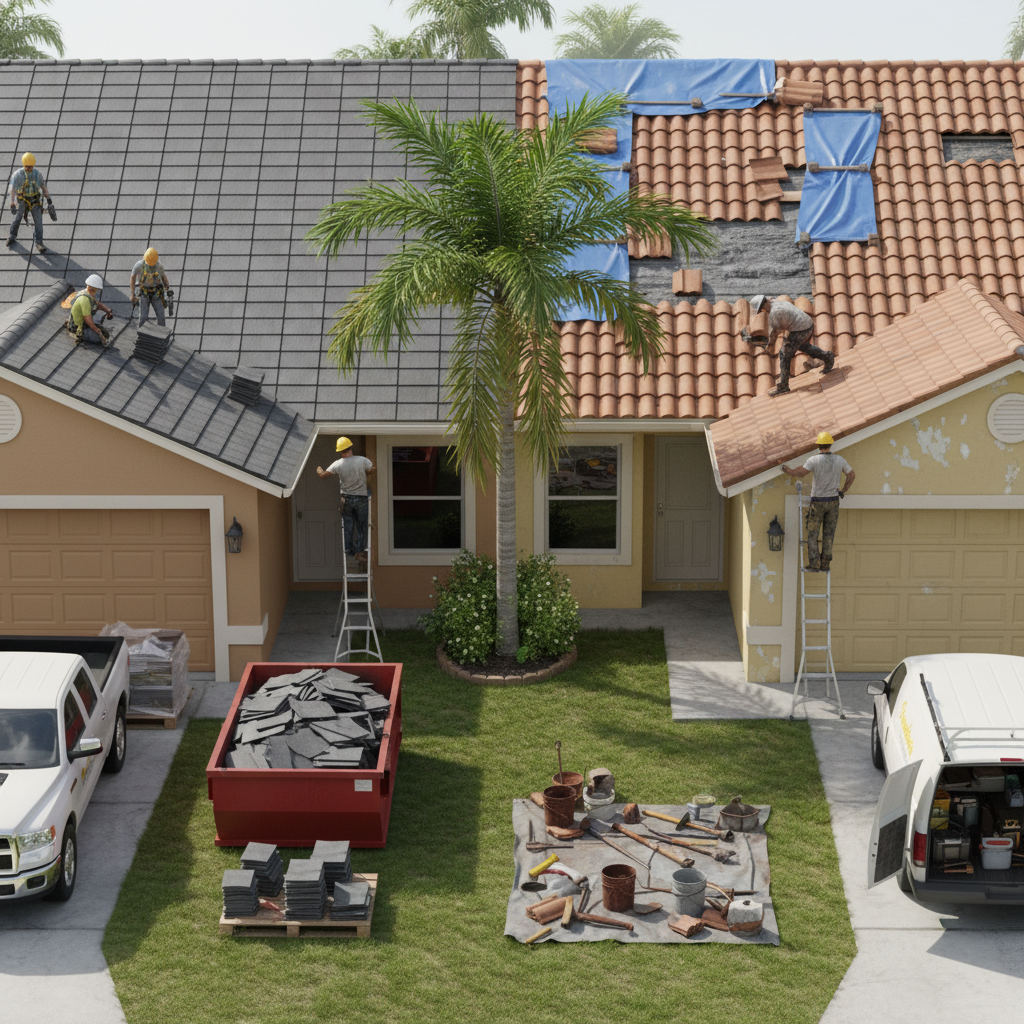
    Post, Storm Roof Replacement: When Repairs Aren’t Enough

    Sometimes the damage is too widespread for simple patching or minor reinforcement. If your roof is more than 20 years old, or if you’ve had multiple repairs in the past five years, replacement may be the safer and more cost, effective choice.

    Common signs that indicate replacement is necessary:

      • Major structural damage or compromised decking 

      • Multiple leaks throughout different parts of the home 

      • Roof no longer meets current Florida building codes 

      • Significant damage to underlayment or fastener systems 

    A full roof replacement with hurricane, rated materials, like metal or stone, coated steel, ensures your home is protected by a modern system built to withstand Florida’s most extreme conditions. It also adds long, term resale value and peace of mind during future storm seasons.

    Storm, Ready Roofing: Key Takeaways for Florida Homeowners

    Let’s recap the most critical essentials for preparing your roof before the next storm:

    ✔ Schedule a professional inspection before hurricane season

    An expert can identify potential weaknesses before they become expensive failures.

    ✔ Address flashing, fasteners, and drainage systems

    Small fixes can prevent major damage when winds and rain intensify.

    ✔ Upgrade materials where needed

    Metal roofing continues to outperform all others for storm resistance and longevity.

    ✔ Keep documentation and photos on hand

    Having proof of your roof’s pre, storm condition helps insurance claims go smoothly.

    ✔ Work with local experts

    Companies like San Carlos Roofing bring localized knowledge, Florida code compliance, and dependable service to every job.

    Your Roof Is Only Storm, Ready If You Are

    Florida’s weather is as beautiful as it is unpredictable. A bright morning can turn into a full, blown hurricane warning by nightfall. That’s why taking proactive steps to prepare your roof isn’t just a smart idea—it’s essential for protecting your home, your family, and your investment.

    Don’t wait for storm clouds to gather. Schedule your inspection, address those repairs, and if it’s time, invest in a roofing system designed to go the distance. Because when the next storm comes—and it will—you’ll want to know with absolute certainty: your roof is ready.

  • How to File an Insurance Claim for Roof Damage: 3 Critical Steps

    How to File an Insurance Claim for Roof Damage: 3 Critical Steps

    Roof damage can be a huge headache for any homeowner. Whether it’s from a storm, fallen trees, or just wear and tear over time, the costs of repairs can really add up. But here’s the good news: if you have homeowner’s insurance, you may be able to get some financial relief by filing a claim. That said, navigating the insurance claims process can be tricky—especially with stricter policies and rising premiums.

    So, if you ever find yourself dealing with roof damage, here’s a simple guide on how to file an insurance claim and avoid common mistakes that could cost you time and money.

    Step 1: Assess the Damage and Act Quickly

    The first thing you need to do after you notice roof damage is to act fast. The longer you wait, the worse the damage could get—and the harder it might be to get a fair payout from your insurance company. Trust me, I’ve been there, and waiting only makes everything worse.

    What to Do Immediately After Roof Damage

    • Ensure Safety First: If the damage is severe, don’t risk climbing up to inspect the roof yourself. It’s best to check from the ground or take a look in your attic to see if there’s any water damage.
    • Take Photos and Videos: Documenting the damage is super important. Make sure to capture clear, detailed pictures and videos from multiple angles. Don’t skimp here—insurance companies often rely heavily on photos for claims. After my own claim.
    • Check for Leaks: If water is coming into your home, it’s crucial to stop it from spreading. A tarp over the damaged area can help protect your interior while you wait for the insurance process to kick in.
    • Review Your Policy: Take a few minutes to review your insurance policy. This might seem boring, but it’s important to understand what’s covered and what’s not. For example, some policies exclude things like wear and tear or lack of maintenance

    Step 2: Contact Your Insurance Company

    Once you’ve assessed the damage and taken photos, it’s time to contact your insurance company. Don’t wait too long—it’s always better to file sooner rather than later. The sooner they can get their adjuster out there, the quicker the process will move.

    What to Expect When Filing a Claim

    • Provide the Details: You’ll need to give your insurance company all the basic details about the damage. This includes when it happened, what caused it (e.g., a storm or a fallen tree), and how extensive the damage is.
    • Get a Claim Number: Once your claim is filed, the insurance company will assign you a claim number. This will help track your case as it moves forward. Keep that number handy because you’ll need it anytime you call for updates or information.
    • Temporary Repairs Might Be Needed: Some policies require you to make temporary repairs to prevent further damage. This might include things like putting a tarp on your roof or sealing up leaks. Don’t forget to keep receipts for any temporary repairs, as they might be reimbursed.

    Step 3: Get a Professional Roof Inspection

    While your insurance company will send an adjuster to inspect the damage, it’s a good idea to hire a roofing contractor to do their own inspection.

    Choosing the Right Roofing Contractor

    • Look for Insurance Experience: It’s best to hire a roofer who has experience working with insurance claims. They’ll know exactly what to look for and how to handle the process.
    • Get a Written Estimate: Your roofing contractor should provide you with a detailed, written estimate that outlines the extent of the damage, the cost of repairs, and the estimated time for completion.
    • Beware of “Storm Chasers”: After major storms, unlicensed contractors sometimes flood the area, offering quick fixes at low prices. Be cautious—these storm chasers can cause more harm than good. It’s better to go with a trusted, licensed roofer who will follow all the necessary codes and regulations.

    Step 4: Work with the Insurance Adjuster

    Now, the fun part: dealing with the insurance adjuster. While the adjuster’s job is to assess the damage and decide how much the insurance company will pay, they work for the insurer—not you. This means they may try to offer you less than you deserve.

    How to Ensure a Fair Assessment

    • Be Present for the Inspection: If you can, be there when the insurance adjuster comes to assess the damage. It’s a good idea to have your roofing contractor with you too. They can point out things the adjuster might miss.
    • Compare Estimates: If the adjuster’s estimate is lower than your contractor’s, don’t be afraid to push back. You have the right to negotiate.
    • Request a Reinspection: If your claim gets denied or you feel the payout is too low, you can request a second inspection. It’s not uncommon for adjusters to miss some damage, and a second look can make all the difference.

    Common Challenges Homeowners Face When Filing Roof Damage Claims

    Filing a roof damage claim isn’t always straightforward. Here are some common challenges we’ve seen—and experienced myself:

    Increased Claim Denials

    Many homeowners face denied claims, especially as insurance companies tighten their policies. This is often because of the rising costs of storms and natural disasters. If your claim gets denied, don’t panic. Just make sure you have a detailed contractor report, lots of photos, and a good explanation to back up your claim.

    Higher Deductibles

    Some insurance policies now have higher deductibles for roof damage caused by storms, wind, or hail. These deductibles are often 2% to 5% of the value of your home, which can add up quickly. Check your policy before you file so you’re prepared for these costs.

    Delays in Payouts

    If you’re in an area hit by a major storm, be prepared for delays. Insurance companies often get overwhelmed with claims and can take longer to process them. Keep track of your communication with your insurer, and don’t hesitate to follow up if things seem to be moving too slowly.

    Overcoming Insurance Claim Challenges

    • Know Your Policy: Always review your policy before you file a claim. Make sure you understand your deductible and what’s covered.
    • Document Everything: Take photos and videos of the damage and keep notes of all communications with your insurance company.
    • Negotiate: If you feel your settlement offer is too low, don’t be afraid to negotiate. Use estimates from your roofer to back up your case.
    • Consider a Public Adjuster: If your claim is denied or you’re getting a low settlement, a public adjuster can help you fight for a better payout.

    Final Thoughts: Be Prepared Before You Need to File a Claim

    Filing an insurance claim for roof damage doesn’t have to be a nightmare if you’re prepared. Keep these tips in mind:

    • Review your policy every year.
    • Schedule regular roof inspections to catch small issues before they turn into big ones.
    • Work with a trusted contractor who can help you through the claims process.

    If you’re dealing with roof damage, don’t hesitate to reach out for help. At San Carlos Roofing, we’re here to provide expert inspections and guide you through the claims process. Contact us today!

  • 10 Considerations Before Choosing A Reliable Roofing Contractor.

    San Carlos Roofing has the equipment and experience to repair, replace, or install a new roof.

    Selecting the right roofing contractor is critical to ensure your roofing project is completed professionally, on time, and within budget. A reliable contractor provides quality work, transparency, and peace of mind. San Carlos Roofing offers a step-by-step guide to choosing the best contractor for your roofing needs:

    Research and Referrals

    • Ask for Recommendations: Talk to friends, family, and neighbors who have had roofing work done recently. Personal referrals are often the most trustworthy.
    • Check Online Reviews: Look at Google, Yelp, and Better Business Bureau (BBB) ratings to gauge customer satisfaction and identify potential red flags.
    • Verify Local Experience: Choose a contractor with a proven track record in your area, as they’ll understand local weather conditions and building codes.

    Verify Credentials

    • Licensing and Insurance: Ensure the contractor is licensed in your state and has both liability insurance and workers’ compensation coverage to protect you from potential risks. Don’t be shy about asking for proof. If in doubt call the state and verify.
    • Certifications: Look for certifications from reputable manufacturers (e.g., GAF, Owens Corning, CertainTeed), indicating the contractor meets high standards for installation.
    • Membership in Professional Organizations: Affiliations with groups like the National Roofing Contractors Association (NRCA) demonstrate a commitment to industry standards.

    Request Multiple Quotes

    • Compare Estimates: Obtain at least three written estimates to compare pricing, materials, timelines, and warranties.
    • Beware of Low Bids: Extremely low bids can indicate subpar materials or a lack of experience. Choose value over the cheapest option.

    Assess Communication and Transparency

    • Responsiveness: Reliable contractors respond promptly to inquiries and provide clear, detailed information.
    • Written Agreement: Insist on a detailed contract outlining project scope, materials, costs, and timelines.
    • Explanation of Processes: A trustworthy contractor will walk you through the project plan and answer your questions without hesitation.

    Check References and Past Work

    • Request References: Ask for contact details of past clients and follow up to learn about their experience.
    • Inspect Previous Work: If possible, visit completed projects or check photos to evaluate the quality of workmanship. If they get evasive about giving up addresses of previous work, it’s best to walk away.
    • Older Permits: If all else fails you can contact the permit office to ask how many, if any, permits the company in questions has pulled in the past 12 months.

    Look for Warranties

    • Material Warranty: Ensure the roofing materials come with a manufacturer’s warranty for defects.
    • Workmanship Warranty: Reliable contractors offer guarantees for their installation work, often ranging from 1–10 years.


    Ensure Safety Standards

    • Proper Training: Confirm the crew has safety training and certifications, such as OSHA compliance.
    • Clean-Up Plan: Ask about procedures for cleaning up debris and protecting your property during and after the project. This is one of those aspects of the job that gets overlooked or simply ignored. Stepping on a discarded roofing nail is guaranteed to be a bad day. Worst of all, you could get sued if somebody comes onto your property and impales their foot on a roofing nail a careless roofing company left behind.

    Watch for Warning Signs

    • No Physical Address: Avoid contractors without a local office or permanent address.
    • Storm Chasers: Be cautious of contractors who show up after storms offering quick fixes or demanding full payment upfront. This is especially problematic in areas such as Southwest Florida due to the recent hurricanes and strong storms.
    • Pressure Tactics: Reliable contractors won’t pressure you into signing contracts or making hasty decisions.

    Payment Terms

    • Reasonable Down Payment: A typical down payment is 10–30% of the total cost. Avoid contractors who demand full payment upfront. If someone asks for more be cautious about it and demand more information.
    • Payment Milestones: Agree on a schedule for payments based on project milestones.

    Trust Your Instincts

    If something feels off during your interactions with a contractor, trust your gut and keep looking. A reliable contractor should be professional, courteous, and transparent throughout the process.

    Choosing a reliable roofing contractor requires research, careful evaluation, and clear communication. By following these steps, you can avoid common pitfalls and ensure your roofing project is in good hands, protecting your home and investment for years to come.

  • Choosing Your Roofing Material? Better Answer These 8 Questions.

    Image of a San Carlos Roofing professional installer laying down asphalt shingles on a roof in SW Florida

    Choosing the right roofing material for your home depends on several factors, such as climate, budget, aesthetics, and durability. San Carlos Roofing offers a guide to help you decide:

    1. What Kind Of Climate Are You In?

    Different roofing materials perform better in certain climates:

    • Asphalt Shingles: Affordable and durable, they perform well in moderate climates.
    • Metal Roofing: Ideal for areas with heavy rainfall, snow, or high winds. It’s also energy-efficient in hot climates as it reflects heat.
    • Clay or Concrete Tiles: Great for hot, sunny climates, offering excellent heat resistance.
    • Slate: Perfect for areas with freezing temperatures as it’s highly resistant to harsh weather.
    • Wood Shingles/Shakes: Suitable for dry climates but not recommended for regions with heavy rain or fire hazards.

    2. What Aesthetics and Architectural Styles Are You Considering?

    Your roof should complement the style of your home:

    • Asphalt Shingles: Available in a variety of colors and styles, fitting most traditional homes.
    • Clay/Concrete Tiles: Best suited for Mediterranean, Spanish, or Southwestern-style homes.
    • Slate: Adds a timeless, elegant look, suitable for historic or luxury homes.
    • Metal Roofing: Modern and sleek, often seen on contemporary or rural homes.
    • Wood Shakes: Offers a rustic, natural appearance for cottages or cabins.

    3. Are Durability and Lifespan An Issue?

    • Asphalt Shingles: Typically last 20-30 years.
    • Metal Roofing: Can last 40-70 years with proper care.
    • Clay/Concrete Tiles: Extremely durable, lasting over 50 years.
    • Slate: One of the most durable options, with a lifespan of up to 100 years.
    • Wood Shakes: Last 20-40 years, but require regular maintenance.

    4. Is Energy Efficiency Important?

    • Metal Roofing: Reflects heat and helps reduce energy costs in warm climates.
    • Clay/Concrete Tiles: Naturally insulating, reducing energy consumption.
    • Asphalt Shingles: Less energy-efficient but can be paired with reflective coatings.

    5. Realistically, What’s Your Budget?

    Costs vary depending on the material:

    • Asphalt Shingles: Most affordable option.
    • Metal Roofing: More expensive upfront but offers long-term savings in energy and maintenance.
    • Clay/Concrete Tiles: Moderately expensive but long-lasting.
    • Slate: One of the most expensive materials but highly durable.
    • Wood Shakes: Price can vary but typically falls between asphalt and metal roofing.

    6. Do Maintenance Requirements Matter?

    • Asphalt Shingles: Minimal maintenance.
    • Metal Roofing: Low maintenance, but occasional inspections are recommended.
    • Clay/Concrete Tiles: Very low maintenance but may require occasional tile replacement.
    • Slate: Requires professional maintenance due to its weight and specialized installation.
    • Wood Shakes: Requires regular cleaning and treatment to prevent mold, rot, or pests.

    7. Are You Familiar With Local Building Codes?

    Check with your local building authority for regulations or restrictions on certain roofing materials. Some materials may require additional structural support, like slate or clay tiles, due to their weight.

    8. Environmental Impact Matters. Is It A Priority For You?

    If sustainability is a concern:

    • Metal Roofing: Often made from recycled materials and is fully recyclable.
    • Slate and Clay/Concrete Tiles: Natural materials with low environmental impact.
    • Asphalt Shingles: Typically, less eco-friendly, though some options use recycled content.

    Evaluate your home’s architectural style, climate, and budget when choosing roofing materials. Durability, maintenance, and energy efficiency are key factors to consider, and consulting a roofing professional can help ensure you make the best choice for your home. San Carlos Roofing has over 30 years of local experience helping home and business owners alike make the right decision when it comes time to select the right roofing material for the job.

  • 7 Common Roofing Scams and How to Avoid Them

    Don't wait for roof repairs in Southwest Florida. Call San Carlos Roofing today to schedule a roof inspection.

    Roof repairs and replacements are significant investments, making them a prime target for scammers. Unfortunately, roofing scams can leave homeowners with shoddy workmanship, incomplete projects, or financial losses. To protect yourself from these fraudulent tactics, it’s important to know the common roofing scams and how to avoid them. San Carlos Roofing offers what to watch out for and how to ensure you’re dealing with a legitimate roofing contractor.

    The “Storm Chaser” Scam

    Storm chasers are unscrupulous contractors who show up after a major storm, offering quick repairs to homeowners who may have sustained damage. They often go door-to-door, claiming they’ve noticed damage to your roof and can fix it at a reduced rate or through your insurance.

     Red Flags:

    – The contractor pressures you to sign a contract immediately.

    – They offer a “limited-time” discount or say they are “working in the area.”

    – They claim to have leftover materials from another job and offer a discounted rate.

    – The contractor wants to begin work before an insurance adjuster inspects the roof.

     How to Avoid It:

    – Never agree to work with a contractor who shows up unannounced. Take your time to research roofing companies and check their credentials.

    – Call your insurance company and arrange for an adjuster to inspect your roof before committing to any repairs.

    – Ask for references and review their past work to ensure they’re legitimate.

    Upfront Payment Scam

    In this scam, a roofer will ask for a large upfront payment before starting the job. Once they receive the money, they may disappear, or worse, they’ll complete the job with subpar materials and leave you to deal with any future issues.

     Red Flags:

    – The contractor asks for a substantial deposit or full payment before starting work.

    – They offer an unusually low price that seems too good to be true.

    – They are unwilling to provide a written contract or detailed estimate.

     How to Avoid It:

    – Always get a detailed contract that outlines payment schedules. Legitimate contractors typically require a small deposit upfront (no more than 10-30%), with the remaining balance paid after the job is completed to your satisfaction.

    – Be cautious of any contractor who insists on full payment before any work begins.

    – Use a credit card for deposits and payments, when possible, as this offers more protection than paying in cash.

    Insurance Fraud Scam

    Some contractors may suggest committing insurance fraud to get a new roof at little to no cost. They might advise inflating the cost of repairs or replacing a roof that doesn’t need replacement, then pocket the difference between the insurance payout and the actual cost of the work. Engaging in such a scam can result in serious legal consequences for both the contractor and the homeowner.

     Red Flags:

    – The contractor offers to waive your insurance deductible or says they can work the numbers to make the insurance company cover more than they should.

    – They encourage you to file a claim for damage that doesn’t exist or is minor.

    – They offer to handle your entire insurance claim without your involvement

     How to Avoid It:

    – Only work with contractors who follow ethical practices and operate transparently.

    – Always be directly involved with your insurance company and adjuster throughout the claim process.

    – Understand that attempting to commit insurance fraud is illegal and could result in fines or criminal charges.

    The “Low-Ball” Estimate Scam

    Some roofing scammers will offer a very low estimate to win your business, only to add on unexpected costs or cut corners during the job. This can result in poor-quality work, unfinished projects, or costly repairs down the road.

     Red Flags:

    – The initial quote is significantly lower than other estimates.

    – The contractor isn’t clear about what is included in the price or avoids providing a detailed written estimate.

    – They suggest vague, unverified problems with your roof that need urgent attention.

     How to Avoid It:

    – Get multiple quotes from reputable roofing contractors to compare prices.

    – Be wary of estimates that seem too good to be true—quality materials and skilled labor come at a cost.

    – Request a detailed breakdown of all costs in writing, and make sure the scope of work is clearly defined before the project begins.

    Unlicensed or Uninsured Contractors

    Some scammers pose as legitimate contractors but lack the proper licenses, insurance, or certifications to perform roofing work. If something goes wrong during the project or after, you may be left with no recourse for repairs or compensation

     Red Flags:

    – The contractor refuses to provide proof of licensing or insurance.

    – They avoid signing a contract or providing written guarantees on their work.

    – The contractor seems inexperienced or lacks a professional presence (e.g., no website, no reviews, no company vehicle or branding).

     How to Avoid It:

    – Always verify the contractor’s license and insurance. You can check with your local licensing board to ensure they are legitimate.

    – Request proof of liability insurance and workers’ compensation coverage before any work begins.

    – Make sure the contractor provides a written contract that includes guarantees or warranties for their work.

    Inflated Damage Claims

    In this scam, a roofer may exaggerate the extent of the damage to your roof in order to charge more for unnecessary repairs or replacements. They may even show you staged photos or fabricated evidence to justify the extra costs.

     Red Flags:

    – The contractor insists there is severe damage, but you haven’t noticed any visible issues.

    – They refuse to explain the damage in detail or show you the specific problem areas.

    – They suggest replacing the entire roof when minor repairs suffice.

     How to Avoid It:

    – Get a second opinion from another roofing contractor or an independent inspector before agreeing to major repairs.

    – Ask the contractor to walk you through the specific areas of damage and explain why the work is necessary.

    – Be cautious of contractors who pressure you to replace your roof prematurely.

    “Free Roof” Scams

    This scam targets homeowners by claiming they are eligible for a “free roof” due to supposed storm damage. The scammer will encourage you to file a fraudulent insurance claim, promising to handle everything on your behalf. In reality, this often leads to denied claims or shoddy work, leaving you responsible for the costs.

     Red Flags:

    – The contractor promises a “free” roof or implies that you can get a new roof without any out-of-pocket costs.

    – They pressure you into signing an agreement that allows them to work directly with your insurance company without your involvement.

    – They recommend filing a claim even when no damage is apparent.

     How to Avoid It:

    – Be cautious of any contractor who promises something for “free,” as this is rarely the case.

    – Contact your insurance company directly to verify any claims or offers.

    – Always inspect your roof for legitimate damage before agreeing to file an insurance claim.

    Roofing scams can be costly and stressful, but by knowing the warning signs and taking precautions, you can protect yourself and your home. San Carlos Roofing suggests to always research contractors, verify their credentials, and avoid rushing into agreements without proper documentation. By staying informed, you can ensure your roofing project is completed by a trustworthy professional, saving you from potential headaches and financial losses down the road. Source : National Insurance Crime Bureau “Roofing fraud requires vigilance

  • 3 Innovative Roofing Technologies for Modern Homes

    Innovative new roofing tiles being installed on a Naples, Fort Myers, or Bonita Springs Home.

    The roofing industry has evolved significantly in recent years, with cutting-edge materials and smart technologies transforming the way homeowners protect and enhance their properties. Modern roofing solutions not only improve durability but also enhance energy efficiency and environmental sustainability.

    If you’re considering upgrading your roof, it’s worth exploring innovative roofing technologies like solar-integrated shingles, cool roofs, and green roofing systems. These advancements can lower energy bills, reduce carbon footprints, and increase home value. San Carlos Roofing takes a look at the three technologies gaining more prominence these days.

    1.    Solar-Integrated Shingles: The Future of Renewable Energy

    What Are Solar Shingles?

    Unlike traditional solar panels that are mounted onto a roof, solar shingles (also known as photovoltaic shingles) are built directly into the roofing material. They function as both a protective roof covering and a renewable energy source, blending seamlessly with traditional shingles for a sleek, modern look.

    Benefits of Solar Roofing:

    • Lower Energy Bills – Solar shingles generate electricity for your home, reducing reliance on the grid.
    •  Aesthetic Appeal – Unlike bulky solar panels, these shingles maintain a clean, natural roofline.
    • Durability & Longevity – Many solar shingle systems last 25+ years, offering both weather protection and power generation.
    • Tax Incentives & Rebates – Many states, including Florida, offer tax credits and incentives for installing solar roofs.

    Is It Worth It?

    Solar shingles are ideal for homeowners who want renewable energy but dislike the look of traditional solar panels. They’re a higher upfront investment but pay for themselves over time through energy savings and incentives.

    2.    Cool Roofs: Reflective Technology to Reduce Heat Absorption

    What Is a Cool Roof?

    A cool roof is designed to reflect more sunlight and absorb less heat than a standard roof. These roofs use special coatings, light-colored materials, and reflective tiles to keep homes cooler in hot climates like Fort Myers, Bonita Springs, Naples and Marco Island, Florida.

    Key Benefits:

     Lower Indoor Temperatures – Reduces roof surface temperatures by up to 50°F, keeping the home cooler.
     Energy Savings – Less heat absorption means lower air conditioning costs, especially in warm climates.
     Extended Roof Life – Reduces heat-related wear and tear, helping roofs last longer.
     Eco-Friendly – By lowering cooling demand, cool roofs reduce greenhouse gas emissions.

    Best Cool Roofing Materials:

    • Reflective metal roofing
    • White or light-colored shingles
    • Elastomeric roof coatings (painted-on coatings that reflect sunlight)
    • Tile and clay roofing (naturally heat-resistant materials)

    Who Should Consider a Cool Roof?
    If you live in a hot, sunny climate like Florida, a cool roof can significantly reduce energy costs and improve indoor comfort. They are especially beneficial for large homes, businesses, and properties with high cooling expenses.

    3.    Green Roofing Systems: Bringing Nature to Your Rooftop

    What Is a Green Roof?

    A green roof (also called a living roof) is covered with vegetation, soil, and a waterproofing system. These eco-friendly roofs absorb rainwater, improve insulation, and reduce urban heat buildup.

    Advantages of Green Roofing:

     Natural Insulation – Green roofs absorb heat in summer and retain warmth in winter, reducing energy use.
     Stormwater Management – Plants absorb rainwater, reducing flooding and runoff.
     Improved Air Quality – Greenery helps filter pollutants and reduce carbon dioxide.
     Biodiversity & Aesthetics – Supports local wildlife and adds visual appeal to urban areas.

    Green Roofs in Florida: Are They Practical?

    In warm, humid climates like Naples and Marco Island, green roofs require drought-resistant plants and proper drainage systems. They’re an excellent choice for commercial buildings, luxury homes, and eco-conscious homeowners who want to improve sustainability.

    Choosing the Right Roofing Technology for Your Home

    When selecting a modern roofing system, consider:

     Local Climate – Is your area hot, humid, or prone to storms?
     Energy Efficiency Goals – Do you want lower cooling bills or renewable energy generation?
     Budget & Incentives – Are there rebates or tax credits available for your chosen roofing technology?

    Final Thoughts: The Future of Roofing Is Here

    Investing in innovative roofing technologies is a smart move for any homeowner looking to enhance energy efficiency, sustainability, and durability. Whether you choose solar-integrated shingles, a cool roof, or a green roofing system, you’ll enjoy lower energy costs, increased home value, and a reduced environmental footprint.

    Thinking of upgrading your roof? Contact San Carlos today for expert guidance on the best modern roofing solution for your home!

  • How Does Florida’s Humidity Accelerate Roof Damage And When Should You Act?

    Florida’s Moisture Challenge

    Florida’s tropical climate is beautiful, but its relentless humidity is a constant test for residential roofs. Warm, moisture-laden air seeps into every gap, creating perfect conditions for material fatigue, mold growth, and corrosion. Over time, the combination of heat and humidity accelerates roof deterioration far faster than in drier regions, leaving homeowners with higher maintenance costs and shorter roof lifespans.

    Image of a humidity damaged roof in Southwest Florida

    How Humidity Breaks Down Roofing Materials

    High humidity causes roofing materials to expand and contract more frequently. This daily movement stresses shingles, underlayment, and flashing. Sealants dry out or lose elasticity, allowing water to infiltrate. Persistent moisture also promotes metal corrosion, weakening fasteners and flashing. According to Reimagine Roofing, these conditions can shorten a roof’s service life by years if left unchecked.

    Condensation: The Silent Enemy

    Warm, humid air meeting a cooler attic surface creates condensation, especially when ventilation is poor. Condensation drips onto wood decking, encouraging rot and a spongy feel underfoot. Over time, this hidden moisture undermines structural integrity and can lead to costly repairs.

    Biological Growth and Staining

    Florida’s roofs are magnets for algae, mildew, and mold, which thrive in persistent dampness. Dark streaks, musty odors, and slippery surfaces are common signs. Beyond aesthetics, these organisms eat away at shingles and underlayment, speeding up degradation and reducing the roof’s ability to shed water efficiently.

    Materials Most at Risk

    Some components simply fare worse in humid climates:

    • Wood decking and trim swell and rot without proper sealing.
    • Asphalt shingles lose granules and develop blisters.
    • Metal flashing and fasteners rust and weaken.
    • Neoprene seals harden and crack, creating gaps where water can enter.

    These vulnerabilities highlight the need for targeted maintenance and the use of moisture-resistant materials.

    Early Warning Signs of Humidity Damage

    Homeowners should watch for:

    • Shingle curling or blistering
    • Rust streaks on flashing or gutters
    • Soft or spongy areas on decking
    • Musty smells in the attic
    • Granule loss in gutters

    Catching these indicators early can mean the difference between a simple repair and a full roof replacement.

    Seasonal Stress: Summer Peaks

    Florida’s summer rainy season magnifies humidity’s effects. Afternoon storms and high dew points keep moisture levels elevated around the clock. Without vigilant upkeep, minor roof weaknesses quickly turn into leaks or structural rot by the end of the season.

    The Importance of Ventilation

    Proper ventilation is a first line of defense. Balanced intake and exhaust systems allow moisture to escape from attics, preventing condensation and heat buildup. The U.S. Fire Administration notes that adequate attic ventilation also lowers energy costs and reduces the risk of structural decay.

    Partnering With Local Experts

    Working with experienced Florida roofers ensures the right materials and preventive strategies. Professionals like San Carlos Roofing understand the unique challenges posed by high humidity and can recommend ventilation upgrades, sealant options, and regular maintenance schedules tailored to the Gulf Coast climate.

    Schedule Consistent Inspections

    Florida’s moisture-heavy climate demands a stricter inspection routine than many homeowners realize. A professional roof check at least twice a year—ideally before and after the rainy season—can catch problems like lifted shingles, cracked seals, or early wood rot. Even small gaps invite moisture and quickly become expensive structural repairs.

    Address Minor Repairs Right Away

    Humidity-related damage escalates fast. A single loose shingle or small flashing crack can allow water to seep in and saturate the underlayment. Roofers consistently stress that immediate action saves thousands in future repairs. Postponing a $200 sealant job often leads to a multi-thousand-dollar roof replacement.

    Ventilation: Your First Line of Defense

    Proper ventilation lowers attic humidity and helps prevent condensation from forming on rafters and decking. Balanced intake and exhaust vents allow moist air to escape, which keeps the roof structure dry. If your attic feels stuffy or damp, a ventilation upgrade may be overdue. This relatively simple improvement pays for itself in extended roof life and reduced energy costs.

    Cleaning and Debris Removal

    Leaves, branches, and algae build-up trap moisture against the roof surface. Regularly clearing debris from shingles and gutters is critical, especially after summer storms. Keeping pathways clear ensures water drains correctly and reduces opportunities for mold and mildew to take hold.

    Choosing Moisture-Resistant Materials

    If your roof is due for replacement, ask your contractor about materials engineered for humid climates. Metal roofing with anti-corrosion coatings, algae-resistant shingles, and high-quality underlayments are smart investments. Experienced Florida contractors like San Carlos Roofing can recommend products that resist swelling, blistering, and long-term water absorption.

    Sealant and Flashing Maintenance

    Humidity accelerates the breakdown of caulks and sealants around vents, chimneys, and skylights. Inspect these areas frequently and reapply sealant when cracks appear. Rusting or loose flashing should be replaced promptly to prevent leaks.

    Controlling Indoor Moisture

    Roof health isn’t only about the exterior. Indoor humidity from cooking, bathing, and HVAC systems can raise attic moisture levels if ventilation is inadequate. Use dehumidifiers when needed and ensure bathroom and kitchen fans vent outside, not into the attic.

    Insurance and Cost Implications

    Ignoring humidity damage often leads to higher insurance premiums or denied claims if the insurer believes maintenance was neglected. By documenting regular inspections and timely repairs, you maintain coverage and avoid costly surprises during a claim.

    Partner With Specialists Who Know the Climate

    Not all roofers understand the relentless toll of Gulf Coast humidity. Teams like San Carlos Roofing’s new construction experts design and install roofs that meet Florida’s strict codes and withstand year-round moisture. Their experience with moisture-resistant products and proper ventilation methods adds critical value to every project.

    Recognizing the Right Time to Act

    Humidity damage rarely announces itself with a single dramatic leak. Instead, it shows up as subtle signs: shingle curling, rusted flashing, or a faint musty odor in the attic. If your roof is more than 15 years old or you notice these symptoms, schedule a professional inspection immediately. Waiting for a major leak can double or triple repair costs.

    Budgeting for Preventive Maintenance

    Set aside a small annual budget for roof upkeep. Routine tasks—like resealing flashing, clearing gutters, and replacing worn vents—are far less expensive than emergency repairs after a heavy summer storm. Many Florida homeowners treat these costs as essential as air-conditioning maintenance, and for good reason.

    Strategic Roof Replacement

    Sometimes the smartest move is a full roof replacement before humidity damage becomes irreversible. Investing in a new system with moisture-resistant materials and proper ventilation can extend lifespan by decades. Partnering with seasoned contractors such as San Carlos Roofing ensures code compliance and the use of high-quality products built for Florida’s climate.

    Marketing a Humidity-Resistant Roof

    If you’re planning to sell, highlight a recent roof upgrade in your listing. Buyers in Florida understand the value of a roof designed for constant moisture. Including details about ventilation improvements and anti-corrosion materials reassures potential buyers and supports a higher asking price.

    Combine Preventive Measures for Maximum Lifespan

    A layered strategy works best:

    • Professional inspections twice a year
    • Proper attic ventilation to expel moisture
    • Prompt repairs to seals and flashing
    • Regular debris removal to keep water moving off the roof

    Each step reinforces the others, giving your roof the best chance against Florida’s relentless humidity.

    Long-Term Payoff

    The cost of preventive maintenance is small compared to the expense of major structural repairs or premature roof replacement. Staying ahead of humidity damage preserves curb appeal, protects your home’s interior, and safeguards resale value.

    Final Takeaway

    Florida’s climate is tough on roofs, but early action and routine care can keep moisture from winning. Schedule inspections, invest in ventilation, and don’t ignore small warning signs. Acting before damage escalates is the surest way to avoid costly repairs and extend the life of your roof.