Blog

  • Your Guide to Roof Replacement Cost in Southwest Florida

    Your Guide to Roof Replacement Cost in Southwest Florida

    If you’ve lived in Southwest Florida for a while, you know the climate can be tough on rooftops. Between harsh sun, salty coastal air, and the lofty possibility of hurricane winds, upkeep is often a given. You might even find yourself juggling repeated repairs on a structure that’s 15, 20, or even 25 years old. In that situation, it’s natural to wonder whether ongoing fixes are the best plan or if it’s time to invest in a full replacement. After all, roof replacement cost southwest florida is no small figure, and you want to make sure you’re making the right call for your home and your wallet.

    Even if your roof looks okay from the ground, hidden damage can add up. Small leaks, weakened shingles, or compromised underlayment can stay undetected far too long. Eventually, you’re faced with escalating repair bills or a complete teardown and rebuild. The good news is that comparing roof replacement and major repairs doesn’t have to be overwhelming. By understanding the factors that drive costs, you’ll be prepared to choose the path that protects your home best.

    Why your roof replacement cost matters

    Your roof does more than top off your home. It’s the first line of defense against Southern Florida’s particularly harsh environment. When hurricanes roll through or summer storms pummel your neighborhood, a sturdy roof can be the difference between sleeping easy and dealing with water intrusion. On top of that, your roof is an investment that directly affects your property’s market value and insurance premiums.

    Many homeowners try to estimate costs online. Some calculators only consider straightforward items like square footage, pitch, or basic material prices. Meanwhile, more nuanced issues such as structural reinforcement, deck repairs, or code requirements remain overlooked. For a precise or even ballpark southwest florida roof replacement estimate, it’s best to have professionals scope out every detail in person.

    A professionally installed roof can pay off down the line, too. Insurance providers often look favorably on well-maintained or newly replaced roofs. You could tap into wind mitigation discounts if your brand-new shingles meet local building codes. That means a strong, storm-ready roof may potentially reduce monthly insurance bills, helping you recoup part of your upfront cost.

    Should you repair or replace?

    Choosing between another round of patchwork repairs and a complete roof replacement can feel like walking a tightrope. On one hand, repairs might keep your existing roof functional a little longer. On the other, a full replacement might save you more in the long run if your roof is nearing the end of its useful life.

    It helps to weigh the condition of your roof first. Are you dealing with occasional leaks or consistent, repeating problems? If the underlying materials are compromised, repairs are likely just a stopgap. That’s when a full swap makes sense, especially if you’ve already spent a fair amount on patch jobs. For a deeper look into minor versus major fixes, check out our roof maintenance vs replacement cost overview.

    Below is a quick comparison of repairs versus replacement to help you visualize the pros and cons:

    Approach Upfront cost Long-term outlook Ideal for
    Repairs only Lower at first May lead to frequent expenses Newer roofs with isolated damage
    Full replacement Higher initial payout Reduces ongoing maintenance Aging roofs or repeated repair needs

    Remember that every roof is different. While one home might get five more years after a few strategic repairs, another may require a total overhaul. Factors like humidity, roof shape, and your community’s specific code requirements can tip the scale toward replacement even before large sections of shingles start to fail.

    Key factors influencing replacement costs

    Roof replacement isn’t just about laying down new shingles. Companies look at your roof’s geometry, building materials, structural needs, and compliance obligations when quoting you a price. If you suspect you’ll need a full replacement soon, it’s smart to familiarize yourself with these cost drivers.

    1. Material choice
      Shingles are typically the cheapest option, with basic architectural asphalt shingles often running the least per square foot. Premium materials like metal, tile, or composite can nearly double or triple that cost, although they usually come with longer warranties. If you’re curious about how various roofing materials stack up, see our southwest florida roofing costs comparison.

    2. Labor and project complexity
      Unlike simple cosmetic fixes, a complete replacement often requires tearing off existing layers, repairing damaged decking, and making the structure code-compliant. Labor costs rise if your roof has a steep pitch or multiple angles. If there are skylights, vents, or existing water leaks, the process can extend, pushing your final bill higher.

    3. Hurricane code compliance
      Southwest Florida’s building codes often call for higher wind resistance. Many local governments or homeowners associations require upgraded underlayment, specialized fasteners, or additional bracing to resist hurricane-force gusts. While this refined approach boosts your budget initially, it helps ensure a stronger roof over the long term.

    4. Hidden damage
      Once your old shingles come off, roofers might spot previously unseen rotting beams or mold from slow leaks. Replacing or reinforcing these components raises costs, but ignoring them would be worse. Catching these issues early prevents costlier damage down the road.

    5. Timing and market prices
      Resource demand surges after major storms, potentially stirring up material shortages or labor bottlenecks. That can expose you to higher prices, extended wait times, or sometimes both. If your roof sustainably lasts until market conditions calm, it might save you a noticeable amount of money.

    Budget-friendly tips for roof replacement

    A new roof can seem daunting financially, especially if you weren’t expecting it. However, there are practical ways to make it more manageable without sacrificing quality or storm-readiness. Yes, you’ll invest a chunk of money up front, but there are strategies to keep spending in check.

    • Gather multiple estimates. One of the best steps is comparing quotes from two or three reputable local contractors. Steer clear of extremely low bids, though. Bargain-basement quotes often skip proper underlayment or exclude warranties.
    • Prioritize quality. Hurricane resistance and durability shouldn’t be treated as optional in Southwest Florida. While premium materials cost more, they may extend your roof’s lifespan by decades, sparing you from mid-life replacements.
    • Check for financing or assistance. If the cost seems unmanageable, consider looking into local programs or zero-down loans. Some roofing companies offer flexible plans for affordable roof replacement southwest florida.
    • Aim for off-peak scheduling. Contractors might offer better deals in cooler months or when demand isn’t sky-high, especially if no major storms just hit the region. A little scheduling flexibility could help stretch your budget.

    While controlling costs is important, make sure you don’t sacrifice structural integrity. Roof replacements are investments in your home’s future. A properly sealed and ventilated roof translates to fewer headaches over time and can raise resale value if you decide to put your property on the market.

    What to expect from a roofing project

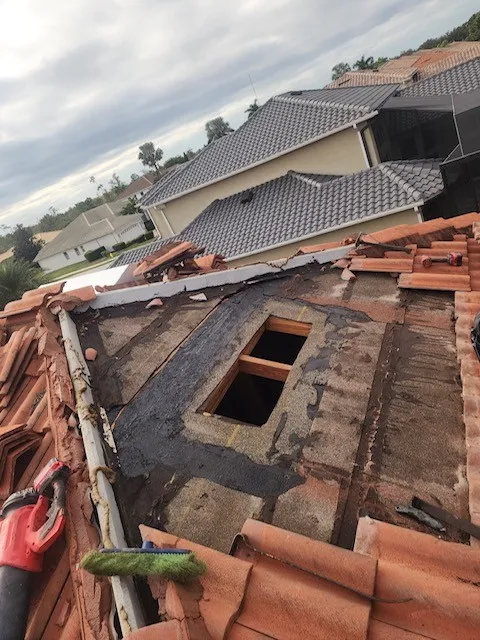
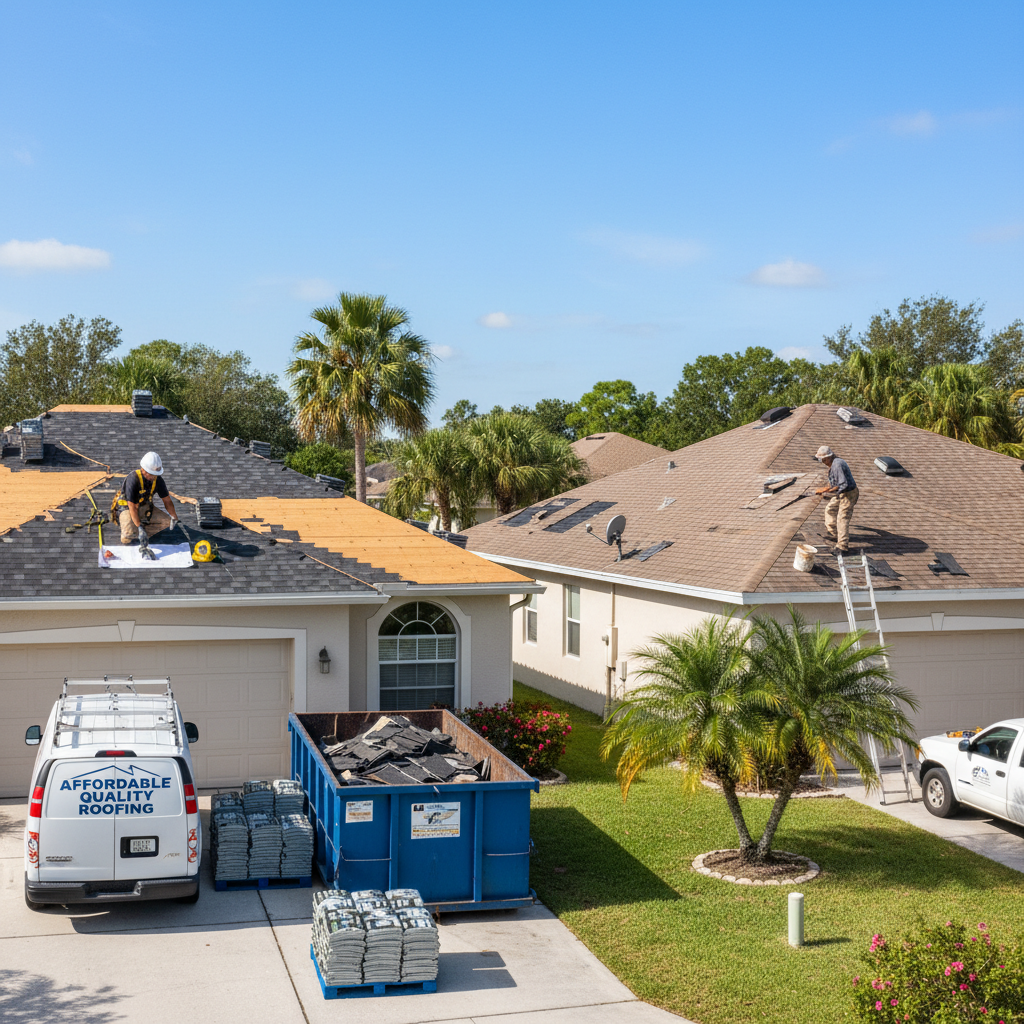
    Most projects begin with an inspection and tear-off phase. Your contractor removes current roofing layers to assess the underlying deck and support beams. If you have rotted wood, mold, or pest damage, they’ll address it now and adjust the estimate accordingly.

    Once the surface is prepped, new materials go on. The upgraded underlayment comes first to create a water-resistant barrier. Then your chosen shingles, tiles, or metal panels are installed. This sequence may wrap up in a few days or stretch into weeks for more intricate designs. Finally, the crew conducts a cleanup, ensuring no stray nails or debris remain in your yard.

    For a more detailed breakdown of the professional process, feel free to read about the full replacement approach offered by San Carlos Roofing. They outline how each project phase is structured to ensure safety and quality, from pre-inspection to final check.

    Is it time to ditch ongoing fixes?

    Frequent roof repairs can seem cheaper than a large, one-time outlay, but they may add up. If you’ve already spent a few thousand dollars just patching leaks and replacing sections of underlayment, it’s worth recalculating your total. Recurring repair costs and the risk of future structural damage can quickly tip the scales toward a fresh start. Plus, each new fix is an opportunity to discover bigger problems lurking beneath the surface.

    If you’re unsure whether to keep repairing or go all-in on a new roof, consider how many years remain on your roof’s expected lifespan. Asphalt shingles often last around 15 to 30 years in Florida’s climate, whereas materials like tile or metal can reach the 40- to 50-year mark. Any roof approaching its limit probably won’t see a major return on simple repairs. That’s when your money might be better spent on the certainty of a brand-new installation.

    For those still debating, you might find it helpful to visit roof maintenance vs replacement cost for a more in-depth discussion on whether patching things up is enough to extend your roof’s life.

    Finding your best path forward

    A worn-out or storm-damaged roof doesn’t need to cause panic. With the right research, a realistic budget, and a working knowledge of local building codes, you can make an informed decision about your home. If you suspect a total replacement is the smartest move, finding a trustworthy contractor may be your next step.

    Many homeowners in the Naples area, for instance, see cost estimates ranging from $9,500 to $40,000 or more, depending on materials, labor, and code compliance. A roofing professional can help you pinpoint where you’ll land in that span by assessing the specifics of your home. Getting a personalized southwest florida roof replacement estimate doesn’t obligate you to anything, but it can shed light on which path to pursue.

    In the end, yours is the final call. If your existing roof still has legs and repairs aren’t draining your savings, you might keep patching it up for now. But if you sense that big repairs are around the corner or that your roof has reached its natural expiration date, opting for replacement can provide peace of mind.

    Final thoughts

    Roof replacement cost in Southwest Florida is inevitably shaped by the region’s storm risks, strict code requirements, and high labor demands. Whether you repair that leak for the third time or completely overhaul your roof tomorrow, the choices you make will determine your home’s protection, its resale value, and the comfort you feel when storms roll in.

    Take your time assessing your roof’s condition, exploring reputable contractors, and weighing the potential for future repairs. Consider a partial or full tear-off if you’re constantly dealing with patches. And if you want a thorough overview of each material’s pros and cons, a southwest florida roofing costs comparison can be extremely helpful.

    No one likes paying for a new roof, but sometimes it’s the smartest investment you can make for your home’s wellbeing. Look for ways to minimize surprises, whether it’s through careful budgeting or flexible financing. By planning ahead, you’ll handle a roof replacement with confidence, knowing your home is ready to handle whatever the Southeast Florida skies decide to throw your way.

    References

  • Tile Roof Drip Edge Installation in SW Florida

    One of the things that I learned early when working on and installing tile roofs in Southwest Florida is that the old way of installing the drip edge on top of the underlayment during installation was a poor idea.  It is still required today by code to be installed over a piece of underlayment and not directly to the wood decking.

    I understand the idea behind this in regards to uplift and direct wind, but on a tile roof, it is unnecessary.  It also flies in the face of reason in regards to the water that flows under the tiles and over the underlayment on a tile roof.  Tile roofs will shed over 90% of the water from rains over the tops of the tile.  A small percentage of water passes though and gets under the tiles.  This water travels down under the tile part of the roof.  During a rain, water will pool at the eave of the roof under the tiles until it drains out.  

    The issue created by installing the drip edge over the underlayment was the standard when I started in roofing.  The issue is that the top of the drip edge is lapped backwards toward the top of the roof.  Meaning, the top of the drip edge is now a minor dam to water that will travel under the tile roof and will have to exit over the top of the drip edge at the eave of the roof.  To counter act the backwards lap, we were required to install a band of roof cement over the backward lap with a trowel.  This would seal the top of the drip edge and redirect water over the top of it.  This basically kicks the can of the problem of the backward lap further down the road of time.  At some point, some or most of the roof cement will deteriorate from heat and weather to the point that it will crack open and start allowing water to channel beneath the drip edge.  Water sits under the drip edge and finally overcomes the underlayment, rotting out the edge of the roof and the fascia below it.  This issue would manifest between 5-10 years after a roof was installed.  I also had several occasions where some of the roof cement would leach out from under the tile roof and over the drip edge and fascia where it discolored or stained both.

    In 2005, I was asked to look at a tile roof on a home for sale in Pelican Landing in Bonita Springs that had an issue with rotting fascia.  I was to give an estimate on how much it would be to replace the rotted fascia.  After looking closer at the issue, I found that not only was the fascia rotted out in many areas, but that the first 5-6” of decking was also rotted out.  To resolve this issue, we would not only have to replace the fascia but the first 2’ of decking as well.  Our estimate was to remove the first two rows of tiles all the way around the eave of each roof facet, remove the eave closure, drip edge, underlayment, and change out the rotted plywood decking and fascia.  That was a big roof.  It was only 10 years old and had to have major repairs.  

    We did not get the repair (thank goodness).  I think that they found someone to replace the fascia only (or paint it really well) and left the real problem to the next owner.

    I saw many roofs like this.  This was the preferred way to install a tile roof backed by Florida Building Code.  It wasn’t long after this roof that I had the crew install the drip edge under the underlayment.  The crew nearly rioted.  Installing tile roofs was something that they had been trained in doing and had many years of installation experience in.  This was in complete contrast to what was the “correct way” to install tile roofs.  However, once the drip edge had been moved under the underlayment, water flowing under the tiles no longer had this weak area on the roof to undermine and our roofs no longer had this type of long-term issue.  

    Today we install a small strip of underlayment, which is called a slip sheet, down on the edge of the roof first.  The slip sheet is a little wider than the drip edge itself.  We then will install the drip edge on top of the slip sheet.  After this, the underlayment for the rest of the roof is installed over the top of the drip edge.  This maintains the adherence to the Florida Building Code while correcting the issue created by installing the drip edge over the underlayment.

    It was tough to break the crews of the original way to install the drip edge over the underlayment.  Change can be hard.  We not only mitigated the issue with the drip edge, but we eliminated several of these types of installations that would later lead to not only roof leaks but to other major issues.  This and several other changes that we made to our tile installations changed our roofs to long term, low maintenance roofs.  

  • Your Essential Metal Roof Maintenance Checklist for Southwest Florida

    Natural disasters and the constant salt air in Southwest Florida can make maintaining your metal roof a real challenge. Yet with consistent attention, you can ensure your roof stands strong against intense sun, tropical storms, and high humidity. In this guide, you will discover what metal roof maintenance in Southwest Florida entails, why it is so important for your home, and how you can implement a thorough strategy without feeling overwhelmed.

    By following these steps, you will protect your investment, extend the lifespan of your roofing system, and maintain your peace of mind. After all, your roof is the first line of defense against the elements, and metal roofing has a reputation for durability when you give it the care it needs.

    Recognize The Benefits Of Metal Roofing

    Before diving into regular maintenance routines, it is worth reminding yourself why a metal roof can be such an asset in Southwest Florida. Metal roofing is known for its impressive wind resistance, reflective properties, and strong protection against salt air along coastal areas. As noted by Embick Roofing, metal roofing is a strong, durable, and long-lasting option well-suited for Florida’s climate [1].

    If you are still exploring options and wondering how metal roofing compares to other materials, consider visiting metal roofing benefits Florida homes. You can also evaluate its resilience more concretely at metal roof durability Florida climate.

    In addition to strength, a metal roof can reduce cooling costs when outfitted with reflective coatings. These specialized surfaces help bounce back the sun’s rays, which is especially valuable in Florida’s sizzling summers. If you want to learn more about energy savings, check out energy efficiency metal roofs Florida, where you will find insights into how metal roofing can help stabilize indoor temperatures despite the intense heat.

    Schedule Your Routine Inspections

    Routine inspections are at the core of metal roof maintenance in Southwest Florida. By detecting problems early, you reduce the chance of extensive issues like pervasive rust, leaking seams, or loose fasteners that can threaten your roof’s structural integrity. San Carlos Roofing recommends biannual inspections, ideally once before hurricane season and once right after major storms.

    It often helps to mark your calendar:

    • Late spring or early summer: Inspect before hurricane season begins.
    • Post-storm: If a hurricane or strong tropical storm hits, follow up once conditions are safe.
    • End of year: Recheck after the rainy season has passed.

    If climbing a ladder is not feasible or you are uncertain how to conduct your own inspection, do not hesitate to consult professionals for assistance. Licensed roofers can quickly identify subtle issues like small shifts in panels or compromised sealants that are not obvious from the ground. You can also refer to metal roof installation southwest florida if you are considering any upgrades or structural improvements in tandem with your inspections.

    Clean Your Roof The Right Way

    Cleaning is an essential part of preventing corrosion and prolonging roof longevity. In Southwest Florida, pollen, dust, bird droppings, and mildew accumulate quickly, especially following rainy or humid periods. As recommended by Embick Roofing, you should clean your metal roof regularly, and when you notice green spots or dark streaks, address them promptly (1).

    Most homes remain well-maintained with an annual or twice-yearly cleaning. However, if you spot debris piling up or leaves collecting in gutters, you can increase the frequency. Consider these tips for effective cleaning:

    1. Start with a low-pressure rinse using a garden hose to wash away loose debris.
    2. Apply a gentle cleaning solution, such as water mixed with mild dish soap or diluted vinegar, and use a soft-bristle brush or microfiber cloth to scrub.
    3. Rinse thoroughly to remove any residue, which could degrade your roof’s protective coating if left behind.

    Some homeowners are tempted to use high-pressure washers, but that can damage the paint, scuff the surface, or warp seams. Professional soft-wash methods reduce these risks significantly. You can always enlist professional help if your roof is very steep, difficult to access, or noticeably soiled.

    Look Out For Common Repairs

    Even though metal roofs are known for durability, they can still sustain damage from hurricanes, hail, and flying debris. If a section of roof forms dents or the flashing pulls away from the seams, you could develop leaks that weaken the structure over time. Embick Roofing highlights how loosened fasteners or sealant deterioration can lead to water intrusion and bigger repair bills (1).

    During your maintenance checks, keep an eye on:

    • Panel alignment, ensuring there are no gaps where moisture could seep inside.
    • Flashed areas around chimneys or vents, since storms and high winds commonly cause separation.
    • Corrosion or exposed underlayers, especially if you are closer to the coast with salt-laden air.
    • Unusual stains on ceilings or walls that could hint at leaks.

    When you notice damage that looks more than cosmetic, call a qualified roofer. Addressing leaks promptly prevents mold, wood rot, and potential structural problems. If the damage is severe enough to warrant a complete overhaul, you may want to explore replacement options with local professionals like San Carlos Roofing. Taking a proactive stance saves you both money and headaches down the road.

    Use A Seasonal Maintenance Framework

    Organizing tasks by season helps you stay consistent with metal roof maintenance in Southwest Florida. We recommend specific activities across the year, including storm-readiness checks and post-storm inspections. You can follow a structure inspired by that approach:

    • January–February: Inspect for any hidden post-holiday season damage, clear gutters of leaves, and look for any rust developing in cooler temperatures.
    • March–April: Prepare for spring and summer rains. Ensure flashing and sealants are secure and remove any branches leaning over your roof.
    • May–June: Step up your hurricane-readiness efforts. Confirm your emergency repair kit is stocked, and trim nearby trees to reduce debris in high winds.
    • July–September: Perform mid-season checks to catch leaks or panel shifts caused by tropical storms. Clean off dirt or algae that might build in humid, hot months.
    • October–November: After a busy hurricane season, do a thorough inspection for dents or loosened seams. Clean the roof again if you see buildup.
    • December: Plan for any bigger replacements or upgrades and schedule them during drier periods. Make sure any minor issues are handled before the new year begins.

    Invest In Professional Maintenance And Repairs

    While it may seem convenient to do all the tasks yourself, there are times when you should rely on reputable roofing companies. Engaging professional services is recommended whenever leaks, corrosion, or structural damage appear beyond simple cosmetic issues. The experts have specialized training in metal roof installation, welding techniques, and advanced sealing methods.

    Professional inspections also help you adapt to evolving local building codes, which often require premium wind-resistant materials for hurricane compliance. The stricter the codes, the more important it is to have specialists confirm your roof aligns with regulations. If you want to explore more about installing a metal roof in a way that meets code requirements, see “metal roof installation southwest florida”.

    A quality roofing company can:

    • Perform thorough assessments to detect tiny cracks or panel warpage.
    • Offer specialized coatings, some of which reflect UV rays and curb heat absorption.
    • Secure loose fasteners and ensure sealants are functioning properly.
    • Spot hidden rust, especially in areas exposed to salt spray or constant moisture.

    You will find that hiring a trusted team ultimately pays off by preventing water damage, mold remediation expenses, or premature replacement.

    Build A Long-Term Roof Care Strategy

    Keeping a metal roof healthy in Southwest Florida is a continuous process. From your yearly storm preparations to that quick glance at your home’s exterior after a windy day, you will be better protected if you adopt a long-term roof care mindset. Regular maintenance does more than protect your investment. It also preserves your peace of mind, knowing that when the next tropical storm rolls in, you have minimized your risks.

    Below is a quick reference chart that summarizes key long-term maintenance considerations:

    Maintenance StepFrequencyPurpose
    Roof inspectionsTwice a year and post-stormIdentify damage, rust, or leaks early
    Cleaning and debris check1–2 times a yearRemove buildup, preserve coatings, and deter corrosion
    Panel and flashing repairAs neededPrevent water intrusion and structural weakening
    Professional assessmentBiannually or as indicatedEnsure compliance with codes and extend roof lifespan

    Keeping your schedule flexible is important. Some years may bring heavier rainfall or more serious hurricanes that warrant extra checks. When in doubt, prioritizing safety and professional guidance is never a mistake.

    If energy efficiency is a high priority for you, you can also speak with your roofer about applying specialized coatings or upgrading insulation. For more on managing heat, take a look at “energy efficiency metal roofs Florida”. This extra attention can help drive down cooling costs, which becomes especially valuable in Florida’s subtropical climate.

    Protect Your Roof Investment

    A little diligence goes a long way in maintaining a metal roof that can handle everything from everyday UV exposure to ferocious coastal storms. Caring for your roof is not just about aesthetics. It is about safeguarding the place you call home, shielding loved ones inside, and managing costs over time.

    When you take inventory of your roof’s health each season, keep gutters and flashing debris-free, and proactively repair small issues before they become big problems, you ensure your roof steadily outlasts many other roofing materials. Should a situation arise where significant repairs or a complete replacement is needed, consulting an experienced local contractor like San Carlos Roofing simplifies the process. Their understanding of Southwest Florida’s climate can help you decide on the right materials and strategies to keep your property safe.

    Ultimately, staying on top of metal roof maintenance in Southwest Florida is a simple but powerful way to protect your investment. You will enjoy the long-term durability, style, and peace of mind that a well-cared-for metal roof can provide for you, even through the region’s most challenging weather. By inspecting regularly, cleaning carefully, and responding quickly to damage, you can maximize your metal roof’s potential and create a more secure home environment for years to come.

    References

    1. (Embick Roofing)
  • What You Must Know About Metal Roof Installation in Southwest Florida

    Metal roof installation in Southwest Florida has gained significant traction among homeowners looking to protect their properties from harsh climate events and maximize long-term value. You may have heard about how well metal roofing stands up to rain, wind, and the sweltering Florida heat, but there are a few key points you need to know before investing in this option for your own home. While the benefits of durability, energy efficiency, and appealing designs are compelling, it is essential to understand the local building codes, the cost range, and the installation process to ensure that your new roof meets expectations. Below is a comprehensive overview that will help you decide whether a metal roof is the right choice for your property.

    By exploring the information below, you will gain insights into cost considerations, Florida building requirements, and the best types of metal roofing for coastal conditions. You will see how proper planning can help you reduce repair expenses in the future and keep your home adequately fortified against storms. From materials to installation techniques, this guide covers the details you should know.

    Consider Metal Roofs for Florida

    Metal roofs are increasingly appealing to Southwest Florida homeowners for good reason. With the high humidity, constant sunshine, and frequent tropical storms, a roofing material must offer a strong balance of durability and energy efficiency. Choosing metal provides a modern, sleek look that might surprise you if you are used to seeing traditional shingles. You can even select from styles resembling tile or wood shake to harmonize with your property’s architectural design.

    Why Florida Homeowners Prefer Metal Roofing

    Metal roofing is admired for its longevity in climates that experience heavy rainfall and intense sunshine. In addition to its sturdiness, a metal roof can reflect solar heat and reduce your energy consumption, which is particularly beneficial in the hot months. Reflective coatings and specialized paint finishes enhance this effect. As a result, you have a roof that weathers hurricanes better than typical shingles and helps moderate indoor temperatures. You can explore more about these advantages at metal roofing benefits Florida homes.

    Given that a standard asphalt shingle roof may last around 15 to 20 years, metal roofs typically endure far longer, with many standing seam varieties surviving 40 years or more in Florida’s climate. Some homeowners even mention that their metal roofs weather strong storms with minimal damage. Meanwhile, storm repair costs for a more conventional roof can escalate substantially over time. By investing in metal, you position yourself to enjoy fewer disruptions and lower long-term maintenance.

    Addressing Local Storm Concerns

    While Florida’s climate is beautifully sunny most of the year, hurricanes and high winds remain a recurring challenge in Southwest Florida. Thankfully, metal roofing often comes with wind resistance ratings of up to 140 mph or even 180 mph, making it an ideal safeguard for coastal properties [1]. If you are tired of replacing shingles that blow off in storms, metal roofing provides a much sturdier alternative.

    However, you do need specialized installation practices to secure panels correctly, especially around edges and ridge caps. Robust attachment techniques reduce the risk of uplift or leaks during serious weather events, and professional installation is strongly recommended. Ultimately, metal roofing aligns well with Florida’s building code requirements for storm safety. Focus on working with contractors experienced in metal roof installation to guarantee the best outcome.

    Meet The Florida Building Code Requirements

    Florida’s building codes are known for their strict guidelines, primarily because the region is prone to hurricanes and other extreme weather. When it comes to metal roof installation in Southwest Florida, you must ensure that the materials and techniques employed align with the Florida Building Code (FBC). This attention to detail not only helps you avoid penalties or failed inspections but also ensures that your home’s roof qualifies for insurance claims, if needed.

    Key regulations to follow

    To start, the code demands specific fastener spacing and material standards in High-Velocity Hurricane Zones (HVHZ), such as Miami-Dade and Broward counties. Even if you are not located in an HVHZ, you may still need to comply with local variations of these rules. Corrosion protection is also crucial, especially for homeowners near the coast. Salt air can corrode metallic materials faster, so you should confirm that your chosen panels have rust-resistant coatings if you live in a coastal area. Aluminum roofing, for instance, resists salt-based corrosion better than galvanized steel [1].

    Further considerations include installing underlayment designed to repel water during hurricane-force rains. You might need to invest in ice and water shields or other specialized waterproof membranes to meet local requirements. Proper ventilation is also important. The FBC mandates that your attic space be vented correctly to limit heat buildup and moisture that can lead to mold. If you are uncertain, insist that your chosen contractor outline how they will handle ventilation and underlayment installation to pass inspection.

    The 25% Rule

    If your existing roof is damaged and more than 25% of its total area requires repair, you may be prompted by code to do a complete replacement rather than a patch job. This is known as the 25% Rule. Although it can feel daunting to be forced into a full replacement, many homeowners see this as an opportunity to upgrade. If you are already at that threshold, exploring metal roof installation can make sound financial sense. You end up with a system that has fewer vulnerabilities in the long run, reducing the chance of repeated interruptions due to storm damage.

    Explore Your Metal Roofing Options

    One of the best aspects of metal roofing is the variety of styles and materials available. Instead of purely functional corrugated panels, you can now select from visually appealing designs that mimic tile, slate, or wood shakes. There is also the choice between exposed fastener and hidden fastener systems.

    Corrugated vs. Standing Seam

    Corrugated or 5V roofing is a budget-friendly option typically costing $5 to $12 per square foot in Florida. While it is quick to install and provides decent weather performance, the fasteners are exposed to the elements. Over time, water infiltration and routine wear may degrade the fasteners, necessitating ongoing maintenance. Nonetheless, corrugated metal may be a good entry-level choice if you want to keep costs down and still benefit from metal’s durability.

    Standing seam roofs, on the other hand, protect fasteners beneath interlocking seams. As a result, they are more resistant to leaks and can last 50 years or more if maintained properly. The typical cost for standing seam in Florida ranges from $10 to $35 per square foot, with the average around $20. This style provides a sleek, modern appearance that suits many newer homes. If your budget accommodates it, standing seam represents an excellent balance of aesthetics and performance.

    Selecting Corrosion-Resistant Materials

    Once you have decided on corrugated or standing seam, you will also need to pick the metal itself. Aluminum is favored in coastal settings because it resists rusting from salt-laden air. Galvalume and galvanized steel are generally cheaper but demand more caution near the ocean. Copper offers premium curb appeal, yet it is typically costlier than other metals and may not suit every neighborhood’s style. Ultimately, weigh each option’s visual appeal, corrosion resistance, and cost against your particular circumstances.

    Estimate The Cost and Budget

    Installing a metal roof can cost more upfront compared to some other materials, but you also gain a roof that is likely to last significantly longer. In Southwest Florida, where storms can do extensive damage, sacrificing durability for short-term savings can lead to higher expenses down the road. Understanding the realistic cost range helps you plan ahead, weighing both your initial investment and a metal roof’s lifetime value.

    Below is a concise table summarizing approximate cost ranges and characteristics:

    Metal Roof TypeAvg. Cost per Sq Ft (FL)Avg Lifespan (Years)Notable Features
    Corrugated (exposed)$5 – $1220 – 30Quick to install, lower cost, more maintenance needed
    Standing seam (hidden)$10 – $3550+Sleek look, protected fasteners, longer lifespan
    AluminumVaries ($6+/sq ft for panels)40 – 70Rust-resistant, ideal for coastal environments
    Galvanized/GalvalumeVaries ($5–$15/sq ft)20 – 35Affordable, moderate rust resistance, popular for many homes

    These dollar figures reflect broad, statewide averages. According to local contractors, metal roof installation costs in Fort Myers can range between $6,000 and $42,000, depending on your roof’s size, the type of metal you select, and the complexity of installation. If you have a large house or desire premium standing seam panels, anticipate spending on the higher end. Meanwhile, smaller homes or those opting for corrugated metal often pay closer to the lower or mid-range. Of course, getting personalized estimates is the best way to figure out an accurate price for your project.

    Prepare For Installation

    While metal roofing can be installed fairly quickly compared to some other materials, it is not as simple as hiring someone to lay shingles. The process involves measuring and cutting custom panels, positioning underlayment, and using specialized fasteners. Knowing what to expect allows you to budget enough time and make sure the project runs smoothly.

    Contractor Expertise Matters

    Metal roof installation in Southwest Florida calls for a contractor with proven skills, references, and proper licensure. Hiring someone who typically installs only shingle roofs may not be sufficient. Instead, opt for companies or crews who do metal roofing regularly and are familiar with local code. Ask your prospective installer how many metal roof projects they complete each year and whether their workers receive specialized training on panel installation. You can also reach out for guidance on partial or complete roof replacement at this local roofing specialist.

    Professional contractors will verify that your roof sheathing meets structural requirements. They will also detail the type of underlayment they are using, such as self-adherent ice and water shields in coastal zones. Proper ventilation is another step they should outline. Roofers experienced in metal roofing can ensure each step complies with Florida Building Code standards, reducing the odds of needing to redo the project or fix leaks afterward.

    Minimizing Disruptions

    You can do a few things to make sure installation causes as little interruption to your home life as possible. Before the work starts, clear yard furniture or potted plants that might obstruct the roofers’ access. If you have sensitive landscaping, consider covering shrubs or flower beds with protective netting or tarps. Communicate any specific concerns with your contractor so they do not park heavy machinery or place materials in areas you would like to keep pristine.

    While metal roofing panels require cutting and shaping, a professional crew typically works efficiently to reduce noise. The overall installation can take between a couple of days to a week, depending on roof size and complexity. In many cases, you can remain in your home as the roofing is installed, but you should be prepared for some daytime noise and vibration. Once completed, you will have a roof that both fortifies and beautifies your property in the long run.

    Maintain Your Metal Roof

    Despite the reputation for near-bulletproof durability, metal roofs still benefit from regular upkeep. Dirt, debris, and salt deposits in coastal areas can accumulate over time. Routine care ensures that the finish remains both visually appealing and protective.

    Simple Inspection Practices

    Every year or two, visually check your roof for rust spots, loose fasteners, or damaged flashing. Look closely around roof penetrations such as vents and chimneys, as these areas are more prone to leaks if not sealed properly. If your roof is quite steep, prioritize safety and hire a professional to handle a more thorough inspection. Performing these checks can help you spot minor issues before they escalate into costly repairs. You can also learn more about caring for metal roofs at metal roof maintenance southwest Florida.

    If you do see rust or peeling coating, contact a roofing specialist to discuss the right approach for repairs or recoating. Prompt attention can extend the life of your roofing system by several years, and it helps maintain the roof’s reflective qualities if you rely on it for energy savings.

    Clearing Debris and Maintaining Gutters

    In Florida’s hurricane and tropical storm seasons, leaves or small branches can accumulate in gutters and along roof seams. Clearing your gutters frequently helps water flow off the roof properly, reducing the chances of pooling moisture that could lead to corrosion or leaks. Also, check for debris settling in any valleys where roof sections meet. Handling clogs early maintains a free flow of stormwater and prevents water from backing up under the panels.

    Be sure to evaluate your gutter attachments as well. Properly installed gutters, in line with Florida code, are vital for storm resilience. An overfull gutter or loose connection under high-pressure wind and rain can damage your fascia boards. By keeping your drainage system in good working order, you reinforce the strength and longevity of your metal roof.

    Benefit From Energy Efficiency

    Metals such as aluminum, steel, or copper reflect more sunlight than ordinary shingles, making them a smart choice for Southwest Florida’s climate. The surface you choose has an impact on how much heat your home absorbs. For instance, standing seam or coated corrugated panels can achieve notable solar reflectivity, lowering the need for heavy air conditioning usage. When combined with proper attic ventilation, your home’s overall energy bill might see a decent reduction.

    You can find more details on how metal roofing saves energy in hot, sunny climates at energy efficiency metal roofs Florida. Coatings and paint colors specially formulated for high reflectivity amplify these gains. While you should not rely on roofing alone for temperature regulation, insulation and ventilation are part of the equation, and metal roofs are certainly an excellent foundation for an energy-efficient home.

    Choose A Trusted Contractor

    A quality outcome hinges on hiring a contractor who possesses the right mix of expertise, equipment, and local knowledge. Firms specializing in metal roof installation in Southwest Florida can guide you in selecting materials designed to withstand local winds, code requirements, and salt-air conditions. They are also aware of the most current Florida Building Code updates and best practices for everything from fastener placement to ridge vent installation.

    What to look for

    • References: Ask your potential contractors for case studies or references from metal roofing projects they completed in the past year, specifically in the Southwest Florida region.
    • Licensing and insurance: Verify that they have the appropriate Florida licensing and insurance coverage to protect you and their workers.
    • Detailed estimates: Get a written quote outlining materials, labor costs, and any warranties on workmanship or roofing products.
    • Clear communication: Work with those who respond promptly to your questions and concerns, keeping you in the loop about progress and any encountered challenges.

    Comparing multiple bids not only helps you get a fair price, it also allows you to gauge each contractor’s professionalism. Even if someone offers a bargain rate, investigate the quality of their past work. Keep in mind that a poorly installed metal roof may provide fewer benefits than you expect and could require expensive repairs later. For full or partial replacements, it can also be helpful to reference local services that specialize in delivering custom solutions.

    Weigh The Advantages and Potential Drawbacks

    Before you seal the deal on a metal roof, consider both the strengths and weaknesses. While metal roofing performs exceptionally under Florida’s tough conditions, no solution is perfect. By understanding possible downsides, you can prepare accordingly and avoid surprises post-installation.

    Pros

    • Longevity and durability: Metal roofs typically outlast traditional shingle roofs and handle high winds efficiently.
    • Potential energy savings: A reflective coating can keep your home’s interior cooler and cut down on power use.
    • Visual variety: Styles range from traditional corrugated panels to designer looks resembling tile or slate.
    • Low maintenance: With occasional inspections and quick fixes, your metal roof can last decades with minimal effort.

    Cons

    • Higher initial cost: Metal roofing often costs more upfront than asphalt shingles, though it may offer better long-term value.
    • Possible noise concerns: During heavy rain, you might hear drumming sounds on a metal roof unless you have sufficient insulation.
    • Skilled labor needed: You have to ensure your installer has the right credentials, as incorrect installation can compromise the roof’s benefits.
    • Susceptible to dents: In rare cases, large hail can cause denting, although many modern panels are engineered for better impact resistance.

    Having a realistic picture of metal roofing’s advantages and drawbacks helps you make the best decision for your situation. If your home is prone to extreme weather, prioritizing durability may outweigh the initial cost. On the other hand, if you have a strict budget, you might consider a more economical type of metal roof or combine partial repairs with strategic upgrades over time.

    Incorporate Ongoing Savings and Value

    A final consideration before you commit to metal roof installation in Southwest Florida is the potential return on investment. Unlike cheaper alternatives, a well-installed metal roof may reduce your insurance premiums, particularly if your insurer provides discounts for wind mitigation or weather-resistant materials. It also appeals to potential buyers when you eventually sell your home, as they see an established roof with many years of life left.

    Furthermore, the energy efficiency gains can accumulate into notable long-term savings. Lower cooling costs, combined with less frequent need for repairs, create a compelling financial picture. Even though you pay more initially, the reduced maintenance and possible increase in resale value could offset that expense over time.

    Make an Informed Choice

    If you are looking to boost your home’s resilience amid Florida’s storms and hot summers, metal roofing is a formidable option. By learning about local building codes, cost ranges, and the available roofing systems, you can confidently invest in a roof that protects and adds value to your property. Do not overlook the importance of working with an experienced contractor who adheres to FBC standards and can guide you through every stage of installation.

    Whether you choose a budget-friendly corrugated system or a high-end standing seam roof, planning well in advance will help you minimize surprises and secure a roof that performs exceptionally for decades. If your current roof is severely compromised or near the 25% rule threshold, it could be better financially and practically to opt for a full metal roof replacement upfront. For any in-depth questions, or if you need further guidance on partial versus complete updates, you can explore this local resource or request quotes from specialized contractors in your county.

    In the end, deciding on a metal roof installation in Southwest Florida is about balancing cost, longevity, and peace of mind. Your home deserves a system that effectively repels storms, lowers energy consumption, and looks great while doing so. Staying proactive in your planning will go a long way toward a successful outcome, one that shelters you and your family comfortably for many years to come. When you are ready to take the plunge, remember to gather multiple quotes, confirm each contractor’s credentials, and review how the chosen roofing system will align with Florida’s building codes. By following these steps, you equip yourself to enjoy all the advantages metal roofing can bring to your Southwest Florida home.

    References

    1. (PITCH Roofing)
  • How Metal Roof Durability in Florida Climate Defends Against Storms

    How Metal Roof Durability in Florida Climate Defends Against Storms

    Understand Metal Roof Performance

    If you live in Southwest Florida, you know firsthand how sporadic and extreme the weather can be. From daily thunderstorms to powerful hurricanes, your home’s roof endures plenty of stress every year. That’s why metal roof durability in Florida climate has become such a hot topic. Metal systems are designed for wind, water, and sun resilience, giving you much-needed peace of mind whenever storm clouds roll in.

    Metal roofing has grown in popularity because it’s formidable against wind gusts that might topple other materials. Many metal roofs can handle speeds exceeding 140 mph, which is crucial when coastal storms intensify. Even inland, sudden temperature shifts can damage less durable roofing. By contrast, metal roofs expand and contract far more reliably than traditional shingles or tiles, meaning they maintain a tighter seal over your home.

    In fact, many metal roofing systems in Florida can last well beyond 40 years, with some reaching 70 years depending on the type of metal. [1] These roofs often outlive asphalt shingles, which usually need replacement after 15 to 20 years.

    Choose The Right Materials

    Your decision to install a metal roof in Southwest Florida begins with selecting the material that best matches your conditions. Metal roofing comes in steel, aluminum, copper, or stone-coated steel. Each offers a slight variation in appearance, weight, and resistance to salt air or hurricanes.

    If you live near the coast, you may want a corrosion-resistant metal, such as galvanized steel or aluminum. Salty sea breezes can gradually eat away at weaker metals, which is why choosing a metal specifically rated for coastal climates is critical. [2] For inland homeowners, traditional steel options usually hold up well, provided they have coatings designed to reduce rust.

    Stone-coated steel, like Tilcor stone-coated galvalume, offers protection against dings from flying debris during storms. [3] It also mimics the look of classic tile, which can be a draw if you favor more traditional roof aesthetics but still want an extra layer of durability. Be sure to explore your options with a contractor who understands Florida’s climate, so you can be certain you’re getting the right match for your region.

    Install with proven methods

    High-performing materials aren’t enough if they’re not installed with precision. In a place like Southwest Florida, reliable installation matters just as much as the product itself. Standing seam metal roofs, for example, feature concealed fasteners and interlocking panels that help them remain tightly attached when punishing winds strike. [3] These seamless designs reduce the chance of water intrusion, a common challenge when wind-driven rain whips against your roof.

    Finding skilled, experienced roofing professionals is crucial, because errors during installation can lead to leaks, premature rust, and even roof failure during severe storms. [3] Look for experts who understand how Florida heat affects metal expansion and contraction patterns. Even the best roofing panels can warp or lift away if they’re fastened improperly.

    If you’re scouting for installation services, you might also want to look into metal roof installation southwest Florida. Working with a local team ensures that your project uses the best practices for Florida’s wind zones, humidity, and punishing sun. You can also check out reputable companies that handle roof replacements in the region, such as San Carlos Roofing, to get a better sense of your roofing options.

    Combat rust and corrosion

    Florida’s steamy summers and abundant rainfall can push your metal roof to its limit. Rust tends to develop when water collects or remains on metal surfaces, especially if protective coatings wear down. Coastal locations see an even faster pace of corrosion when salt air is involved. [2] However, you don’t have to resign yourself to rust. Routine checks and a few best practices can do wonders for corrosion control:

    1. Choose rust-resistant metal from the start
    2. Apply or renew protective coatings that shield the metal
    3. Clear debris, including branches and leaves, from the roof so moisture can drain
    4. Inspect roof fasteners and sealants to ensure they’re secure

    Many roofing experts recommend investigating screw-down panels vs. standing seam. Screw-down fasteners might be more exposed to the elements, so you’ll need to replace or retighten them about every 20 years to ward off leaks or rust. [4] Still, following a consistent maintenance schedule can solve a lot of these issues, making these metal roofs perfectly viable for Florida conditions.

    Maintain your roof regularly

    Metal roof durability in Florida climate depends on how proactive you are with maintenance. You can’t always avoid nasty storms or keep debris from blowing around, but you can control how fast you respond to trouble spots.

    Most professionals suggest you inspect your roof at least twice a year. [5] One look should happen before hurricane season to identify any vulnerabilities that might worsen when wind and rain intensify. The other inspection can follow a major storm or at the end of the rainy season. If you see visible dents, corrosion, or loose fasteners, schedule repairs promptly to prevent small problems from growing.

    Similarly, be sure to clear away mold or algae, as Florida’s humidity can encourage growth if water sits for too long. Whenever you notice stubborn stains, break them down early with non-toxic and non-abrasive cleaners specifically designed for metal roofs. Keeping your metal panels clean and removing leaves or branches from drainage areas will reduce the risk of rust or rot setting in.

    To learn more about ongoing upkeep, you can explore metal roof maintenance southwest Florida. Staying on top of routine checks could extend the life of your metal roof to 30, 40, or even 50 years. [4]

    Improve energy efficiency

    Sun, humidity, and high temperatures are part of everyday life in Florida, which means your roof can directly affect your energy bills. Metal roofing typically reflects a greater portion of solar radiation than asphalt shingles, helping prevent heat from seeping into your living spaces. You might even notice your indoor temperature feeling more comfortable, reducing the load on your air conditioner.

    For newer metal panels, modern coatings can add an extra layer of insulation. By choosing high-quality reflective paint, your roof maintains a cooler surface and stands up better to UV rays. Some homeowners report savings on energy bills because their AC cycles less frequently. If you’re curious how metal roofing can help you save money in Florida’s heat, check out energy efficiency metal roofs Florida.

    These efficiency perks can be especially noticeable if you invest in a lighter-toned or reflective metal panel. The bright surface deflects a greater amount of sunlight, while darker metal roofs can still perform well with the right protective coatings. Either choice is likely to be more efficient than many traditional roofing materials in the Florida sun.

    Factor in cost vs. value

    It’s no secret that metal roofs carry a higher initial price tag than asphalt shingles. In Florida, you might pay anywhere from $8 to $14 per square foot, while shingles can cost as little as $3 to $5 per square foot. However, that up-front cost should be balanced against how often you’d need to replace conventional shingles. A metal roof might outlast three shingle roofs, making it a more efficient long-term investment if you plan on staying in your home for decades.

    You also want to consider hurricane readiness. Each new storm season can lead to unexpected repair expenses if your roof isn’t up to the task. Metal roofs offer greater wind resistance, lowering your chance of incurring heavy damage from a severe storm. Over time, that reliability could save you thousands on repair fees.

    In addition, Florida’s building codes prioritize wind resistance in high-velocity hurricane zones, which means you’ll likely invest more in any roofing you install. Because metal roofing is engineered to comply with strict code standards, you can view your installation costs as strategic protection. While you might pay more initially, you get a stronger, longer-lasting roof that defends your property against everything from daily downpours to hurricane-force gusts.

    Make your final decision

    Choosing to invest in a metal roof for your Southwest Florida home is more than just a style preference. It’s about safeguarding your property year after year in an environment known for intense sun, heavy rainfall, and hurricane threats. If you want a system that stands up against debris, strong winds, and repeated pounding by tropical storms, metal can be a worthwhile choice. [5]

    Still, make sure you’re fully prepared. Research local codes, talk with trustworthy contractors, and weigh your options for materials, coatings, and design. Each of these factors can influence how your roof performs. If you’re curious about broader benefits of metal systems, consider checking out metal roofing benefits Florida homes. Once everything lines up, you’ll have a robust roof that keeps you safer during storms and supports lower energy bills over time.

    Before setting your plan in motion, remember that regular maintenance will ensure your investment pays off. By addressing any small signs of damage promptly and scheduling routine inspections, you can enjoy the longevity and reliability that metal roofing promises.

    Table: Quick metal roofing facts and tips

    FactorConsideration
    LifespanOften 40–70 years in Florida, depending on metal type
    Wind resistanceMany systems rated above 140 mph
    Coastal environmentAluminum or galvanized steel recommended for rust prevention
    Maintenance frequencyBiannual inspections plus after major storms
    Potential energy savingsMetal roofing reflects heat and may reduce cooling costs
    Installation priorityHire experienced roofers to prevent leaks or panel warping

    Keep these factors in mind as you plan your roofing project. Small details, like the type of fastener or your roof’s pitch, can have a major impact on how well your metal roof performs.

    Key takeaways

    • Swiftly changing weather in Florida demands a stable, wind-resistant roof
    • Metal roofing can handle high winds, heavy rain, and frequent heat blasts
    • Routine upkeep—like biannual inspections and simple cleaning—helps extend lifespan
    • Proper installation is as important as material choice for long-lasting results
    • While initial costs can be higher, you may save money over the long run

    Whether your priority is storm defense, energy efficiency, or longevity, metal roofs have proven to be a smart investment in the Sunshine State. If you’re ready to proceed with your project, look into companies experienced in roof replacement or “metal roof installation southwest Florida” to ensure a job done right. By choosing a durable material and staying on top of maintenance, you give yourself a roof that can withstand Florida’s extremes for decades to come.

    References

    1. (Crest Roofing Florida)
    2. (Classic Roofing & Construction)
    3. (InterNACHI Forum)
    4. (Stratus Roofing)
    5. (Janney Roofing)
  • Metal Roofing Benefits Florida Homeowners Shouldn’t Ignore

    If you live in Florida, you understand how relentless the local weather can be. From high humidity and soaring summer temperatures to hurricane-force winds and driving rain, your roof must handle serious stress each year. Traditional shingle roofs may work for a while, but they tend to wear out faster in Florida’s conditions. That’s why metal roofing benefits Florida homes in a powerful way. You gain a roof that’s built to withstand storms, reflect heat, and last for decades, helping you avoid frequent repairs or replacements.

    At first glance, you might wonder if metal is truly worth it. After all, your main concerns probably revolve around cost, aesthetics, and performance. Yet when you weigh the long-term advantages, from energy savings to fire resistance, the choice often becomes clear. Metal roofs have proven their value in Florida, consistently outlasting asphalt shingles and offering superior strength against hurricanes. If you’ve been thinking about upgrading, here’s what you should know before making your final decision.

    Understand Florida’s roofing challenges

    Florida’s climate puts unique demands on any roofing material you choose. The combination of hot sun, high humidity, and near-annual tropical storms creates a perfect storm of wear and tear.

    You’ve likely seen how quickly shingles can degrade under harsh UV rays. The constant moisture can also lead to mold or algae growth, weakening the roof’s structural integrity over time. And during hurricane season, heavy gusts can peel shingles away, leaving your home vulnerable to leaks.

    In this environment, metal roofing stands out for how well it repels moisture and endures punishing winds. According to a 2025 report, many metal roofs in Florida can withstand wind speeds up to 140 mph or more [1], far exceeding building code requirements. These durable panels also do an excellent job of shedding rainwater quickly, which helps protect underlying layers from rot or mold.

    If you’re new to learning about metal roofs, consider reading more about metal roof durability florida climate. You’ll get a sense of how well different types of metal panels stand up to Florida’s toughest weather conditions.

    Explore durability benefits

    When you imagine metal, you might worry about rust or dents. In reality, modern roofing panels come treated with protective coatings to resist corrosion and reduce the risk of damage. These coatings help ensure your roof holds up even in salty coastal regions.

    Multiple sources show metal roofs in Florida can last anywhere between 30 to 50 years, depending on the material and installation quality [2]. By contrast, asphalt shingles often need to be replaced in 15 to 20 years, especially after enduring several storm seasons. If you’ve experienced repeated damage with traditional shingles, a metal roof can be a more permanent solution.

    You also gain extra protection from flying debris. High-grade metal panels are less likely to tear, crack, or lose granules in harsh conditions. When a roof is properly fastened, its interlocking patterns form tight seams that keep you safe from sudden leaks or water intrusion. And if you’ve ever had to call for emergency repairs right before or right after a major storm, you know how valuable that level of durability can be.

    Maximize energy efficiency

    One of the biggest perks of metal roofing benefits Florida homes is its reflective surface. Instead of absorbing the sun’s rays, many metal roofs bounce light and heat away from your living space. That means your attic stays cooler, so your air conditioning system doesn’t have to work as hard.

    Studies indicate that metal roofing lowers cooling costs by up to 25% [3]. Florida’s relentless sun can make your energy bills skyrocket, so every bit of cooling efficiency helps. Some metal roofing products boast specialized coatings for enhanced solar reflectivity, allowing them to better deflect heat in the summer.

    You can think of your roof as an investment in long-term comfort. While you enjoy a cooler home, you’ll likely trim your utility bills, too. Over the life of your roof, those ongoing cost savings add up. Plus, improved insulation can help even during milder weather, keeping indoor temperatures steadier year-round. If you want a deeper look into these cooling advantages, consider reviewing energy efficiency metal roofs Florida.

    Evaluate costs and value

    Any roof upgrade is a significant financial decision. Metal roofing might carry a higher upfront price tag than basic shingle options, but the long-term value generally evens things out. By lasting longer and helping cut energy bills, metal surfaces can pay for themselves over time, especially in Florida’s harsh environment.

    Below is a simple comparison table to illustrate typical roofing costs and lifespans in Florida:

    Roofing TypeAvg. Cost per sq. ft.Estimated LifespanNotable Benefits
    Asphalt Shingles$4–$615–30 yearsLower initial cost
    Metal Roofing$7–$1430–50+ yearsDurability, energy efficiency

    (Prestige Windows & Doors)

    While you might pay more for metal upfront, you can break even in as few as 12 to 15 years once you factor in lower maintenance demands and better energy savings [4]. This is especially important if you’re planning to stay in your home for a long time. Even if you decide to sell one day, you’re likely to fetch a higher resale value and enjoy broader buyer interest when your home has a roof known for longevity.

    If you face repeated roof-related issues and are assessing the best step forward, you may also explore a comprehensive roof replacement to fully upgrade your structure. When done right, the overall improvement in durability and energy efficiency can dramatically increase your home’s overall worth.

    Select designs for appeal

    Metal roofing isn’t just a practical solution; it can also look fantastic. Florida homeowners have a range of styles, textures, and colors at their disposal, from vibrant tropical shades to subdued neutrals. You’ll discover that modern metal roofing can mimic the look of shingles, tiles, or even clay roofs [5].

    Because curb appeal drives a lot of your home’s value, you want a roof that fits the local style. Coastal homes sometimes opt for aluminum or standing seam roofs in bolder hues, while suburban homes might go for metal shingles or slate-look panels for a more traditional feel.

    It’s also not uncommon in Florida to select patterns that fit the region’s Mediterranean influences. The right color can help highlight architectural details, making your home stand out in the neighborhood. More importantly, you don’t have to compromise on strength or efficiency to get an attractive design.

    If you’d like guidance on selecting or installing a panel style that suits your property, you may want to look into metal roof installation southwest Florida. This resource breaks down the specific approvals and best practices that keep your new roof compliant with local building codes.

    Maintain your metal roof

    While metal roofs require significantly less upkeep than asphalt shingles, you’ll still need a few regular habits to ensure maximum longevity. Thankfully, most of this maintenance is quick and hassle-free compared to what you’d face with other materials.

    • Inspect annually for any dents or chips in the surface coating.
    • Clear away branches and debris that may build up along seams.
    • Rinse off salt and grime if you’re near the coast.
    • Schedule a professional inspection if you spot rust or loose fasteners.

    The natural moisture resistance of metal roofing, combined with protective finishes, means algae, moss, and mold growth are rarely an issue in Florida’s damp environment [5]. Even so, you need to be vigilant about standing water in case of gutter clogs or pooling after intense storms. Keeping a watchful eye will help you avoid rust or corrosion.

    If you’d like more detailed guidelines, metal roof maintenance southwest Florida offers helpful insights specific to this region’s climate. Before hurricane season, a quick inspection can be the difference between sleeping soundly and worrying about roof damage when the next storm hits.

    Begin your roofing upgrade

    Ultimately, choosing metal roofing can transform your Florida home into a fortress against storms and a more energy-efficient living space. Over the years, you’ll waste less money on repairs while enjoying a cooler interior. The variety of styles lets you match your aesthetic preferences, ensuring you don’t have to sacrifice curb appeal for durability.

    You’ll also feel more secure when the next hurricane arrives, knowing you’ve invested in a material specifically designed to handle Florida’s climate extremes. Because metal panels often come with lengthy warranties, some lasting multiple decades, you can relax knowing your roof is built to endure. In many cases, you’ll also see a boost in property value if you ever decide to sell.

    As you plan your next steps, focus on finding a qualified contractor with experience installing metal roofing in Florida. Proper installation is critical for ensuring those interlocking panels and seams protect your home for the long haul. Be sure to check local regulations and confirm that your prospective roofer fully understands county building codes. This attention to detail could make all the difference once hurricane season rolls around again.

    If you’re still on the fence, think about how much you stand to gain. Fewer repair headaches, better energy savings, and a good-looking roof you won’t have to replace in a decade can all be worth the extra investment. The peace of mind you get from knowing your roof can handle fierce storms year after year is something many Florida homeowners find priceless.

    In the end, focus on what truly matters to you: a safe, comfortable home for your family. By choosing metal roofing, you’re taking a proactive step toward protecting your biggest asset from the region’s unique weather threats. Be sure to review local resources, weigh different metal products, and speak to professionals who can answer your questions. With the right approach, you’ll discover that metal roofing benefits Florida homes in ways you won’t want to ignore.

    References

    1. (APC Roofing)
    2. (Big D Roofing, Mid Florida Metal Roofing Supply)
    3. (Sunshine Metal Supply)
    4. (FoxHaven Roofing)
    5. (Big D Roofing)
  • How Energy Efficient Metal Roofs in Florida Save Your Money

    How Energy Efficient Metal Roofs in Florida Save Your Money

    You already know Florida’s tropical climate can be unforgiving. The heat is relentless, storms can appear suddenly, and hurricane-force winds add to roof worries every year. If you’re tired of costly repairs and soaring utility bills, you might be thinking about upgrading your roof. One option worth exploring is energy efficiency metal roofs Florida homeowners rely on to withstand powerful storms while curbing their cooling expenses. As you weigh the benefits, you’ll find that metal roofing can be a game-changer for both your comfort and wallet.

    Most people shy away from metal roofs at first because of the initial price tag. While panels cost more than your typical asphalt shingles, the long-term energy savings and lower maintenance needs often justify the investment. By reflecting much of the sun’s heat and providing robust insulation, metal roofing offers an effective way for you to combat Florida’s sweltering climate. Over time, these properties also help reduce cooling costs and keep your interior spaces more comfortable, even when it’s roasting outside.

    Understand Florida’s roofing challenges

    Florida’s environment poses several issues for homeowners. High humidity, intense heat, and nearly annual hurricanes mean you need a roof that can deliver more than just basic shelter. Frequent storms can rip away loosely secured shingles and send water pouring into your attic. Mold and mildew thrive in damp conditions, leading to rot if your roofing materials fail to breathe. These hazards raise maintenance costs and can even create health risks indoors.

    You may have seen asphalt shingles torn off in storms, leaving owners scrambling for emergency fixes. The problem isn’t just the damage itself, but the repetitive nature of repairs. Storm after storm, you could find yourself dealing with patchwork solutions until it becomes too expensive to maintain. Upgrading to a more durable option, like metal, immediately tackles multiple Florida-specific problems. Not only do you protect against harsh weather, you also tap into significant energy efficiency benefits, particularly when you install reflective coatings.

    When you consider a new roof, remember that these storms won’t let up. Strong, moisture-resistant materials can spare you a lot of headaches. In fact, the typical metal roof can last 30 to 40 years in Florida, more than twice as long as standard asphalt shingles. [1] Long lifespans and fewer repairs translate into reduced lifetime costs. And that’s only scratching the surface of what metal can do for you.

    See how metal roofs save energy

    Energy bills in Florida are often eye-popping thanks to the constant need for air conditioning. Asphalt shingles tend to absorb and hold heat. That can drive attic temperatures up, forcing your AC to work double time just to keep the house comfortable. Metal roofs, by contrast, can deflect up to 70% of solar radiation. [2] With less heat transferring into your living space, you’ll likely run your air conditioner far less often.

    Reflective and emissive properties of metal roofing are crucial in a climate like Florida’s. Specialized coatings on these panels bounce sunlight away, and the metal itself releases absorbed heat more quickly after sunset. That means your home cools down faster during the evening, easing the burden on your cooling system. In fact, depending on factors like roof color and quality of insulation, you might see a 25% drop in your cooling bills simply by installing a metal roof. [2]

    For you, the math becomes simpler if you consider both the immediate and ongoing energy benefits. A metal roof in Central Florida can cut monthly cooling costs by as much as 50%. [1] Even at more conservative estimates, the typical savings add up year after year. This kind of efficiency is one reason many Florida homeowners see metal roofs as one of the smartest improvements they can make.

    Compare metal vs asphalt roofing

    It’s helpful to break down the key differences when deciding between metal and asphalt shingles. Asphalt shingles remain widespread because they cost less upfront and are relatively easy to install. However, they tend to degrade faster in Florida’s punishing heat and humid conditions. Asphalt shingles also offer minimal reflectivity, meaning the sun’s rays are mostly absorbed into your home. That absorption keeps interior temperatures higher, raising your AC costs month after month.

    Metal roofing, on the other hand, benefits from materials like steel, aluminum, or zinc coated to resist corrosion. While rust can be an issue if left unprotected, modern systems usually include layers of protective paints and sealants. These coatings prevent corrosion and keep your roof looking sharp. Florida’s climate can expedite wear and tear on typical shingles, but metal panels hold up remarkably well to wind, hail, and heavy rain. Many metal editions are rated for wind speeds in line with what Florida’s frequent hurricanes bring.

    When you factor in energy performance, you’ll see an even bigger gap. Metal’s reflective properties far exceed those of asphalt shingles, which reflect only 5–15% of solar radiation. [3] By contrast, some high-performance metal roofs can reflect 30–60% or more. That difference is part of why an asphalt roof may only last 15 years here, while a well-maintained metal roof can remain effective for several decades.

    Follow Florida building codes

    Because Florida experiences extreme weather, state-specific codes guide roof design and installation. If you plan to switch to metal, you need to be aware of requirements like fastener spacing, underlayment standards, and wind-uplift testing. This helps your roof meet High-Velocity Hurricane Zone (HVHZ) regulations in counties like Miami-Dade. [4]

    The Florida Building Code (FBC) also emphasizes energy efficiency, encouraging the use of reflective and emissive roofing materials that reduce cooling costs. [5] You might find that certain metal roofing products come pre-approved for their energy performance. These lines typically feature specialized coatings or finishes that reflect heat more effectively. By installing one of these approved products, you may qualify for incentives or tax credits, depending on the program and the year.

    Ventilation is another key element to think about if you want your roof to stay efficient. Florida codes require proper ridge or soffit vents to combat trapped moisture and reduce the risk of mildew or mold. Additionally, adequate ventilation enhances your AC’s performance by enabling hot air to escape from the attic. If you coordinate with an experienced contractor who understands the code, you’re more likely to land on a system that not only passes inspection, but also returns big energy savings.

    Embrace cost savings and ROI

    While the cost of installing a metal roof might feel like a hurdle, forcing you to contemplate cheaper alternatives, it’s worthwhile to consider the long-term math. Imagine you eliminate frequent repair costs after storms because the roof is less likely to crack or tear. You also cut your energy usage as the reflective surface keeps your home cooler. Potential insurance discounts may apply if you install a code-compliant system that delivers extra storm resistance, not to mention the added peace of mind.

    This kind of return on investment isn’t immediate, but it’s steady. Over a 10–15-year period, the reduced cooling costs, fewer repairs, and extended roof lifecycle can recoup a big portion of your upfront installation price. Plus, a new metal roof can boost your home’s property value and overall market appeal if you decide to sell later. Prospective buyers in Florida often prioritize durable, energy-efficient homes to limit their own future expenses.

    Consider that months of scorching sunlight and recurrent storms translate to some of the highest utility usage in the country. A steady 20–25% cut in monthly cooling costs (or sometimes more) might offset the difference in cost between asphalt and metal fairly quickly. [2] Keep in mind that a quality roof you install once and rely on for decades is more financially sound than a cheaper one you replace in half the time.

    Maintain your metal roof

    Energy efficiency metal roofs Florida contractors install do not require the same level of upkeep as traditional shingles. However, you still want to conduct routine maintenance. Leaves, branches, and debris can accumulate over time, especially after strong winds. Clearing these away keeps the panels free from scratches and removes anything that might trap moisture. Inspect your roof’s fasteners and sealants now and then to confirm they remain secure and watertight.

    One of the biggest threats to your roof’s energy efficiency is dirt or algae growth. Metal roofs are naturally resistant to moss, algae, and mold, but it’s wise to check for any signs of buildup. [1] Cleaning your panels with a gentle solution, or hiring professionals if you have heavy buildup, can preserve their reflective finish. Spots of corrosion might appear if panels get damaged, so address them quickly to prevent rust from spreading underneath the coatings.

    As a Florida homeowner, you’ll find that a minimal maintenance routine helps maximize efficiency. Because of the humid climate, make sure water has a clear path off your roof. If you spot anything blocking gutters or downspouts, remove it so that mold or mildew has fewer opportunities to thrive. To learn more about caring for your roofing system, you can check out metal roof maintenance southwest Florida for practical tips and advice.

    Explore installation best practices

    Installation plays a major role in getting the most out of your metal roof. Panels or shingles must overlap correctly to prevent leaks, and fasteners must be set to specified spacing. Underlayment materials designed for Florida’s humidity can further enhance your roof’s protective layer. The combination of skilled workmanship and high-quality components helps your roof stay resilient against heavy winds and extreme heat.

    If you’re updating your property in Southwest Florida, you might find it useful to visit metal roof installation southwest florida for more details. A knowledgeable installer should address key decisions like selecting the right gauge of metal and choosing a finish that balances appearance with maximum reflectivity. For many homeowners, lighter colors such as white, light gray, or tan provide the best energy benefits. These shades intensify the roof’s ability to reflect the sun.

    In fact, the finishing coat is anything but a minor detail. A specialized reflective coating can make a measurable difference by bouncing away a bigger fraction of sunlight. It also guards the core metal from UV damage, ensuring that your roof doesn’t degrade prematurely. At this point, it makes sense to partner with a roofer who understands local codes and environmental demands. By using the right materials and expert installation, you create a system that endures Florida’s tough conditions and lowers your cooling load.

    Factor in environmental friendliness

    You might be glad to know that metal roofing scores well on sustainability. Many panels come from recycled materials and can be recycled again when replaced. Given how often Florida sees roof replacements, choosing metal can help reduce waste. Meanwhile, the reduction in energy usage means you consume less power from the grid, helping lower your overall environmental footprint.

    High reflectivity also benefits local communities by mitigating the heat island effect, particularly in congested urban areas. The heat island effect occurs when blacktop roads, roofs, and parking lots absorb heat, elevating local temperatures. A reflective metal covering reduces your home’s contribution to that heat buildup. Over time, if more homes in a neighborhood adopt energy-efficient roofing, the area might enjoy cooler summer temps.

    Additionally, because of its long lifespan, metal roofing cuts down on the repeated raw material demands associated with shorter-lived roofing systems. The longevity factor has a halo benefit for the planet, too. Fewer production runs to create new materials mean lower emissions and less resource consumption. For you, it’s a chance to align your roofing decision with your eco-friendly values, all while enjoying cost reductions.

    Know your options for roof replacement

    A roof forms one of your home’s biggest barriers against the outdoors, so you want to keep it in top shape. If you’re looking to upgrade, you can learn more about taking that step by visiting San Carlos Roofing. Their resources help you plan the process, from choosing the right contractor to comparing financing options.

    Whether you decide on metal or another material, a roof replacement in Florida calls for caution because of stringent building codes. It’s smart to factor in the potential for future storms. By using strong materials that excel at insulation and reflection, your roof becomes an energy saving asset. Being proactive is far better than waiting for the next big storm to tear through missing shingles or a worn-out underlayment.

    If the decision comes down to cost, weigh the figure carefully. You might face a higher invoice up front, but the payoff includes minimized storm damage, fewer replacements, and that sweet relief of lower utility bills. By taking the time to do your research, you equip yourself to make a decision that benefits both your pocket and your property.

    Consider key styles of metal roofing

    Florida’s metal roofing options extend well beyond corrugated panels. You’ll also find products like standing seam roofs, stone-coated steel, and metal tile. Each style offers a unique aesthetic for your home while providing valuable protection against storms and heat. For instance, stone-coated steel can resemble traditional shingles or clay tiles, which allows you to maintain a more classic look while capitalizing on metal’s durability.

    Standing seam roofs feature clean vertical lines and hidden fasteners, giving your home a streamlined appearance that works quite well in modern or coastal settings. Meanwhile, Galvalume alloys power up the metal’s corrosion resistance, a must for Florida’s harsh climate. If you want a more detailed explanation of how these materials stack up to the local environment, consider checking out metal roof durability florida climate. It’s important to pick a style that complements your home’s architecture without compromising on strength and reflectivity.

    Another plus is that many of these metal styles support solar panel installation. That means you can combine green roofing with a renewable energy source. By installing a panel array on top of your reflective metal roof, you optimize your home’s energy efficiency even further. A roof that conserves electricity while generating its own power can deliver exceptional savings and a smaller carbon footprint overall.

    Protect your home from hurricanes

    When hurricane winds slam into Florida’s coast, your roof becomes a frontline defense. Traditional roofing materials can fail under extreme pressure, giving way to leaks and structural harm. Metal roofs built for Florida’s environment often come with testing certifications for wind resistance. They use strong fasteners to keep panels firmly in place, even in gusts surpassing 140 mph. [4]

    Apart from wind, hail can be an issue, though metal roofs stand up well to impact. Most metals can handle hailstones that often crack or shatter typical shingles. Plus, you avoid the dreaded problem of missing shingle tabs after a nasty storm. This resilience not only protects your wallet from repair bills, it guards the rest of your home from water damage that can infiltrate once the outer barrier is compromised.

    As you weigh your options during storm season, keep in mind that some insurance providers look more favorably on metal roofing. You might see better rates or coverage terms, especially if the system meets or exceeds state codes for high-wind areas. Whether or not you qualify for a discount, you’ll still have the peace of mind knowing that your roof can better weather the onslaught of a Category 3 or 4 hurricane, a frequent threat for Florida homeowners.

    Improve your comfort all year

    A metal roof supports comfort inside your home throughout Florida’s seasons, which, in truth, revolve more around “hot” and “rainy” than they do winter or spring. By reflecting sunlight, a metal roof helps reduce humidity buildup too, since moisture and heat thrive together. That means you’re less likely to experience the sticky indoor climates that force you to run the AC nonstop.

    At night, radiant heat from asphalt shingles can continue seeping into your living spaces long after the sun goes down. Not so with metal, which cools quickly and allows for a more balanced indoor temperature once the sun sets. As a result, you may find your AC cycles less frequently. This greater consistency in temperature further boosts your comfort and benefits anyone in your household who’s sensitive to heat, such as children or older adults.

    You can also adjust your insulation thickness to amplify these benefits. Florida’s building codes increasingly encourage robust insulation under metal roofing because it enhances energy savings. [5] A well-insulated attic combined with a reflective metal roof might drastically reduce the need to blast the AC, saving you even more money.

    Find the right contractor

    Whenever you decide to install or upgrade to metal roofing, be sure to work with a trusted contractor. Florida’s roofing industry is competitive, and not every company has the same level of skill. Ask your prospective contractors about their familiarity with Florida’s building codes and local permitting processes. You’ll also want to confirm they’ve dealt with metal roofing specifically, as it’s a different skillset than working with shingles.

    Request references or examples of completed projects in Southwest Florida and ask about the warranties they include. Some metal roofing systems come with warranties that last 20 to 50 years or more. Properly installed, these systems can grant decades of service. A quality contractor likely invests in good underlayment, correct fasteners, and high-grade sealants. Cutting corners on cheaper materials can undermine even the best metal roof’s potential to save energy.

    While making your short list of pros, take note of their approach to ventilation, color selection, and any recommended coatings. A thorough contractor knows that a metal roof’s efficiency hinges on each of these details. Pulling them together forms the foundation for a roof that works with, not against, Florida’s climate. It’s also wise to schedule regular inspections once installed, even though metal requires less maintenance than asphalt. That way, you stay on top of any minor issues before they escalate.

    Enjoy solid benefits and fewer worries

    Beyond the energy savings, metal roofing in Florida offers peace of mind. You won’t agonize about the first sign of a tropical storm or worry that your roof will fail at the worst time. You’ll be able to rest easier knowing that this investment helps protect your home from water intrusion, mold growth, and the frustrations of repeated shingle replacements. Over its lifespan, a metal roof is simply less hassle.

    You might also find it liberating to reduce dependence on constant AC. By choosing a reflective surface and ensuring correct installation, you cut your monthly electricity bills in a place where cooling expenses can feel like a second mortgage. Meanwhile, you lower your environmental impact without sacrificing comfort. If you want more ways to maximize those benefits, check out metal roofing benefits Florida homes. You may discover practical tips to pair with your new roof for the best results.

    As you weigh your final decision, remember that you’re not only upgrading a fundamental part of your house, you’re also making a statement about self-reliance and resilience. Florida’s climate demands materials that can handle an onslaught of moisture, high temperatures, and gale-force winds. Metal roofing thrives in these situations, especially when installed by seasoned professionals.

    Tie it all together

    If you’re living under an aging roof right now, it might be time to consider a replacement that carries long-term advantages. You can learn about the process from San Carlos Roofing if you’re not sure where to start. You’ll soon realize that metal’s reputation for durability aligns almost perfectly with the demands of Southwest Florida. And while the upfront cost is higher, the energy savings have the potential to be substantial over the coming years.

    One of the biggest insights to keep in mind is that a roof is more than just a cap on your house. It’s an integral part of your home’s defense against the elements and a partner in boosting your indoor comfort. By reflecting the sun, reducing strain on your AC, and withstanding destructive storms, metal roofing emerges as a top contender for Florida’s environment. Right now, you have a choice: continue patching a vulnerable roof or opt for a system that’s built to handle the Sunshine State’s extremes.

    Think about the favorite spots in your home, maybe the living room you keep cool for family gatherings, or the workshop in your garage that needs better ventilation. A metal roof can enhance all those spaces by preventing them from overheating. It’s an investment in your lifestyle as much as your property. So, if you’re ready for a roofing solution that stands firm against the elements and can cut monthly bills, energy efficiency metal roofs Florida experts install might be exactly what you need.

    Final thoughts

    Deciding on a metal roof comes down to recognizing how valuable a sturdy, reflective, and durable solution can be in a state known for powerful storms. You’ll likely pay more initially, but the drops in cooling costs, minimal upkeep, and resolving that constant worry about hurricane damage add genuine value. Over the decades, your finances and your nerves might thank you for making this choice now.

    The next step is to gather quotes from a reputable roofing contractor who know how to navigate Florida’s strict building codes. Ask about warranties, reflectivity ratings, and color options that best fit your region. Inquire about potential insurance discounts or energy incentives for installing a highly reflective roof. You may even consider combining a metal roof with solar panels if you want to push efficiency further. Most importantly, invest in a roof you can trust, one that brings relief during scorching summers and stands strong when storms come knocking.

    Upgrading to a metal roof in Southwest Florida is a long-term strategy for cutting energy bills and reducing frequent maintenance headaches. Pair the right materials with knowledgeable installation, and you’ll forge a roof that pays dividends year after year. If you want even more details on upkeep, check out metal roof maintenance southwest Florida. Ultimately, choosing to invest in metal is a smart way to save money while ensuring your home remains safe, cool, and comfortable for a long time to come.

    References

    1. (Big D Roofing)
    2. (American Family Roofing LLC)
    3. (Mid Florida Metal Roofing Supply)
    4. (GN Exteriors)
    5. (ClassicRoofReplacement.com)
  • The One Roofing Mistake That Leaves You Vulnerable to Storms

    The One Roofing Mistake That Leaves You Vulnerable to Storms

    Storms can hit hard. Rain pounds, wind howls, and your roof takes the brunt of it all.

    Most folks think their roof is ready for anything. But there’s one mistake, quiet and sneaky, that leaves you open to leaks, damage, and costly repairs. It’s why more people are looking for answers about storm vulnerable roofing in Southwest Florida. It’s not about old shingles or missing nails. It’s forgetting to check your roof’s flashing. That thin metal strip might not look like much, but when it fails, water sneaks in faster than you can grab a bucket.

    Get Your Quote Before It’s Too Late

    Flashing sits where your roof bends or meets something else, like a chimney, skylight, or wall. It guides water away, keeping your home dry. Skip this step, and you’re asking for trouble. A buddy of mine learned this the hard way last spring. Storm rolled through, and he thought his new shingles would hold up. Next morning, his ceiling dripped like a faucet. Turns out, the flashing around his chimney had rusted out. One small gap, and water found its way in. San Carlos Roofing offers some common sense advice to help you make the right decision concerning this common roofing problem.

    Why Flashing Matters More Than You Think

    Think of flashing as your roof’s unsung hero. Shingles get all the attention, bright, bold, and covering everything. But flashing works in the shadows. It seals the spots where water loves to creep. Without it, even the best shingles can’t save you. Water doesn’t care about your fancy roof tiles. It’ll slip through any crack it finds.

    Here’s the kicker. Flashing isn’t glamorous, so people forget it. Roofers might skip a thorough check to save time. Homeowners don’t even know to ask. And when a storm hits, those tiny oversights turn into big problems. A little rust, a loose seam, or a bad install can undo everything. Next thing you know, you’re mopping your kitchen floor at midnight.

    The Sneaky Signs You’ve Got a Problem

    Spotting bad flashing isn’t always easy. It’s not like a hole in the roof you can see from the street. Sometimes, it’s a slow drip in the attic. Other times, you’ll spot stains on the ceiling that grow after every rain. Check around your chimney or vents. If the paint’s peeling or the wood looks damp, that’s a red flag. I once saw a guy ignore a tiny water mark for months. By the time he called someone, mold had set up shop.

    Look outside too. Rusty metal or gaps where the flashing pulls away mean trouble. Even a small lift can let wind shove rain right under there. Storms don’t mess around; they’ll find the weak spot every time.

    Get Your Quote Before It’s Too Late

    How Storms Exploit This Weakness

    When a storm kicks up, it’s not just rain you’re fighting. Wind grabs at anything loose. Poor flashing gives it an edge. Water gets pushed into places it shouldn’t, and suddenly your roof’s leaking. A friend told me about a gale that tore through his neighborhood. His neighbor’s flashing had lifted an inch. That was enough water poured in, soaking the insulation. Two days later, they were ripping out drywall.

    Big storms make it worse. Heavy rain pools up fast. If your flashing can’t handle the flow, it spills over into your home. That’s when you get those “roof leak repair” headaches nobody wants. And trust me, fixing it after the fact costs way more than doing it right up front.

    Fixing It Before the Next Storm Hits

    Good news? You can dodge this mess. Start by eyeballing your roof. Grab a ladder, or better yet, call a pro to check the flashing. Look for rust, dents, or gaps. If it’s old, replace it. New flashing doesn’t cost much, usually a few hundred bucks, depending on your roof. Compare that to thousands for water damage, and it’s a no-brainer.

    When you fix it, use solid materials. Aluminum or galvanized steel lasts longer than cheap stuff. Make sure it’s sealed tight too. A little caulk goes a long way. Just don’t slap it on sloppy, or you’re back where you started.

    Don’t Wait for the Rain to Tell You

    Here’s the real trap. People wait. They figure, “It’s not leaking now, so why bother?” That’s like saying you don’t need a spare tire until you’re stuck on the highway. Storms don’t warn you, they just show up. And when they do, bad flashing won’t wait to fail. One heavy downpour, and you’re scrambling.

    Take a weekend. Check it out. A quick peek could save you a fortune. Don’t be that guy who kept his head in the sand until it was too late…

    Small Mistake, Big Payoff

    Flashing seems small. It’s not the star of the show. But mess it up, and your roof’s no match for a storm. Get it right, and you’ll sleep easy when the wind starts rattling the windows. Simple as that. Next time you’re up there, or paying someone to be, don’t skip it. A little effort now beats a soaked living room later.

    Why Fixing Your Flashing Saves You Money and Stress

    Let’s talk benefits. A solid flashing repair keeps your wallet happy. Roof leak repair after a storm can run you thousands, new drywall, insulation, maybe even floors. Fix the flashing now, and you’re out a couple hundred tops. That’s cash in your pocket when storm damage prevention works its magic. Plus, you skip the headache of dealing with soggy ceilings or moldy walls. Who’s got time for that?

    It’s not just money either. Good roof maintenance tips, like keeping flashing tight, mean peace of mind. You won’t lie awake wondering if the next rain’s gonna ruin your day. Want to save cash and stress? Check your flashing today, don’t wait for the storm to force your hand. And if you find yours hanging on by little more than hope and bubblegum, give San Carlos Roofing a call right now. We’ll come over and put things back in order.

    Get Your Quote Before It’s Too Late


  • Roof Replacement Cost in Naples, Florida: A Detailed Guide

    Roof Replacement Cost in Naples, Florida: A Detailed Guide

    If you’re a homeowner in Naples, Florida, planning a roof replacement, knowing what it will cost locally can save you thousands—and help you avoid surprises. Roofing isn’t just about aesthetics or resale value; in a place like Naples, it’s about protection from the elements.

    Located along Florida’s Gulf Coast, Naples experiences intense sun, heavy rainfall, and the looming threat of hurricanes. These unique weather patterns make roofing choices especially important—and costly if done wrong.

    This guide by San Carlos Roofing breaks down the typical roof replacement costs in Naples, outlines what influences those prices, and gives you real numbers by material type. Whether you’re comparing shingles to tile or planning for a flat roof, we’ve got you covered.

    Average Roof Replacement Costs in Naples

    Replacing a roof in Naples varies significantly depending on the materials you choose and the size and shape of your home. Here’s what you can expect to pay per square foot and for a standard 2,000 sq. ft. roof:

    Asphalt Shingles

    • Cost per sq. ft.: $4.75 – $7.75
    • Total cost (2,000 sq. ft.): $9,500 – $15,500

    Asphalt shingles are the most common and cost-effective option in Naples. They offer decent protection but may have a shorter lifespan in Florida’s harsh coastal climate. If you’re on a tighter budget or planning to sell soon, this is a popular choice.

    Architectural Shingles

    • Cost per sq. ft.: $5.25 – $7.75
    • Total cost (2,000 sq. ft.): $10,500 – $15,500

    These are a more durable and visually appealing version of asphalt shingles. Architectural shingles can better withstand wind and UV exposure—both of which are important in Naples. They’re a solid middle-ground between affordability and longevity.

    Metal Roofing

    • Cost per sq. ft.: $11.00 – $19.00
    • Total cost (2,000 sq. ft.): $22,000 – $38,000

    Metal roofs are gaining popularity for their long lifespan and excellent resistance to wind, fire, and salt corrosion. While the upfront investment is higher, many Naples homeowners find the durability and energy efficiency worth the cost.

    Tile Roofing (Concrete or Clay)

    • Cost per sq. ft.: $14.50 – $20.00
    • Total cost (2,000 sq. ft.): $29,000 – $40,000

    Tile roofs are a classic choice in Florida for both their appearance and durability. They can easily last 50+ years and hold up well against hurricanes. However, they’re heavier and more expensive, both in materials and installation labor.

    Flat and Other Roof Types

    • Cost per sq. ft.: $8.00 – $12.00
    • Materials: Metal, PVC, or modified bitumen

    Flat roofs are typically found on modern or commercial-style homes. While less expensive than tile or metal, they may require more frequent maintenance in Florida’s wet climate.

    How Naples Compares to Florida’s Statewide Averages

    The average cost to replace a roof in Florida is about $15,729, typically for a 1,700 sq. ft. roof. In Naples, where homes are often larger and materials must meet stricter hurricane codes, prices tend to be slightly higher.

    Expect Naples roof replacements to range from $3.50 to $30.00 per square foot, depending on complexity and materials. That wide range reflects not just size and material but also things like labor costs, seasonal demand, and local building codes.

    Factors That Affect Roof Replacement Costs

    Roof replacement costs in Naples, Florida, can vary widely depending on a number of local and property-specific factors. Here’s a closer look at what goes into your final quote:

    Roof Size and Design Complexity

    The size of your roof is the most obvious cost factor—the larger the roof, the more materials and labor required. However, complexity plays a major role too. Roofs with steep pitches, multiple gables, skylights, chimneys, or dormers require extra labor and skill, which increases both time and price.

    Roofing Material Selection

    The type of material you choose significantly impacts your total cost. Asphalt shingles are the most affordable, while tile and metal options come with higher upfront costs but offer superior durability. Material choice also affects long-term maintenance needs and insurance discounts.

    Labor and Installation Costs

    Labor makes up 40% to 60% of your total roof replacement cost in Naples. Skilled labor is especially important in Florida due to strict building codes and hurricane safety requirements. Homes with challenging roof layouts or limited access points will drive labor costs even higher.

    Hurricane Code Compliance and Wind Resistance

    Because Naples lies in a high-velocity hurricane zone, all new roofs must meet Miami-Dade hurricane codes, which require resistance to wind speeds of 130–150 mph. Upgrading to storm-rated materials or using specific fastening methods can add $1,000–$3,500 to your project—but may also reduce future damage and insurance premiums.

    Permit and Inspection Fees in Collier County

    Every roof replacement in Naples requires permits and official inspections. Expect to pay $150–$400 in Collier County for these fees. Some contractors include permit handling in their pricing, while others list it as a separate line item.

    Debris Removal and Cleanup

    Tearing off your old roof means dealing with a large amount of waste. Plan for $500–$1,500 in debris disposal costs, especially if your old roof includes tile or other heavy materials. Be sure your contractor includes thorough cleanup in the quote.

    Seasonal Pricing Trends

    Roofing demand spikes during hurricane season (June through November), which can lead to higher prices and longer wait times. If possible, schedule your replacement in the dry season (winter or early spring) to save 5–10% and lock in better availability.

    Roofing Material Lifespans in Naples’ Climate

    Florida’s sun, salt air, and storms wear down roofs faster than in other parts of the country. Here’s how long you can expect different roofing materials to last in Naples:

    Asphalt Shingles

    • Lifespan: 15–20 years
      Asphalt shingles are affordable but vulnerable to wind, algae, and UV exposure. Expect a shorter lifespan in Naples compared to more temperate climates—especially without regular maintenance or wind mitigation features.

    Metal Roofs

    • Lifespan: 40–60 years
      Metal roofing holds up well against hurricane winds, salt air, and UV rays, making it a popular long-term choice in coastal Florida. It also reflects heat, improving energy efficiency in the hot summer months.

    Concrete and Clay Tile Roofs

    • Lifespan: 50+ years
      Tile roofs are ideal for Naples’ climate. They resist heat, water, and pests, and are often the most storm-resistant option. Although heavy and more expensive to install, tile offers exceptional longevity and curb appeal in upscale neighborhoods.

    Local Considerations That Impact Cost

    Beyond the typical factors like materials and labor, living in Naples introduces a few additional elements that can influence your roof replacement cost.

    Naples Cost of Living and Home Values

    Naples has a cost of living approximately 11% above the national average, and that’s reflected in both contractor pricing and material costs. With median home values ranging from $575,000 to $623,000, roofing contractors in the area often work on higher-end homes, which may come with more complex designs and stricter aesthetic standards—both of which can drive up costs.

    Wind Mitigation Insurance Discounts

    Florida insurance premiums can be steep, but Naples homeowners may qualify for wind mitigation discounts if their new roof meets certain standards. Upgrading to Miami-Dade-approved materials and installation methods can result in up to 40% savings on windstorm insurance. While these upgrades may add cost upfront, they often pay for themselves in the long term.

    Available Financing or Assistance Programs (e.g., SHIP)

    If the cost of a new roof feels out of reach, don’t overlook local resources. Collier County’s SHIP program offers up to $15,000 in assistance for qualifying low-income homeowners. In addition, many roofing contractors in Naples provide 0% financing for 12–24 months, making it easier to invest in a safe, durable roof without immediate financial strain.

    Pro Tips for Naples Homeowners

    Making a smart investment starts with smart decisions. Here are a few key tips for homeowners looking to replace their roof in Naples:

    Check for Proper Florida Licensing (CGC/CCC)

    Don’t assume a contractor is licensed—verify it. In Florida, roofing contractors should hold either a Certified General Contractor (CGC) license or a Certified Roofing Contractor (CCC) license. You can confirm this information on the Florida DBPR website.

    Focus on Durability and Long-Term Value

    It’s tempting to go with the lowest bid, but the cheapest option often leads to costly repairs down the road. In a hurricane-prone area like Naples, investing in durable, storm-rated materials and proper installation is essential. Spending a little more upfront could save you from major losses in the future.

    Summary Table of Roofing Costs

    Here’s a quick snapshot of typical roof replacement costs in Naples, based on a 2,000 sq. ft. home:

    Roofing Material Cost per Sq. Ft. Estimated Total Cost
    Asphalt Shingles $4.75 – $7.75 $9,500 – $15,500
    Architectural Shingles $5.25 – $7.75 $10,500 – $15,500
    Metal Roofing $11.00 – $19.00 $22,000 – $38,000
    Tile Roofing (Clay/Concrete) $14.50 – $20.00 $29,000 – $40,000
    Flat Roofing (PVC/Bitumen) $8.00 – $12.00 $16,000 – $24,000

    Note: These prices are averages. Your actual cost may vary depending on your home’s design, chosen materials, timing of the job, and contractor rates.

    Resources for More Information

    If you’re planning a roof replacement in Naples, these trusted resources offer up-to-date cost breakdowns, helpful tools, and local contractor directories:

    Final Thoughts: What Should You Expect to Pay?

    In Naples, Florida, the cost of replacing your roof typically ranges from $9,500 to over $40,000, depending on the size of your home, roofing material, and complexity of the job. Metal and tile roofs cost more upfront but offer better performance in the face of heat, humidity, and hurricanes.

    Planning ahead is crucial. From understanding seasonal price changes to choosing materials that qualify for wind mitigation discounts, the decisions you make today will impact your home’s protection and resale value for decades.

    The Bottom Line: Don’t just settle for the lowest bid. Work with a licensed Naples roofing contractor, explore your financing options, and invest in materials that will stand up to the Gulf Coast climate. For the most accurate estimate, schedule an on-site evaluation with San Carlos Roofing to get a quote tailored to your property.


    Frequently Asked Questions About Naples Roofing


    How much does it cost to replace a roof in Naples, Florida?

     Roof replacement in Naples typically ranges from $9,500 to over $40,000 depending on the roofing material, home size, and complexity of the roof.


    What is the most affordable roofing option in Naples?

     Asphalt shingles are the most budget-friendly, costing between $4.75 and $7.75 per square foot for a standard 2,000 sq. ft. roof.


    Do I need to meet hurricane code requirements when replacing my roof?

    Yes. Naples roofs must comply with Miami-Dade hurricane codes, which can add $1,000–$3,500 to your roofing project but offer added protection and insurance savings.


    Can I get insurance discounts with a new roof in Naples?

     Absolutely. Using hurricane-rated materials may qualify you for wind mitigation credits, which can reduce insurance premiums by up to 40%.


    When is the best time to replace a roof in Naples?

     Roofing during the dry season (typically winter or early spring) may save you 5–10% compared to peak hurricane season prices.


    Are there financing programs or assistance for roof replacement?

    Yes. Collier County’s SHIP program offers up to $15,000 in assistance for qualifying homeowners, and many contractors offer 0% financing plans.


  • Need a Reliable Roofing Contractor? 9 Things For Your Checklist

    Need a Reliable Roofing Contractor? 9 Things For Your Checklist

    Choosing a reliable roofing contractor is crucial to ensure that your roof repair or replacement is done properly and efficiently. In the aftermath of Hurricane Ian illegal work was rampant resulting in millions of dollars lost. San Carlos Roofing, a Florida certified and fully insured contractor, offers are some key steps to help you find a trustworthy and competent roofing contractor:

    Do Your Research and Get Referrals

    • Ask for Recommendations: Start by asking friends, family, and neighbors for recommendations. Personal experiences can provide valuable insights into the quality of work and customer service.
    • Online Reviews: Check online review platforms such as Google, Yelp, and Angie’s List. Look for contractors with consistently high ratings and positive feedback.
    • Local Listings: Utilize local directories and the Better Business Bureau (BBB) to find contractors in your area.

    It’s Critical To Verify Credentials

    • Licensing: Ensure the contractor has the appropriate state or local licenses. This verifies that they meet the required standards and regulations.
    • Insurance: Confirm that the roofing contractor carries liability insurance and worker’s compensation insurance. This protects you from liability in case of accidents or damage during the project.
    • Certifications: Look for certifications from reputable roofing manufacturers. These indicate that the contractor has undergone specialized training and can offer better warranties.

    Make Them Prove Experience and Expertise

    • Track Record: Choose a contractor with several years of experience in the roofing industry. Experienced contractors are more likely to provide quality work and handle unexpected issues effectively.
    • Specialization: Ensure the contractor specializes in the type of roofing you need, whether it’s asphalt shingles, metal roofing, tile, or flat roofs.

    Demand Detailed Estimates

    • Multiple Quotes: Obtain written estimates from at least three contractors. Compare the scope of work, materials, labor costs, and timelines.
    • Breakdown of Costs: Ensure the estimates provide a detailed breakdown of costs, including materials, labor, and any additional fees. This helps you understand what you’re paying for and avoid hidden charges.

    ALWAYS Check References

    • Past Projects: Ask the contractor for references from recent projects. Contact these references to inquire about their experience, the quality of work, and whether the project was completed on time and within budget.
    • Portfolio: Review the contractor’s portfolio or website for photos and details of previous work. This can give you an idea of their craftsmanship and style.

    Evaluate Communication

    • Responsiveness: Pay attention to how quickly the contractor responds to your inquiries and provides information. Good communication is essential for a successful project.
    • Transparency: A reliable contractor should be willing to answer your questions, explain the process, and provide clear and honest information.

    Review Contracts and Warranties

    • Written Contract: Ensure that all terms and conditions are clearly outlined in a written contract. This should include the scope of work, payment schedule, timelines, and warranty details.
    • Warranty: Ask about the warranties offered on both materials and labor. Reliable contractors typically provide substantial warranties, reflecting their confidence in their work and the materials they use.

    Assess Safety Practices

    • Safety Protocols: Inquire about the contractor’s safety practices and protocols. A reliable contractor prioritizes the safety of their workers and your property.
    • Training: Ensure that the crew is well-trained and follows industry safety standards.

    Avoid Red Flags

    • Upfront Payments: Be cautious of contractors who demand large upfront payments. Reputable contractors typically request a reasonable deposit, with the balance due upon project completion.
    • High-Pressure Sales: Avoid contractors who use high-pressure sales tactics or try to rush you into a decision.
    • Lack of Documentation: Steer clear of contractors who are unwilling to provide written estimates, licenses, insurance details, or references.

    Choosing a reliable roofing contractor involves thorough research, careful evaluation of credentials and experience, and clear communication. By following these steps, you can ensure that you hire a trustworthy professional who will deliver quality work, protect your investment, and provide peace of mind throughout the roofing project.