
After a big storm, every roof looks a little rough. The trick is knowing which storm damage roof signs mean “clean up the yard and move on” and which ones mean water is already looking for a way into your house. This guide cuts through the guesswork so you can spot real damage, document it, and make a smart repair call before a small problem turns expensive.
A storm-damaged roof needs repair when its water-shedding system has been broken. That usually means roofing materials are missing, cracked, lifted, punctured, or letting moisture reach the layers underneath. It does not have to look dramatic from the street to be real.
What counts as real storm damage on a roof
Not every mark left after a storm is an emergency. A few scuffs on metal, a little leaf staining, or a couple of granules in the gutter can be normal wear, especially on an older roof in Southwest Florida. Heat, UV, heavy rain, and salt air already put roofing materials through the wringer, so storms often expose weak spots that were building for years.
Here’s what actually counts as repair-worthy damage: anything that breaks the roof’s outer barrier, opens seams, loosens edges, or lets water get below the surface. That includes missing shingles, cracked tiles, damaged flashing, punctures from debris, and dampness inside the attic or ceiling.
Cosmetic wear vs. damage that compromises the roof
Cosmetic wear is mostly surface-level. Maybe a shingle looks discolored, or a metal panel has a minor dent that didn’t crack the coating or open a seam. Ugly, sure. Urgent, no.
Damage that compromises the roof is different. Flashing is the thin metal used around chimneys, vents, walls, and valleys to keep water out of joints. Underlayment is the protective layer under the shingles or tile. If a storm damages those parts, rain can get underneath the visible roofing and soak the wood below. That is when trouble starts.
A roof also doesn’t need a giant hole to need repair. In fact, some of the most expensive leaks begin with subtle wind lift at the edge of a shingle or a small split around a vent pipe.
The storm damage roof signs you shouldn’t ignore
Some signs can wait for routine maintenance. The ones below usually shouldn’t.
Missing, lifted, curled, or cracked shingles
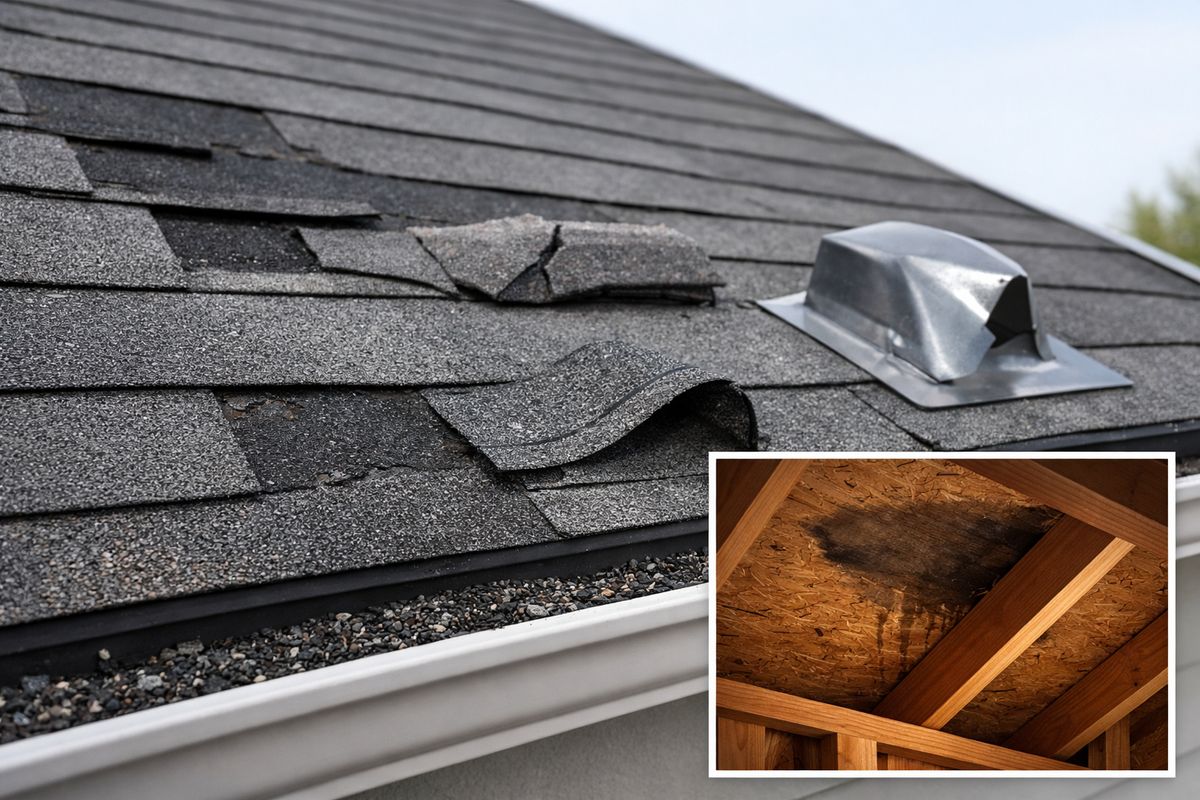
If shingles are missing, the roof is exposed right away. If shingles are lifted, creased, curled, or cracked, the seal may be broken even if the piece is still sitting there. Wind gets under that edge, rain follows, and now the underlayment has to do all the work.
This shows up a lot on aging Florida roofs. After years of sun, shingles get brittle and lose flexibility. A quick afternoon storm that blows through Fort Myers and leaves branches all over the block by dinner can finish off shingles that were already near the edge. If you want a sense of how aging changes your risk, it helps to read about how roof life really plays out here.
Dented, cracked, or broken roof materials
Impact damage is easy to underestimate. A branch can puncture a shingle roof, crack a tile, bend metal trim, or dent a metal panel hard enough to break a protective finish. Even small breaks matter because they create entry points for water.
The catch is that not all impact damage screams for attention right away. A cracked tile may still sit in place for a while. A dented metal panel may not leak the same day. But if the storm damaged the material enough to open it up, the clock has started.
Granule loss, bald spots, and exposed roof layers
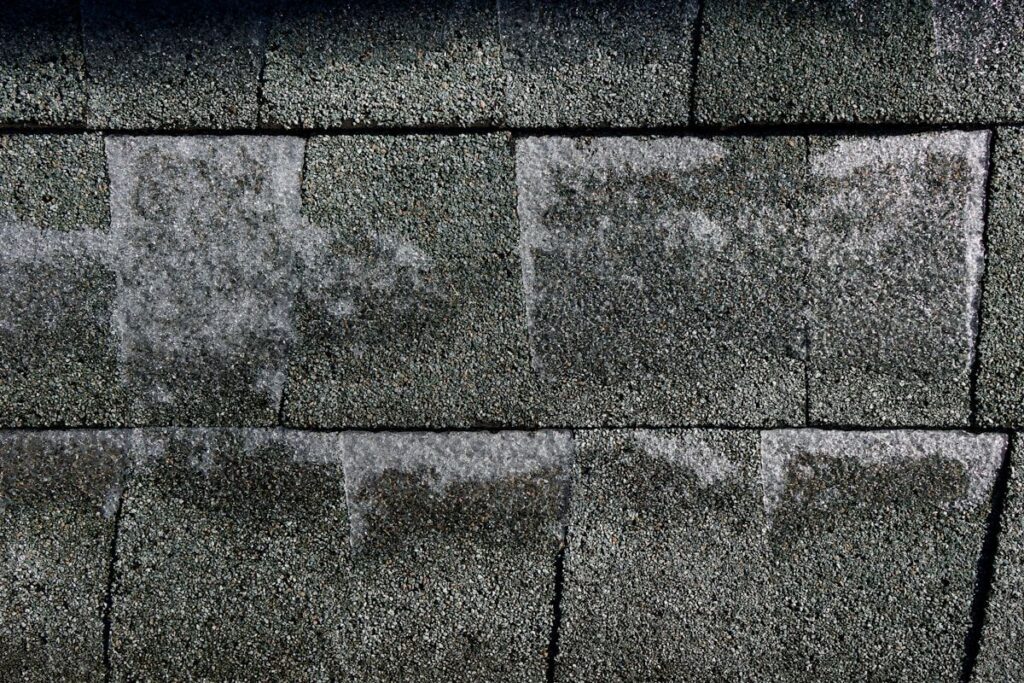
On asphalt shingles, granules are the gritty top coating. They help shield the shingle from sun and weather. A small amount in gutters is normal. Heavy granule loss after a storm is not.
If you see dark bald spots, patches that look freshly scraped, or uneven areas where the mat below is showing, that roof surface is wearing thin fast. In Florida, sun damage already weakens shingles, and aged roofs are more brittle during storm events.
Damaged flashing, vents, gutters, and roof edges
Storm damage loves the weak points. Flashing around chimneys and walls can pull loose. Pipe boots, the rubber seals around plumbing vents, can crack or tear. Gutters can separate from the fascia. Drip edges and soffits can bend or peel back.
Think of these parts like the seals around a car door. If the seal fails, water finds the gap. Roof valleys, skylights, vent stacks, and edges deserve extra attention because that’s where leaks often start first.
Water stains, attic dampness, soft spots, and active leaks
Once water shows up inside, the issue moves to the front of the line. Ceiling stains, bubbling paint, musty attic air, wet insulation, and damp decking all point back to a roof system that isn’t keeping water out.
Sometimes the first clue is simple: a brown stain spreading across a ceiling at 6:30 in the morning after a night of wind and rain. Sometimes it’s subtler, like peeling paint near an exterior wall or a soft spot underfoot if somebody steps on the roof. Either way, repair is no longer optional. If moisture has already made it indoors, small roof problems can turn into major repairs faster than most homeowners expect.
What usually causes this kind of roof damage in Southwest Florida
Southwest Florida roofs take a pretty specific beating. The biggest threats are wind, wind-driven rain, debris, and the constant aging effect of heat.
Wind, wind-driven rain, and hurricane-season uplift
Strong gusts can lift shingle edges, break adhesive seals, loosen ridge caps, and peel back flashing. Once that happens, wind-driven rain can get sideways under the roofing material instead of just running off the top.
And a quieter forecast doesn’t mean much comfort. Even in a season with 8 to 14 named storms, Florida roofs can still take damage from tropical weather, severe thunderstorms, and random hard-blowing squalls.
Hail, flying debris, and pooling water
Hail is less common than wind in Southwest Florida, but it absolutely happens, and even moderate hail can bruise shingles or crack tiles. More than 43.5 million properties in the U.S. face moderate or greater hail risk, so it’s not some rare fluke.
Flying debris is often the bigger issue locally. Palm fronds, branches, loose fence pieces, and patio items can hit the roof hard enough to break something. On flatter roof sections, pooling water adds another problem. If water sits too long near drains or low spots, weak seams and flashing failures show up fast.
How to check for storm damage without making things worse
A careful inspection helps. A risky one doesn’t.
Start from the ground and inside the house
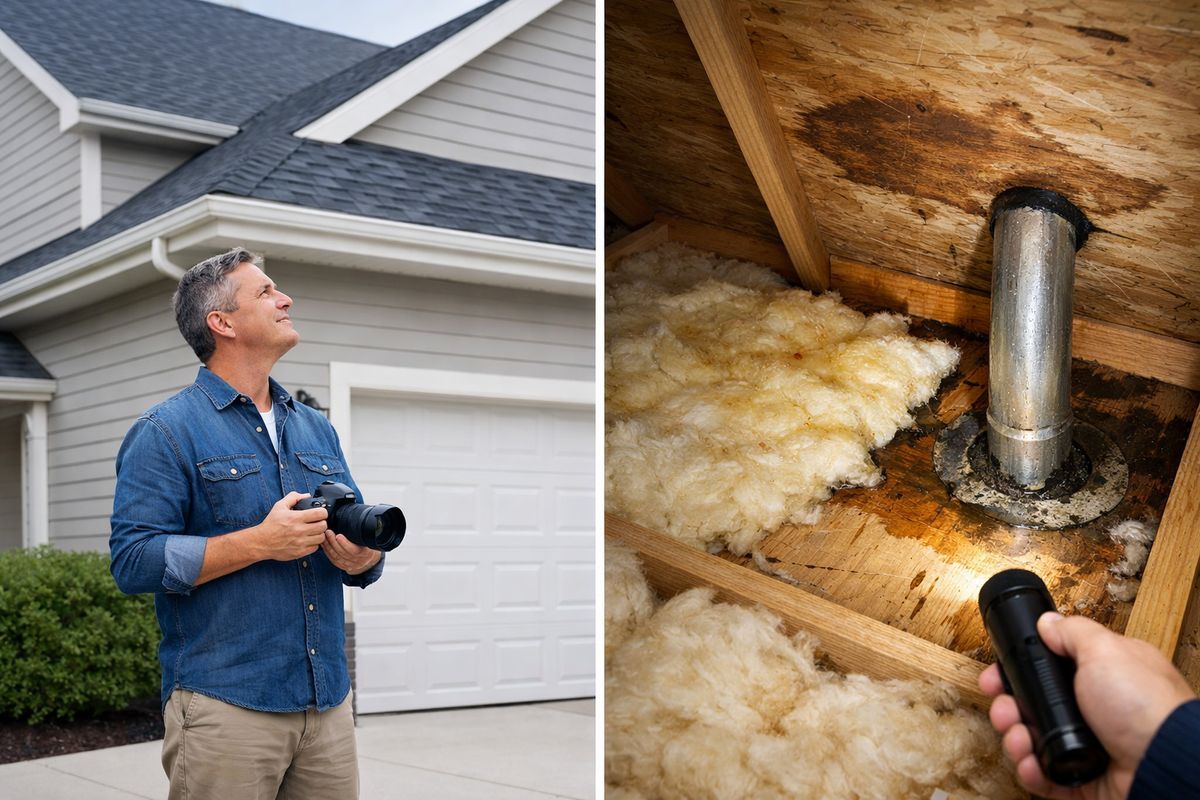
Start outside at ground level. Look for missing shingles, bent gutters, debris impact, sagging lines, or shingle pieces in the yard. Then head inside and check ceilings, attic spaces, around vents, and near skylights for dampness or stains.
Photos matter. Video helps too. Take them as soon as it’s safe, before cleanup hides the evidence. That record is useful for both repair decisions and insurance paperwork.
What to document for repairs and insurance
Document the date of the storm, visible roof damage, fallen limbs, water spots inside, gutter damage, and any emergency tarp or patch. Cause matters because wind and flood damage may be handled under different coverage.
Keep receipts for emergency work. Save damaged materials if possible. And don’t assume a leak automatically means full replacement is covered.
When not to get on the roof
If the roof is wet, steep, soft, visibly broken, or older and fragile, stay off it. Hidden soft spots and damaged decking are not worth a fall.
A professional inspection makes more sense when the roof looks compromised or you suspect damage around vents, valleys, or flashing. If the issue has already become an active leak, it helps to know what a leak repair visit usually involves.
Repair, patch, or replace? how to know the difference
This is the big question, and the answer is usually less mysterious than it sounds.
Signs a targeted repair is usually enough
A targeted repair is often enough when damage is isolated. One missing shingle area, one bent flashing section, one vent boot failure, or one clear impact point can often be fixed without redoing the whole roof.
That only works if the surrounding roof is still in decent shape. Quick repairs are worth doing because they stop water intrusion before it spreads into decking, insulation, drywall, and paint.
Signs the damage points to a bigger roofing problem
Replacement moves higher on the list when the storm hit an already tired roof. Widespread uplift, repeated leaks, multiple damaged sections, soft decking, and lots of brittle materials usually mean patching will just chase problems around.
This happens a lot on older roofs in Florida. Once age, UV exposure, and storm stress pile up together, the roof can cross from repairable to not worth patching pretty quickly. In those cases, the warning signs look a lot like other can’t-ignore roof trouble.
Temporary fixes vs. permanent repairs
Tarps, roof sealant, and emergency patches have a place. If water is getting in, stopping it today matters.
But temporary fixes are just that, temporary. A tarp buys time. Caulk can slow a leak. Neither solves broken shingles, cracked flashing, soft decking, or damaged underlayment underneath.
What to do next if you spot storm damage roof issues
Panic doesn’t help. A calm, fast response does.
Call a roofer before small damage turns expensive
If the roof’s protective barrier is broken, get it inspected soon. Hidden damage below the surface often doesn’t show from the driveway, and delays usually mean a bigger repair bill later.
Handle the insurance side without getting pushed around
File promptly, keep your photos organized, save receipts, and pay attention to cause. Wind damage and flood damage can be handled differently, so details matter.
Watch for red flags. Be cautious with anyone promising a full replacement before an inspection, offering to waive your deductible, or pushing you to sign on the spot. Consumer agencies consistently warn against deductible-waiving promises.
How to choose a trustworthy local roofing contractor
Look for a real local presence, proof of insurance, a clear written scope, and a written estimate that explains repair versus replacement honestly. A good contractor doesn’t use storm panic to force a big sale. A good contractor shows what’s damaged, explains why it matters, and gives you room to think.
Frequently asked questions
Can a roof have storm damage even if it doesn’t leak yet?
Yes. Lifted shingles, cracked tiles, broken flashing, and punctures can all be real storm damage before water shows up inside. Waiting for a leak usually means waiting for more damage.
Is a few shingle granules in the gutter a problem?
Not by itself. A small amount is normal. The concern starts when you see heavy granule loss, bald spots, or fresh-looking patches after a storm.
Should you tarp a storm-damaged roof right away?
If water is actively getting in and it’s safe to do so, an emergency tarp can help protect the house. It’s a short-term move, not the final repair.
Will insurance cover storm damage to your roof?
Often yes for wind or hail, but coverage depends on the cause and your policy. Flood-related damage is usually handled differently, so documentation matters.
How soon should you get a roof inspected after a storm?
As soon as it’s safe. Fast documentation and early inspection make it easier to catch hidden damage and support a claim if you need one.
After the next hard storm, try one simple thing: walk the perimeter of your house and take five clear photos before branches, leaves, and shingle pieces get cleaned up. That five-minute habit makes roof decisions a whole lot easier when something actually needs repair.