
If you are staring at a ceiling stain in Fort Myers and wondering about roof repair or replacement, the answer is usually simpler than it feels. Repair makes sense when the roof is still relatively young and the damage is limited, but replacement wins when the roof is old, leaking more than once, or showing trouble across multiple areas.
Quick answer: roof repair or replacement?
Here’s the plain-English version: repair a newer roof with one clear problem. Replace an older roof with repeat problems.
That rule holds up surprisingly well in Southwest Florida. A few missing shingles after a windstorm, a failed vent boot, or one flashing issue around a chimney often lands squarely in repair territory. But if your roof is near the end of its expected life, has multiple leaks, or looks like it has been patched over and over, replacement is usually the smarter move. Not cheaper today, of course. Smarter overall.
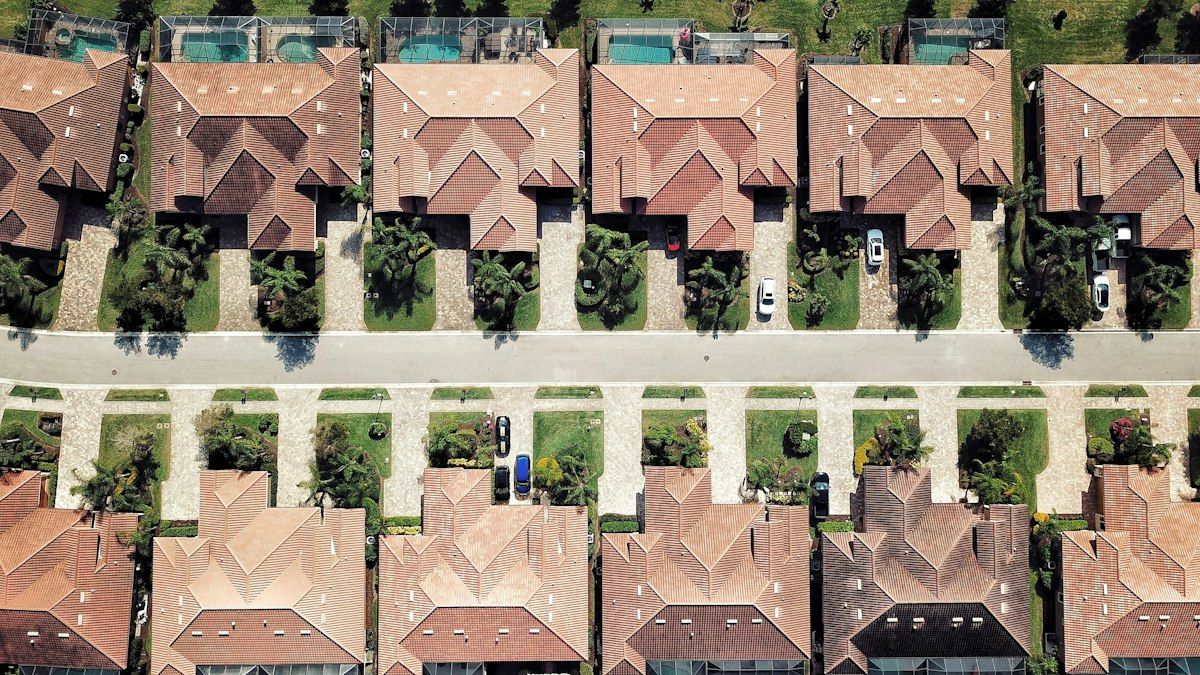
Age of the roof
Age is one of the fastest ways to narrow the decision. Roofs age everywhere, but Florida speeds the clock up.
Typical Florida lifespans by material
In Florida, asphalt shingles usually last about 15 to 25 years, metal often lasts 40 to 70 years, tile can last 40 years or much longer, and flat roof systems commonly run 15 to 25 years. Those ranges are useful because once your roof is approaching the upper end, every repair starts buying less time. A roof that is 22 years old and still made of asphalt shingles is in a very different category than a 9-year-old shingle roof with one storm issue.
Why age matters more in Florida
The brochure version of roof lifespan assumes fairly normal weather. Florida is not that. Constant sun, UV exposure, humidity, heavy rain, and hurricane season wear roofing materials down faster than many owners expect. Even expected roof lifespans need a little skepticism once a roof has spent years baking through Southwest Florida summers and getting soaked through rainy season.
Type and size of damage
A roof problem is not just about what broke. It is about how much broke, and where.
Damage that usually fits a repair
A repair usually makes sense when the damage is isolated. Think a few missing shingles, a small flashing failure, one leak around a vent pipe, or a trouble spot over one room after a storm. If the rest of the roof is in decent shape, a targeted fix can solve the problem without turning into a money pit.
This is also where a proper inspection matters. If you want a clearer picture of what gets checked and why, it helps to understand what a full roof review usually includes.
Damage that usually points to replacement
Replacement becomes the better call when damage spreads across large sections, shows up on more than one slope, or includes sagging areas, multiple active leaks, or widespread shingle loss. A roof is a system, not a collection of random parts. Once failure starts showing up in several places, patching one section can feel like fixing one leak in an old garden hose while three more are about to split.
Leaks, water stains, and hidden moisture
A leak never means “ignore it for now.” But it also does not automatically mean your whole roof is done.
One leak vs. repeat leaks
One leak with one obvious entry point can often be fixed. Repeat leaks are different. If water keeps showing up after prior repairs, the problem usually is not one bad shingle or one sloppy seal. It is a sign the roof system is wearing out or storm damage was broader than it first looked.
What to check inside the house
Look for yellow or brown ceiling stains, damp insulation in the attic, musty or moldy smells, soft spots, and unusual attic humidity. Those indoor clues matter because water often travels before it appears. A stain over your hallway may have started near a valley or vent several feet away. Water stains and attic mold are strong warning signs that the issue is already bigger than a cosmetic touch-up.
Overall roof condition
Sometimes the deciding factor is not the obvious problem. It is everything around it.
Signs the roof still has life left
A roof that still makes sense to repair usually looks mostly intact overall. Wear is fairly even. Shingles still lie flat. Tile is largely unbroken. Metal components are not heavily rusted. You are not seeing patch after patch from years of emergency fixes. In that case, a good repair can be a real fix, not just a delay tactic.
Signs the roof is wearing out as a system
Watch for curling shingles, bald spots from granule loss, cracked tiles, rusted flashing, soft decking, and layers of old repairs. Once you start seeing failure in both the outer surface and the components underneath, replacement is often the honest answer. If you are buying a home, this is exactly why looking at the roof before closing on a house can save you from a very expensive surprise.
Storm damage and Florida weather
Florida changes the math fast. Routine wear is one thing. Storm damage is another.
What storm damage looks like after the weather clears
After a storm, look for lifted shingles, loose flashing, dent marks, debris impact, fresh leaks, and wet spots that show up a day or two later. The tricky part is that roofs can look mostly fine from the driveway while still having openings that let water in. High winds can loosen materials just enough to create a future leak, which is why hidden post-storm damage is such a common Florida problem.
Why timing matters after a storm
Timing matters because June through November does not usually give you one clean break. One storm can be followed by another. Quick photos, a prompt inspection, and fast documentation help you protect the roof and support any insurance claim. If you are sorting out recent wind or rain issues, it helps to know what happens after storm damage is found.
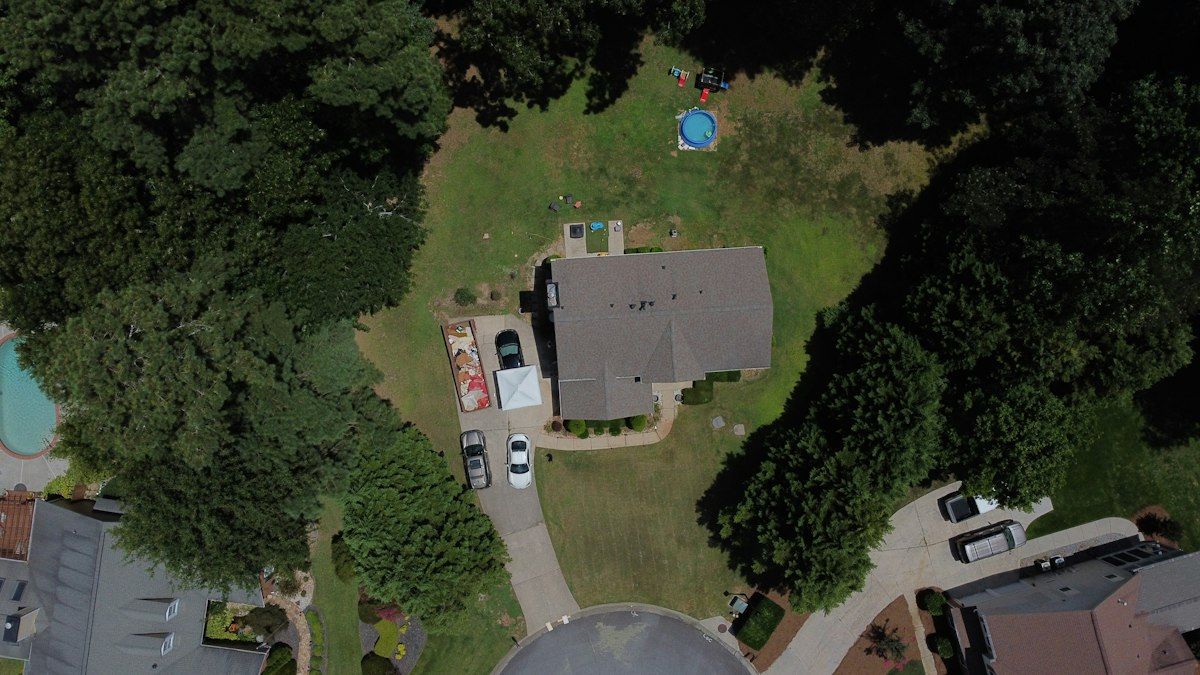
Repairs vs. replacement cost
This is where short-term relief and long-term value start pulling against each other.
Typical repair cost ranges
In Florida, minor repairs often run from about $100 to $1,000. Moderate repairs usually fall around $1,001 to $2,000. Major repairs start above $2,000 and can keep climbing if decking, structure, or multiple leak areas are involved. That means a “simple repair” is only a bargain if it actually solves the problem.
Typical replacement cost ranges in Florida
Full replacement is a much bigger check. For many Florida homes, total roof replacement starts around $8,500 and can go well past $25,000 depending on material, complexity, and location. On a 2,000-square-foot roof, common Florida replacement ranges are roughly $11,500 to $18,500 for asphalt, $15,000 to $24,000 for metal, and $20,000 to $32,000 for tile. Permit fees, tear-off, disposal, and hidden decking damage can push totals higher.
The repair trap
Here’s the catch: repeated repairs on an aging roof work a lot like constant repairs on an old car. You keep paying, but you never get the reset. If your roof is near the end of its lifespan and the repair bill is creeping into the thousands, replacement often becomes the better value because it stops the cycle.
Permits, inspections, and decking repairs
Permits and inspections are part of the job, not an optional add-on. In many Florida areas, permit fees run roughly $150 to $800. Then there is the hidden part: once the old roof comes off, damaged decking may need replacement too, often around $1.50 to $3.00 per square foot. That can change the final number fast.
Insurance claims and documentation
Insurance can help a lot, but only under the right circumstances.
When insurance may help with repair or replacement
Insurance is more likely to help when damage is sudden and storm-related, like wind damage or a fallen tree. It is far less likely to help with old age, deferred maintenance, or a slow leak that has been building for months. Cause matters just as much as condition.
What to document right away
Take photos of missing shingles, damaged flashing, water stains, fallen branches, and any debris impact. Save dates, weather details, invoices, and inspection reports. If something changed right after a storm, write that down while it is fresh. Good documentation speeds things up and gives you something solid to point to if the claim gets messy.
When roof repair makes sense
Repair is the right answer more often than some roofing sales pitches suggest.
Good repair candidates
A good repair candidate usually has a younger roof, isolated damage, one limited leak, and plenty of remaining life in the rest of the system. If most of the roof is still sound, fixing the specific failure is reasonable and cost-effective.
When a repair buys real time
A proper repair should buy you years, not weeks. If the roof is in otherwise good shape, replacing flashing, sealing a penetration, or repairing one storm-damaged section can meaningfully extend service life without wasting money.
When roof replacement makes sense
This is the section where dancing around the answer stops.
Strong replacement triggers
Replacement makes sense when the roof is old, leaks keep returning, storm damage is widespread, past repairs have already failed, or Florida code pushes the project past repair territory. Those are not “maybe later” signs. Those are replacement signs.
Why replacement can be the better value
A new roof gives you a clean reset. Better storm protection, fewer surprise leaks, cleaner insurance documentation, and less buyer anxiety if you plan to sell. In Florida, that reset can matter a lot because severe weather does not wait for a convenient budget cycle.
How to choose a trustworthy Southwest Florida roofing contractor
The wrong contractor can turn a manageable problem into a miserable one.
What to ask before you sign anything
Ask for Florida licensing, proof of insurance, an itemized estimate, warranty details, permit handling, expected timeline, and local code experience. You want specifics, not smooth talk. A good estimate should show materials, labor, cleanup, and any known permit costs.
Red flags to watch for
Watch for vague pricing, pressure to sign immediately, no written scope, cash-only deals, and storm-chaser behavior right after bad weather. If one quote is dramatically lower than the others, assume something is missing until proven otherwise.
Why getting 2-3 quotes matters
Quote gaps can be surprisingly wide. In some cases, bids vary by as much as 30%. Comparing two or three itemized quotes helps you catch inflated pricing, missing scope, or unrealistic assumptions before the work starts.
Final verdict: which one wins for your roof?
If your roof is younger, the damage is isolated, and the rest of the system still looks healthy, repair wins. If your roof is older, leaking repeatedly, damaged across large sections, or pushing into code issues, replacement wins.
The simple move is this: book an inspection, compare the findings against this checklist, and do it before the next big rain rolls through Fort Myers.
Frequently asked questions
How can you tell if a roof leak needs repair or full replacement?
One leak in one spot often points to repair. Multiple leaks, repeat stains, attic moisture, or signs of broad roof aging usually point to replacement.
Is it worth repairing a 20-year-old shingle roof in Florida?
Usually only if the problem is small and the rest of the roof is still in unusually good shape. Once an asphalt roof is around 20 years old in Florida, replacement often makes better long-term sense.
Does storm damage always mean a new roof?
No. Small storm damage can often be repaired. But widespread wind damage, damage across multiple slopes, or code triggers can push the project into replacement territory.
Can insurance pay for roof replacement in Florida?
Sometimes, yes, if the damage was sudden and covered, such as wind or impact damage. Insurance usually does not cover wear, age, or long-term neglected leaks.
How many quotes should you get for roof work?
Two or three detailed quotes is the sweet spot. That gives you enough comparison to spot missing items, inflated pricing, or a contractor who is guessing.
What should you do first if you are not sure?
Start with a professional inspection. A clear condition report is the fastest way to separate a fixable issue from a roof that is ready for replacement.