Why Your Roof Is Your First Line of Defense
When storm season arrives in Florida, your roof isn’t just another part of your home—it’s the primary barrier protecting everything underneath. Between hurricane, force winds, torrential rains, and airborne debris, a compromised roof can spell disaster. Without proper preparation, even minor vulnerabilities can result in massive structural damage and insurance headaches.
As the climate grows more volatile and storms intensify, roof storm readiness is no longer optional—it’s essential. This is especially true for homeowners in hurricane, prone regions where roofing standards must meet stricter codes and face more aggressive weather year after year.
This guide explores the crucial roof repair essentials you should evaluate before storm season hits, with a strong focus on metal roofing—widely regarded as one of the most storm, resilient systems available in Florida today.
Storm Season Is No Longer Predictable
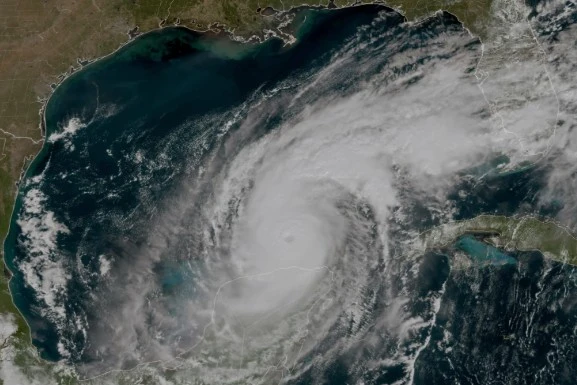
Every year, Florida faces more frequent and severe tropical storms. Climate data shows a steady rise in Category 4 and 5 hurricanes, bringing sustained wind speeds over 130 mph, heavy rainfall, and intense storm surges. Your roof takes the first hit—and sometimes, the hardest.
The DECRA Roofing blog points out that most homeowners underestimate the small issues that can become catastrophic under storm pressure. A minor seam lift, rusted fastener, or degraded flashing might seem harmless today but could turn into a leak path or a point of failure when winds exceed 120 mph.
Metal Roofs: Florida’s Go, To for Hurricane Protection
Engineered to Withstand the Worst
More homeowners in coastal areas are switching to metal roofs—and it’s no surprise why. A properly installed metal roof, particularly one using stone, coated steel or standing seam panels, can withstand wind speeds of 140 to 160 mph, easily meeting and often exceeding Miami, Dade County building codes.
According to Allstate Exteriors, the interlocking structure of metal roofing adds strength and cohesion. This design prevents panels from lifting or buckling under wind pressure, one of the most common forms of storm, related damage with traditional shingles or tiles.
Longevity Meets Storm Resistance
Metal roofs also resist common issues like water absorption, mildew, and rot. They are non, combustible, energy, efficient, and lightweight—reducing the strain on your home’s frame while offering one of the longest lifespans in the industry.
For Florida homeowners serious about storm preparation, a metal roof isn’t just a smart investment—it’s a strategic one.
Pre, Storm Roof Inspection: What to Look For
Your roof can’t protect your home if it’s already vulnerable. Before storm season starts, you should conduct or schedule a thorough inspection to identify weak points.
Here’s a comprehensive checklist inspired by professional assessments like the one provided by Owens Corning.
Surface Condition
Look for visible signs of damage or deterioration. This includes cracked or loose panels, rust spots on metal surfaces, or signs of water pooling. Staining and discoloration may indicate slow leaks or underlayment saturation.
Fasteners and Connectors
Check all exposed hardware. Loose or missing fasteners are a red flag—especially on metal roofs where secure attachment is critical. If screws or bolts appear rusted or stripped, they need to be replaced immediately.
Flashing and Seals
The flashing around chimneys, vents, and skylights often goes unnoticed until it fails. Inspect these areas for gaps, corrosion, or dried, out sealant. Sealant degrades faster under UV exposure, especially in the Florida sun.
Underlayment Integrity
If possible, inspect the condition of your underlayment—the waterproof barrier between your roof panels and roof deck. Tears, mold, or soft spots are serious indicators of water intrusion and potential future leaks.
The Forgotten Element: Drainage Systems
While your roofing surface takes center stage, don’t forget about your gutters and downspouts. These systems prevent water from backing up and infiltrating your home at the roof’s edges or foundation.
According to Sunflo Roofing, poorly maintained gutters contribute significantly to water, related damage during hurricanes. Leaves, sediment, or improperly pitched troughs can stop water from draining efficiently, leading to backups at the roof’s weakest points.
Make sure all drainage channels are cleared and that fasteners are properly securing gutters to fascia boards. Also check for sagging or misalignment, both of which can cause overflow under heavy rain.
Roof Penetrations and Equipment: Weak Points You Can’t Ignore
Any object that breaks the continuity of your roof—vents, skylights, HVAC units—is a potential vulnerability. During a major storm, poorly sealed penetrations can allow wind, driven rain to enter your attic, cause insulation damage, and weaken your home’s structure.
Pay particular attention to:
-
- Vent pipes and exhaust fans
-
- Solar panel mounts or satellite dishes
-
- Roof, mounted HVAC systems
Ensure all of these are securely mounted and sealed. Check that storm boots and flashing collars are snug and free from tears or rust.
Knowing When Repairs Aren’t Enough
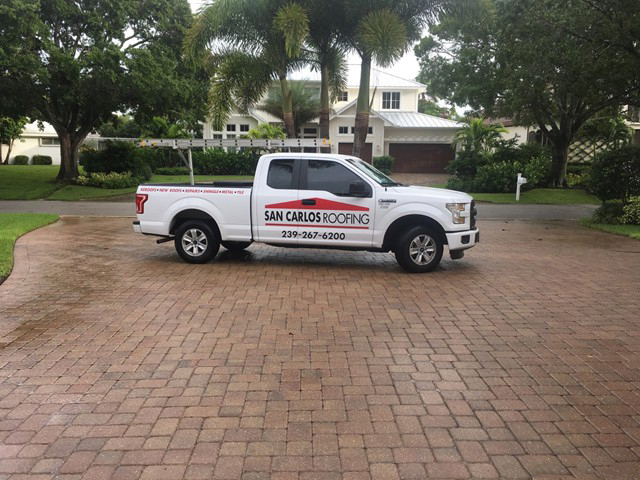
Sometimes, patching problems isn’t the right move—especially if your roof is over 20 years old or has suffered multiple rounds of minor repairs. According to San Carlos Roofing, ongoing patchwork without addressing underlying issues often leads to more costly damage during the next storm.
If your roof shows signs of soft decking, systemic rust, or structural compromise, replacement may be the safer, more cost, effective option. Florida building code updates also mean older roofs may no longer meet current storm, resistance standards, putting your home (and your insurance policy) at risk.
How to Get a Professional Storm, Readiness Assessment
Not sure whether you need a minor repair, major reinforcement, or a full replacement? Many Florida, based contractors now offer storm, readiness audits. These inspections go beyond surface checks to evaluate the integrity of the decking, fasteners, flashing, and underlayment.
Ask for a written report, complete with photos and recommendations. This documentation can also support insurance claims if damage does occur after a storm.
Weak Spots That Fail First in a Florida Storm
When a major storm rolls through Florida, your roof becomes the frontline barrier between your home and disaster. While many homeowners believe their roofs are solid, even small vulnerabilities can turn into catastrophic failures under 120+ mph wind gusts or heavy, sustained rainfall.
This section uncovers the most common failure points that compromise storm protection—along with insights on how metal roofing and storm, smart design can help you stay protected.
Wind Uplift and Edge Vulnerabilities
Wind uplift is one of the most aggressive forces a storm can exert on your roof. It doesn’t just blow from the top—it infiltrates from underneath, especially at roof edges, eaves, and ridge caps. Traditional shingles are particularly prone to being lifted and torn away when wind gets beneath them.
That’s why modern roofing systems—especially stone, coated metal—feature interlocking panels, concealed fasteners, and hurricane, rated anchoring. According to Kelly Roofing, reinforcing the edges with additional fasteners and installing wind, resistant ridge caps can dramatically improve roof performance under pressure.
If your current roof lacks these design features, it may be time to consider a storm, resilient upgrade like a roof replacement through a contractor that specializes in Florida’s weather challenges.
Improper Flashing Installation: Small Detail, Big Risk
Flashing is a thin layer of metal installed around critical areas such as chimneys, skylights, vent pipes, and roof valleys. It’s designed to redirect water away from vulnerable joints—but if it’s improperly sealed, loosely fitted, or corroded, it creates an ideal pathway for leaks during a storm.
Metal roofs in particular rely heavily on effective flashing, as water can travel long distances beneath the panels before showing interior signs. High, quality flashing, paired with fresh sealant and professional installation, is one of the easiest ways to prevent structural water damage.
If you’re unsure about your roof’s flashing integrity, consider reaching out for emergency roof repair before the storm season ramps up.
Aging Roof Systems and Worn Materials
Age is one of the most telling factors in a roof’s ability to withstand a storm. Asphalt shingles generally begin to degrade after 15–20 years, while tile systems suffer from broken or dislodged pieces over time. Once those outer layers weaken, water infiltration becomes inevitable.
In contrast, metal roofing systems are engineered for longevity. Stone, coated and standing seam panels can last 40 to 70 years with proper maintenance—outperforming other materials in both impact and wind resistance.
If your current roofing system is showing signs of wear, or if you’ve had to patch it more than once in recent years, it’s worth scheduling a full roof inspection and repair before hurricane season begins.
Drainage Systems: The Overlooked Factor
Many homeowners forget that an otherwise solid roof can still fail if water doesn’t have a way to escape. Poorly maintained gutters, clogged downspouts, or misaligned valleys can cause water to pool and back up into seams, underlayment, or even into the attic structure.
Ensuring clear, well, anchored gutters and properly pitched downspouts is critical to keeping the edges of your roof—and the foundation of your home—protected during heavy storms.
As part of your storm readiness checklist, be sure to clean and test your entire drainage system. For properties with larger roof spans or metal systems that shed water quickly, oversized gutters may also be worth considering.
Roof Penetrations: HVAC Units, Vents, and More
Any object that disrupts the flow of your roof—be it a vent pipe, HVAC unit, satellite dish, or solar mounting bracket—is a potential failure point. If the penetrations aren’t tightly sealed or reinforced, wind, driven rain can find its way in fast.
Inspect each of the following before storm season:
-
- Ridge vents and attic ventilation caps
-
- Plumbing stacks and vent boots
-
- Satellite or antenna mounting points
-
- Rooftop AC units or solar arrays
Use a licensed contractor to ensure penetrations are flashed and sealed properly, and don’t rely on caulk alone—it breaks down quickly under UV exposure. If your home includes rooftop equipment from a prior build, it may require reinforcement through a new construction roofing specialist.
Material Breakdown: Which Roof Types Hold Up Best?
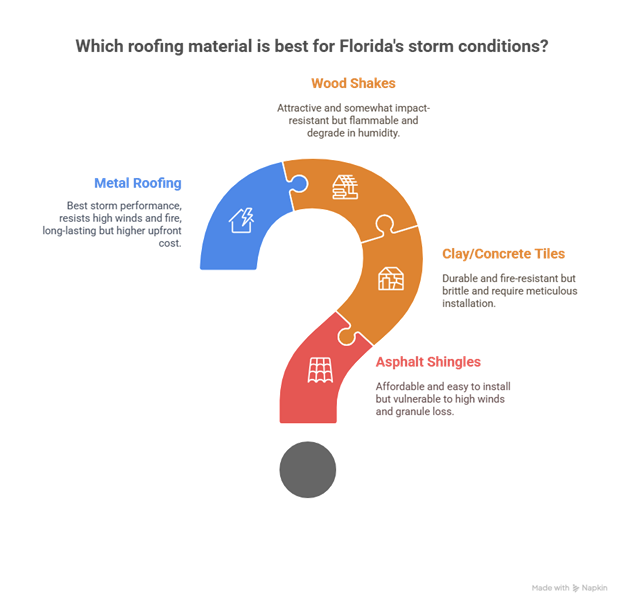
Asphalt Shingles
-
- Lifespan: 15–25 years in Florida.
-
- Storm Resistance: Low. Vulnerable to wind uplift, curling, and tearing.
-
- Ideal For: Short, term budgets, mild storm zones.
Concrete or Clay Tile
-
- Lifespan: 30–50 years.
-
- Storm Resistance: Moderate. Heavy and impact, resistant, but prone to breakage under debris or misaligned installation.
-
- Ideal For: Aesthetic builds in less storm, prone areas.
Metal Roofing
-
- Lifespan: 40–70 years.
-
- Storm Resistance: High. Tested against wind speeds of 140–160 mph. Interlocking seams and corrosion, resistant coatings enhance long, term durability.
-
- Ideal For: Hurricane zones and homeowners seeking a lifetime roofing system.
If you’re weighing a roof replacement or considering upgrading your current materials, metal consistently proves to be the most storm, resilient and cost, effective over time.
Documentation and Insurance Readiness
Before a storm hits, documentation is your best line of defense with your insurance provider. Start with:
-
- A full set of roof photographs, including close, ups of flashing, penetrations, and any prior repairs.
-
- A written inspection report from a licensed contractor.
-
- Copies of your roofing warranty and maintenance receipts.
Having this information on file helps streamline claims processing and avoids disputes about preexisting conditions. If your roof hasn’t been documented recently, now is the time to schedule it.
Avoiding Post, Storm Scams
After a storm, roofing scams spike. Many homeowners are approached by “contractors” offering fast repairs or free inspections—only to find that these services are incomplete, overpriced, or worse, never delivered.
Here’s how to spot the red flags:
-
- No proof of license or insurance
-
- High, pressure sales tactics
-
- Out, of, state phone numbers or plates
-
- Demanding payment upfront before work begins
Stick with reputable, Florida, based professionals like San Carlos Roofing who have experience with local code compliance, permitting, and storm restoration. Local roofers not only understand the weather patterns—they’re accountable for the quality of their work after the storm passes.
After the Storm—Response, Repairs, and Long, Term Protection
Even the most storm, ready roof can take a hit when a powerful system rolls through Florida. What matters next is how quickly—and how wisely—you respond. This final section breaks down what to do immediately after a storm, how to assess damage safely, and the long, term maintenance strategies that can make all the difference before the next season arrives.
What To Do Immediately After a Storm
Stay Safe Before You Inspect
The first step after a hurricane or tropical storm passes is safety. Downed power lines, unstable debris, or hidden structural damage can make it risky to rush outside. Wait until emergency services give the all, clear before attempting to inspect your property.
Once it’s safe:
-
- Walk the perimeter of your home with a camera or smartphone.
-
- Look for displaced panels, downed gutters, or debris on your roof.
-
- Use binoculars to check for damage from ground level.
-
- Do not climb onto your roof unless you’re a trained professional.
If you suspect a major issue—like torn flashing, lifted metal seams, or punctures from flying debris—contact your roofer for a formal inspection and emergency repair as soon as possible. San Carlos Roofing offers trusted, professional roof repair services tailored for post, storm response in Florida communities.
Inspecting the Interior for Hidden Damage
Sometimes, the signs of roof damage aren’t obvious from the outside. Be sure to inspect inside your home for indicators like:
-
- Ceiling stains or water spots
-
- Moldy smells or sudden humidity increases in the attic
-
- Bubbling paint or warped drywall
These are signs that moisture has made its way past the roofing system and into your home. Don’t delay—moisture problems escalate quickly and can lead to extensive interior damage and costly mold remediation.
Filing Your Insurance Claim the Right Way
Timing is crucial when filing a storm damage claim. Florida insurers are fielding thousands of calls after major storms, and delays in your paperwork can mean longer wait times—or denied coverage.
Here’s how to streamline your claim:
-
- Document everything. Submit photos of the damage, pre, storm photos (if available), and any repair invoices or inspection reports.
-
- Schedule a professional inspection. A contractor’s assessment carries weight with insurance adjusters and helps validate your claim.
-
- Don’t sign over control. Some storm, chasing contractors may pressure you into signing an “Assignment of Benefits” (AOB). This gives them control of the claim process and may result in inflated costs or disputes.
Choose a reputable, licensed contractor like San Carlos Roofing to handle inspections and documentation. Local contractors understand Florida’s unique insurance regulations and are invested in long, term relationships with their clients—not quick cash.
Routine Roof Maintenance: Your Best Long, Term Strategy
Think of roof maintenance like a tune, up for your car. It may not seem urgent until something goes wrong—but by then, the costs can be steep.
Scheduling annual or semi, annual inspections is one of the most effective ways to:
-
- Catch minor issues before they become expensive repairs
-
- Extend the lifespan of your roofing system
-
- Ensure compliance with warranty and insurance requirements
-
- Maintain energy efficiency and interior comfort
At minimum, every Florida homeowner should:
-
- Clear gutters and downspouts at least twice per year
-
- Check flashing and sealants for wear
-
- Inspect fasteners and anchors, especially after storms
-
- Verify that all rooftop equipment is securely attached
If you’re installing a new system or renovating a storm, damaged property, prioritize working with a contractor experienced in new construction roofing. Proper installation is the foundation of a storm, ready roof.
Post, Storm Roof Replacement: When Repairs Aren’t Enough
Sometimes the damage is too widespread for simple patching or minor reinforcement. If your roof is more than 20 years old, or if you’ve had multiple repairs in the past five years, replacement may be the safer and more cost, effective choice.
Common signs that indicate replacement is necessary:
-
- Major structural damage or compromised decking
-
- Multiple leaks throughout different parts of the home
-
- Roof no longer meets current Florida building codes
-
- Significant damage to underlayment or fastener systems
A full roof replacement with hurricane, rated materials, like metal or stone, coated steel, ensures your home is protected by a modern system built to withstand Florida’s most extreme conditions. It also adds long, term resale value and peace of mind during future storm seasons.
Storm, Ready Roofing: Key Takeaways for Florida Homeowners
Let’s recap the most critical essentials for preparing your roof before the next storm:
✔ Schedule a professional inspection before hurricane season
An expert can identify potential weaknesses before they become expensive failures.
✔ Address flashing, fasteners, and drainage systems
Small fixes can prevent major damage when winds and rain intensify.
✔ Upgrade materials where needed
Metal roofing continues to outperform all others for storm resistance and longevity.
✔ Keep documentation and photos on hand
Having proof of your roof’s pre, storm condition helps insurance claims go smoothly.
✔ Work with local experts
Companies like San Carlos Roofing bring localized knowledge, Florida code compliance, and dependable service to every job.
Your Roof Is Only Storm, Ready If You Are
Florida’s weather is as beautiful as it is unpredictable. A bright morning can turn into a full, blown hurricane warning by nightfall. That’s why taking proactive steps to prepare your roof isn’t just a smart idea—it’s essential for protecting your home, your family, and your investment.
Don’t wait for storm clouds to gather. Schedule your inspection, address those repairs, and if it’s time, invest in a roofing system designed to go the distance. Because when the next storm comes—and it will—you’ll want to know with absolute certainty: your roof is ready.