Florida roof maintenance before selling is something you don’t want to overlook. In Florida’s hot, humid climate, roofs can sustain wear and tear that might surprise you, even if you haven’t noticed any leaks. By conducting a thorough inspection and addressing issues in advance, you help protect your home’s value and reassure potential buyers that they won’t face costly repairs right after closing. Plus, a well-kept roof can save you from last-minute negotiations or delayed closings caused by insurance or lender concerns.
Understand Why Florida Roof Maintenance Is Important
Florida’s weather ranges from scorching sun to sudden downpours, with occasional tropical storms. Over time, heat and moisture can degrade roofing materials, while high winds test every shingle’s durability. If your roof is older than 15 or 20 years, insurance companies sometimes push for premature policy cancellations, which can complicate your home sale. Staying on top of maintenance is key to preventing last-minute surprises.
Regular checkups every year or two are a good way to spot small issues—like missing shingles or loose flashing—before they escalate. Comprehensive Florida roof maintenance before selling ensures you address problems with fasteners, seals, or vents that might lead to water damage. It’s also about peace of mind. When a buyer asks about the roof’s condition, you’ll have the answers ready.
Why Time Is Of the Essence
Whether your goal is fixing a minor issue or replacing an entire roof, starting early prevents avoidable delays. If you wait until a buyer’s inspection uncovers a problem, you risk having to renegotiate on price or offer credits for last-minute repairs. Tackle maintenance now, and you can confidently market your home, highlighting that your roof is ready for the next owner.
Recognize Common Roof Issues
Knowing what can go wrong on a Florida roof helps you discuss your property more confidently. Most prospective buyers and inspectors look for a combination of visible and hidden problems that might spell trouble down the road.
Missing or curling shingles
Damaged or rusty flashing
Soft, spongy spots on the roof deck
Algae stains, mildew, or moss
Clogged or sagging gutters
Not all problems are obvious from the ground. Sometimes discoloration hints at moisture below the surface, or a soft roof deck signals trapped water that can lead to rot. You might also notice granule loss in the gutters, which indicates shingles nearing the end of their lifespan.
Pay Attention to Ventilation
Proper attic ventilation is crucial in Florida. Without it, heat can build up in the attic, causing shingles to warp prematurely. A stuffy attic can also drive up energy bills by forcing your AC to work harder. Inspect your attic fans, eaves, and soffit vents to make sure they’re functioning. Good ventilation curbs mold and mildew—problems that could lower a home’s appeal or lead to inspection setbacks.
Prepare For a Professional Inspection
While you can handle some basic upkeep, a licensed roof inspector or contractor offers a thorough check of your entire roofing system. They’ll climb onto the roof, test shingles, examine flashing, and assess the underlayment for hidden water damage. Checking in with local building officials can further clarify any specific code requirements you need to meet. You can also review Florida building code guidelines on the Florida Building Commission’s website [1] for detailed information on regulations across the state.
A professional inspection not only flags potential problems but also produces credible documentation you can show prospective buyers. This kind of transparency helps your listing stand out, while making lenders and insurance companies more comfortable.
If you want additional resources for home maintenance in Florida’s climate, the University of Florida IFAS Extension [2] offers tips on everything from controlling indoor humidity to preventing mold.
Finding a Trusted Inspector
Look for someone with experience in Florida neighborhoods like yours. Consider asking for references from past clients who had similar roofing concerns. Keep an eye out for inspectors who provide photographic proof of their findings. Clear, detailed reports help you avoid disputes over whether an issue is new or pre-existing. You might also choose to cross-check your inspector’s credentials on a reliable state or municipal site to confirm license status.
Once you have a professional evaluation, it’s time to decide whether to fix problems or replace the entire roof. The right move depends on your budget, the roof’s age, and the extent of the damage.
Minor issues, such as a few missing shingles, are easy to fix. Quick repairs can solve localized leaks, especially if your roof is still relatively young. Patching or re-sealing might add years to its lifespan, which is vital if you plan to sell soon. If you’re opting for repairs, consider picking modern shingle colors that complement your home’s exterior for a fresh look.
For more extensive problems, especially if your roof is older than 15 years, a complete replacement can be the more cost-effective choice. This is especially true if an inspector suspects hidden damage lurking beneath the current surface. Many Florida homeowners see about 60 to 70 percent return on investment for a new roof—making it a strategic upgrade when every detail matters during a sale. If the thought of replacement makes you uneasy, it might help to compare the costs of incremental patches over time with the immediate boost a new roof provides to your property value.
Balancing Cost and ROI
Roof replacements can cost $10,000 or more in Florida, depending on factors like house size, slope, and chosen materials. But consider that a brand-new roof often speeds up the selling process. Buyers know they’re not facing near-term maintenance, and lenders are more willing to approve loans for a home with a reliable roof. You can also command stronger offers when you highlight that your property meets strict insurance guidelines.
You want potential buyers to see your roof and immediately feel reassured. One of the most important steps is keeping the roof, gutters, and surrounding areas clean and free of debris. Remove leaves, branches, and mossy patches—telltale signs that the roof might have been neglected. Make sure gutters and downspouts flow properly. You’d be surprised how quickly clogged gutters can allow water to creep under shingles, causing hidden damage that a savvy buyer or inspector will definitely notice.
Show Off a Well-Documented Roof
Buyers appreciate clear evidence of consistent maintenance. If you’ve had annual checkups or replaced parts of the roof, gather those receipts or photographs to provide a simple timeline of upkeep. Even if repairs were minor, listing out all the steps you’ve taken can help people see that you’ve been diligent. This extends to any warranties you might have. If your roofing materials or workmanship warranty is transferable, be sure to highlight that in your listing.
The Importance of Certifications
In Florida, a roof certification can accelerate a sale. A licensed roofing professional tags an estimated life expectancy to the roof, and that document goes a long way in quelling buyer doubts. Mortgage lenders and insurance companies often look for that certification as proof the roof will hold up. If your contractor gave you a certification after a recent inspection, include it in your listing documents to stand out from competing properties.
Keep Your Roof Sale-Ready
When it comes to Florida roof maintenance before selling, don’t forget that the ultimate goal is a quick, hassle-free closing. Here are a few final pointers to keep everything running smoothly:
Schedule an inspection in advance. Give yourself time to make repairs or replacements, and avoid scrambling after a buyer’s inspection.
Clean gutters often. Even if you’re not in hurricane season, Florida weather can surprise you with sudden rain that tests your water drainage.
Confirm attic ventilation is in good shape. Proper airflow means better energy efficiency, a longer roof lifespan, and lowered risk of mold.
Document every repair. A well-organized paper trail dramatically improves buyer confidence.
One Quick Resource
If you’re looking for professional insights or want more guidance on whether it’s time for a detailed roof inspection, you can check: San Carlos Roofing Inspections
They offer more information on thorough inspection steps, which can be an excellent companion to the repairs you might plan.
“By staying ahead of roof maintenance, you reduce the chance of last-minute surprises and strengthen your position when negotiating with buyers.”
Close The Deal With Confidence
With the state’s unpredictable weather and buyers’ heightened expectations, Florida roof maintenance before selling really comes down to preparation and transparency. Highlighting the steps you’ve already taken—like regular inspections or targeted repairs—helps buyers picture a stress-free move-in. If they know the roof can comfortably handle a Florida downpour, they’ll be far more eager to place their offers without haggling.
Whether you’re handling minor fixes or planning a full roof overhaul, your efforts will shine through in listing photos, buyer impressions, and final sale negotiations. Start early by checking the condition of your roof, enlisting trusted professionals, and documenting every step thoroughly. That way, you’ll be ready for the questions buyers and inspectors typically ask, and you’ll avoid unexpected delays or renegotiations. In the end, a proactively maintained roof saves you time and money—and leaves both you and your buyers feeling good about the deal.
Natural light can make a cozy Florida living room feel inviting, but when it comes to buying a home, the real game-changer is a proper roof inspection. You might be surprised how many Florida homebuyers overlook the roof until an unexpected repair bill arrives. By scheduling a professional evaluation before closing, you protect your investment from hidden leaks, storm damage, and insurance headaches. Below, you will find what you need to know about a roof inspection for Florida homebuyers—including the biggest red flags, what inspectors check, how codes matter, and when to repair or replace.
Why a roof inspection matters in Florida
Florida’s weather is more than just sunny skies. Frequent rainfall, high humidity, and an active hurricane season make your roof the primary barrier between you and the elements. A neglected roof can have small issues—like cracked shingles or clogged gutters—that escalate into major structural problems once the weather intensifies.
You want peace of mind that your future home can handle tropical storms, intense UV rays, and heavy downpours. A qualified professional checks for early signs of damage, such as hidden leaks, poor ventilation, or failing materials. By identifying red flags early, you can negotiate repairs, budget accordingly, or walk away from a deal if the roof proves too costly to fix.
Common roofing challenges in Florida
Climate conditions in Florida tend to speed up roof wear. Blazing sunshine can cause shingles to crack, curl, or lose granules faster than they would in milder regions. In addition, high humidity fosters mold and algae growth, which weakens roofing materials and causes unsightly staining.
Florida storms can also be quite severe. Heavy rain, high winds, and the occasional hail event contribute to dented metal panels, torn shingles, or knocked-off tiles. Pooled water from clogged gutters might seep under your roof covering, compromising the underlying structure. Because of these risks, your roof inspection should be more than a quick glance; it should be thorough and tailored to Florida’s unique conditions.
What inspectors look for
When you schedule a roof inspection, professionals evaluate surface materials, underlying structure, and crucial components that keep your home dry and secure. Getting familiar with these key areas helps you understand what to expect and why inspectors deem certain repairs urgent.
Materials and their condition
Your inspector examines shingles or tiles for any cracking, curling, or missing pieces. In Florida, even one missing shingle can allow rain to seep beneath the roof deck. Asphalt shingles are affordable and common, but they degrade faster under UV rays, often requiring consistent evaluations. Metal panels can rust in salty coastal air, while clay or concrete tiles may crack over time. According to professionals, paying attention to these details can often determine if simple fixes ward off leaks or if larger repairs are needed [1].
Structural integrity
A sagging roof line might indicate rotting wooden supports or water-damaged underlayment. Inspectors also check for uneven surfaces or dips, which can be early warnings of internal damage. In Florida, wooden components can warp in high heat and humidity, so if you see any bulges or depressions, it’s important to investigate thoroughly. A slight dip could mask a bigger problem waiting to happen once the next storm rolls in.
Attic and ventilation
An often-overlooked part of any roof inspection for Florida homebuyers is the attic. Good airflow through the attic prevents moisture buildup that fosters mold, wood rot, or weakened decking. When humidity seeps in and can’t escape, structural problems escalate, and your cooling costs often skyrocket. Pro inspectors commonly check insulation levels, vents, and attic moisture. Maintaining these systems helps extend your roof’s life and keeps your home comfortable year-round [2].
Flashing and gutters
Crucial points like flashings around chimneys, vents, or skylights often develop small cracks or rust, leading to leaks that sneak into your attic. Gutters that aren’t cleaned or maintained may back water up under the roof covering. In Florida, where sudden, heavy downpours are the norm, a clogged gutter can cause damage quickly. Ask your inspector if they see any signs of water pooling or erosion around your home’s foundation.
Frequency of inspections and typical costs
In Florida, many experts recommend an annual or biannual roof check, especially if you live in areas prone to strong winds and tropical storms. Even if the weather has been calm, heat and humidity alone can degrade roofing materials faster than you might think. If you suspect storm damage—or if your roof is edging past 10 years old—regular checkups become essential.
You might pay between $100 and $400 for a standard inspection, depending on your roof’s complexity and the methods used. More advanced options such as drone or infrared imaging can be pricier but reveal hidden problems traditional inspections might miss [3]. While you might wince at the cost upfront, discovering roof damage early can save you thousands in repair bills or from unexpected insurance hurdles.
Florida building codes and insurance requirements
Beyond the immediate costs of fixing a damaged roof, Florida law and insurance regulations also drive the need for thorough inspections. Properties older than 25 years often must pass roof evaluations as part of a 4-point inspection that also covers plumbing, HVAC, and electrical systems [4]. If the roof fails, you might face coverage denial, policy cancellation, or significantly higher premiums.
There is also Florida’s 25% roof replacement rule, which states that if you need to repair more than 25% of your roof area within a 12-month period, you must replace the entire roof to meet code requirements. This can be a budget-busting surprise if you didn’t factor it into negotiations. Understanding these codes ahead of time helps you plan finances and decide whether to move forward with the purchase or request the seller to address major repairs first.
Preparing for your roof inspection
If you’re under contract for a Florida home, schedule a roof inspection early so you have enough time to make informed decisions. Ideally, arrange the appointment after any storms have passed, so your inspector can spot fresh damage. Request that the seller clears the roof and gutters of debris to give professionals safe, unobstructed access.
A quick conversation with your inspector ensures you’re on the same page about the inspection’s scope. Ask if they will inspect the attic, document photographic evidence of problem areas, or provide an estimated roof lifespan. Having these details upfront clarifies possibilities like minor repairs before closing or a more extensive roof replacement.
The role of repairs vs. replacement
When the inspection report arrives, reading it might feel daunting. Sometimes, the issues are inexpensive fixes: replacing a few cracked shingles or patching minor leaks. Other times, structural damage or widespread moisture intrusion might leave you with no choice but a full replacement. In Florida, roofs typically last around 20 years with the right care [1]. However, harsh conditions can shorten that considerably.
Small repairs now could delay a pricey replacement for several years, especially if the roofing materials are in otherwise decent shape. Still, if you’re dealing with repeated leaks, rotted decking, or severely worn shingles, a complete replacement might be more cost-effective and appealing to future buyers. This juncture is also where Florida’s 25% rule might force your hand. If your roof’s damage is widespread, you could quickly surpass that threshold.
How to choose a trustworthy inspector
Your real estate agent might offer a list of local inspectors, but you want to ensure they have the skill set specific to Florida roofs. Ask about certifications or affiliations, such as Haag Engineering Certified Inspector credentials for residential properties, which indicate advanced knowledge of identifying storm damage or subtle structural issues.
To reduce potential conflicts of interest, some homebuyers prefer independent inspectors, rather than roofing contractors who might push for full replacements. Review online testimonials and confirm they carry proper licensing. You can also look for references with local associations or check Florida’s license databases through official state websites (.gov) for validation.
If you’d like to see an example of a dedicated local roofing inspection service, consider exploring San Carlos Roofing audits, which focus on comprehensive roof condition reports. Their emphasis on Florida’s climate challenges helps you gauge what to expect when working with a specialized team.
Key steps after the inspection
Once you have the final report in hand, the next move depends on the severity of any issues found. For minor problems, you might request the seller to fix them before closing. If you’re dealing with bigger concerns—such as a near-end-of-life roof—you could negotiate the purchase price or ask for repair credits. In hot markets, not every seller will agree to your requests, but at least you’ll have the information you need to proceed safely.
You’ll also want to confirm your homeowner’s insurance coverage aligns with the roof’s current condition. Some insurers require a recent inspection report stating your roof still has adequate years of life left. If your insurer deems the roof risky, you may also face higher premiums or the need to switch policies.
Additional tips for Florida homebuyers
You don’t have to be a professional roofer to spot some giveaway signs that signal trouble. If you see dark patches, missing shingles, or moldy odors in the attic, point these out to your inspector right away. Also, pay attention to your gutters. If you notice water streaming over the edges or debris piling up for days, the inspector might discover an underlying drainage problem.
Below is a simple reference you can keep in mind before heading into negotiations or finalizing your contract:
Confirm roof age. If it’s 10–15 years old or more, you’ll want a thorough inspection.
Check visible attic leaks. Water stains or musty smells typically warrant deeper investigation.
Ask about past repairs. Inquire if partial replacements were made; this can affect the 25% rule.
Observe gutter performance. Any consistent overflow or pooling water near the foundation signals a drainage issue.
By including a dedicated roofing evaluation in your homebuying checklist, you set yourself up for fewer surprises and a clearer picture of future maintenance.
If you’re curious about planning and budgeting for issues uncovered during your inspection, check out this Florida roof inspection checklist. It breaks down everything from routine cleaning to more urgent repairs, giving you a clear way to track what’s already been done and what still needs attention.
Making roofing part of your home sale prep
If you’re worried about roof costs dragging down the sale—or if you’re looking for peace of mind as a buyer—being proactive makes all the difference. In Florida, prepping a property for sale often includes an upfront roof evaluation to handle minor damage before showings. If you’re the one buying, seeing documented roof care is a plus. It signals that the seller has taken steps to ensure their home is in good condition and not trying to hide major problems behind fresh paint or quick fixes.
Sellers who invest in professional roof maintenance before listing can often justify a stronger asking price, especially if there is a transferable warranty from a recent replacement. On the flip side, you should also request any relevant warranties or service records to confirm whether the coverage extends to you. The result? A smoother transaction and greater confidence in your final decision.
Negotiating repairs for peace of mind
Occasionally, you will find a home in your dream neighborhood, only to discover a leaky roof or missing shingles. Don’t panic. Use the inspection findings as leverage to request repairs or lower the price. In a balanced market, many sellers are willing to handle major issues that might compromise financing or insurance. But if you’re in a competitive market, be ready for the possibility of covering repairs yourself if you truly love the home.
When presenting repair requests, be specific. Ask for the problem area to be fixed by a licensed Florida roofing contractor with proven experience in storm-prone regions. Request documentation so you know exactly what was fixed and how. That way, you have a clear record if insurance or future inspectors have questions.
Planning long-term roof maintenance
No roof lasts forever, especially in Florida. Once you move in, schedule periodic reviews from qualified local pros and stay on top of small fixes. Regular cleaning, painting metal panels (if applicable), and clearing gutters can add years to your roof’s lifespan. While it’s tempting to put off minor tasks, Florida’s climate rarely shows mercy to neglected roofing materials.
If you’re ever unsure about the status of your roof, a quick call to professional inspectors is worth the cost. This approach early on prevents those emergency repairs that always seem to pop up at the worst time—like right before a tropical storm hits.
Conclusion
Buying a home in the Sunshine State involves more than deciding on paint colors or yard size. Taking the time to prioritize a roof inspection for Florida homebuyers helps you spot issues that may affect your budget, your insurance options, and your peace of mind. From prepping for hurricane-force winds to navigating insurance mandates, a thorough inspection protects both your family and your investment.
Whether you move forward with a minor patch job or realize a replacement is the better path, being informed is your best tool. Don’t wait until you experience a leak to wonder about your roof’s health. Florida’s climate demands year-round vigilance. By teaming up with a reputable inspector, following Florida building codes, and understanding your roofing options, you set yourself up for a confident home purchase—one that stands strong under the Florida sun and stormy skies alike.
Selling your Florida home means getting everything in order for potential buyers, and your roof plays a big role in that process. A well-maintained roof not only protects against everyday elements, it also reassures buyers that you have taken good care of your property. Going through a thorough Florida roof inspection checklist helps you spot issues before they become deal-breakers.
You want to ensure your roof meets local safety requirements and keeps home inspectors happy. In Florida, the climate can be unpredictable with heavy rains, blazing sun, and periodic hurricanes. Whether you are dealing with aging shingles, minor leaks, or bigger structural concerns, having a solid inspection process sets you on the right track. It also helps you demonstrate that your roof meets state standards and has the remaining lifespan buyers expect.
Below, you will find a structured guide to reviewing your roof condition, handling essential paperwork, and scheduling professional help. The tips here focus on common trouble spots—like shingles, flashing, and underlayment, that often come up during buyer walkthroughs. By following this Florida roof inspection checklist well in advance, you can showcase a roof that stands up to scrutiny and gives buyers peace of mind.
Start with roof age and materials
Your first step is to figure out how old your roof is and confirm the type of materials used. Different roofing materials have distinct lifespans, and buyers typically look at remaining years to gauge whether a replacement is around the corner.
• Asphalt shingles usually last around 15 to 20 years.\ • Clay or concrete tiles can last anywhere from 25 to 50 years depending on quality.\ • Metal roofing offers a lifespan of 40 years or more, especially if properly maintained.
If your roof is older than 10 or 15 years, schedule a yearly checkup to keep tabs on any deterioration. This habit reassures prospective buyers who might be apprehensive about older roofs. You can also explore buyer concerns florida roofing for a closer look at why age is a talking point during negotiations.
Look for common red flags
A key part of any home inspection is spotting telltale signs of damage. As you prepare to sell, you want no hidden surprises that come up in a buyer’s report. Use your checklist to zero in on these red flags:
Missing or loose shingles
Worn or cracked flashing around vents and chimneys
Soft or sagging roof areas indicating possible deck damage
Clogged gutters causing water to pool at the roof edge
Discoloration or stains on ceilings indoor, hinting at leaks
Minor issues might be resolved with simple repairs, such as replacing a few shingles or refastening flashing. Larger signs of trouble, like significant deck rot or major water intrusion, may require a professional opinion. If you are navigating these concerns, see our roof inspection for Florida homebuyers resource to understand buyer expectations during roof checks.
Check the attic and ventilation
Buyers will often ask about attic ventilation and insulation. Proper airflow prevents excess heat buildup and discourages moisture, both of which can damage roofing structures. Go up to your attic and take note of musty smells or damp insulation, as these can point to leaks or insufficient ventilation.
You will want to address these problems before you list the home, because prospective buyers are likely to notice them. A musty attic could mean mold risk, while damp insulation can cause energy inefficiency. Regular maintenance, like adjusting vents or installing additional attic fans, can prove you have taken the necessary steps to keep your roof system sound and your indoor air healthy.
Gather important documentation
Even if your roof is in great shape, you need paperwork to back that up. Buyers often request documentation on past repairs, warranties, and insurance claims. Having these details organized saves you from scrambling later and demonstrates that you have been proactive about your roof’s condition.
• Past repair or replacement invoices\ • Warranty information for shingles or tile\ • Records of insurance claims for storm damage or leaks\ • Any code compliance documents tied to your roof
When you can show a consistent history of professional checks or repairs, it reassures buyers that they are not stepping into hidden problems. If you still have questions on what your inspector might look for, our home inspection roof checklist Florida offers more guidance on typical red flags.
Confirm Florida code requirements
Florida’s building regulations are among the strictest in the nation due to severe weather risks. Double-check that your roof is up to current standards by reviewing the Florida Building Code. For more detailed information, consult the Florida Department of Business & Professional Regulation. Even if your roof predates the latest code updates, you can still demonstrate that any improvements followed best practices for wind and water resistance.
Buyers from out of state may not be familiar with Florida’s code emphasis on hurricane preparedness. Explaining your compliance efforts, such as improved flashing, peel-and-stick underlayment, or reinforced decking, can make your listing that much more attractive. These upgrades also help justify any higher asking price if you have invested in a robust, storm-ready roof system.
Consider a professional inspection
Doing a personal review is helpful, but a certified inspection report carries more weight with buyers. Professional inspectors can spot subtle issues you might miss, like small hail damage or early signs of flashing corrosion. While you can easily check your shingles from the ground, crawlers or drones might be needed for steeper roof sections.
Most professional inspections in Florida cost between $150 and $350, which is a small price to pay if it helps you avoid a deal falling through. A formal statement confirming your roof’s solid condition can also streamline buyer negotiations. If you need guidance on scheduling an expert check or want to learn about typical inspection procedures, visit San Carlos Roofing to see what an experienced team can do to ensure your roof is market-ready.
Make repairs or replacements promptly
After you have a professional opinion, decide whether repairs or a full roof replacement is necessary. Buyers tend to shy away from properties that need substantial work, especially if major roof defects appear in their own inspection. Fixing issues beforehand can instill confidence, reduce buyer requests for concessions, and help you market your home more effectively.
One strategy is to compare repair quotes versus total replacement costs. If you own a tile roof nearing 25 or 30 years, or if an older asphalt roof shows repeated leaks, a new installation might deliver a better return on investment. This choice also removes last-minute complications and enhances your property’s curb appeal. If you are unsure whether to do minor fixes or a total overhaul, browse our Florida roof maintenance before selling page for tips on balancing cost and value.
Understand buyer concerns
Home shoppers in Florida worry about wind-resistant construction, hurricane readiness, and insurance requirements. Many insurers request a roof inspection once a property reaches 10 or 15 years of age, so providing a current report can simplify your buyer’s approval process. If you ignore these concerns, you may attract fewer serious offers, and your home could sit on the market longer.
When buyers see that you have thoroughly handled your Florida roof inspection checklist, they feel more comfortable finalizing the deal. You also reduce the odds of intense negotiations over repair credits or last-minute cancellations. For more insights on what buyers typically stress over, visit buyer concerns florida roofing and prepare answers in advance.
Plan for hurricane season
Even if you are selling outside the summer months, show prospective buyers you have taken Florida’s extreme weather to heart. High wind gusts and driving rain can expose weak points, so highlight any added reinforcements your roof has. This may include hurricane straps, extra fasteners in the decking, sealed secondary water barriers, or updated flashing.
• Clear your gutters and downspouts of leaves and debris.\ • Trim back trees or vegetation that could damage the roof during storms.\ • Check around vent pipes for gaps or cracks that let in water.
Potential buyers will appreciate knowing the roof is capable of standing up to an unpredictable climate. If they see evidence of your hurricane prep, they’ll understand the home is ready to handle Florida’s weather challenges.
Anticipate inspection day
Once you receive an offer, your buyer’s inspection will likely mirror what you have already accomplished. The inspector checks everything from overall roof structure to smaller components, paying close attention to leaks, rotted sheathing, or insufficient fasteners in high-risk zones. If you took the time to address these points in advance, the buyer’s final inspection should go more smoothly.
Make the experience convenient for you and the inspector. Clear the driveway, remove debris from around the house, and have your attic accessible for thorough review. If a buyer or their inspector sees you have responsibly prepared, it shows your commitment to an honest and efficient transaction.
Consider roof condition’s effect on insurance
Florida insurance providers can be particularly cautious when insuring older roofs or homes located in high-wind regions. By documenting all your pre-sale roof inspections, you help buyers with their own coverage research. The smoother their insurance process goes, the easier your property is to sell.
You can outline how you proactively maintained your roof each year, replaced outdated materials before issues emerged, and complied with Florida’s codes. That record of diligence reduces the likelihood that a buyer’s insurance company will surprise them with high premiums or require specific repairs. You will earn trust for being an attentive homeowner, which can give you an edge if your neighborhood has multiple listings.
Share your findings with buyers
Be transparent about your inspection results. Show would-be buyers any photos, videos, or formal reports that highlight your roof’s condition. Openness about minor faults or upcoming maintenance intervals helps you build credibility. Buyers do not like surprises that surface after their own inspector arrives, so staying upfront often smooths negotiations.
Additionally, if you decided to pay for fixes or replacements, keep those receipts. Home shoppers appreciate evidence that you made the effort to resolve concerns before placing the house on the market. If you mention any warranties or ongoing maintenance plans, prospective buyers will see that they are stepping into a well-cared-for home.
Stay compliant with Florida’s unique codes
Florida’s High Velocity Hurricane Zones (HVHZ) have extra requirements for fasteners and underlayment. Even if you do not live in Broward or Miami-Dade County, it is helpful to apply similar standards for a more resilient roof. Consider stronger nails, sealed roof decks, and other add-ons that align with Florida Building Code guidelines.
Buyers, especially those new to the region, often worry about storms. If they spot that extra investment in hurricane-grade materials or techniques, it can tip the scales in your favor. Local building authorities frequently update regulations, so check with professionals or verified resources to ensure that your improvements meet current code requirements.
Florida roof inspection checklist in action
It is helpful to have a succinct review method you can follow, step by step. Below is a quick reference to guide your efforts:
Determine roof age and note materials.
Inspect shingles or tiles for cracks, curling, or missing pieces.
Check flashing and roof penetrations for rust or gaps.
Look for sagging roof sections or soft decking.
Clear gutters and downspouts of debris.
Examine attic for leaks, moisture, or ventilation issues.
Collect repair records, warranties, and insurance claims.
Verify compliance with Florida code requirements.
Arrange a professional roof inspection for a second opinion.
Tackle repairs or replacements promptly.
Highlight upgrades or hurricane protections.
Keep all paperwork accessible for buyer review.
Following these steps ensures you address critical elements that matter in a Florida real estate transaction. If you are unsure how to approach certain repairs, consider contacting a local professional for guidance. You might also check out home inspection roof checklist florida for deeper insight into the typical evaluation process.
Skylights, chimneys, and other special elements
If your Florida home has features like skylights or a chimney, devote extra attention to them during your inspection. Skylights can leak if their seals degrade, and chimney flashing often deteriorates faster than you expect in Florida’s humid, storm-prone climate. An inspector will examine these elements closely, so check whether protective coatings or caulking need an update.
Well-maintained skylights can be a selling perk since they bring in natural light. But if you ignore possible water intrusion or warping around these openings, buyers might worry about hidden rot. A quick repair for small cracks or sealant issues can keep one tricky problem at bay and impress potential owners with your attention to detail.
Communicate with your real estate agent
Let your agent know you are completing a dedicated Florida roof inspection checklist. Agents often field buyer questions about structural integrity, storm readiness, and code compliance. If your agent can confidently talk about the steps you have taken, everyone feels more comfortable.
Agents may also suggest including a copy of your inspector’s findings in your home’s listing packet or among the disclosures. This approach shows you are transparent about the roof’s condition, which can attract serious buyers. If they see that you have all your documentation in order, it makes your property more appealing and reduces uncertainty on both sides.
Prepare for negotiations
Even after you have done your due diligence, buyers might still have concerns. They could request a price reduction, ask for repairs before closing, or look for a credit toward a future roof replacement. If you have a comprehensive Florida roof inspection checklist already completed, you can negotiate from a position of strength.
Explain the repairs you have made, discuss your roof’s expected lifespan, and share estimates you collected. Having multiple quotes or long-term warranties on hand can make it clear that you have not simply patched problem areas, but that you have thoroughly addressed the home’s roofing needs. This evidence-based approach often helps smooth out any last-minute haggling.
Gain buyer confidence
A well-documented, carefully maintained roof signals that you have cared for your home. Buyers in Florida often place extra weight on roof conditions because of the region’s weather extremes. By demonstrating that you have addressed repairs, updated to meet code, and stayed vigilant about potential storm hazards, you reduce the fear factor for potential buyers.
You might also encourage prospective buyers to bring their own inspector if they have lingering questions. By welcoming professional scrutiny, you reinforce the idea that your roof stands up to close examination. If you want even more tips on ensuring that your property meets and exceeds buyer expectations, you can consult florida roof maintenance before selling.
Key takeaways
Start your prep by determining roof age, material condition, and possible red flags.
Keep documentation of past repairs, insurance claims, and compliance certifications.
Double-check you meet Florida Building Code requirements.
Consider hiring a professional inspector for a thorough report that inspires buyer trust.
Address necessary fixes promptly to strengthen your negotiating position.
Showcase your diligence in protecting against Florida’s tough weather.
Completing a well-rounded Florida roof inspection checklist is one of the most effective ways to finalize a smooth sale. Prospective buyers will appreciate your attention to detail, and you can avoid the stress of unexpected roof issues popping up at closing. By walking through the steps laid out in this guide, you will have the confidence of a seller who knows their home is ready for the market.
One of the things that I learned early when working on and installing tile roofs in Southwest Florida is that the old way of installing the drip edge on top of the underlayment during installation was a poor idea. It is still required today by code to be installed over a piece of underlayment and not directly to the wood decking.
I understand the idea behind this in regards to uplift and direct wind, but on a tile roof, it is unnecessary. It also flies in the face of reason in regards to the water that flows under the tiles and over the underlayment on a tile roof. Tile roofs will shed over 90% of the water from rains over the tops of the tile. A small percentage of water passes though and gets under the tiles. This water travels down under the tile part of the roof. During a rain, water will pool at the eave of the roof under the tiles until it drains out.
The issue created by installing the drip edge over the underlayment was the standard when I started in roofing. The issue is that the top of the drip edge is lapped backwards toward the top of the roof. Meaning, the top of the drip edge is now a minor dam to water that will travel under the tile roof and will have to exit over the top of the drip edge at the eave of the roof. To counter act the backwards lap, we were required to install a band of roof cement over the backward lap with a trowel. This would seal the top of the drip edge and redirect water over the top of it. This basically kicks the can of the problem of the backward lap further down the road of time. At some point, some or most of the roof cement will deteriorate from heat and weather to the point that it will crack open and start allowing water to channel beneath the drip edge. Water sits under the drip edge and finally overcomes the underlayment, rotting out the edge of the roof and the fascia below it. This issue would manifest between 5-10 years after a roof was installed. I also had several occasions where some of the roof cement would leach out from under the tile roof and over the drip edge and fascia where it discolored or stained both.
In 2005, I was asked to look at a tile roof on a home for sale in Pelican Landing in Bonita Springs that had an issue with rotting fascia. I was to give an estimate on how much it would be to replace the rotted fascia. After looking closer at the issue, I found that not only was the fascia rotted out in many areas, but that the first 5-6” of decking was also rotted out. To resolve this issue, we would not only have to replace the fascia but the first 2’ of decking as well. Our estimate was to remove the first two rows of tiles all the way around the eave of each roof facet, remove the eave closure, drip edge, underlayment, and change out the rotted plywood decking and fascia. That was a big roof. It was only 10 years old and had to have major repairs.
We did not get the repair (thank goodness). I think that they found someone to replace the fascia only (or paint it really well) and left the real problem to the next owner.
I saw many roofs like this. This was the preferred way to install a tile roof backed by Florida Building Code. It wasn’t long after this roof that I had the crew install the drip edge under the underlayment. The crew nearly rioted. Installing tile roofs was something that they had been trained in doing and had many years of installation experience in. This was in complete contrast to what was the “correct way” to install tile roofs. However, once the drip edge had been moved under the underlayment, water flowing under the tiles no longer had this weak area on the roof to undermine and our roofs no longer had this type of long-term issue.
Today we install a small strip of underlayment, which is called a slip sheet, down on the edge of the roof first. The slip sheet is a little wider than the drip edge itself. We then will install the drip edge on top of the slip sheet. After this, the underlayment for the rest of the roof is installed over the top of the drip edge. This maintains the adherence to the Florida Building Code while correcting the issue created by installing the drip edge over the underlayment.
It was tough to break the crews of the original way to install the drip edge over the underlayment. Change can be hard. We not only mitigated the issue with the drip edge, but we eliminated several of these types of installations that would later lead to not only roof leaks but to other major issues. This and several other changes that we made to our tile installations changed our roofs to long term, low maintenance roofs.
When hurricane season looms over Southwest Florida, the roar of wind and the relentless drumming of rain remind homeowners that their roof is the first line of defense against nature’s fury. For those with metal roofs, like the expertly installed systems from San Carlos Roofing, preparing for storms isn’t just a precaution—it’s a necessity. A well-maintained, storm-ready roof can mean the difference between a secure home and costly damage. But what are the most effective roof repair essentials to ensure your home stands strong against hurricanes, tropical storms, and torrential rains? In this comprehensive guide, we’ll explore the critical steps to fortify your roof, drawing on insights from industry experts and tailored for hurricane-prone regions like Florida.
Laying the Foundation for Storm-Ready Roofing
The Importance of Professional Inspections
Before the storm clouds gather, the first step in preparing your roof is a thorough professional inspection. A qualified roofing contractor, especially one familiar with Southwest Florida’s unique weather challenges, will scrutinize every inch of your metal roof for vulnerabilities. Loose panels, rust spots, or worn seals can become catastrophic weak points during a hurricane’s high winds or heavy rain. Regular inspections—ideally conducted before the Atlantic hurricane season begins on June 1—catch these issues early, allowing for timely repairs. For instance, a small dent in a metal panel might seem minor, but it could compromise the roof’s ability to withstand flying debris or intense wind uplift. A professional can also ensure that all fasteners are secure, a critical factor in preventing panel loss during gusts that can exceed 140 mph in Category 4 hurricanes.
Why Metal Roofs Need Expert Attention
Metal roofs are renowned for their durability, but even they require meticulous care to perform at their peak during storms. Unlike asphalt shingles, which may tear or crack under hurricane-force winds, metal roofs are engineered to endure. However, improper installation or neglected maintenance can undermine their resilience. A skilled contractor will check for corrosion, particularly in coastal areas where salt air accelerates wear, and ensure that interlocking panels are tightly secured. This attention to detail is vital for maintaining the roof’s watertight integrity, preventing leaks that could lead to interior water damage during torrential rains.
Engineering for Hurricane Resilience
The backbone of a storm-ready metal roof lies in its engineering and installation quality. Roofs designed to meet or exceed stringent local building codes, such as Miami-Dade standards, are built to withstand hurricane conditions. These standards ensure that the roof can resist wind uplift and impact from flying debris, common threats during Florida storms. Consulting with an engineer for project-specific calculations can optimize the roof’s performance, ensuring it’s tailored to your home’s unique structure and local weather patterns. For example, advanced interlocking panels enhance wind resistance by creating a seamless, fortified surface that stands up to gusts of 140–150 mph or more, making them a top choice for hurricane-prone regions.
High-Strength Materials Make the Difference
The choice of materials is equally critical. Metal roofs, particularly those made from aluminum or Galvalume steel with protective coatings like Kynar 500, offer superior resistance to corrosion and wind damage. These materials are often tested to meet the UL 2218 Class 4 impact resistance standard, meaning they can shrug off the impact of storm-driven debris like branches or loose objects. Properly installed, these high-strength materials ensure that your roof remains intact, even when faced with the relentless forces of a Category 4 hurricane. Investing in quality materials and professional installation is not just about durability—it’s about peace of mind when the storm hits.
Impact Resistance: Defending Against Debris
Hurricanes don’t just bring wind and rain; they hurl debris that can batter your roof like a barrage of missiles. Metal roofs shine in this arena, thanks to their exceptional impact resistance. Unlike traditional asphalt shingles, which can crack or shatter under the force of flying objects, metal roofs are designed to absorb and deflect such impacts. The UL 2218 Class 4 rating, achieved by many premium metal roofing products, ensures that your roof can withstand severe impacts without compromising its structural integrity. This resilience is crucial in hurricane-prone areas like Southwest Florida, where storms often carry debris that can puncture weaker roofing materials.
Watertight Seals: Keeping the Rain Out
A storm-ready roof must also be impervious to water infiltration. Metal roofs excel here with their overlapping, interlocking panels and watertight seals, which prevent leaks even during wind-driven rain. However, these seals require regular maintenance to remain effective. Over time, exposure to Florida’s intense sun and humidity can degrade sealants, creating potential entry points for water. A professional inspection ensures that all seals are intact and that flashing around chimneys, vents, and skylights is properly secured. This meticulous upkeep is essential to maintaining a watertight barrier, protecting your home from the deluge of a hurricane’s torrential rains.
Pre-Storm Preparation: Proactive Measures
Preparation is the key to storm readiness, and it starts long before the first storm warning. Cleaning gutters and downspouts is a critical task to ensure proper drainage. Clogged gutters can cause water to back up under the roofing panels, leading to leaks and structural damage. For metal roofs, ensuring that all drainage systems are clear is especially important, as standing water can accelerate corrosion in certain materials. Regular maintenance checks by professionals can identify and address these issues, ensuring your roof is ready to handle heavy rainfall without faltering.
Trimming Trees and Securing Outdoor Items
Overhanging branches and loose outdoor items are potential hazards during a storm. A strong gust can snap branches or turn patio furniture into projectiles, damaging even the toughest metal roof. Trimming trees back from the roofline and securing or storing outdoor objects like grills, chairs, and potted plants can significantly reduce the risk of impact damage. For older metal roof installations, adding extra bracing or hurricane clips can provide additional stability, anchoring the roof more securely to the home’s structure. These proactive steps, can make a substantial difference in your roof’s storm performance.
Fortifying Your Roof Against the Storm
Post-Storm Assessment: Checking for Damage
Once the winds subside and the rain clears, the work of storm readiness isn’t over—it’s time for a thorough post-storm assessment. Even the most robust metal roofs, like those installed by San Carlos Roofing, can sustain subtle damage that, if left unaddressed, could worsen over time. Start with a visual inspection from the ground, using binoculars or a drone for a safer and more detailed view. Look for signs of trouble: loose or missing panels, dents from debris, or evidence of water intrusion like stains on interior ceilings. These issues might seem minor, but in hurricane-prone Southwest Florida, where storms can strike repeatedly in a season, small vulnerabilities can escalate into major headaches. Catching them early ensures your roof remains a fortress against future tempests.
Documenting Damage for Insurance Claims
If you spot damage, documentation is your next step—and it’s a critical one. Hurricanes often lead to insurance claims, and having clear evidence can streamline the process. Take high-quality photos and videos of any issues, capturing multiple angles of affected areas like dented panels, compromised flashing, or pooling water. Note the date and time, as this ties the damage to the specific storm event, strengthening your claim. Contact your insurer promptly, but hold off on repairs until they’ve assessed the damage or given approval. This approach, endorsed by industry experts, ensures you’re covered financially and can restore your roof’s integrity without delay. Companies like San Carlos Roofing often assist with navigating these claims, leveraging their expertise to ensure a smooth process.
Reinforcing Weak Points Before the Next Storm
Post-storm inspections often reveal areas where your roof could use extra fortification. For metal roofs, this might mean tightening loose fasteners or replacing damaged panels to restore full wind resistance. In some cases, adding hurricane clips or additional bracing can significantly boost a roof’s ability to withstand future storms. These reinforcements anchor the roof more securely to the home’s frame, reducing the risk of uplift during high winds. For older installations, a roofing professional might recommend upgrading to newer, high-strength materials that meet modern standards like Miami-Dade codes. These upgrades transform your roof into a near-impenetrable shield, ready for whatever the next hurricane season brings.
Addressing Water Intrusion Risks
Water is a roof’s silent enemy, especially after a storm. Even metal roofs, with their watertight seals and overlapping panels, can develop leaks if seals degrade or debris causes punctures. Post-storm checks should focus on flashing around vents, chimneys, and skylights—common entry points for water. If any sealant shows signs of cracking or peeling, it’s time to reapply high-quality, weather-resistant sealant. For homes in coastal areas, where salt air accelerates corrosion, inspecting for rust is equally crucial. Addressing these issues promptly ensures your roof remains a watertight barrier, protecting your home’s interior from costly water damage during the next deluge.
Enhancing Drainage Systems
A storm-ready roof isn’t just about the panels—it’s about the entire system, including gutters and downspouts. Clogged or damaged drainage systems can cause water to pool on the roof, increasing the risk of leaks and corrosion. After a storm, inspect gutters for debris like leaves, twigs, or even displaced roofing materials. Cleaning them thoroughly restores proper drainage, ensuring water flows away from your home efficiently. For metal roofs, which are designed to shed water quickly, maintaining clear drainage paths is especially critical. Consider installing gutter guards to prevent future clogs, a proactive step that can save you from water-related headaches in the next storm.
Upgrading to Storm-Ready Drainage
In some cases, a post-storm assessment might reveal that your current drainage system isn’t up to par. Older homes may have undersized gutters or downspouts that struggle to handle the heavy rainfall typical of Florida hurricanes. Upgrading to larger, more robust systems can make a significant difference. For example, seamless aluminum gutters, often recommended by roofing professionals, offer durability and efficient water flow. Pairing these with a metal roof creates a cohesive system designed to shrug off even the most intense storms, keeping your home dry and secure.
The Role of Regular Maintenance
Storm readiness isn’t a one-and-done task—it’s an ongoing commitment. Regular maintenance, especially after a storm, keeps your metal roof in peak condition. This includes checking for wear on protective coatings, which shield metal panels from corrosion and UV damage. Reapplying coatings or touch-up paint as needed can extend the roof’s lifespan and maintain its storm resistance. Additionally, scheduling annual or bi-annual inspections with a trusted contractor ensures that minor issues are caught before they become major liabilities. In hurricane-prone regions, this proactive approach is non-negotiable, as it maximizes your roof’s ability to withstand the relentless cycle of storms.
Building a Maintenance Schedule
Creating a maintenance schedule tailored to your roof’s needs is a smart strategy. For metal roofs, this might include spring and fall inspections to prepare for hurricane season and recover from any storms. Between inspections, homeowners can perform simple checks, like scanning for loose debris or ensuring gutters remain clear. Partnering with a reputable contractor like San Carlos Roofing ensures that maintenance is thorough and aligned with local weather challenges. Their expertise in metal roofing systems means they can spot potential issues that less experienced eyes might miss, keeping your roof ready for the next storm.
Partnering with Experts and Final Storm-Ready Strategies
Choosing a Qualified Roofing Contractor
When it comes to storm readiness, the expertise of your roofing contractor can make or break your home’s defense against hurricanes. In Southwest Florida, where storms are a fact of life, partnering with a licensed, insured, and experienced contractor like San Carlos Roofing is non-negotiable. These professionals understand the region’s unique weather challenges and adhere to stringent local building codes, ensuring your metal roof is built to withstand hurricane-force winds and debris. Look for contractors with a proven track record in metal roof installation and repair, as well as familiarity with insurance claims processes. A reputable contractor will not only fortify your roof but also guide you through post-storm recovery, from documenting damage to securing approvals from your insurer. Choosing a local expert means your roof is tailored to face Florida’s fiercest storms with confidence.
Verifying Credentials and Experience
Not all contractors are created equal, and cutting corners here can cost you dearly. Verify that your contractor is licensed and insured, protecting you from liability in case of accidents during repairs. Check for certifications in metal roofing systems, as these indicate specialized training in handling high-strength materials and advanced installation techniques. Customer reviews and testimonials can offer insight into their reliability and quality of work. For example, a contractor like San Carlos Roofing, with years of experience in Southwest Florida, brings a deep understanding of how to engineer roofs for hurricane resilience, ensuring every panel and fastener is ready for the next storm.
Advanced Storm-Readiness Techniques
Beyond inspections and maintenance, there are advanced strategies to elevate your roof’s storm readiness. One such technique is the use of hurricane straps or clips, which provide additional anchoring to prevent wind uplift. These metal connectors secure the roof to the home’s frame, significantly increasing its resistance to gusts exceeding 140 mph. For homes in high-risk areas, consider retrofitting older metal roofs with these reinforcements, especially if they were installed before modern building codes were enacted. Another advanced approach is applying impact-resistant coatings to metal panels, enhancing their ability to withstand debris strikes. These coatings, often used in conjunction with UL 2218 Class 4-rated materials, add an extra layer of protection, making your roof a fortress against storm-driven chaos.
Upgrading to Cutting-Edge Materials
If your metal roof is nearing the end of its lifespan, consider upgrading to the latest materials designed for storm resistance. Modern metal roofing systems, such as those using Galvalume steel or aluminum with Kynar 500 coatings, offer unmatched durability and corrosion resistance—critical in Florida’s salty, humid climate. These materials are engineered to meet or exceed Miami-Dade standards, ensuring they can handle winds up to 150 mph and resist impact from flying debris. Upgrading isn’t just about replacing old panels; it’s about investing in a system that future-proofs your home against increasingly intense storms.
Community and Environmental Considerations
Storm readiness extends beyond your home’s roof—it’s about protecting your property and contributing to a resilient community. Secure outdoor items like patio furniture, grills, and decorations before a storm to prevent them from becoming projectiles that could damage your roof or your neighbors’. Additionally, consider the environmental impact of your roofing choices. Metal roofs are highly sustainable, often made from recycled materials and fully recyclable at the end of their lifespan. By choosing a storm-ready metal roof, you’re not only safeguarding your home but also making an eco-conscious decision that reduces waste and energy consumption over time.
Supporting Local Resilience
In hurricane-prone regions, community preparedness is key. Share storm-readiness tips with neighbors, such as the importance of trimming overhanging trees or clearing drainage systems. Collaborate with local contractors to host workshops or inspections, fostering a culture of proactive maintenance. Companies like San Carlos Roofing often engage with communities to provide guidance on storm preparation, helping homeowners understand how to protect their properties. This collective effort strengthens the entire neighborhood, ensuring that everyone’s home stands a better chance against the next hurricane.
The Long-Term Benefits of Storm-Ready Roofing
Investing in a storm-ready metal roof offers benefits that extend far beyond the next hurricane season. These roofs, when properly maintained, can last 50 years or more, outpacing traditional asphalt shingles by decades. Their durability translates to lower repair costs and fewer replacements, saving you money in the long run. Additionally, metal roofs can lower insurance premiums in hurricane-prone areas, as insurers recognize their superior performance against wind and debris. The peace of mind that comes with knowing your home is protected—combined with the aesthetic appeal of sleek, modern metal roofing—makes this investment a win-win for homeowners in Southwest Florida.
A Holistic Approach to Storm Preparedness
Storm readiness is a mindset, not just a checklist. It involves regular maintenance, proactive upgrades, and a trusted partnership with a skilled contractor. By combining professional inspections, high-quality materials, and advanced techniques like hurricane clips, you create a roofing system that laughs in the face of storms. Add in community awareness and environmental mindfulness, and you’re not just preparing your home—you’re building a legacy of resilience.
Conclusion: Building a Storm-Ready Future
As hurricane season approaches, the question isn’t whether a storm will come—it’s whether your roof is ready to face it. By prioritizing professional inspections, leveraging high-strength materials, and partnering with experts like San Carlos Roofing, you can transform your metal roof into an unyielding shield against nature’s wrath. From securing fasteners to documenting post-storm damage, every step counts in creating a storm-ready home. With the right preparation, your roof won’t just weather the storm—it’ll stand tall, protecting your home and giving you peace of mind for years to come. So, take action now: schedule that inspection, clear those gutters, and invest in a roof that’s as tough as the storms it faces.
Florida is paradise on most days. The sun is bright, the breezes warm, and afternoon clouds march in like clockwork. That same beauty is also what makes Florida roofs work harder than almost anywhere else in the country. Heat swells materials. Humidity lingers. Storms shove rain sideways. Salt and coastal winds accelerate wear. If you are seeing new stains on the ceiling or a tile that looks a little out of place, you are probably right to wonder if a leak is starting. Catching it early can save thousands and protect the air you breathe.
In this guide written for Southwest Florida homeowners, you will learn the Florida specific leak clues that are easy to miss, why they happen, and the smart moments to bring in a professional. We will reference a few trusted resources such as the Florida Building Code, the UF IFAS Extension, and the Insurance Institute for Business and Home Safety, so you can cross check the details as you go. And if you need a local hand, the team at San Carlos Roofing has helped neighbors through just about every roof scenario the Gulf Coast can throw at a house.
Why Florida roofs leak differently
Homes in Southwest Florida face a unique mix of stressors. The roof must tolerate long seasons of high ultraviolet exposure, day to night thermal swings, high humidity that rarely lets materials dry completely, and frequent episodes of wind driven rain. Older roofs were built to a different era of standards. Newer roofs typically follow the stricter guidance of the Florida Building Code, which keeps evolving after each major storm season. The result is a neighborhood where two houses on the same block can age very differently.
Heat, UV, and humidity team up
UV breaks down asphalt binders in shingles and dries out sealants around flashing. Metal can expand and contract until fasteners loosen. Tile roofs that look perfect from the street may have underlayment that has become brittle from years of radiant heat. Humidity then slows the drying of any small intrusion, which is why tiny seepage can become a stain that seems to bloom overnight. In the attic the air can be warmer then expected even late in the evening, which keeps moisture active for longer.
Storm seasons and wind driven rain
Rain in Florida rarely falls straight down. Wind pushes water under laps, up against ridges, and into any small gap that would be harmless on a calmer day. Soffits can inhale mist. Ridge vents can briefly admit water if baffles are worn. A tropical system raises the water table and saturates walls which can hide leak paths that only wake up in big weather. IBHS research on roof performance, summarized by the Insurance Institute for Business and Home Safety, shows that controlling edges, fasteners, and sealed seams has an outsized effect on how a roof fights that wind driven water.
Common construction details in Florida homes
Many Florida houses pair stucco walls with tile or shingle roofs and feature plenty of penetrations. Think solar pool heaters, plumbing stacks, skylights, satellite mounts, and range vents. Each of those points is a potential water entry if flashing is thin, cracked, or lifted. In tile assemblies, the tile is often not the waterproof layer. The underlayment is. Once that hidden layer is compromised, water can travel several feet before it appears, which is why stains sometimes seem to be nowhere near the source. UF experts at the UF IFAS Extension often note that moisture intrusion follows the path of least resistance inside wall and ceiling cavities, which confuses the eye.
The early warning signs you can spot from the street
You do not need to climb a ladder to catch many Florida specific leak clues. A slow walk around the home after a rainy afternoon can reveal more than you might expect. Keep your eyes on edges, transitions, and anything that looks out of alignment.
Loose or slipped tiles after a storm
Clay and concrete tiles can ride up slightly when wind pries at an edge. From the ground they look like a tooth that is just a little high. One or two slipped tiles can open a channel for water to reach the underlayment, especially during an afternoon squall. If you see a pattern of misalignment that was not there last season, note it and consider a checkup.
Shingles with bald spots or glitter in the gutters
Asphalt shingles shed protective granules as they age. In Florida sun this can accelerate. Bald patches on south facing slopes matter because the exposed asphalt softens and cracks more easily which invites seepage at each nail. You might also notice sand like granules collecting at downspout outlets after a big rain. That is the roof telling you its armor is thinning.
Sun blisters and heat ripples
UV and heat can cause blisters that look like small bubbles on shingle surfaces. Tile and metal can show subtle rippling around fasteners or seams. These are not purely cosmetic in this climate. The blisters pop, the ripples grow, and water finds the low spot.
Sagging along a ridge or between trusses
A wavy ridge line or a shallow sag between rafters can indicate prolonged wetting or compromised decking. It does not always mean structural failure, but in a high humidity environment the wood can lose stiffness faster than in drier states. Sagging paired with interior stains deserves prompt attention. If you see it, it is wise to speak with local roof repair experts before the next storm cycle.
Flashing that looks dull, lifted, or streaked
Step flashing at stucco wall intersections and counter flashing at chimneys are prime Florida leak locations. Salt air and heat fatigue the metal, and movement cracks the sealant line where metal meets stucco. Look for shadow lines that suggest the metal has lifted or rusty streaks that were not there last season.
The indoor clues that Florida homeowners should never ignore
While exterior checks are helpful, the clear story often starts inside. Humidity drives mold growth and hidden dampness, so interior signs show up quickly here.
New ceiling stains that change shape after rain
A perfect ring stain is a classic, yet in Florida you may see cloudy blotches that ebb and grow depending on the afternoon shower pattern. That is because the moisture can evaporate during hot, sunny mornings and reappear after a 3 pm downpour. If the stain looks different today than yesterday, a leak is active.
Paint that peels or bubbles near exterior walls
In stucco homes, water can ride behind the lath or at the flashing line then appear as bubbling paint near the ceiling corner or beneath a window header. The source might be roof to wall flashing rather than a window leak. It is a tricky one. Many people repaint twice before realizing the roof detail is to blame.
A faint earthy odor in closets and hallways
Florida’s moisture rich air lets small leaks build a musty smell quickly. If a closet that backs up to a bathroom or exterior wall starts to smell earthy, check the ceiling plane for ghosted stains. Mold can spread fast in closed spaces with poor air movement.
Attic checks that reveal wet insulation or daylight
If it is safe, a quick attic peek after a storm can be revealing. Insulation that clumps or shines means it is wet. Decking that looks dark around nail heads suggests seepage at the fasteners on shingle systems. Daylight alongside a vent pipe or at a ridge opening is a red flag for wind driven rain entry. Keep in mind that attics get very hot in Florida. Limit time, work with a partner, and step only on the joists.
A simple towel test you can do without tools
Place a light colored towel beneath a suspect spot in the attic or on the top shelf of a closet. After the next rain, check for new dots. It is not scientific, but it helps confirm an active leak while you arrange a professional inspection.
Why small leaks escalate faster in Florida
Moisture that lingers inside a wall cavity or beneath a tile roof warms quickly during the day. Warmth accelerates microbial growth. That means a small intrusion can affect indoor air quality in days rather than weeks. Saturated insulation loses R value which keeps the house warmer and makes the AC work longer. Longer cycles add to your bill and keep the attic humid. It is a feedback loop you want to break quickly. Guidance from university building science programs like the UF IFAS Extension consistently points out that controlling moisture at the source is the first and most effective step.
When a quick call is smarter than another DIY check
You do not need to wait until water drips from a light fixture. In Florida, certain combinations of symptoms mean it is time to pick up the phone.
Call right away if you see any of these clusters
Ceiling stains that change shape coupled with a wavy ridge line. Musty odor with peeling paint at a roof to wall intersection. Slipped tiles along the windward edge after a storm. Granules piling at downspouts plus blisters on sun facing slopes. Any of those pairs justify a professional look before the next front rolls through.
Why licensed local pros matter here
A Florida licensed roofer understands local wind ratings, fastening schedules, and sealant systems that survive UV. They also know how to work with tile underlayment and stucco transitions which are common failure points. If you are in Lee or Collier County and want an inspection that focuses on long term performance, reach out to San Carlos Roofing for options and timing that fit your schedule.
Florida specific leak signs in depth
Florida roofs do not fail in one dramatic moment as often as people think. Most leaks begin with tiny tells. The clues below are especially common from Naples to Cape Coral and they tend to show up after hot seasons and wind driven rain. A quick scan after an afternoon storm can catch many of them before they turn into stains and soft spots.
Valleys that hold leaves and sand
Roof valleys collect everything. On tile and shingle systems in Southwest Florida, fine sand, leaves, and flower petals can settle in the valley trough. When the next downpour arrives, water rides over that debris and slips beneath shingle laps or between tile edges. If you notice dark streaks or a damp line running exactly along a valley after rain, that is a strong sign the valley underlayment is being challenged. A gentle, safe cleaning by a pro and fresh valley flashing can stop a future leak before it starts.
Stucco to roof transitions that look hairline cracked
Where stucco walls meet the roof plane, step flashing and counter flashing must be tight. Heat and house movement can crack the thin sealant line at that junction. The cracks look harmless and are often hairline, yet wind driven rain can push water behind the stucco finish and straight to the sheathing. If paint is peeling just below that intersection inside your room, the culprit may be the roof to wall detail rather than the window. Guidance from university building experts often notes that moisture will find the path of least resistance inside cavities, which makes these lines more important than they look.
Skylights that fog, sweat, or leave faint trails
Skylights in Florida get blasted by sun and pelted by afternoon rain. Their weep holes can clog with dust, and the flashing kits can dry out at the corners. Fog between panes suggests a failed seal, while faint coffee colored trails below the skylight opening usually point to flashing rather than the glass. If you see a damp halo on the drywall only after rain, assume the flashing system needs attention soon.
Chimney chases and missing crickets
Many Florida homes use framed stucco chimney chases. If the up slope side does not have a small diversion ridge called a cricket, water can pool and creep under the flashing. Look for a smudge or algae line just above the chase on the roof surface. If present, that is water lingering where it should run free. Adding a cricket and renewing the flashing often restores a dry ceiling below.
Plumbing boots and HVAC penetrations cooked by sun
Rubber plumbing boots harden and crack faster in Florida UV. The crack usually starts on the sun facing side where you cannot see it from the yard. AC lines and bath fans often exit through the roof with hoods that rely on a thin bead of sealant under the flange. When that bead dries or lifts, wind driven rain can back up and enter at the nail line. If you find fresh stains near bathrooms or hallways, check these penetrations first.
Solar pool panels, satellite mounts, and extra fastener holes
Pool heating panels and satellite dishes are common on Florida roofs. Each bracket is a potential entry if fasteners missed a rafter or an old mount was removed without proper repair. You might not see anything from the ground, yet a slow drip inside after a storm can be the result of a single unsealed screw. A careful inspection by a licensed roofer will find and correct these small but stubborn sources.
Low slope and flat sections that pond after showers
Ponding water is a classic Florida issue on patio covers and additions with low slope roofing. Even a shallow dinner plate of water that lingers two days after rain is a red flag. Extended ponding ages the surface, opens seams, and slowly loads the deck. If the area is near a wall, look for damp stucco inside a room at the same height as the roof. Addressing drainage with tapered insulation and clearing scuppers keeps these sections dry.
Soffit intake that inhales rain
Soffit vents are there to let your attic breathe. In strong gusts, they can inhale mist and rain if baffles are missing or the vents are damaged. The result can be water stains on the exterior soffit panel and damp insulation at the eaves. If you see water spotting on soffits near corners after a storm, ask an expert to check for missing baffles and damaged vent screens. The fix is simple and prevents repeat wetting.
Granules at the downspout paired with shiny shingle patches
After a heavy shower, look at the ground near your downspouts. If you see sparkly granules, then look up for shiny or smooth patches on south facing shingle slopes. That combination means the protective mineral layer is wearing thin. Thin spots soften in heat, crack under foot traffic, and admit water at the nails. This early warning lets you plan repairs before a leak appears inside.
A quick pro tip from field inspectors
When a stain shows up on a ceiling, use painter tape to mark its edges and write the date. Check after each rain and note any changes. If the stain grows only after storms, you are likely dealing with a roof or flashing issue. If it grows during dry weather, look for HVAC condensation or plumbing first.
For a visual checklist of Florida roof trouble spots, it is helpful to compare with regional examples from professionals who focus on our climate. This homeowner guide on how to identify common roof problems outlines many of the signs you can confirm from the ground and in the attic.
Roof leak or something else
Not every ceiling spot comes from above the shingles. In Florida, air conditioners work hard and plumbing often runs through attics or chase walls. Sorting roof leaks from lookalikes saves time and money.
Air conditioning condensation that mimics a roof leak
Attic air handlers and horizontal duct runs sweat when insulation is thin or the condensate drain clogs. Drips collect on the outside of ducts and fall onto drywall. The stain often appears far from the unit because water travels along framing members. If a spot grows on hot cloudless days while the AC is running hard, suspect condensation first. A qualified HVAC tech can clear the drain and wrap the duct where needed.
Plumbing pinholes and loose fittings
Copper lines in older homes can develop pinholes. PEX fittings can loosen at bends in hot attics. These leaks are slow and constant, rather than tied to rain. If the stain keeps expanding through a dry spell, shut off fixtures one by one to isolate the line. A moisture meter can also help confirm whether the area is staying wet regardless of weather.
Bathroom fans and dryer vents that drip after cool nights
Bath fan ducts routed through the attic can collect condensation that drains back toward the fan box. Dryer vents that terminate in the attic by mistake will pump moist air into the space and create widespread dampness. If you hear a drip near a fan after a cool morning, improved duct insulation and proper venting are the fix.
Tells that point to the roof as the real source
The stain grows within hours after rain and then stabilizes on sunny days.
You find damp insulation directly above the stain and dry insulation a few feet away.
Daylight shows around a vent pipe or along the ridge when viewed from the attic.
Water marks are aligned with a valley, skylight, or roof to wall intersection.
When wind driven rain is in the forecast, knowing how roofs behave under gust loads helps. The research community at Florida International University has shown how uplift and lateral rain can exploit even tiny gaps at edges and penetrations. Their work makes it clear that sealing edges and fastening correctly are two of the biggest allies you have against leaks.
For homeowners who want a reference on what inspectors look for, the American Society of Home Inspectors publishes standards and guidance that highlight roof and flashing checks. The language can feel technical, yet it shows why small details matter as much as the big ones.
If your area is under an active advisory, local preparedness information at FloridaDisaster.org can help you time inspections and quick protective steps between storms.
When to seek repairs versus a full replacement
Every roof ages, but not every aging roof needs to go right now. In Florida the line between a smart repair and a wise replacement depends on concentration of problems, the age of the waterproofing layers, and how quickly issues are repeating. Here is a practical way to decide.
Situations that fit a well-planned repair
A few slipped tiles along one edge following a storm with no visible underlayment damage.
Hairline cracking at a single roof to wall intersection where sealant and step flashing can be renewed.
One or two plumbing boots with UV cracking but solid surrounding shingles or tiles.
A skylight with worn flashing but a sound deck and no widespread stains.
In these cases, targeted repairs restore the water barrier and buy years of service. Timely repair is also a key way to protect indoor air quality and the integrity of the deck. If you want the work handled by a crew that knows our local materials and weather, explore roof repair services as a starting point for comparing scopes and checklists, then choose a licensed local contractor you trust.
Warning signs that point to a replacement path
Widespread shingle granule loss and brittle tabs on multiple slopes.
Underlayment beneath tile that tears easily and shows sun exposure through gaps.
Repeated leaks returning in new spots after each heavy rain even after recent patching.
Deck sagging or soft spots when walked by a professional, especially near valleys and eaves.
A roof near the end of its expected service life in our climate with multiple active concerns.
Tile systems often fail at the underlayment first. From the street the tiles can look perfect while the hidden waterproof layer has aged out. Once that layer is brittle, new leaks are likely to pop up in different spots no matter how carefully you repair today. Shingle systems often give themselves away with wide areas of smooth, dark asphalt where granules once lived, plus nail heads that shine where sealants have failed. When these patterns show up across the roof, a full plan is the smarter long term move.
If your home checks several of the boxes above, it is time to discuss a thoughtful plan for roof replacement that brings your home up to current best practices. A well designed replacement can include improved underlayment, upgraded flashing at stucco transitions, and better attic ventilation to reduce heat and moisture loads.
Age and exposure matter more in Florida
Service life estimates you read for roofs are usually based on milder climates. Coastal sun, humidity, and salt shorten those figures. A shingle roof that might last longer up north can age faster here, especially on south and west faces. Tile lasts a long time visually, yet its underlayment is the real clock. If your tile roof is older and you are seeing the first interior stains, it is wise to check the underlayment before another storm season arrives. I reccomend an inspection even if the exterior appears tidy.
Risk, insurance, and code considerations
Repairs can be quick and cost effective, yet repeated spot fixes can add up and may not address aging layers that sit just below the surface. A planned replacement improves water resistance in a way that can reduce future disruption. It also gives you a chance to align with current fastening and flashing practices that have emerged from storm research. When you meet with a roofer, ask how the proposed repair or replacement will handle edges, valleys, and roof to wall details where most Florida leaks start.
If you are building an addition or considering a major remodel, tackling the roof as a system with modern materials is often the best move. Coordinating underlayment, flashing, and ventilation at the design stage avoids compromises later. You can explore the approach and materials used for durable builds on the local new construction roofing page to set expectations for what a resilient assembly looks like.
Material choices that help in our climate
Cool color tile, reflective shingles, and high performance underlayments reduce heat gain and slow aging. For an overview on reflectivity and performance ratings, the Cool Roof Rating Council explains how roofs reflect and emit heat. While energy is a bonus, the real win here is that lower temperatures help sealants and membranes last longer in Florida sun.
A quick checklist to prepare for your decision
List every symptom you have noticed with dates and photos.
Note whether each spot grows after rain, dry weather, or AC usage.
Ask a licensed roofer to check valleys, penetrations, and roof to wall intersections first.
Request a repair scope and a replacement scope so you can compare outcomes and service life.
Confirm that all work will include attention to attic airflow and moisture control, since both affect long term durability here.
If you have been tracking stains and odors, and the pattern points to roof related moisture, getting on a roofer’s schedule before the next busy storm stretch is the safe play. Florida’s weather rewards early action, and small fixes today often prevent bigger jobs tomorrow.
A step by step Florida roof leak inspection you can do this weekend
You do not need specialized tools to catch early leak clues. You do need patience, a phone camera, and a plan that respects Florida heat and sudden rain. Here is a homeowner friendly routine that fits a Saturday morning and helps you speak clearly with a roofer afterward.
Step 1. Walk the exterior slowly after a rain
Move around the home at ground level. Look up along eaves, valleys, and any place the roof meets a wall. Note anything new since last season. Take photos from the same spots so you can compare later. If you see pooled water on low slope sections or patio roofs that remains a day after showers, mark those locations.
What to note in Florida light
Dark streaks or algae lines that trace a valley or stop at flashing.
Slipped tiles near edges that face the usual wind direction.
Shiny smooth shingle patches on south or west slopes that hint at granule loss. The Asphalt Roofing Manufacturers Association explains why granules matter for weathering and UV protection. See their homeowner resources at the Asphalt Roofing Manufacturers Association.
Step 2. Check gutters, downspouts, and ground splash areas
Granules at downspouts tell you shingles are aging fast. Overflow marks on fascia suggest gutters are clogged or undersized for Florida cloudbursts. If you see staining beneath a gutter corner, the leak may be at the end cap rather than the roof above. Clean gutters safely or schedule help if heights are not your thing.
Quick tip
Place a light colored tray under each downspout before a storm. After the rain, look for sand like granules in the trays. If present, photograph and save for your roofer.
Step 3. Peek at soffits and vents
Look for water spotting on soffit panels near corners. A damp fan or gable vent can mean wind driven rain is entering and dripping back. Missing baffles or screens are common and very fixable. Mark these with painters tape so you can show a pro later.
Step 4. Inspect from the attic during cooler hours
Enter only if it is safe. Bring a flashlight, a mask, and a partner who stays below. Focus on the following.
Dark rings around nails that suggest seepage at fasteners.
Damp insulation directly above a stain and dry insulation a few feet away.
Daylight peeking at ridge vents or around plumbing stacks.
Wet sheathing near roof to wall intersections.
If you discover moisture or a musty odor, remember that mold can affect indoor air quality. For a health focused overview that helps you decide when to clean and when to call a pro, review the guidance from the American Lung Association.
Step 5. Perform a gentle water test only if needed
If the weather is dry and you are trying to confirm a suspect spot, you can run a garden hose gently on a small section of the roof while a partner watches the attic. Limit the test to a few minutes at a time and start low on the slope. Never blast water upward against shingles or tiles. Stop immediately if water appears inside. Photograph the result, then call a roofer for a controlled repair.
Step 6. Create a simple log
Write the date, weather, and any changes you noticed. Add photos. This log turns into a powerful tool if you need warranty support or are preparing a repair plan.
Exact moments to call for help during storm season
Florida weather can change in hours. Some signs are mild annoyances. Others need fast action so a small leak does not become a ceiling repair.
Call today if you see any of the following clusters
A ceiling stain that grows within the same day as a storm along with a wavy ridge line.
A musty odor plus peeling paint at a roof to wall intersection.
Slipped tiles or missing shingles after a named system or strong line of thunderstorms.
Ponding water that lingers longer than two days on any flat or low slope area.
A soft spot in the roof deck discovered by a professional, especially near valleys.
For urgent situations where you need temporary protection until the weather clears, the American Red Cross hurricane safety guidance lists practical steps to stabilize a home and keep your family safe while you arrange professional repairs.
If you suspect structural stress
Sagging, cracking sounds during high winds, or doors that suddenly stick after a storm deserve immediate attention. South Florida contractors highlight red flags for deck or truss problems in this overview of signs your South Florida roof could collapse. If any of those patterns match your home, leave the area below the sag, do not enter the attic, and call a licensed roofer at once.
Florida specific warning signs that escalate quickly
Local roofers stress that sunlight and humidity turn tiny problems into bigger ones quickly. A concise checklist from Stay Dry Roofing FL calls out warped shingles, damaged flashing, moss on exterior walls, and rising energy bills as early indicators that the roof system is compromised. If your power usage ticked up but your routine did not, that may be a roof and insulation story rather than HVAC alone.
Simple maintenance that actually works in our climate
You can extend the life of your roof by focusing on small tasks that pay off in heat, humidity, and wind. These methods are boring, which is exactly why they work.
Keep valleys and drains free of debris
Valleys and internal drains are the first lines of defense during downpours. Clear leaves and seed pods before the rainy season. If your home collects oak leaves and palm fronds, increase the frequency in late spring. Where access is unsafe, hire a service and ask them to photograph before and after so you can verify results.
Two small habits
Inspect valley lines visually after the first big summer storm.
Schedule a quick clean if streaks or damp lines appear exactly along the trough.
Trim trees that touch or overhang the roof
Branches that brush tile or shingle surfaces scuff protective layers and drop organic litter that holds moisture. Keep limbs clear of the roof plane and allow air to move freely. This also cuts down on ant and rodent highways into soffits. It sounds obvious, yet it saves more roofs than you might think.
Renew sealant at roof to wall transitions
Sealant lines at step flashing and stucco transitions crack with movement and heat. Renewing the sealant with a product compatible with your materials prevents wind blown rain from sneaking behind the cladding. A licensed roofer can confirm the correct sealant for your assembly. DIY sealant in the wrong place can trap water rather than exclude it.
Verify attic ventilation and insulation
A balanced attic keeps temperatures and moisture in check. Adequate intake at soffits and clear exhaust at ridges prevent heat buildup that cooks underlayments and dries out sealants. Good insulation helps stabilize indoor conditions and reduces condensation on ducts. For moisture control principles that apply to every home, see the plain language overview from the Building Performance Association.
Confirm that bathroom and dryer vents terminate outdoors
Bath fans and dryers should never exhaust into attics. In our climate that mistake produces persistent dampness and molds quickly. If you discover a loose duct or an attic termination, have it corrected right away.
After every strong storm, run a mini checklist
Walk the exterior and photograph anything new.
Look for lifted tiles, missing shingles, and bent or missing ridge pieces.
Check ceilings and top of closets for new halos or drip marks.
Open the attic briefly to confirm dry insulation near penetrations.
Update your log with anything new so patterns are easy to see.
For a Florida focused list of homeowner leak checks and field photos that help you compare what you are seeing, this guide on how to detect a roof leak can be a quick reference while you gather notes.
Timelines and costs, what to expect in Southwest Florida
Every home and roof system is unique, so treat the figures below as planning ranges rather than promises. Weather, access, material type, and the extent of hidden damage all influence schedules and pricing.
Typical timelines
Visual inspection by a licensed roofer usually takes one to two hours. You will often receive findings the same day along with photos.
Emergency tarping to control active leaks is commonly handled the same day if crews are available.
Small repairs such as replacing a few slipped tiles, resealing a single roof to wall transition, or installing new plumbing boots often fit into a single visit.
Larger repairs that involve underlayment replacement in a valley or around a skylight may take one to two days depending on deck condition and weather.
Full shingle replacements are commonly completed in one to three days once permits and materials are ready. Tile replacements take longer because of underlayment work and tile handling.
During peak storm periods, schedules fill fast. Booking early when you first see signs gives you better options and prevents rush decisions that can cost more later.
Cost factors that Florida homeowners should watch
Location of the leak. Valleys, roof to wall intersections, and penetrations are more labor intensive.
Roof material and pitch. Tile repairs cost more than shingle due to handling and underlayment complexity.
Access and height. Multi story homes require more setup and safety time.
Extent of hidden damage. Wet decking or compromised trusses increase both time and materials.
Scope bundling. Tackling several small issues in one scheduled visit can lower per item cost.
A careful inspection that documents conditions with photos and a clear scope is the best way to avoid surprises. If a quote lacks detail, ask for a breakdown by task so you can compare apples to apples. If you are unsure which items are needs versus nice to haves, a reputable local roofer will explain priorities in plain language. If the explanation is fuzzy, ask again. Clarity now avoids misunderstandings later.
Florida roof leak FAQs
How do I tell a roof leak from HVAC condensation
If a stain grows on hot sunny days while your air conditioner is running hard, start with the AC. If the stain changes shape right after rain, the roof is more likely. The pattern over time is the clue.
Can I wait until the end of hurricane season to repair a small leak
That is risky. Heat and humidity can turn a small intrusion into a mold problem quickly. Early repairs protect both your roof and your indoor air. For family health considerations related to moisture and mold, the American Lung Association offers practical tips on when to seek professional help.
My tile roof looks perfect from the street, why do I still have leaks
Tile is the sun shield. The hidden underlayment is the waterproof layer. Once the underlayment ages out, water can travel beneath beautiful tiles and appear far from the source.
Are roof stains on exterior stucco always from the roof
Not always, though many are. Roof to wall flashing is a common culprit. Window leaks and stucco cracks can also contribute. A licensed roofer and a qualified exterior contractor can work together to trace the path.
Is it safe to walk on my roof to inspect it
Tile can crack underfoot and shingle granules can be slippery. In Florida heat, surfaces get very hot. It is safer to stay on the ground and in the attic. Leave roof walking to trained crews with the right shoes and safety gear.
What is the best time of year in Southwest Florida for a replacement
Cooler months offer comfort for crews and usually fewer afternoon downpours, which can help with scheduling. That said, a well managed crew can complete quality work any month. The best time is the month before a small leak becomes a big one.
Will a new roof help my energy bills
Often yes. Reflective shingles and cool color tile reduce heat gain. Better underlayment and sealed transitions lower attic temperatures. For general preparedness and energy wise home steps that help during storm season, review community resources like the American Red Cross hurricane safety.
How long should a Florida inspection take and what should it include
Plan on one to two hours. A thorough inspection includes photos, a look at valleys and penetrations, checks of roof to wall flashing, and a peek at the attic for fastener marks and wet insulation. You should leave with a clear set of next steps and a timeline.
From worry to plan, your next best step
If you have a stain that changes after rain, a faint musty odor in a hallway, or a line of slipped tiles after last week’s squall, you are not imagining it. Florida makes tiny roof problems grow faster than in most places. You now have a checklist, a log template, and a clear sense of when to call for help. The final move is simple. Reach out to a trusted local roofer, share your notes and photos, and ask for a focused inspection that prioritizes long term performance. The team at San Carlos Roofing has spent decades repairing and replacing roofs in Southwest Florida weather, which means they have seen your exact pattern many times before. A short visit now can save drywall, flooring, and a lot of stress later.
If you are still unsure, open your log and add one line today. The habit of recording what you see is a quiet superpower. It turns worry into a plan, and a plan into a dry, calm home. And that is the goal, right.
Storms can hit hard. Rain pounds, wind howls, and your roof takes the brunt of it all.
Most folks think their roof is ready for anything. But there’s one mistake, quiet and sneaky, that leaves you open to leaks, damage, and costly repairs. It’s why more people are looking for answers about storm vulnerable roofing in Southwest Florida. It’s not about old shingles or missing nails. It’s forgetting to check your roof’s flashing. That thin metal strip might not look like much, but when it fails, water sneaks in faster than you can grab a bucket.
Flashing sits where your roof bends or meets something else, like a chimney, skylight, or wall. It guides water away, keeping your home dry. Skip this step, and you’re asking for trouble. A buddy of mine learned this the hard way last spring. Storm rolled through, and he thought his new shingles would hold up. Next morning, his ceiling dripped like a faucet. Turns out, the flashing around his chimney had rusted out. One small gap, and water found its way in. San Carlos Roofing offers some common sense advice to help you make the right decision concerning this common roofing problem.
Why Flashing Matters More Than You Think
Think of flashing as your roof’s unsung hero. Shingles get all the attention, bright, bold, and covering everything. But flashing works in the shadows. It seals the spots where water loves to creep. Without it, even the best shingles can’t save you. Water doesn’t care about your fancy roof tiles. It’ll slip through any crack it finds.
Here’s the kicker. Flashing isn’t glamorous, so people forget it. Roofers might skip a thorough check to save time. Homeowners don’t even know to ask. And when a storm hits, those tiny oversights turn into big problems. A little rust, a loose seam, or a bad install can undo everything. Next thing you know, you’re mopping your kitchen floor at midnight.
The Sneaky Signs You’ve Got a Problem
Spotting bad flashing isn’t always easy. It’s not like a hole in the roof you can see from the street. Sometimes, it’s a slow drip in the attic. Other times, you’ll spot stains on the ceiling that grow after every rain. Check around your chimney or vents. If the paint’s peeling or the wood looks damp, that’s a red flag. I once saw a guy ignore a tiny water mark for months. By the time he called someone, mold had set up shop.
Look outside too. Rusty metal or gaps where the flashing pulls away mean trouble. Even a small lift can let wind shove rain right under there. Storms don’t mess around; they’ll find the weak spot every time.
When a storm kicks up, it’s not just rain you’re fighting. Wind grabs at anything loose. Poor flashing gives it an edge. Water gets pushed into places it shouldn’t, and suddenly your roof’s leaking. A friend told me about a gale that tore through his neighborhood. His neighbor’s flashing had lifted an inch. That was enough water poured in, soaking the insulation. Two days later, they were ripping out drywall.
Big storms make it worse. Heavy rain pools up fast. If your flashing can’t handle the flow, it spills over into your home. That’s when you get those “roof leak repair” headaches nobody wants. And trust me, fixing it after the fact costs way more than doing it right up front.
Fixing It Before the Next Storm Hits
Good news? You can dodge this mess. Start by eyeballing your roof. Grab a ladder, or better yet, call a pro to check the flashing. Look for rust, dents, or gaps. If it’s old, replace it. New flashing doesn’t cost much, usually a few hundred bucks, depending on your roof. Compare that to thousands for water damage, and it’s a no-brainer.
When you fix it, use solid materials. Aluminum or galvanized steel lasts longer than cheap stuff. Make sure it’s sealed tight too. A little caulk goes a long way. Just don’t slap it on sloppy, or you’re back where you started.
Don’t Wait for the Rain to Tell You
Here’s the real trap. People wait. They figure, “It’s not leaking now, so why bother?” That’s like saying you don’t need a spare tire until you’re stuck on the highway. Storms don’t warn you, they just show up. And when they do, bad flashing won’t wait to fail. One heavy downpour, and you’re scrambling.
Take a weekend. Check it out. A quick peek could save you a fortune. Don’t be that guy who kept his head in the sand until it was too late…
Small Mistake, Big Payoff
Flashing seems small. It’s not the star of the show. But mess it up, and your roof’s no match for a storm. Get it right, and you’ll sleep easy when the wind starts rattling the windows. Simple as that. Next time you’re up there, or paying someone to be, don’t skip it. A little effort now beats a soaked living room later.
Why Fixing Your Flashing Saves You Money and Stress
Let’s talk benefits. A solid flashing repair keeps your wallet happy. Roof leak repair after a storm can run you thousands, new drywall, insulation, maybe even floors. Fix the flashing now, and you’re out a couple hundred tops. That’s cash in your pocket when storm damage prevention works its magic. Plus, you skip the headache of dealing with soggy ceilings or moldy walls. Who’s got time for that?
It’s not just money either. Good roof maintenance tips, like keeping flashing tight, mean peace of mind. You won’t lie awake wondering if the next rain’s gonna ruin your day. Want to save cash and stress? Check your flashing today, don’t wait for the storm to force your hand. And if you find yours hanging on by little more than hope and bubblegum, give San Carlos Roofing a call right now. We’ll come over and put things back in order.
Living in Southwest Florida means sunny beaches, warm winters, and, yeah, hurricanes. When those storms roll in, your roof takes the brunt of it. Winds howl, rain pounds, and stuff flies through the air like it’s auditioning for a disaster movie. But here’s the thing. You don’t have to just cross your fingers and hope your roof holds up. San Carlos Roofing offers some smart hacks, so you can toughen it up to face whatever Mother Nature throws your way. Let’s dig into some practical, no-nonsense ways to get your roof hurricane-ready.
First off, check your shingles. Loose ones are a problem. They flap around in high winds and peel off like old stickers. Grab a ladder, climb up, and look for anything curling, cracked, or missing. If you spot trouble, don’t wait. Replace them. Use roofing cement to glue down the shaky ones. It’s cheap, quick, and beats losing half your roof in a storm. A buddy of mine ignored a few loose shingles once. Next hurricane, his attic turned into a swimming pool.
Next, think about your roof straps. These metal bands tie your roof to the walls. Older homes down here might not have them, or they’re rusted out. Hurricanes love picking up weak roofs and tossing them like frisbees. Get a pro to inspect yours. If they’re missing or shot, add some. It’s not a weekend DIY job, but it’s worth every penny when the wind starts screaming.
Gutters matter too. Clogged ones are a sneaky enemy. Water backs up, seeps under shingles, and rots everything. Before storm season, scoop out the leaves and gunk. Takes maybe an hour. Do it. I learned this the hard way when my overflowing gutters dumped water straight into my living room. Not fun. Oh, and while you’re at it, make sure they’re screwed tight to the house. Loose gutters flop around and bang up your roofline.
Now, let’s talk trees. Those big oaks and palms look great until a hurricane snaps a branch and sends it crashing through your roof. Trim them back. Keep limbs at least ten feet from the house. Hire someone if you’ve got tall ones, it’s safer. Last year, my neighbor’s untrimmed tree took out his skylight. Glass everywhere. What a mess.
Ventilation’s another biggie. Roof vents, like the turbine ones that spin, can turn into wind catchers. A strong gust rips them off, and suddenly you’ve got a hole letting rain pour in. Swap them for low-profile vents. They’re flatter, tougher, and don’t budge as easy. Costs a little more upfront, but beats patching a soggy ceiling later.
Ever thought about impact-resistant shingles? They’re built to take a beating from flying debris. Regular shingles crack when a branch or a random lawn chair slams into them. The impact ones shrug it off. They’re pricier, sure, but if you’re in a spot like Naples or Fort Myers where storms hit hard, they’re a game-changer. Plus, some insurance companies cut you a break on premiums if you’ve got them.
Metal roofs are worth a look too. They’re not just for barns anymore. Down here, folks are switching to them because they stand up to wind like champs. A good metal roof can handle 140-mile-per-hour gusts. That’s Category 4 territory. Installation’s not cheap, and it can be a bit noisier, but with the right underlayment or acoustic insulation panels it’s not too loud when it rains. More importantly, you’ll sleep better knowing your roof’s not going anywhere.
Don’t skip the flashing. That’s the metal strips around chimneys, vents, and skylights. If it’s loose or cracked, water sneaks in fast. Check it every year. Grab some caulk and seal any gaps you find. Takes ten minutes. I forgot to do this once, and a little leak turned into a big headache after a storm.
Here’s a hack most folks miss. Strap down your roof trusses. Inside your attic, those wooden beams hold everything together. Metal straps or clips can lock them to the frame of the house. It’s like giving your roof a seatbelt. San Carlos Roofing can knock this out in a day. Costs a few hundred bucks, but it’s a solid move for hurricane prep.
Windows get all the attention during storms, but your roof’s the real MVP. Board up the glass if you want, but a blown-off roof wrecks the whole house. Water, wind, mold, you name it. So, focus here first..
Let’s talk sealants. Roof leaks start small. A tiny gap lets water drip in, and before you know it, your insulation’s soaked. Hit the hardware store for some roofing sealant. Brush it over seams, nail heads, anywhere stuff might creep through. It dries fast and holds tight. I do this every spring, and it’s saved me more than once.
What about skylights? They’re cool until a hurricane turns them into a weak spot. Older ones shatter easy. If yours are ancient, replace them with impact-resistant versions. They’re thicker and can take a hit. If that’s not in the budget, at least tape them up with heavy-duty stuff before a storm. Better than nothing.
One last trick. Clear your yard. Lawn furniture, grills, kids’ toys, they all turn into missiles in 100-mile-per-hour winds. Anything that smacks your roof can punch a hole. Drag it inside or tie it down. My old patio chair once flew into the neighbor’s shingles. Oops. Lucky it didn’t hit mine.
Southwest Florida hurricanes don’t mess around. You’ve seen the news, roofs peeled back, homes gutted. But with some elbow grease and a few bucks, you can fight back. Start small. Check your shingles, clean those gutters, trim the trees. Then, if you’ve got the cash, go bigger, straps, metal roofing, the works. It’s not about outsmarting the storm. It’s about outlasting it.
Why Hurricane-Proofing Your Roof Pays Off
Let’s wrap this up with a little extra motivation. You’re not just nailing down shingles or slapping on roof straps for fun. There’s real payoff here, especially in Southwest Florida where storms hit hard and fast. Hurricane roof prep isn’t just about surviving the next big blow, it’s about saving cash, stress, and your sanity down the road.
Picture this. A storm’s brewing off the Gulf, and you’ve already got impact-resistant shingles locked in. While your neighbor’s scrambling to tarp a busted roof, you’re kicking back, knowing debris won’t turn your ceiling into Swiss cheese. Those shingles don’t just block branches, they cut repair bills. Insurance folks love them too. Some companies shave a chunk off your premium when you upgrade. That’s money back in your pocket every year, not just when the wind howls.
Then there’s the peace of mind. Roof straps and sealed flashing mean you’re not lying awake wondering if your roof’s about to peel off. Hurricanes are loud enough without that worry rattling around your head. A solid roof keeps the rain out, the mold away, and your home standing. No rushing to find a contractor in the chaos after a storm. You’ve already got it handled.
Oh, and resale value? Buyers down here know hurricanes are part of the deal. A house with a beefed-up roof, think metal roofing or strapped trusses, stands out. They’ll pay extra for a place that’s ready to ride out the season. It’s not just a fix; it’s an investment.
So, yeah, it takes some work. Maybe a little cash upfront. But hurricane roof prep, impact-resistant shingles, and roof straps aren’t just hacks, they’re your ticket to less hassle and more security. Next time the weather guy starts waving his arms about a Category 3, or worse, you’ll be the one smirking instead of sweating.
When your roof shows signs of wear and tear, you may wonder whether to repair or replace it. Both options have their benefits and drawbacks, and the right choice depends on several factors. San Carlos Roofing offers a guide to help you decide between roof repair and roof replacement.
Factors to Consider
Extent of Damage
Repair: If the damage is minor and localized, such as a few missing shingles or a small leak, repair is often sufficient. Quick fixes can address isolated issues without the need for a full replacement.
Replacement: Extensive damage, such as widespread shingle deterioration, structural issues, or significant water damage, may necessitate a full replacement to ensure the integrity of your roof.
Age of the Roof
Repair: For a relatively new roof (less than 10 years old), repairs are typically more cost-effective and can extend the roof’s lifespan.
Replacement: If your roof is nearing the end of its expected lifespan (18-20 years for asphalt shingles in SWFL), replacement may be the better option. Older roofs are more likely to have underlying issues that make repairs less effective. – When a shingle roof reaches 15 years old, the Florida legislature has allowed the insurance industry to require homeowners to get a new roof or risk losing their homeowner’s insurance. For tile and metal roofs, customers are required to either get a new roof at 15 years or find a roofing contractor who will evaluate the roofing system and deem it viable for at least another 5 years.
Cost Considerations
Repair: Repairs are generally less expensive upfront. They are ideal for addressing specific problems without the higher cost of a full roof replacement.
Replacement: While more expensive initially, a new roof can save you money in the long run by reducing the need for frequent repairs and improving energy efficiency.
Future Plans
Repair: If you plan to stay in your home for only a few more years, repairing the roof might be a practical choice to maintain its condition without the larger investment of a replacement.
Replacement: If you plan to stay in your home for many years or are looking to increase its resale value, a new roof can be a wise investment. It enhances curb appeal and provides peace of mind for future buyers.
Energy Efficiency
Repair: While repairs can fix immediate problems, they may not significantly improve your home’s energy efficiency.
Replacement: A new roof offers the opportunity to upgrade to more energy-efficient materials and better insulation, potentially reducing your heating and cooling costs.
Safety and Structural Integrity
Repair: Minor issues can be quickly fixed, ensuring your roof remains safe and functional.
Replacement: For roofs with structural problems or severe damage, replacement is often necessary to ensure the safety and structural integrity of your home.
Pros and Cons
Roof Repair
Pros:
Lower initial cost
Quick and less disruptive
Extends the life of the existing roof
Cons:
May not address underlying issues
Potential for frequent repairs if the roof is older
Limited improvement in energy efficiency
Roof Replacement
Pros:
Long-term solution with a new warranty
Enhances home value and curb appeal
Improves energy efficiency
Addresses all underlying issues
Cons:
Higher upfront cost
More time-consuming and disruptive
Larger financial investment
The choice between repairing or replacing a roof hinge on several factors: the severity of damage, the roof’s age, budget considerations, future intentions, and the current state of the roofing system. Repairs may suffice for minor, isolated problems, offering a swift and economical fix. Conversely, for an aged roof or one that has sustained significant damage, a replacement could be a more prudent option for the long haul. It’s advisable to engage San Carlos Roofing for a thorough evaluation of your roof’s condition to guide you in making the most suitable choice for your property.
Choosing a reliable roofing contractor is crucial to ensure that your roof repair or replacement is done properly and efficiently. In the aftermath of Hurricane Ian illegal work was rampant resulting in millions of dollars lost. San Carlos Roofing, a Florida certified and fully insured contractor, offers are some key steps to help you find a trustworthy and competent roofing contractor:
Do Your Research and Get Referrals
Ask for Recommendations: Start by asking friends, family, and neighbors for recommendations. Personal experiences can provide valuable insights into the quality of work and customer service.
Online Reviews: Check online review platforms such as Google, Yelp, and Angie’s List. Look for contractors with consistently high ratings and positive feedback.
Local Listings: Utilize local directories and the Better Business Bureau (BBB) to find contractors in your area.
It’s Critical To Verify Credentials
Licensing: Ensure the contractor has the appropriate state or local licenses. This verifies that they meet the required standards and regulations.
Insurance: Confirm that the roofing contractor carries liability insurance and worker’s compensation insurance. This protects you from liability in case of accidents or damage during the project.
Certifications: Look for certifications from reputable roofing manufacturers. These indicate that the contractor has undergone specialized training and can offer better warranties.
Make Them Prove Experience and Expertise
Track Record: Choose a contractor with several years of experience in the roofing industry. Experienced contractors are more likely to provide quality work and handle unexpected issues effectively.
Specialization: Ensure the contractor specializes in the type of roofing you need, whether it’s asphalt shingles, metal roofing, tile, or flat roofs.
Demand Detailed Estimates
Multiple Quotes: Obtain written estimates from at least three contractors. Compare the scope of work, materials, labor costs, and timelines.
Breakdown of Costs: Ensure the estimates provide a detailed breakdown of costs, including materials, labor, and any additional fees. This helps you understand what you’re paying for and avoid hidden charges.
ALWAYS Check References
Past Projects: Ask the contractor for references from recent projects. Contact these references to inquire about their experience, the quality of work, and whether the project was completed on time and within budget.
Portfolio: Review the contractor’s portfolio or website for photos and details of previous work. This can give you an idea of their craftsmanship and style.
Evaluate Communication
Responsiveness: Pay attention to how quickly the contractor responds to your inquiries and provides information. Good communication is essential for a successful project.
Transparency: A reliable contractor should be willing to answer your questions, explain the process, and provide clear and honest information.
Review Contracts and Warranties
Written Contract: Ensure that all terms and conditions are clearly outlined in a written contract. This should include the scope of work, payment schedule, timelines, and warranty details.
Warranty: Ask about the warranties offered on both materials and labor. Reliable contractors typically provide substantial warranties, reflecting their confidence in their work and the materials they use.
Assess Safety Practices
Safety Protocols: Inquire about the contractor’s safety practices and protocols. A reliable contractor prioritizes the safety of their workers and your property.
Training: Ensure that the crew is well-trained and follows industry safety standards.
Avoid Red Flags
Upfront Payments: Be cautious of contractors who demand large upfront payments. Reputable contractors typically request a reasonable deposit, with the balance due upon project completion.
High-Pressure Sales: Avoid contractors who use high-pressure sales tactics or try to rush you into a decision.
Lack of Documentation: Steer clear of contractors who are unwilling to provide written estimates, licenses, insurance details, or references.
Choosing a reliable roofing contractor involves thorough research, careful evaluation of credentials and experience, and clear communication. By following these steps, you can ensure that you hire a trustworthy professional who will deliver quality work, protect your investment, and provide peace of mind throughout the roofing project.
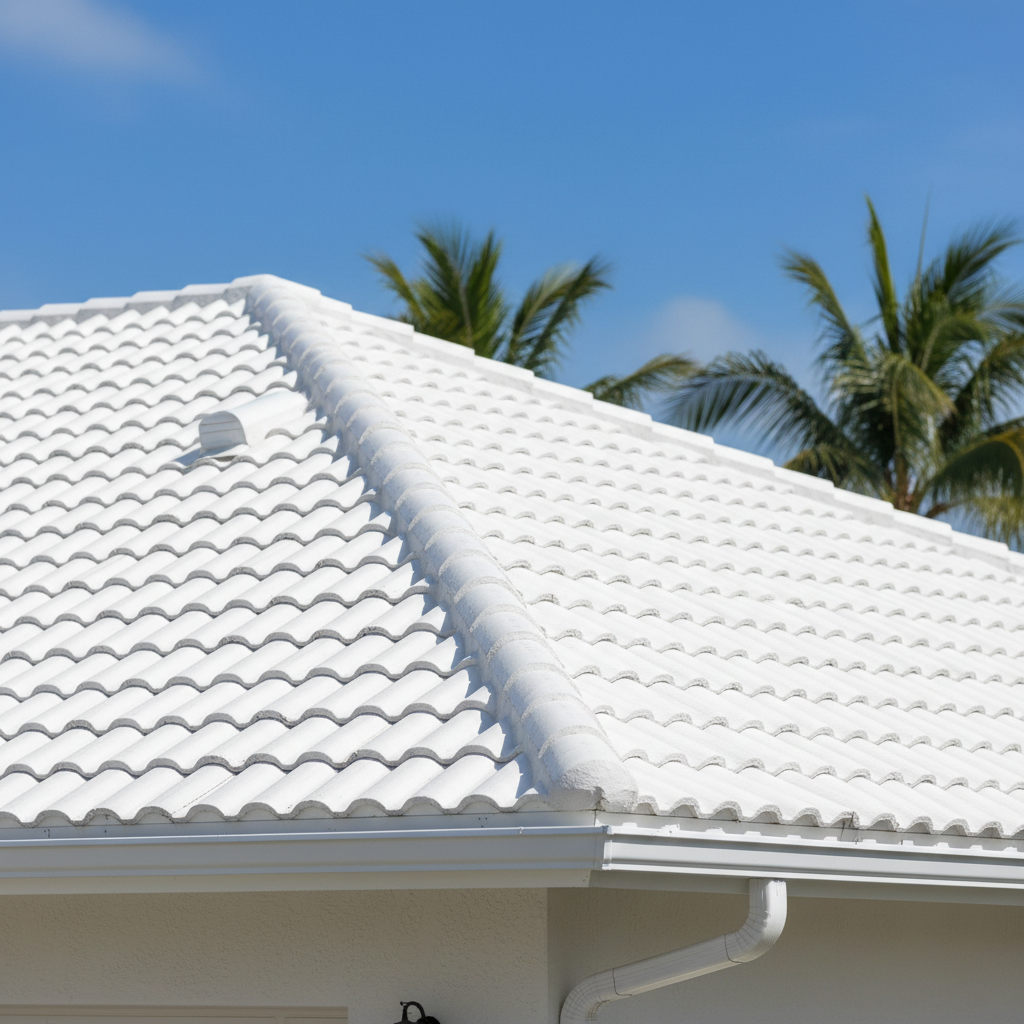
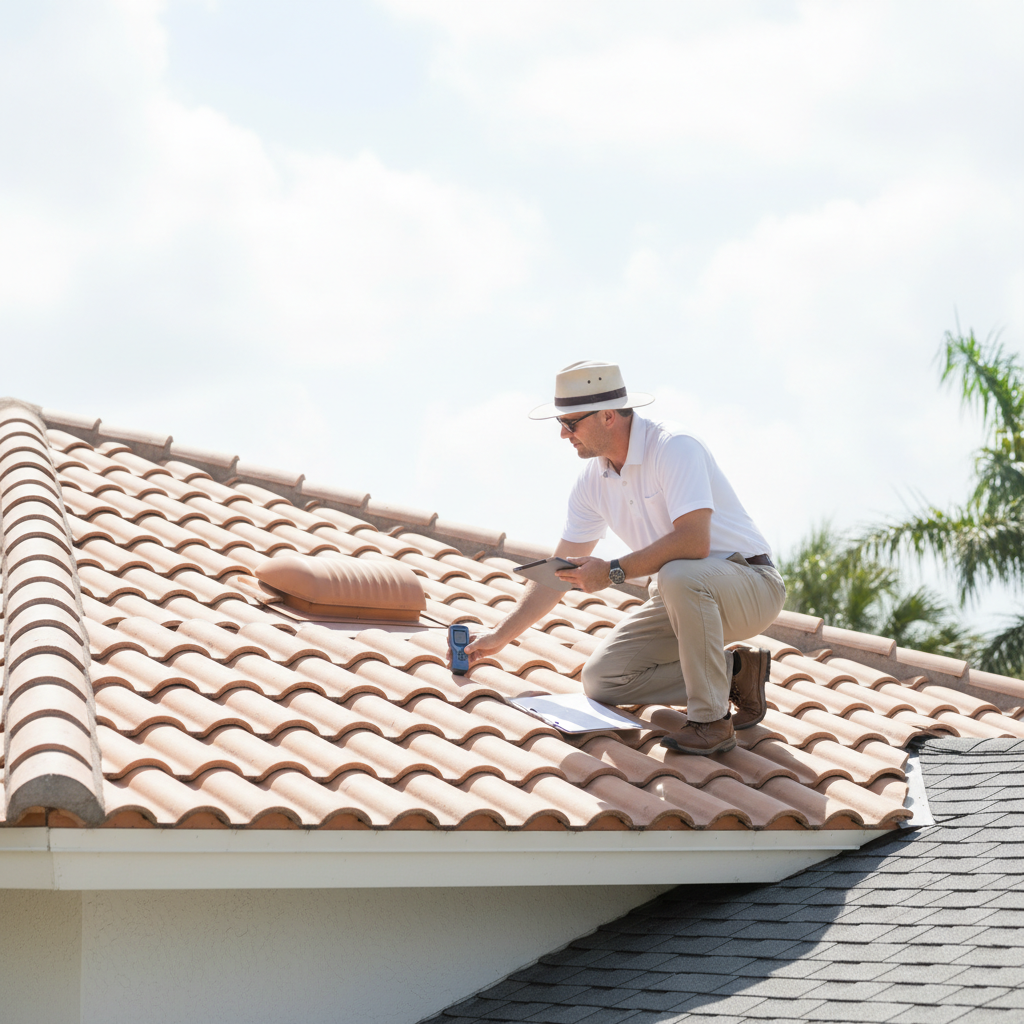
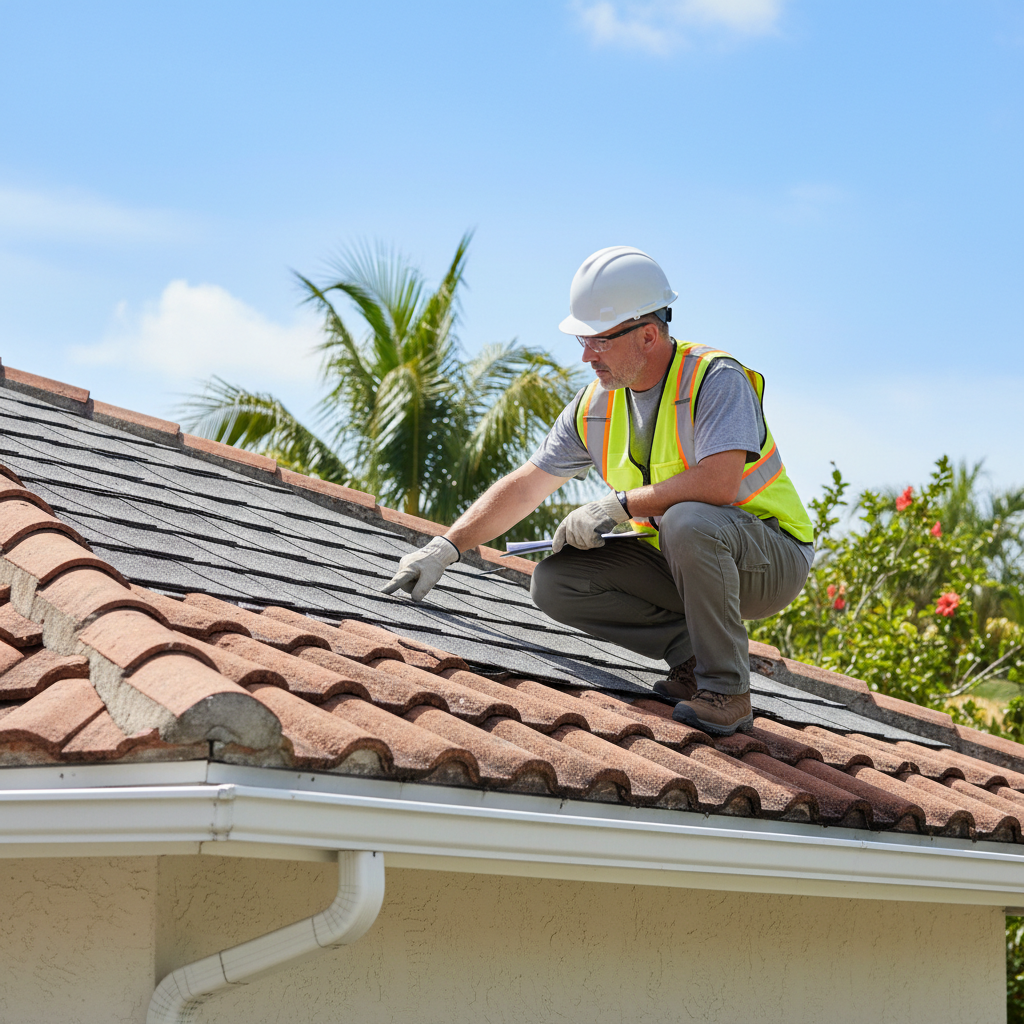
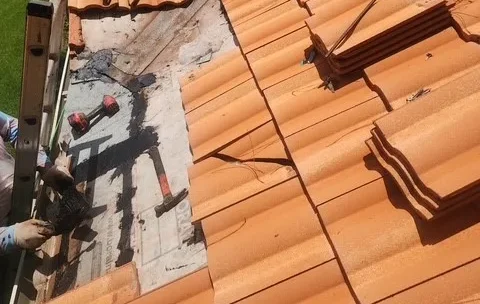

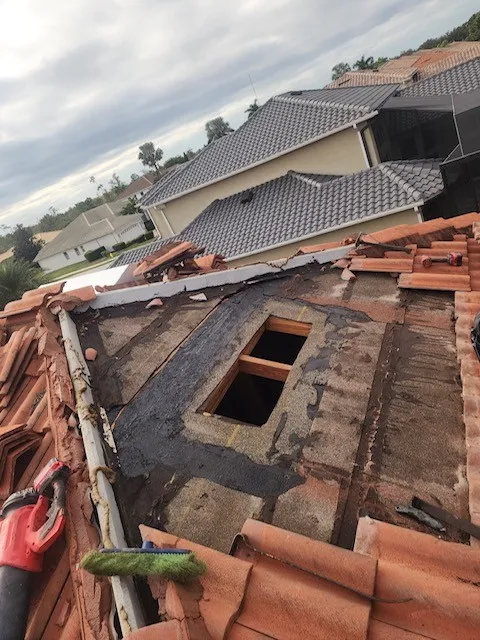

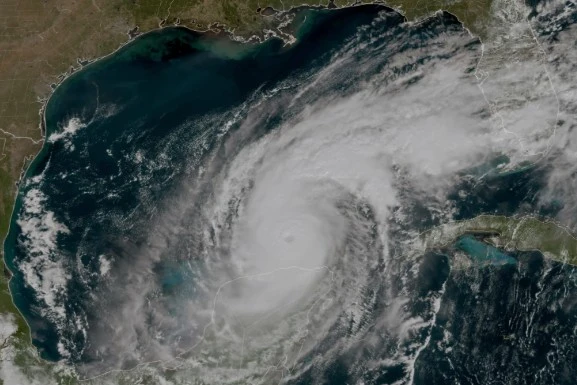
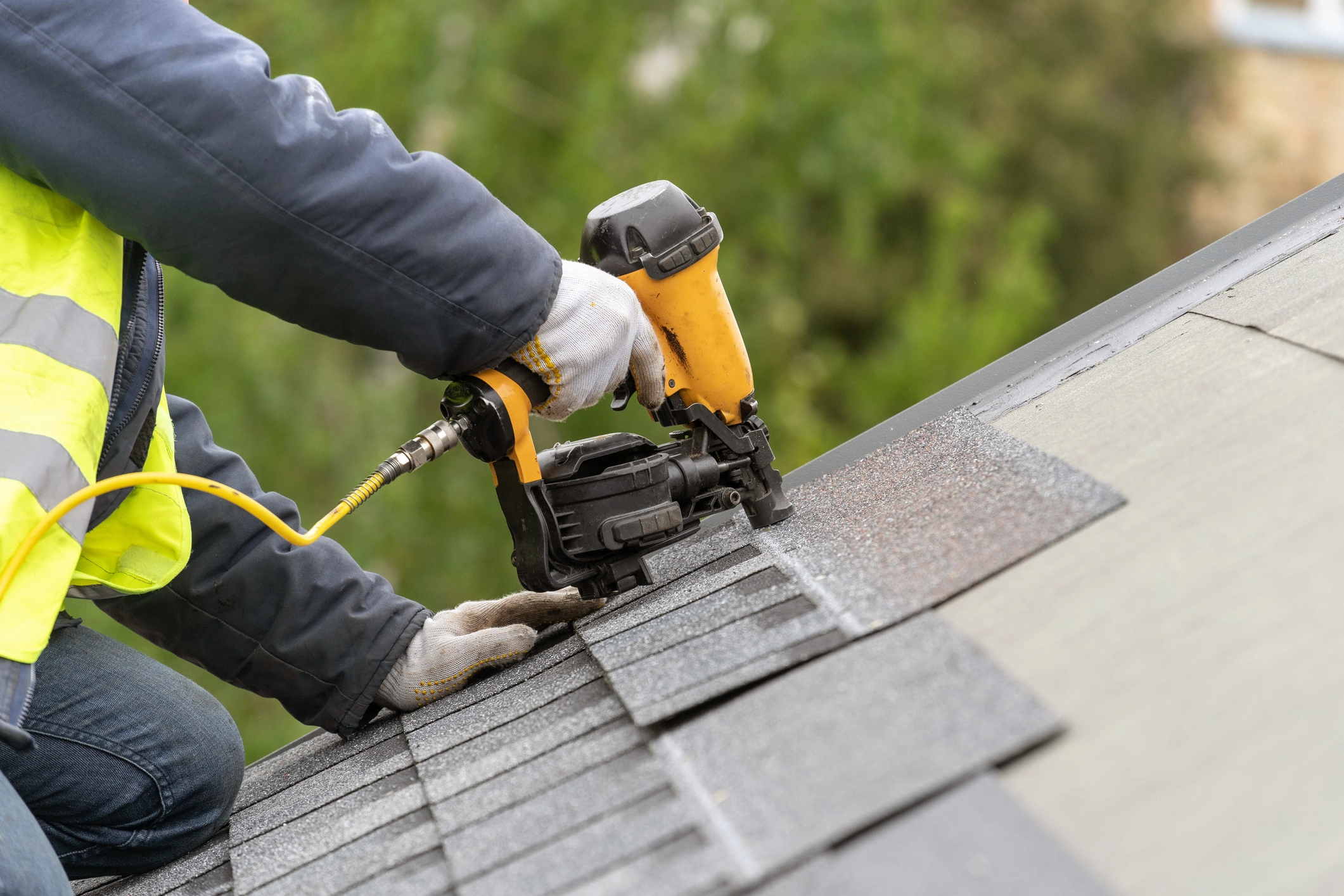
 When your roof shows signs of wear and tear, you may wonder whether to repair or replace it. Both options have their benefits and drawbacks, and the right choice depends on several factors. San Carlos Roofing offers a guide to help you decide between roof repair and