Why your roof is the true thermostat of a Florida home
When summer sticks to the windows and the AC never seems to rest, most homeowners point to their equipment first. The quiet truth is that your roof is the largest sun facing surface on the property and it governs how much heat enters your living space hour by hour. A modern energy efficient roof reflects more of the sun, releases stored heat faster, and works with proper ventilation and insulation to lower indoor temperatures. That combination eases the strain on your cooling system and trims utility bills in a way you can feel after the very first hot spell.
The Florida heat problem in plain language
Florida homes live under extreme solar exposure for most of the year. Roof surfaces can run far hotter than the air around them at midday. When that heat conducts into the attic, the temperature under the deck soars and your AC has to fight a constant uphill battle. Upgrading to a new roof designed for reflectivity and smarter heat flow interrupts that chain reaction. Less heat enters the attic, attic temperatures drop, ducts operate in a cooler zone, and conditioned air stays comfortable longer. The result is fewer runtime hours and fewer emergency calls when the humidity spikes.
What counts as an energy efficient roof in Florida
Energy efficiency is not one single feature. It is a set of roof choices that work together.
Solar reflectance and thermal emittance
Solar reflectance measures how much sunlight the roof sends back into the sky. Thermal emittance describes how quickly the roof releases any heat it does absorb. The combined measure that blends both ideas is the Solar Reflectance Index, often called SRI. You will see SRI on many product data sheets. Higher SRI values indicate better performance under the sun. For an easy overview of SRI and product ratings, consult the Cool Roof Rating Council which maintains independent resources homeowners can trust.
The Florida research backbone
If you prefer data born in our climate, the Florida Solar Energy Center publishes studies and guidance that show how reflective roofing reduces cooling demand and improves comfort under peak sun. Their work highlights how color, coatings, and assembly choices alter attic temperatures and indoor comfort. The short version is simple. Florida homes benefit from roofs that reflect more and retain less.
Fast benefits you notice on day one
A new roof that is properly specified and installed delivers benefits immediately.
Calmer attic temperatures
With a reflective surface and better underlayment, the attic runs cooler by design. Lower attic temperatures translate to lower ceiling temperatures in the rooms below. Less heat sees the living room and the bedrooms stay steady through the late afternoon.
A lighter workload for your AC
When the roof cuts heat gain, your air conditioner cycles less frequently. That saves electricity and slows mechanical wear. Filters last longer and you reduce the odds of a surprise service call during a heat wave. The comfort difference feels small at first, then you realize your thermostat is not constantly drifting up between cycles. That is the roof doing quiet work.
More even comfort from room to room
Hot spots and stuffy second floors often trace back to a roof system that soaks up sun and radiates heat inward. A modern system reduces those gradients. Bedrooms that used to lag finally keep pace with the rest of the home.
Materials that move the needle for Florida
You do not have to chase a fad. Proven materials paired with the right coatings and assembly details will deliver practical savings.
Reflective asphalt shingles that fit common budgets
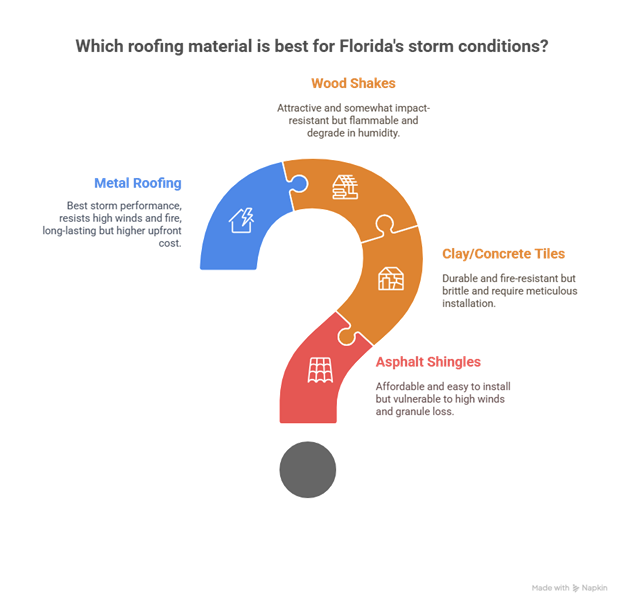
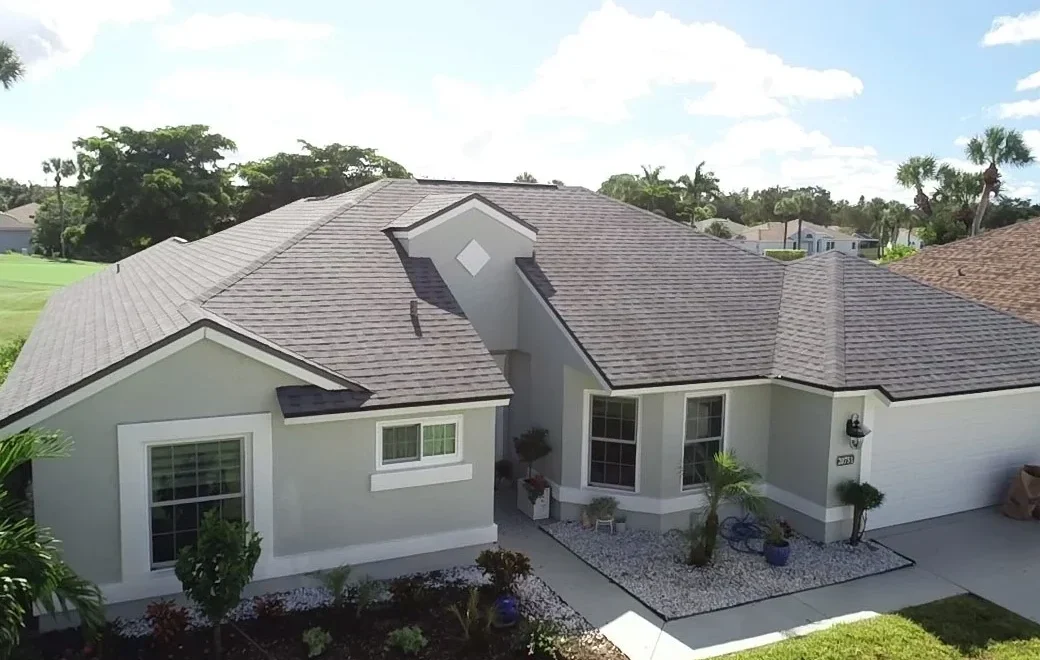
Today’s reflective shingle lines use specialized granules that bounce more of the sun away. They look like traditional shingles yet behave more like a cool roof. Many Florida homeowners start here because the upgrade stays within a familiar budget while still adding measurable relief in summer. For a current snapshot of what homeowners are choosing, see these 2025 roofing trends for Florida which note the rise of solar reflective options and the shift toward lighter colors that keep attics cooler.
Modern metal roofs that pair style with performance
Metal panels and metal shingles with high reflectance coatings can deliver outstanding cooling performance in our sun heavy climate. The panels shed heat quickly after sunset and many systems integrate above sheathing ventilation or thermal breaks that reduce heat transfer into the attic. The visual is clean and coastal. The performance is real and repeatable.
Tile roofs that partner with airflow
Concrete and clay tiles naturally create small air channels that allow heat to dissipate before it reaches the deck. Add a high reflectance finish and the effect strengthens. As a result, tile roofs can deliver steady comfort in both inland and coastal neighborhoods. Homeowners comparing choices often ask about real savings. Reports in Florida markets show cooling cost reductions in the range of ten to thirty percent during peak months when reflective materials and assemblies are used. For a Florida specific explainer on how that plays out, review this walk through on whether a new roof can lower energy bills in Florida.
The building science behind the savings
Let us tie the ideas together so the physics remains clear.
Less solar gain equals lower attic load
A high SRI surface reflects a larger slice of the sun’s energy, which means less heat ever reaches the deck. With less energy arriving, the attic air warms more slowly and to a lower peak. That reduces the temperature difference between the attic and your conditioned rooms, so less heat tries to flow downward.
Cooler ducts deliver cooler air
Many Florida homes have ducts in the attic. When attic air is cooler, ducts lose less energy and supply air arrives closer to the temperature you set. That improves comfort without touching the thermostat.
Ventilation and insulation work better with a cool surface
Ridge vents, soffit vents, and balanced airflow can only remove so much heat. Give them a roof that does not absorb as much in the first place and you amplify their effect. The same goes for insulation. It slows heat flow, but the benefit multiplies when the attic is not a heat reservoir. If you enjoy industry guidance, the U.S. Green Building Council offers resources that explain how cool roofs and proper insulation create stable indoor comfort in hot climates.
Replacement versus repair when energy is the goal
Repairs are worthwhile when the roof is structurally sound and relatively young. If your shingles are curling or your tile underlayment has aged out, a patch may stop a drip but it rarely improves energy performance for long. When the assembly itself is the issue, a full system upgrade is the straight line to lower bills.
When a full system replacement makes sense
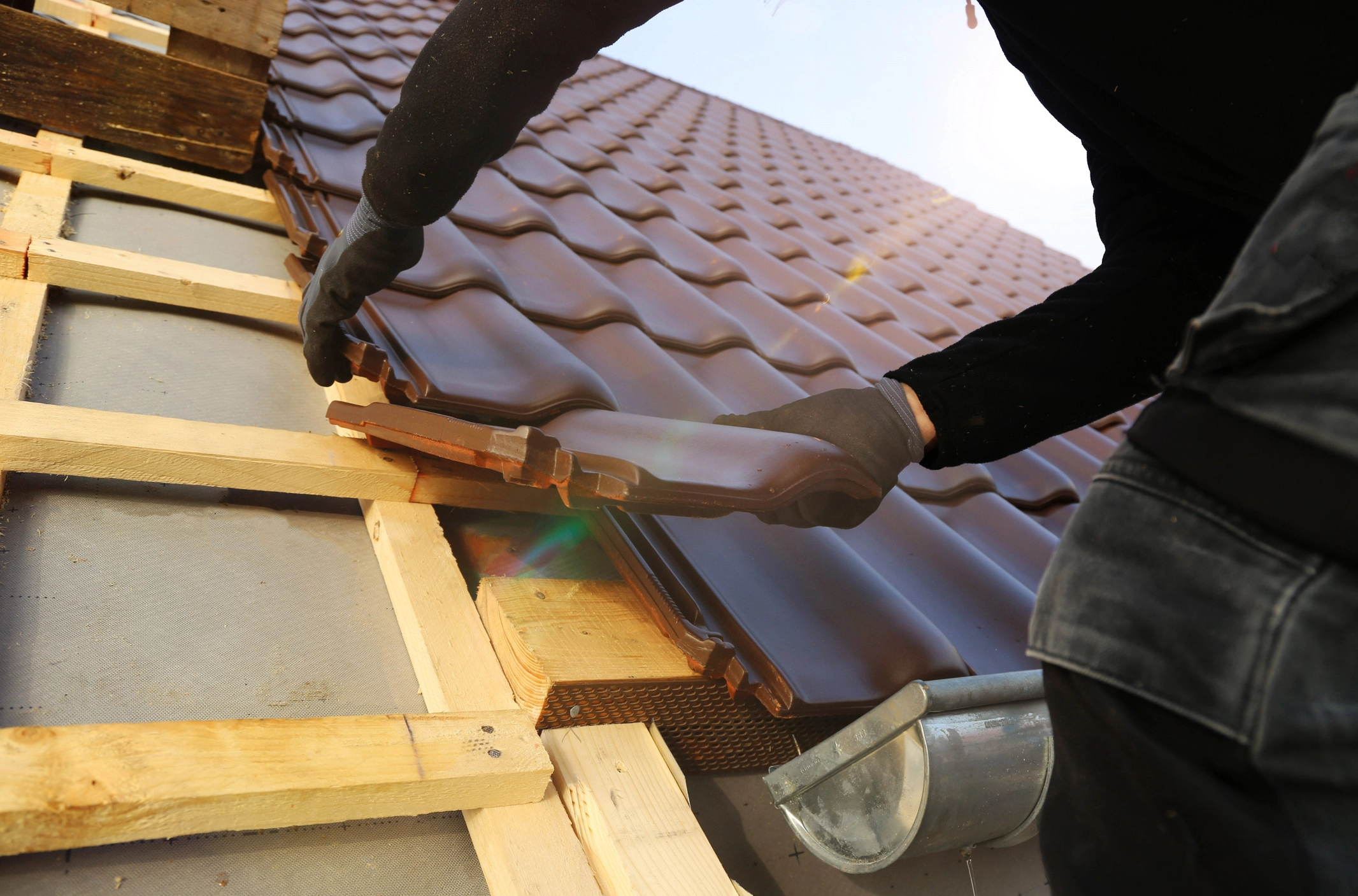
If the roof is near the end of its service life, if leaks keep returning, or if ventilation and underlayment are outdated, a replacement lets you start fresh with the right reflective surface, a breathable or high performance underlayment, sealed penetrations, and balanced airflow from soffit to ridge. That is how you stack benefits and protect them for the long haul.
Why the installer matters more than the brochure
Two homes can use the same product and end up with different results. The difference is craftsmanship and system thinking. Flashings that are properly seated, fasteners that meet code, ridge ventilation that is balanced with soffit intake, and underlayment choices that match the climate all shape energy outcomes. If you want a partner who treats energy performance as a system and not a slogan, explore local expertise in roof replacement and ask about reflectivity ratings, attic ventilation plans, and the expected effect on cooling loads.
Real world expectations for Florida homeowners
The best part of an energy focused roof upgrade is that benefits stack. Expect steadier indoor temperatures in late afternoon. Expect the AC to cycle less often on similar weather days. Expect fewer hot spots in rooms facing west. And expect seasonal bills that trend lower year over year. Some savings arrive immediately while others build as you dial in attic ventilation and insulation after the new roof goes on.
A Florida first roadmap for your upgrade
To aim for measurable savings and long term comfort, use a simple plan.
Choose a reflective roof surface with a published SRI that fits your design goals. Lighter colors are your friend in this climate.
Pair the surface with a quality underlayment that resists heat and supports smooth airflow under the deck.
Balance ventilation from soffit to ridge so hot air escapes as fast as it builds. Even a small mismatch can blunt the overall effect.
Check ducts and insulation once the new roof is in place. A cooler attic makes duct sealing and top up insulation even more cost effective.
Florida centric insights from trusted sources
Homeowners do not have to guess. Florida contractors and industry groups are documenting results and sharing them widely. For practical perspectives born in our market, you can scan these insights on 2025 roofing trends for Florida and this Florida specific guide to whether a new roof can lower energy bills in Florida. For independent definitions and rating methods, the Cool Roof Rating Council remains a reliable source, and Florida based research from the Florida Solar Energy Center adds the local proof that many owners want to see. Little side note. If any page loads slowly, try it again since some sites throttle during peak hours.
What this means for resale and long term value
Energy savings are the headline, but comfort sells homes and a tight roof protects everything beneath it. Buyers in coastal and inland neighborhoods alike pay attention to roofs that promise lower bills and longer service life. With the right product and a quality install, you are improving curb appeal, day to day comfort, and the math that buyers use when they compare similar homes on the same street.
Choosing the right roof system for Florida microclimates
The quick decision map you can use today
Start with the heat. Then confirm wind exposure. Then match the material to your style and budget while keeping an eye on reflectivity and airflow. That simple sequence keeps you from chasing cosmetic upgrades that do not move your energy bills in a meaningful way.
- Identify your sun profile. Wide open lots and west facing elevations need higher reflectance and faster heat release.
- Confirm wind and salt exposure. Coastal homes benefit from corrosion resistant metals or tile systems that breathe naturally while meeting uplift requirements.
- Choose a surface with a documented solar reflectance and emittance. Lighter colors generally perform better in Florida sun.
- Complete the assembly with balanced ventilation and an underlayment that supports cooler attic temperatures.
- Lock in maintenance habits that keep performance high through year three and year ten.
Material by material, what actually reduces cooling load
Reflective asphalt shingles that fit common neighborhoods
Modern reflective shingles look familiar yet use granules engineered to bounce a larger share of sunlight away from the deck. When paired with proper ventilation, they can knock down attic temperatures during the most punishing hours of the day. For a homeowner friendly explainer on how energy focused roofs keep interiors cooler and cut runtime hours, scan this note on how a new roof in Florida can keep your home cool. These shingles slot into many HOA palettes and hit a sweet spot on cost, comfort, and curb appeal.
High reflectance metal roofs with cool coatings
Metal reflects strongly and sheds heat quickly in the evening. When coated with high performance finishes and installed with a thermal break or above sheathing ventilation, metal panels resist daytime heat gain and calm attic peaks that punish your ducts. A concise walk through of energy efficient surfaces, including metal and tile, is available in this guide to energy efficient roofing materials. Beyond reflectance, metal’s tight seams and long panel spans limit air leakage at the roof plane which supports steady indoor temperatures.
Clay and concrete tile that leverage airflow
Clay and concrete tile create small air channels between the tile and the deck. That built in ventilation lets heat escape before it loads the attic. Pair that with a reflective finish and you get a very Florida friendly combo that stabilizes indoor comfort during late afternoon. Tile weighs more than other options, so make sure your framing and fastening schedules are designed for it. Properly built tile systems often deliver a longer service life, which means more years of energy savings with less material turnover.
If you want a longer read on the building science of ventilation and heat flow behind these color decisions, the American Society of Heating, Refrigerating, and Air Conditioning Engineers offers technical resources that explain why cooler surfaces and balanced attic airflow reduce cooling demand in hot climates.
The assembly details that compound savings
Underlayment that supports a cooler attic
Quality synthetic underlayments resist heat and provide a smoother path for moisture to exit where ventilation is balanced. Some assemblies add a radiant barrier or an air space that interrupts heat transfer into the attic. A clear homeowner overview of these choices appears in this Florida focused note on energy efficient roofing solutions.
Balanced ventilation from soffit to ridge
Ventilation is not decoration. Intake at the soffit must match exhaust at the ridge so hot attic air is continuously replaced with outdoor air. That steady exchange limits attic peaks, which keeps ducts in a friendlier environment and reduces the temperature difference that drives heat into rooms below. For Florida specific building and comfort guidance, the University of Florida IFAS Extension publishes accessible resources on home energy strategies that play nicely with our humidity and sun.
Tight flashings and sealed penetrations
Air leakage at the roof plane makes your attic act like a solar powered bellows. Tighter flashings and carefully sealed penetrations stop that invisible push pull. The result is fewer hot spots and less dust drawn into the building envelope. It sounds small and yet it shows up on the thermostat as steadier numbers in late afternoon.
Coastal versus inland. Pick what your lot demands
Coastal neighborhoods
Salt air and gusty storms ask for corrosion resistance and robust fastening schedules. Metal with proven finishes and well detailed edges shines here. Tile also earns its keep because it encourages heat to escape while meeting uplift requirements when properly secured. Avoid dark colors that soak up heat. Lighter palettes look sharp against coastal light and usually perform better.
Inland neighborhoods
Urban heat island effects raise nighttime temperatures, so evening heat release matters. Reflective shingles with balanced ventilation are often the most budget friendly path. Metal and tile provide another level of performance where budgets and neighborhood style allow. If trees shade portions of the roof, keep maintenance steady because leaves and pollen films can dull reflectance over time. A simple seasonal rinse helps energy performance more than people expect.
Budget to performance pathways that work in practice
You do not need a blank check to get measurable results. Use one of these pathways to tune energy performance to your budget.
- Value first. Reflective shingles in a light color with verified reflectance. Add ridge and soffit ventilation that is sized for your attic.
- Mid tier. Cool coated metal with a thermal break or above sheathing ventilation. Upgrade underlayment to a high temperature synthetic and seal all penetrations to stop air leakage.
- Long horizon premium. Tile with a reflective finish or high end metal. Integrate a vented assembly and optimize attic insulation once the new roof is on.
For a crisp overview of how energy focused roofs translate into daily comfort and bill savings, here is a quick overview of energy efficient roofing options for Florida homes.
Attic layouts that support your new cool roof
Roof upgrades do their best work when the attic is ready to cooperate. A few layout notes can prevent energy performance from going sideways.
- Keep insulation continuous across the attic floor. Gaps around recessed lights and access hatches can short circuit comfort.
- Avoid blocking soffit vents with insulation batts. Airflow from soffit to ridge should be clear.
- If you have ducts in the attic, seal them and insulate to current best practices. Cooler attic air reduces duct losses, which makes every room feel more even.
- Confirm bath and kitchen fans are ducted outdoors. They should not terminate in the attic where moisture and heat would linger.
Where repair fits into an energy plan
A well targeted repair can preserve your gains. Small leaks, cracked flashings, or loose ridge components can pull hot air and humidity into the attic and undo the work your reflective surface is trying to accomplish. If you notice stains near vents, peeling sealant, or unusual dust patterns in the attic, schedule prompt roof repair services. Small fixes keep the energy story on track and extend the life of the system.
What savings look like in the real world
Florida contractors who track results consistently report lower summer cooling demand after energy minded roof replacements. Homeowners see fewer AC cycles on similar weather days, steadier room temperatures in late afternoon, and seasonal bills that ease off as the new roof and ventilation settle in. Several contractor summaries, including this one that references research and ENERGY STAR data, note that energy efficient roof systems can yield meaningful annual savings when heat absorption and attic peaks are brought under control. For a digestible summary, skim this explanation of the benefits of a new roof installation.
Incentives and the finance side of energy upgrades
Tax policy changes from time to time, but Florida homeowners often find credits or tax strategies that improve the payback on an energy focused roof upgrade. If you are exploring the numbers with your accountant, this plain language brief on how Florida homeowners can maximize tax savings on roof replacements gives a helpful starting point. It is not a substitute for advice, yet it clarifies what to ask. Little thing I sometimes forget when skimming these resources. Confirm dates, since incentives carry specific time windows.
Maintenance that protects reflectance and airflow
Once your new roof is on, a light touch keeps it performing.
- Seasonal rinse where dust and pollen settle. Dirt films reduce reflectance and invite algae.
- Trim overhanging limbs so leaves do not clog valleys or shade key areas.
- Confirm soffit and ridge vents remain clear after storms. Bird screens and attic baffles should be intact so airflow stays balanced.
- Replace any sun baked sealant at flashings before the rainy season. It is faster and cheaper to reseal than to chase a leak later.
- Keep a simple log. Dates of cleanings, small repairs, and inspections help you see patterns and address them before they grow. I know, easy to forget, but that tiny log pays you back.
Putting it all together without overthinking it
Pick a reflective surface that suits your neighborhood and sun profile. Build a vented assembly that lets your attic breathe. Seal the small gaps that let heat and dusty attic air wander into living spaces. Keep the surface clean so it reflects like new. When you do those steps in order, your roof becomes a quiet partner in comfort rather than a heat source you have to fight every afternoon.
Real world payoffs, case snapshots, and your step-by-step roadmap
Case snapshots from Florida neighborhoods
Every home is a little different, yet the pattern repeats. Cooler roof surface, calmer attic, steadier rooms, friendlier electric bills. These brief snapshots mirror the outcomes thousands of Florida owners report when they upgrade with energy in mind.
Coastal bungalow near Bonita Springs
A single story bungalow three blocks from the bay swapped an aging dark shingle for a light colored cool coated metal profile. The crew added a high temperature underlayment and balanced soffit to ridge ventilation. By midsummer the owners noticed later afternoon rooms holding temp without a manual nudge to the thermostat. Their utility log showed the AC cycled fewer times on near identical weather days. The quieter evenings surprised them most since the attic did not radiate heat into bedrooms after sunset.
Inland two story in Lehigh Acres
A family home with ducts in the attic moved to a reflective architectural shingle and added continuous intake at the eaves. They also sealed a handful of leaky duct connections while the attic was easy to access. The result was smoother supply air temps and less temperature drift between floors. Bills did not plummet overnight, yet they trended down through the first full cooling season, which is exactly how an energy minded roof should perform.
Low slope addition in Fort Myers
A rear addition with a low slope roof traded an aging surface for a white membrane with fresh insulation. The change was immediately visible on infrared scans and felt in the kitchen below. Cook time no longer spiked the thermostat. The owner called it the most boring kind of comfort because nothing felt dramatic, it just felt steady.
Simple payback math you can check over coffee
You do not need a spreadsheet to get a feel for payback. A few numbers and honest assumptions are enough. The goal is not to chase a perfect forecast. The goal is to test whether your upgrade path makes sense for your home and budget.
Scenario A. Reflective shingle upgrade
Assume an owner chooses a reflective shingle in a light color instead of a standard darker option. The incremental cost for the cooler shingle and ventilation tweaks is two thousand five hundred dollars. Annual electricity cost is two thousand four hundred dollars. Assume fifty five percent relates to cooling which is one thousand three hundred twenty dollars. If the roof cuts cooling use by twelve percent, annual savings are one hundred fifty eight dollars and forty cents since 0.12 times 1320 equals 158.4. Divide the upgrade cost by the savings and the simple payback is about sixteen years since 2500 divided by 158.4 is 15.79. Not a moonshot, yet remember the system also eases AC wear and improves comfort that you feel daily.
Scenario B. Cool coated metal with an attic thermal break
Assume the premium to move from a mid grade shingle to a cool coated metal panel with a thermal break is eight thousand dollars. Annual electricity cost is three thousand dollars. Assume sixty percent relates to cooling which is one thousand eight hundred dollars. If the roof trims cooling by twenty percent, that is three hundred sixty dollars per year. Some owners also earn modest insurance credits for improved roof assemblies and wind measures. If that nets two hundred dollars a year, combined benefit is five hundred sixty dollars. Eight thousand divided by five hundred sixty is a simple payback of about fourteen years. Stretch the roof life horizon and that math looks better every year the system keeps going.
What moves payback in your favor
A few levers have an outsized effect on payback.
- Higher cooling share of your bill amplifies savings from a cool surface.
- Ducts in the attic gain more when the attic runs cooler.
- Insurance credits and solid resale comps shorten the effective payback.
- Choosing light colors with tested reflectance and maintaining a clean surface preserve gains year over year.
- Local incentives or tax strategies can improve the cash story. For a Florida focused overview of possible roof incentives, skim this outline of state and local incentives for energy efficient hurricane ready roofing.
Quick note on arithmetic. Energy prices and weather vary by season, so your payback window is an estimate. The point is to check the direction and scale, not to predict the penny. If the math feels tight, talk with your installer about small assembly tweaks that stack extra savings, then re run the numbers. It sounds basic, but this tiny loop is worth the minute it takes.
A homeowner friendly installation checklist
This is the field tested sequence that keeps energy goals on track from first call to final inspection. You can copy it straight into your project notebook.
Pre design walk
Invite your contractor to inspect the attic, measure current ventilation, and map duct paths. Ask for photos of soffit intake and ridge exhaust, and a short note on how the new assembly will keep attic peaks lower than they are now.
Code and permitting review
Florida roofs live under specific structural and wind rules. Confirm permit path and required fastening schedules up front. For code context and education, you can browse the Florida Building Commission’s portal and the International Code Council which publishes the model codes many localities adopt or adapt.
Product and color selection with performance in view
Pick products that publish tested reflectance and weathered performance. Resist the urge to choose by color chip alone. For technical selection guidance from independent building envelope professionals, the International Institute of Building Enclosure Consultants is a trusted resource.
Tear off and deck preparation
Once the old surface is removed, crews should check sheathing, re nail to schedule where needed, and plan penetrations so air sealing can be tight. In hurricane country this is also the moment to consider a sealed roof deck, a measure supported by the Insurance Institute for Business and Home Safety for storm resistance and water entry control.
Underlayment and thermal control strategy
Choose a high temperature synthetic underlayment that resists Florida sun during install days and supports a cooler attic over the long run. If your assembly allows, a ventilation space or radiant barrier can be introduced above the deck to interrupt heat flow before it reaches the attic.
Balanced ventilation from soffit to ridge
Intake without exhaust or exhaust without intake both miss the mark. The system should show numbers for net free vent area that satisfy manufacturer and code guidance. For general ventilation literacy the Home Ventilating Institute offers accessible resources that help you visualize balanced airflow.
Flashings, edges, and penetrations
Ask your crew to photograph step flashings, counter flashings, and all pipe penetrations before they are covered. Clean geometry here pays you back in airtightness that supports energy goals.
Final inspection and homeowner walk
Confirm fastener patterns, ridge components, and attic baffles are correct. Request a brief attic temperature log during the first hot week after completion. Anyone can place a simple thermometer and snap a few photos each afternoon. You will like what you see.
Post install tune and care
Schedule a seasonal rinse where pollen and dust collect. Trim limbs that shade key surfaces. Recheck screens at soffit and ridge every spring. Steady small care preserves reflectance and airflow which is where the energy story lives.
Choosing the right material for your block and budget
If you want a compact scan of materials that align with Florida’s climate and styles, these plain language rundowns help frame the conversation before your estimate meeting. A New Year resolution themed guide from a regional contractor explains why many owners time their upgrade to align with comfort and cost goals, see this note on starting the year with a new energy minded roof. For material specific context on Clay, Concrete, and Metal in current palettes, these roundups are helpful starting points from Modern Metal Roofing, Florida Roofing and Gutters, and a clean primer on common roof types from Fox Haven Roof.
Cost factors to keep in view
Energy performance is a reason to upgrade, yet cost lines still matter. Two owner facing explainers break down the moving parts so there are fewer surprises. For a dollars and cents look at Florida roof budgets, browse this guide to roof replacement costs in Florida. For metal specifically, see a clear rundown of the factors that shape metal roof cost in Florida. Costs vary by roof geometry, access, and fastening schedules, so use any table as a conversation starter rather than a binding quote.
Comfort compounding with credible energy habits
A cool roof makes every other energy habit more effective. Setbacks and schedules on your thermostat work a little better when the attic is friendly. Duct sealing yields more when the roof lowers attic peaks. If you like to read about the bigger efficiency picture and how cooling demand responds to smart upgrades, the American Council for an Energy Efficient Economy offers research and homeowner guides that place roofs inside an easy to follow whole home plan. For hot humid climate practice and field tips that feel built for Florida, the nonprofit Southface Institute is another reliable resource.
Certification and green building pathway
If you want to align your project with recognized Florida standards, the Florida Green Building Coalition outlines voluntary programs that encourage energy minded choices. A new cool roof with balanced ventilation and durable details often checks boxes across comfort, energy, and resilience categories that add to long term value.
Questions to ask your roofer before you sign
- What is the tested solar reflectance and emittance for the color I am considering
- How will soffit intake and ridge exhaust be balanced in square inches of net free vent area
- Will you photograph flashings and penetrations before they are covered so I can keep a record
- If my ducts are in the attic, what steps will you take so this roof upgrade improves supply air temperatures
- What is the expected effect on cooling use during the hottest months compared with my current roof
- Which crew lead will be on site each day and how do I reach them if a small detail needs adustment
- How will you protect reflectance during install so scuffs and dust do not dull the surface
- What is your plan to keep soffit vents clear if insulation work happens after the roof is complete
- Which manufacturer documents should I save for warranty and future resale questions
- Will you help capture a simple attic temperature log during the first hot week after completion
When to call San Carlos Roofing
If you want a crew that treats energy performance as a system and not a slogan, start the conversation with San Carlos Roofing. Ask about color families with strong reflectance, balanced ventilation plans for your attic size, and the small detailing that keeps gains intact for years. Bring your last year of utility bills to the estimate meeting and we will walk the math with you line by line.
Mini FAQ for quick clarity
Do lighter colors really make a difference in Florida
Yes. Lighter colors usually carry higher tested reflectance which reduces heat gain. In practical terms you will notice calmer afternoon temps and fewer thermostat bumps to stay comfortable.
Is metal noisier in rain
Modern assemblies include underlayments and attic insulation that mute sound very effectively. Most owners say the sound difference is small and often pleasant during gentle showers.
Will a cool roof help if my ducts are not in the attic
You will still gain comfort and protect the building envelope. If ducts are in conditioned space the energy savings from a cooler attic are smaller, yet a reflective roof still trims heat flow through the ceiling.
How do I keep performance high over time
Keep a simple maintenance routine. Seasonal rinse where dust collects, trim limbs, recheck ridge and soffit screens, and reseal small flashings before the rainy season. Ten minutes of care a couple times a year keeps reflectance and airflow working in your favor.
Can I combine energy and storm upgrades at once
Yes. Many homeowners time a roof project to add sealed roof deck measures and updated fastening schedules that help with wind while also choosing a reflective surface. You get comfort and resilience in one clean project window.
Final words
A Florida roof that reflects, releases heat quickly, and breathes through a balanced attic is the quiet workhorse behind summer comfort and calmer bills. Pair the surface with careful details and basic maintenance, and the benefits stack year after year. When you are ready to map your roof to your lot and lifestyle, bring your questions and a year of bills. We will put numbers and real materials on the table so you can see exactly how the upgrade plays out at your address. And yes, we will keep the process tidy, on time, and a little friendlier than you expect, even teh small parts that most folks overlook.

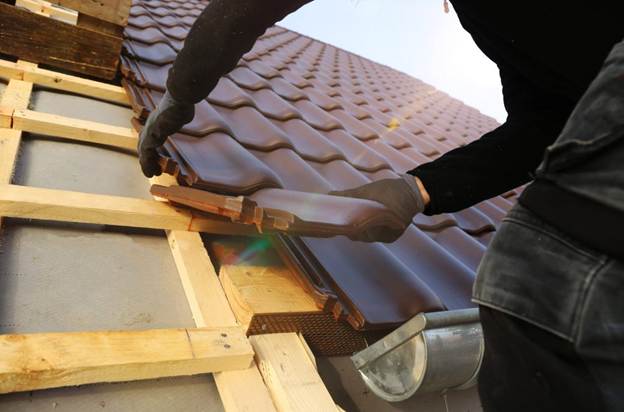

 When your roof shows signs of wear and tear, you may wonder whether to repair or replace it. Both options have their benefits and drawbacks, and the right choice depends on several factors. San Carlos Roofing offers a guide to help you decide between roof repair and