Buying a home in Southwest Florida is as much about light and sky as it is about square footage. When a buyer pulls up to your driveway, the roof dominates the view. It frames the first impression, telegraphs maintenance history, and quietly tells a story about energy efficiency, storm readiness, and long term cost of ownership. In a market where sunshine is relentless and storms test every seam; a new roof can be the single upgrade that moves a listing from maybe to must see. It is not just shingles or panels. It is a value signal.
Why a new roof is a value signal in Southwest Florida
A roof in Cape Coral, Fort Myers, Bonita Springs, or Naples lives a complicated life. The ultraviolet index is high year-round, summer humidity is intense, salt air drifts far inland, and the season of afternoon thunderstorms is a way of life. Materials fade, adhesives age faster, and flashing earns every hour of its keep. Buyers know this. Agents know it too. Which is why a new roof reads as care and competence. It suggests the rest of the home is tended. It reassures lenders and insurance carriers. It gives buyers permission to imagine furniture and family instead of repairs and deductibles.
A new roof also aligns your home with current code. Florida has one of the most demanding building codes in the country for wind uplift, fastening, and underlayment performance. Getting your home in step with the current Florida Building Code removes a whole category of doubt that can derail offers or slow underwriting. You are not just replacing a worn surface. You are upgrading to a safer, stronger standard that matters a lot along the Gulf.
What the numbers and the neighborhood say
Local agents keep repeating a simple truth. In this market a new roof pulls stronger offers. It is the difference between qualified buyers who hesitate and the same buyers who lean in. Industry reporting echoes that pattern. Studies cited for the Cape Coral market describe higher offer strength, faster time to contract, and fewer post inspection renegotiations once the roof question is off the table. Broader industry roundups note that a roof replacement often returns a meaningful share of its cost at resale, with many Florida sellers seeing measurable lift in final sales price. One overview of value trends summarizes the effect of new roofs on buyer psychology and resale outcomes in plain terms, bridging national findings with Gulf Coast realities. For a quick primer on common value ranges and why they persist, see this readable explainer on whether a new roof really increases value from a Florida contractor perspective at Next Dimension Roofing.
Speed matters as much as price. In competitive neighborhoods, buyers tracking dozens of listings begin to filter by perceived risk. A fresh roofing system reduces that perceived risk. Florida agents who sell to out of state buyers say the same thing again and again. If the roof is new, showings spike and the listing window often shortens. Practical advice for sellers in the region also emphasizes that buyers and carriers prioritize a fully insurable roof, which is why replacing before listing can position you for fewer concessions. This seller focused breakdown on buyer expectations for insurability is a helpful reference from a Florida firm, especially the notes on discounts and buyer confidence here.
Curb appeal physics as seen from the street
Stand across the street from your home and squint. The roof is not a background detail. It is a giant shape that sets the color palette for every other finish. Paint, trim, pavers, even landscaping all look better or worse depending on the roof’s tone, texture, and profile. That is why curb appeal gains can be dramatic when you replace an older, sun bleached roof with a fresh, architecturally appropriate system.
Tile profiles can add Mediterranean warmth. Standing seam metal can deliver a crisp coastal look. Architectural shingles can balance budget and design. For a visual sense of how tile shapes read on Florida elevations, browse this overview on how tile roofing boosts curb appeal and value in the state from a local builder resource at Copeland’s Complete Construction. Appraisers often assign real weight to first impression elements because they influence buyer behavior, which is why the Appraisal Institute teaches valuation professionals to consider quality, condition, and market reaction when analyzing exterior improvements. In plain English, if buyers compete harder for good looking homes with low risk envelopes, that behavior shows up in the numbers.
Energy comfort and cool factor in a sun drenched climate
Curb appeal is what gets a buyer to the door. Comfort is what keeps them there. In Southwest Florida, roof color and surface reflectivity are surprisingly important to comfort and utility bills. Light toned and reflective systems can lower attic temperatures, reduce air conditioning load, and make interiors feel calmer on peak afternoons. Curious how reflectivity is measured by industry professionals. The Cool Roof Rating Council maintains performance data on products that reflect more sunlight and emit more heat, and those characteristics can translate to tangible energy savings in hot climates. Florida has its own deep bench of building science resources. The Florida Solar Energy Center at the University of Central Florida publishes research on heat gain and roofing assemblies in Florida conditions, which is a useful anchor if you want to explain to a buyer why your home stays cooler than comparables.
An energy conscious roof does not just shave a few dollars off a bill. It tells a buyer that the home is thoughtfully built for the place it lives. In an open house, that is the kind of detail that quietly earns trust.
Insurance, inspections, and the peace of mind dividend
Southwest Florida buyers are unusually attuned to insurance concerns. They ask about wind mitigation forms, age of roof coverings, underlayment type, and fastening patterns. A new roof with current fastening schedules and a wind mitigation report in hand can make a buyer’s insurance call shorter and their quote friendlier. It can also streamline the inspection process. When home inspectors do not have to document granular edge wear, brittle sealant, or lifted tabs, reports feel calmer and contracts move cleaner.
There is also the warranty story. A new roofing system with a documented workmanship warranty and a clearly transferable product warranty reads as professionalism. It shows that you have paperwork, that a vetted company stood behind the work, and that the next owner inherits the benefit. That combination can be a clincher for buyers who definitely do not want to become roofing experts during their first month in the home.
Style choices that sell in Gulf neighborhoods
What looks timeless in Estero might feel out of place in Olde Naples. Design trends move, but a few principles hold steady along the Gulf. Colors that harmonize with stucco, shell paths, and tropical greens are easier on the eyes. Profiles that balance shadow lines with the height of the facade tend to photograph better for listing photos. Materials that resist corrosion and staining keep the look fresher through the rainy months.
If you are considering an upgrade specifically to prepare for market, start with a design appointment that respects both neighborhood character and current code. A local contractor who knows the associations and the microclimates can help you choose a system that looks right and performs right. When you are ready for a professional, start your homework with a quick look at the services overview for San Carlos Roofing, then skim their dedicated page on roof replacement if you believe a full upgrade is the best route. If your timeline is tighter or your inspection flagged specific issues, a targeted roof repair can stabilize the look and performance while you plan next steps.
How buyers read a roof during a showing
Watch a couple walk up to a home at noon in July. Eyes go to the ridge, then to the gutters and the eaves, then to the transition lines around gables, vent stacks, and valleys. If edges look crisp, penetrations look neatly flashed, and the color fields appear even, buyers relax. They stop hunting for problems and start imagining their life in the space. That mindset shift is priceless.
The same is true online. In listing photos, a fresh roof makes exterior shots pop, which increases clicks and saves to favorites. More engagement attracts more showings. More showings often yields stronger offers. The flywheel effect starts with the detail that fills the frame.
The real world ROI of a new roof in Southwest Florida
Return on investment is not just a spreadsheet concept here. It is a neighborhood comparison. Buyers in Cape Coral and Fort Myers scroll through listings looking for evidence of care. A new roofing system is visible proof. Industry snapshots consistently show roof projects returning meaningful value at resale, while reducing time on market. The national lens adds helpful context. The National Association of Realtors Remodeling Impact findings explain that properly executed exterior upgrades tend to punch above their weight because they influence first impressions, inspection outcomes, and insurance confidence all at once. That is exactly how value compounds along the Gulf.
There is also a psychology dividend. When a buyer hears that a roof was replaced within the last year and that a transferable warranty exists, the mental math changes. They stop building a repair budget in thier head. They start thinking about furniture placement and which bedroom faces the breeze. That mental pivot is often the unseen engine behind a stronger offer.
Price, speed, and negotiation power
Fresh roofing helps in three ways that show up on your net sheet.
One, it attracts a larger pool of qualified buyers who are filtering for move in ready.
Two, it dismisses common inspection flags before they appear.
Three, it reduces the number of concessions you make in the last mile of the deal. Sellers across Florida report fewer repair credits and tighter contract timelines when the roof question is already solved, a pattern you will see echoed in practical seller guides like this Florida focused take on whether to replace before listing from Liberty House Buying Group.
For a clear manufacturer perspective on value and buyer confidence, this concise explainer from IKO outlines how modern shingle systems, warranties, and aesthetics work together to boost perceived and actual worth.
Materials that sell in Gulf light
Every roof material tells a different story to buyers. In Southwest Florida, the winners balance beauty, heat control, and storm toughness. Use the quick map below to decide which narrative supports your listing strategy.
Architectural shingles
- Curb appeal: Dimensional profiles and richer color blends look great in listing photos.
- Budget fit: Often the most cost efficient path to a fresh exterior and clean inspection reports.
- Performance: Modern shingles pair with synthetic underlayment and starter courses that help with wind resistance when installed to code.
For a homeowner friendly overview of curb appeal upgrades that resonate with buyers, this visual guide from a Florida contractor resource at Giza Roofing Solutions is a helpful read.
Metal roofing
- Look: Sleek standing seam lines photograph beautifully and telegraph modern coastal quality.
- Longevity: High durability in salty air when paired with proper fasteners and coatings.
- Efficiency: Reflective finishes can reduce attic heat and lighten AC load in peak months.
Buyers considering long horizon ownership often view metal as a premium, which is one reason Florida market roundups like this one from GM Exteriors frame metal upgrades as both style and durability plays.
Concrete and clay tile
- Aesthetic: Classic Mediterranean warmth that fits many neighborhoods from Bonita Springs to Naples.
- Mass and comfort: Thermal mass moderates heat swings which can feel more comfortable in late afternoon.
- Resale signaling: Reads as high end when maintained well.
For a quick primer on how tile reads to buyers in this state, skim this homeowner overview on Florida curb appeal from Copeland’s Complete Construction. If you prefer a broader trend view, this regional look at sustainability and solar ready designs in Southwest Florida from Kleinberger Corporation shows where buyer tastes are headed.
Stone coated steel and premium profiles
- Hybrid value: Aesthetic depth with metal core strength.
- Buyer perception: Often viewed as a step above standard options which can help your listing headline stand out.
- Insurance interest: Impact and wind ratings can strengthen buyer conversations with carriers.
Underlayment, ventilation, and the invisible details that appraisers notice
The surface is the billboard. The layers underneath are the business plan. In our climate, premium peel and stick membranes, high temp underlayments, and well sealed valleys do heavy lifting during summer storms. Balanced soffit to ridge ventilation helps expel moist attic air which reduces the chance of mold odors during showings and keeps insulation drier for better performance. While buyers rarely ask to see the underlayment label, they absolutely respond to homes that smell fresh and feel cool when they step inside.
If you want to anchor your selection to storm ready standards that buyers and inspectors respect, the Insurance Institute for Business and Home Safety maintains guidance on resilient roof assemblies under its Fortified program. It is not a code requirement, but it is a clear framework for upgrades that perform in high wind zones.
Color, reflectivity, and why photos matter
Listing photos can make or break a weekend of showings. Roof color choices impact both in person and online impressions. Lighter, coastal appropriate palettes tend to keep the composition airy and harmonize with stucco, pavers, and tropical greens. In mid day sun, a highly reflective finish helps prevent the blown out look that sometimes happens with dark roofs on light walls. For a simple, objective look at how roofing products shed heat, the Cool Roof Rating Council product directory is where professionals verify reflectance and emissivity. If you are the kind of seller who likes to understand the science, the University of Florida’s building research arm also publishes approachable work on Florida specific heat gain. Start with the roof and attic resources from the UF IFAS Extension.
Documentation that boosts buyer confidence
A new roof pays off best when the paperwork is clean and ready. Assemble these items before you list.
What to gather
- Final invoice with scope, materials, and install date
- Manufacturer and workmanship warranties with transfer instructions
- Proof of permit and final inspection sign off
- Wind mitigation report prepared after the new installation
- Material data sheets that show impact and wind ratings
Practical seller guides inside Florida keep pointing to pre listing roof work as a negotiation smoother. If you want a quick, plain language take on why, this short article on how a new roof influences offers is a quick read at Steadfast Roofing Florida. Another approachable summary with buyer focused language is available from Gotcha Covered Roofing.
Bonus points for buyers from out of state
Many Southwest Florida buyers are relocating. They may not know local code cycles or wind zones. Include a one page sheet in your listing packet that explains the roof system in plain terms. List the year, type, warranty status, and a sentence on why the assembly is suited to our climate. It feels small. It reads as thoughtful. It can be the tiebreaker when a couple is choosing between two homes on a Sunday afternoon.
Prep steps that multiply curb appeal
Think of this as the one week plan to help your new roof do its best work.
Clean and brighten
- Soft wash the fascia and soffits so the new field looks crisp at the edges.
- Touch up exterior paint that meets the roof line.
- Prune any palms that crowd the eaves to open up sightlines from the street.
Frame the shot
- Ask your photographer for a low angle front photo that lets the roof fill the top third of the frame.
- Schedule photos when the sun is high enough to keep the facade evenly lit.
- If your roof has a reflective finish, request a few close up details for the gallery. Shoppers like to zoom.
A short visual explainer on why the visual appeal of a Florida roof is an outsized factor in buyer perception is captured in this guide on first impressions from a regional market publisher at this overview.
Permits, code comfort, and HOA alignment
The fastest way to drain momentum from a promising listing is a last-minute paperwork snag. Make sure your permits are closed. Verify that any HOA color or profile requirements were followed. If you are preparing a new build or a substantial addition that includes a full roof, browse the local contractor services for new construction roofing so your selections align with both code and community before you order materials.
For an extra layer of confidence, familiarize yourself with local resilience education resources that translate code intent into homeowner language. The nonprofit Federal Alliance for Safe Homes offers hurricane season checklists and roof selection basics that are easy to share with buyers who have safety on their minds.
Insurance conversations that go faster
After a major roof upgrade, call your carrier or agent. Ask whether your new features qualify you for improved terms. Wind mitigation credits can be significant, and buyers love hearing a specific monthly number rather than a vague assurance. Seller blogs that center the underwriting lens, like this Florida focused explainer on discounts tied to roof age and specs from Florida Roofing and Gutters, can help you prepare for that chat.
If you prefer a high level summary of why fresh roofs shift the insurance math, this readable homeowner piece at Next Dimension Roofing ties together age, materials, and buyer psychology. For a second opinion, the compact article at GM Exteriors echoes those themes from a different vantage. Finally, a quick curb appeal primer from a Florida focused builder resource at Giza Roofing Solutions rounds out the perspective with visuals buyers instantly understand.
When repair is enough and when replacement wins
Not every listing needs a full tear off. If your roof is mid life with isolated issues, high quality repairs can stabilize appearance and performance for a coming sale. Replace lifted flashing, swap brittle pipe boots, and correct any ventilation imbalances. If the roof is at or near the age limit many insurers require, a full replacement will likely yield smoother offers and fewer roadblocks. A quick Florida seller focused look at this decision is captured in this practical article on preparing to sell with a new roof at this guide. For a broad value oriented refresher aimed at homeowners, this helpful summary from IKO reinforces how these choices land with buyers.
Trend watch for the next buyer wave
Sustainability is not just a buzzword in Southwest Florida right now. Buyers ask about solar readiness, heat reducing finishes, and recyclable materials. Regional construction roundups like this forward looking piece on energy smart roofing in our area from Kleinberger Corporation hint at what the next two years of listing language will emphasize. If you plan to hold for a season or two before selling, choosing a material and color that align with these trends can help your home feel contemporary when you finally hit publish.
Turn your new roof into a resale strategy
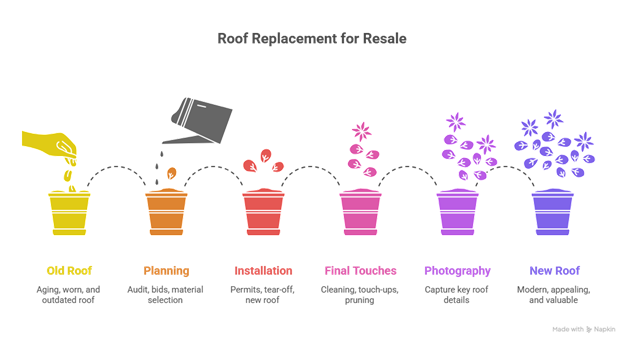
A roof replacement is not just a repair. It is a staging tool, an inspection insurance policy, and a subtle brand statement for your home. This final section pulls the ideas together into a simple plan with timelines, cost ranges, a seller checklist, a photo brief for your photographer, and clear talking points your agent can use with buyers at showings.
A practical timeline from decision to listing
Six to twelve months before listing
- Audit the roof age, prior repairs, ventilation balance, and attic condition.
- Walk the exterior at noon and at sunset to see how your current roof color plays with your paint and landscaping tones.
- Meet two or three licensed roofers for bids and material samples. Ask about current code requirements and wind mitigation documentation.
- If you are weighing tile versus metal or architectural shingles, ask for mockups or sample boards that match your neighborhood’s architecture.
- Confirm any HOA requirements in writing.
Ninety to sixty days before listing
- Finalize your material choice and color.
- Obtain permits and confirm lead times for tear off and installation.
- Line up a soft wash or gentle cleaning of fascia and soffit after the new roof goes on.
- Book your photographer and aim for a date that gives new materials time to settle and look natural in photos.
Thirty to fourteen days before listing
- Complete installation and request a fresh wind mitigation report.
- Close permits and collect final inspection sign off.
- Compile your warranty packet and invoices into a single PDF for easy sharing.
- Schedule touch ups to paint where it meets the roof line.
- Prune palms and hedges that block clean roof sightlines from the street.
Photo week
- Clean windows and sweep pavers so the roof color reads true rather than fighting with dust.
- Capture aerial or elevated angles that show the roof plane.
- Photograph key details such as ridges, valleys, and neat flashing. Beauty sells, tidy detailing convinces.
Listing week
- Hand your agent a one page roof fact sheet. Include install date, material, color, warranty terms, wind mitigation notes, and a single sentence on why the assembly suits our climate.
- Be ready with a simple answer when buyers ask about energy comfort, insurance, and maintenance. The talking points below will help.
Expected cost ranges in Southwest Florida
Pricing shifts with roof size, pitch, story count, tear off complexity, decking replacement, material availability, and code upgrades. These ranges are directional for typical single family homes in our region. Always confirm with a licensed contractor.
- Architectural shingles
Typical range for many homes in our area is ten thousand to twenty thousand. Premium shingles and complex roofs trend higher. - Standing seam metal
Typical range for common sizes is twenty four thousand to fifty thousand depending on panel profile, clip system, and coastal grade coatings. - Concrete or clay tile
Typical range is twenty eight thousand to sixty thousand with added weight considerations, underlayment upgrades, and more intensive labor. - Stone coated steel and premium profiles
Typical range overlaps the high end of architectural shingles and the low to mid range of metal depending on brand and system details.
If you plan to align your selection with an established green building narrative for marketing, the U S Green Building Council publishes broader guidance on heat and envelope choices buyers increasingly ask about. For a general design perspective that can help you frame choices for buyers, the American Institute of Architects has accessible resources that translate technical selections into livability outcomes buyers will recognize.
The seller checklist that keeps deals moving
Paperwork and proof
- Final invoice that lists the system, manufacturer, and install date
- Manufacturer and workmanship warranties with clear transfer instructions
- Permit number and proof of final inspection
- New wind mitigation report
- Product data sheets that show impact and wind ratings
Curb appeal tune up
- Freshen trim paint that touches the roof line
- Clean gutters and downspouts so edges look crisp
- Remove roof clutter such as old antenna mounts
- Replace any cracked tiles at walk pads or service routes
Comfort and maintenance
- Verify attic ventilation is balanced from soffit to ridge
- Seal minor air leaks at attic hatches
- Label your attic access with the new install date so inspectors see it immediately
For consumer friendly roofing basics that can guide your conversations, the National Roofing Contractors Association maintains helpful homeowner resources. If you want a consultant level view of roof and wall interfaces, the building enclosure experts at IIBEC offer clear, educational material that informs smart questions.
The photo brief your photographer will appreciate
Packaging a new roof for buyers starts with the gallery. A good photo run tells a concise story of quality and calm.
- Front elevation at a slightly lower camera height so the roof fills the top third of the frame
- Quarter angle shots from both street corners to show clean ridge lines
- Close details of valley lines, ridge caps, and terminations around chimneys or vents
- Backyard elevation that captures roof planes against sky for color accuracy
- Twilight exterior to show even tone without midday glare
- Optional drone or elevated mast shots that give context to the neighborhood and roof geometry
A simple request to your photogrpaher helps too. Ask for a few extra exposures to prevent blown highlights on bright finishes so the texture reads true.
Agent talking points for showings and open houses
Buyers make decisions with their eyes and their shoulders. If they relax, they move toward yes. Give your agent a tight script that answers unasked questions.
Longevity and care
The roof was installed in the last year with permits closed. The system is designed for our wind zone and includes the current fastening schedules. The attic is balanced for intake and exhaust which keeps the home cooler and helps the roof last longer.
Insurance and inspection comfort
We have a new wind mitigation report and the products used carry impact and wind ratings appropriate for our region. The inspection packet and warranties are ready to transfer to the next owner.
Energy and everyday life
The color and finish were chosen for Gulf light and reflectivity which can reduce afternoon heat gain. The attic smells clean and feels cooler. That is the comfort story you can feel on showings.
Neighborhood fit
The profile and color were selected to harmonize with nearby homes and with the landscape palette. Listing photos pop and the street view feels calm and cared for.
If your agent fields more technical questions, share the consumer pages at the National Association of Home Builders which give plain language context for exterior upgrades and how buyers respond to them.
What to expect during installation
Even a well planned roof project can feel noisy without a roadmap. Setting expectations for yourself and for buyers who ask about the process helps keep the story clear.
Before work begins
- Materials arrive and are staged without blocking sidewalks or drains
- Landscaping near eaves is protected with breathable covers
- Attic contents are covered where installers may need to access vents or decking
During tear off
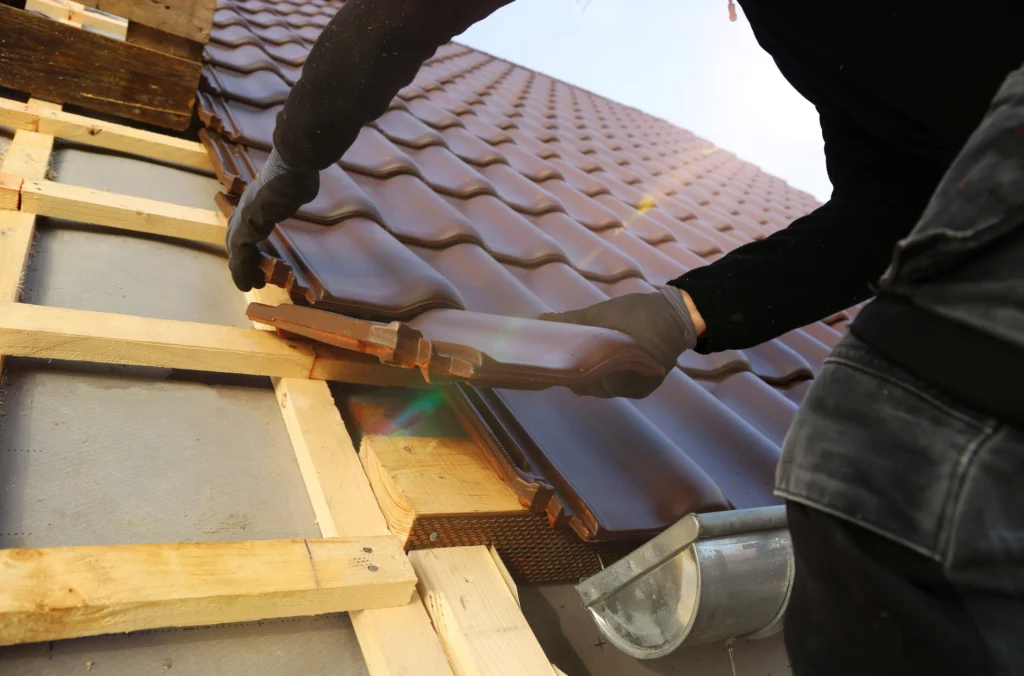
- Old materials are removed section by section
- Decking is inspected and any compromised sheathing is replaced
- Underlayment goes on promptly to keep the home protected from pop up showers
During installation
- Starter courses, flashing, and vents are installed cleanly
- Field materials go on with correct fastener spacing and alignment
- Ridge ventilation and caps finish the lines neatly
After completion
- Magnetic sweep for nails around the property
- Permit inspections and sign off
- Warranty registration and final invoice delivered as a single packet
If you want to frame enclosure quality with buyer friendly language, the American Institute of Architects and IIBEC resources can help you translate details into benefits that non technical buyers understand.
Mistakes that can cost you offers
Avoid these common missteps. They sound small. They can echo very loudly during negotiations.
Skipping permit closure
An open permit can stall underwriting and create avoidable drama.
Choosing a color that fights the facade
Test samples against your paint in mid afternoon sun. What looks perfect at 8 am can look harsh at noon.
Ignoring ventilation balance
A pretty roof with poor airflow can leave the home feeling warm and a little stale. Buyers notice with their noses.
Forgetting the paperwork
A roof with no proof is just a story. Assemble your packet before photos.
Overlooking small details
Bent gutter elbows, crooked attic screens, or old satellite mounts pull eyes from your clean new roof. Fix them early.
A brief Q and A you can hand to buyers
How long should this roof last in our climate
It depends on material and maintenance. Architectural shingles often run twenty to thirty years. Tile and metal can go longer when installed and maintained correctly. Salt air, sun exposure, and tree cover affect all materials.
Will the new roof help with insurance
A current installation with wind mitigation documentation often helps the conversation. Specific discounts and terms vary by carrier.
Does the color really affect comfort
In our sun, yes. Lighter finishes and reflective coatings can reduce attic temperatures. That can lower air conditioning load and make rooms feel calmer at peak hours.
What maintenance is required
Keep gutters clear, trim trees away from eaves, schedule occasional inspections, and address small issues before they grow.
Can I add solar later
Many modern roofs can be prepared for solar. If you plan to add panels, ask your roofer to coordinate attachment details during installation so penetrations remain tidy and sealed.
For broader sustainability context that can reassure buyers who care about long term operating costs, the U S Green Building Council offers consumer friendly primers you can share.
A closing script for your listing description
Use this or adapt it for your copy. It blends curb appeal with performance and buyer comfort.
Fresh coastal roof installed with permits and wind mitigation in hand. Color selected for Gulf light. Balanced ventilation for cooler summers and quiet afternoons. Crisp ridgelines and neat flashing that show beautifully in person. Warranty and documentation ready to transfer. Insurance and inspection conversations go faster here which helps you move from showing to closing with fewer surprises.
Final thoughts and next steps
In Southwest Florida a new roof is more than a repair decision. It is a marketing asset, a comfort upgrade, and a confidence amplifier for inspections and insurance. When you match material and color to your architecture, when you close permits cleanly, and when you package the story with clear photos and tidy documentation, buyers respond with stronger offers and shorter timelines. If you want a sanity check on your plan or material choice, ask your contractor for a quick walk through of your mockups in natural light. Share the packet with your agent. Then let the gallery do its quiet work.
When you are ready to act, gather two bids, ask for installation timelines, and set your target listing week. The best stories in real estate read simple. New roof. Clean lines. Cool rooms. Clear paperwork. Happy buyer. Happy you.
P S If any of the names or acronyms above feel like alphabet soup during prep, ask your roofer to translate them into everyday benefits. A good pro loves that part and it helps your agent tell the story well.