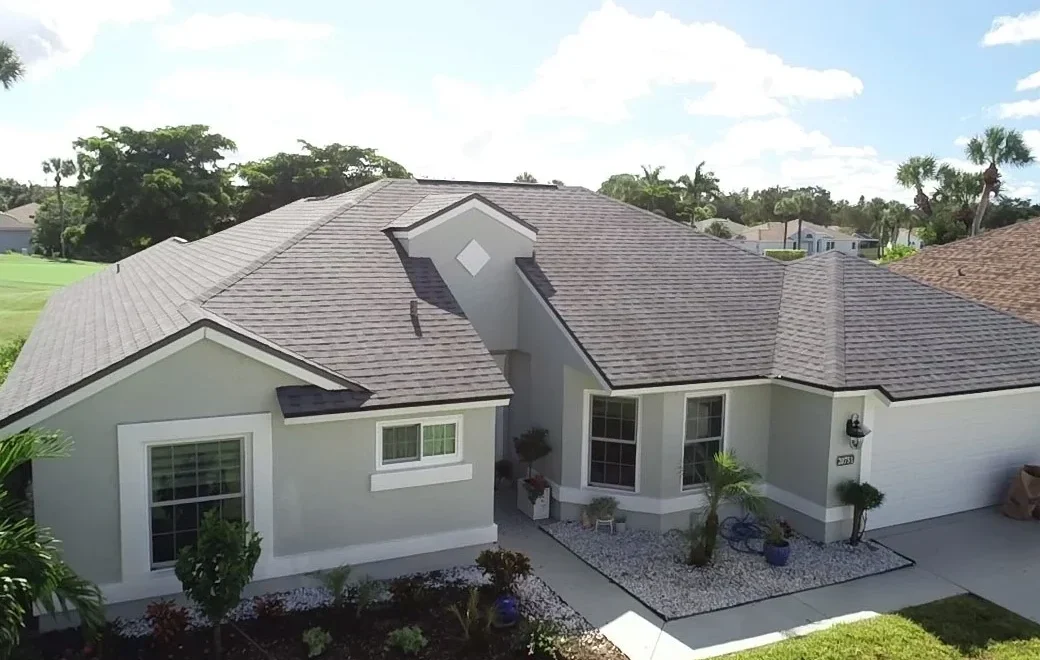
Category: Metal Roofs

  • Need a Reliable Roofing Contractor? 9 Things For Your Checklist

    Need a Reliable Roofing Contractor? 9 Things For Your Checklist

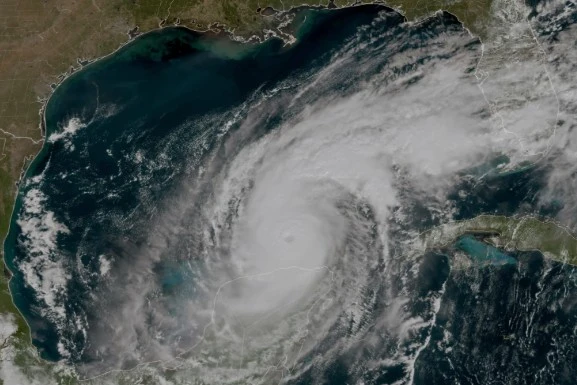
    Choosing a reliable roofing contractor is crucial to ensure that your roof repair or replacement is done properly and efficiently. In the aftermath of Hurricane Ian illegal work was rampant resulting in millions of dollars lost. San Carlos Roofing, a Florida certified and fully insured contractor, offers are some key steps to help you find a trustworthy and competent roofing contractor:

    Do Your Research and Get Referrals

    • Ask for Recommendations: Start by asking friends, family, and neighbors for recommendations. Personal experiences can provide valuable insights into the quality of work and customer service.
    • Online Reviews: Check online review platforms such as Google, Yelp, and Angie’s List. Look for contractors with consistently high ratings and positive feedback.
    • Local Listings: Utilize local directories and the Better Business Bureau (BBB) to find contractors in your area.

    It’s Critical To Verify Credentials

    • Licensing: Ensure the contractor has the appropriate state or local licenses. This verifies that they meet the required standards and regulations.
    • Insurance: Confirm that the roofing contractor carries liability insurance and worker’s compensation insurance. This protects you from liability in case of accidents or damage during the project.
    • Certifications: Look for certifications from reputable roofing manufacturers. These indicate that the contractor has undergone specialized training and can offer better warranties.

    Make Them Prove Experience and Expertise

    • Track Record: Choose a contractor with several years of experience in the roofing industry. Experienced contractors are more likely to provide quality work and handle unexpected issues effectively.
    • Specialization: Ensure the contractor specializes in the type of roofing you need, whether it’s asphalt shingles, metal roofing, tile, or flat roofs.

    Demand Detailed Estimates

    • Multiple Quotes: Obtain written estimates from at least three contractors. Compare the scope of work, materials, labor costs, and timelines.
    • Breakdown of Costs: Ensure the estimates provide a detailed breakdown of costs, including materials, labor, and any additional fees. This helps you understand what you’re paying for and avoid hidden charges.

    ALWAYS Check References

    • Past Projects: Ask the contractor for references from recent projects. Contact these references to inquire about their experience, the quality of work, and whether the project was completed on time and within budget.
    • Portfolio: Review the contractor’s portfolio or website for photos and details of previous work. This can give you an idea of their craftsmanship and style.

    Evaluate Communication

    • Responsiveness: Pay attention to how quickly the contractor responds to your inquiries and provides information. Good communication is essential for a successful project.
    • Transparency: A reliable contractor should be willing to answer your questions, explain the process, and provide clear and honest information.

    Review Contracts and Warranties

    • Written Contract: Ensure that all terms and conditions are clearly outlined in a written contract. This should include the scope of work, payment schedule, timelines, and warranty details.
    • Warranty: Ask about the warranties offered on both materials and labor. Reliable contractors typically provide substantial warranties, reflecting their confidence in their work and the materials they use.

    Assess Safety Practices

    • Safety Protocols: Inquire about the contractor’s safety practices and protocols. A reliable contractor prioritizes the safety of their workers and your property.
    • Training: Ensure that the crew is well-trained and follows industry safety standards.

    Avoid Red Flags

    • Upfront Payments: Be cautious of contractors who demand large upfront payments. Reputable contractors typically request a reasonable deposit, with the balance due upon project completion.
    • High-Pressure Sales: Avoid contractors who use high-pressure sales tactics or try to rush you into a decision.
    • Lack of Documentation: Steer clear of contractors who are unwilling to provide written estimates, licenses, insurance details, or references.

    Choosing a reliable roofing contractor involves thorough research, careful evaluation of credentials and experience, and clear communication. By following these steps, you can ensure that you hire a trustworthy professional who will deliver quality work, protect your investment, and provide peace of mind throughout the roofing project.

  • Is Your Roof Storm-Ready? Check Out These Roof Repair Essentials

    Is Your Roof Storm-Ready? Check Out These Roof Repair Essentials

    Why Your Roof Is Your First Line of Defense

    When storm season arrives in Florida, your roof isn’t just another part of your home—it’s the primary barrier protecting everything underneath. Between hurricane, force winds, torrential rains, and airborne debris, a compromised roof can spell disaster. Without proper preparation, even minor vulnerabilities can result in massive structural damage and insurance headaches.

    As the climate grows more volatile and storms intensify, roof storm readiness is no longer optional—it’s essential. This is especially true for homeowners in hurricane, prone regions where roofing standards must meet stricter codes and face more aggressive weather year after year.

    This guide explores the crucial roof repair essentials you should evaluate before storm season hits, with a strong focus on metal roofing—widely regarded as one of the most storm, resilient systems available in Florida today.

    Storm Season Is No Longer Predictable

    Every year, Florida faces more frequent and severe tropical storms. Climate data shows a steady rise in Category 4 and 5 hurricanes, bringing sustained wind speeds over 130 mph, heavy rainfall, and intense storm surges. Your roof takes the first hit—and sometimes, the hardest.

    The DECRA Roofing blog points out that most homeowners underestimate the small issues that can become catastrophic under storm pressure. A minor seam lift, rusted fastener, or degraded flashing might seem harmless today but could turn into a leak path or a point of failure when winds exceed 120 mph.

    Metal Roofs: Florida’s Go, To for Hurricane Protection

    Engineered to Withstand the Worst

    More homeowners in coastal areas are switching to metal roofs—and it’s no surprise why. A properly installed metal roof, particularly one using stone, coated steel or standing seam panels, can withstand wind speeds of 140 to 160 mph, easily meeting and often exceeding Miami, Dade County building codes.

    According to Allstate Exteriors, the interlocking structure of metal roofing adds strength and cohesion. This design prevents panels from lifting or buckling under wind pressure, one of the most common forms of storm, related damage with traditional shingles or tiles.

    Longevity Meets Storm Resistance

    Metal roofs also resist common issues like water absorption, mildew, and rot. They are non, combustible, energy, efficient, and lightweight—reducing the strain on your home’s frame while offering one of the longest lifespans in the industry.

    For Florida homeowners serious about storm preparation, a metal roof isn’t just a smart investment—it’s a strategic one.

    Pre, Storm Roof Inspection: What to Look For

    Your roof can’t protect your home if it’s already vulnerable. Before storm season starts, you should conduct or schedule a thorough inspection to identify weak points.

    Here’s a comprehensive checklist inspired by professional assessments like the one provided by Owens Corning.

    Surface Condition

    Look for visible signs of damage or deterioration. This includes cracked or loose panels, rust spots on metal surfaces, or signs of water pooling. Staining and discoloration may indicate slow leaks or underlayment saturation.

    Fasteners and Connectors

    Check all exposed hardware. Loose or missing fasteners are a red flag—especially on metal roofs where secure attachment is critical. If screws or bolts appear rusted or stripped, they need to be replaced immediately.

    Flashing and Seals

    The flashing around chimneys, vents, and skylights often goes unnoticed until it fails. Inspect these areas for gaps, corrosion, or dried, out sealant. Sealant degrades faster under UV exposure, especially in the Florida sun.

    Underlayment Integrity

    If possible, inspect the condition of your underlayment—the waterproof barrier between your roof panels and roof deck. Tears, mold, or soft spots are serious indicators of water intrusion and potential future leaks.

    The Forgotten Element: Drainage Systems

    While your roofing surface takes center stage, don’t forget about your gutters and downspouts. These systems prevent water from backing up and infiltrating your home at the roof’s edges or foundation.

    According to Sunflo Roofing, poorly maintained gutters contribute significantly to water, related damage during hurricanes. Leaves, sediment, or improperly pitched troughs can stop water from draining efficiently, leading to backups at the roof’s weakest points.

    Make sure all drainage channels are cleared and that fasteners are properly securing gutters to fascia boards. Also check for sagging or misalignment, both of which can cause overflow under heavy rain.

    Roof Penetrations and Equipment: Weak Points You Can’t Ignore

    Any object that breaks the continuity of your roof—vents, skylights, HVAC units—is a potential vulnerability. During a major storm, poorly sealed penetrations can allow wind, driven rain to enter your attic, cause insulation damage, and weaken your home’s structure.

    Pay particular attention to:

      • Vent pipes and exhaust fans 

      • Solar panel mounts or satellite dishes 

      • Roof, mounted HVAC systems 

    Ensure all of these are securely mounted and sealed. Check that storm boots and flashing collars are snug and free from tears or rust.

    Knowing When Repairs Aren’t Enough

    Sometimes, patching problems isn’t the right move—especially if your roof is over 20 years old or has suffered multiple rounds of minor repairs. According to San Carlos Roofing, ongoing patchwork without addressing underlying issues often leads to more costly damage during the next storm.

    If your roof shows signs of soft decking, systemic rust, or structural compromise, replacement may be the safer, more cost, effective option. Florida building code updates also mean older roofs may no longer meet current storm, resistance standards, putting your home (and your insurance policy) at risk.

    How to Get a Professional Storm, Readiness Assessment

    Not sure whether you need a minor repair, major reinforcement, or a full replacement? Many Florida, based contractors now offer storm, readiness audits. These inspections go beyond surface checks to evaluate the integrity of the decking, fasteners, flashing, and underlayment.

    Ask for a written report, complete with photos and recommendations. This documentation can also support insurance claims if damage does occur after a storm.

    Weak Spots That Fail First in a Florida Storm

    When a major storm rolls through Florida, your roof becomes the frontline barrier between your home and disaster. While many homeowners believe their roofs are solid, even small vulnerabilities can turn into catastrophic failures under 120+ mph wind gusts or heavy, sustained rainfall.

    This section uncovers the most common failure points that compromise storm protection—along with insights on how metal roofing and storm, smart design can help you stay protected.

    Wind Uplift and Edge Vulnerabilities

    Wind uplift is one of the most aggressive forces a storm can exert on your roof. It doesn’t just blow from the top—it infiltrates from underneath, especially at roof edges, eaves, and ridge caps. Traditional shingles are particularly prone to being lifted and torn away when wind gets beneath them.

    That’s why modern roofing systems—especially stone, coated metal—feature interlocking panels, concealed fasteners, and hurricane, rated anchoring. According to Kelly Roofing, reinforcing the edges with additional fasteners and installing wind, resistant ridge caps can dramatically improve roof performance under pressure.

    If your current roof lacks these design features, it may be time to consider a storm, resilient upgrade like a roof replacement through a contractor that specializes in Florida’s weather challenges.

    Improper Flashing Installation: Small Detail, Big Risk

    Flashing is a thin layer of metal installed around critical areas such as chimneys, skylights, vent pipes, and roof valleys. It’s designed to redirect water away from vulnerable joints—but if it’s improperly sealed, loosely fitted, or corroded, it creates an ideal pathway for leaks during a storm.

    Metal roofs in particular rely heavily on effective flashing, as water can travel long distances beneath the panels before showing interior signs. High, quality flashing, paired with fresh sealant and professional installation, is one of the easiest ways to prevent structural water damage.

    If you’re unsure about your roof’s flashing integrity, consider reaching out for emergency roof repair before the storm season ramps up.

    Aging Roof Systems and Worn Materials

    Age is one of the most telling factors in a roof’s ability to withstand a storm. Asphalt shingles generally begin to degrade after 15–20 years, while tile systems suffer from broken or dislodged pieces over time. Once those outer layers weaken, water infiltration becomes inevitable.

    In contrast, metal roofing systems are engineered for longevity. Stone, coated and standing seam panels can last 40 to 70 years with proper maintenance—outperforming other materials in both impact and wind resistance.

    If your current roofing system is showing signs of wear, or if you’ve had to patch it more than once in recent years, it’s worth scheduling a full roof inspection and repair before hurricane season begins.

    Drainage Systems: The Overlooked Factor

    Many homeowners forget that an otherwise solid roof can still fail if water doesn’t have a way to escape. Poorly maintained gutters, clogged downspouts, or misaligned valleys can cause water to pool and back up into seams, underlayment, or even into the attic structure.

    Ensuring clear, well, anchored gutters and properly pitched downspouts is critical to keeping the edges of your roof—and the foundation of your home—protected during heavy storms.

    As part of your storm readiness checklist, be sure to clean and test your entire drainage system. For properties with larger roof spans or metal systems that shed water quickly, oversized gutters may also be worth considering.

    Roof Penetrations: HVAC Units, Vents, and More

    Any object that disrupts the flow of your roof—be it a vent pipe, HVAC unit, satellite dish, or solar mounting bracket—is a potential failure point. If the penetrations aren’t tightly sealed or reinforced, wind, driven rain can find its way in fast.

    Inspect each of the following before storm season:

      • Ridge vents and attic ventilation caps 

      • Plumbing stacks and vent boots 

      • Satellite or antenna mounting points 

      • Rooftop AC units or solar arrays 

    Use a licensed contractor to ensure penetrations are flashed and sealed properly, and don’t rely on caulk alone—it breaks down quickly under UV exposure. If your home includes rooftop equipment from a prior build, it may require reinforcement through a new construction roofing specialist.

    Material Breakdown: Which Roof Types Hold Up Best?

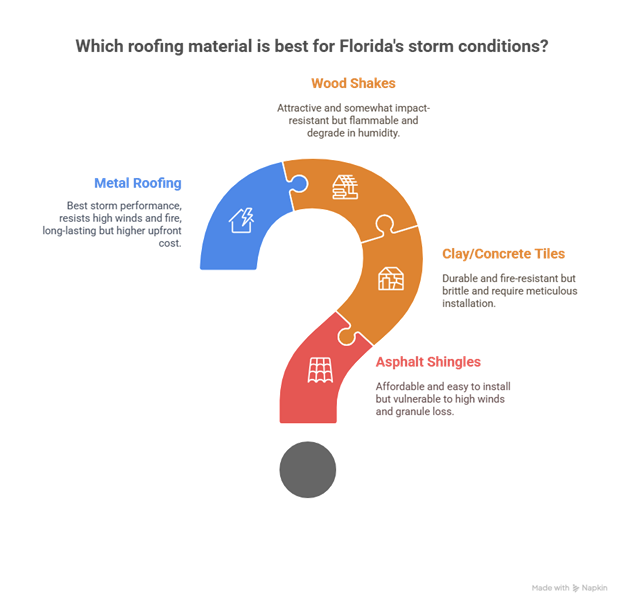
    Asphalt Shingles

      • Lifespan: 15–25 years in Florida. 

      • Storm Resistance: Low. Vulnerable to wind uplift, curling, and tearing. 

      • Ideal For: Short, term budgets, mild storm zones. 

    Concrete or Clay Tile

      • Lifespan: 30–50 years. 

      • Storm Resistance: Moderate. Heavy and impact, resistant, but prone to breakage under debris or misaligned installation. 

      • Ideal For: Aesthetic builds in less storm, prone areas. 

    Metal Roofing

      • Lifespan: 40–70 years. 

      • Storm Resistance: High. Tested against wind speeds of 140–160 mph. Interlocking seams and corrosion, resistant coatings enhance long, term durability. 

      • Ideal For: Hurricane zones and homeowners seeking a lifetime roofing system. 

    If you’re weighing a roof replacement or considering upgrading your current materials, metal consistently proves to be the most storm, resilient and cost, effective over time.

    Documentation and Insurance Readiness

    Before a storm hits, documentation is your best line of defense with your insurance provider. Start with:

      • A full set of roof photographs, including close, ups of flashing, penetrations, and any prior repairs. 

      • A written inspection report from a licensed contractor. 

      • Copies of your roofing warranty and maintenance receipts. 

    Having this information on file helps streamline claims processing and avoids disputes about preexisting conditions. If your roof hasn’t been documented recently, now is the time to schedule it.

    Avoiding Post, Storm Scams

    After a storm, roofing scams spike. Many homeowners are approached by “contractors” offering fast repairs or free inspections—only to find that these services are incomplete, overpriced, or worse, never delivered.

    Here’s how to spot the red flags:

      • No proof of license or insurance 

      • High, pressure sales tactics 

      • Out, of, state phone numbers or plates 

      • Demanding payment upfront before work begins 

    Stick with reputable, Florida, based professionals like San Carlos Roofing who have experience with local code compliance, permitting, and storm restoration. Local roofers not only understand the weather patterns—they’re accountable for the quality of their work after the storm passes. 

    After the Storm—Response, Repairs, and Long, Term Protection

    Even the most storm, ready roof can take a hit when a powerful system rolls through Florida. What matters next is how quickly—and how wisely—you respond. This final section breaks down what to do immediately after a storm, how to assess damage safely, and the long, term maintenance strategies that can make all the difference before the next season arrives.

    What To Do Immediately After a Storm

    Stay Safe Before You Inspect

    The first step after a hurricane or tropical storm passes is safety. Downed power lines, unstable debris, or hidden structural damage can make it risky to rush outside. Wait until emergency services give the all, clear before attempting to inspect your property.

    Once it’s safe:

      • Walk the perimeter of your home with a camera or smartphone. 

      • Look for displaced panels, downed gutters, or debris on your roof. 

      • Use binoculars to check for damage from ground level. 

      • Do not climb onto your roof unless you’re a trained professional. 

    If you suspect a major issue—like torn flashing, lifted metal seams, or punctures from flying debris—contact your roofer for a formal inspection and emergency repair as soon as possible. San Carlos Roofing offers trusted, professional roof repair services tailored for post, storm response in Florida communities.

    Inspecting the Interior for Hidden Damage

    Sometimes, the signs of roof damage aren’t obvious from the outside. Be sure to inspect inside your home for indicators like:

      • Ceiling stains or water spots 

      • Moldy smells or sudden humidity increases in the attic 

      • Bubbling paint or warped drywall 

    These are signs that moisture has made its way past the roofing system and into your home. Don’t delay—moisture problems escalate quickly and can lead to extensive interior damage and costly mold remediation.

    Filing Your Insurance Claim the Right Way

    Timing is crucial when filing a storm damage claim. Florida insurers are fielding thousands of calls after major storms, and delays in your paperwork can mean longer wait times—or denied coverage.

    Here’s how to streamline your claim:

      1. Document everything. Submit photos of the damage, pre, storm photos (if available), and any repair invoices or inspection reports. 

      1. Schedule a professional inspection. A contractor’s assessment carries weight with insurance adjusters and helps validate your claim. 

      1. Don’t sign over control. Some storm, chasing contractors may pressure you into signing an “Assignment of Benefits” (AOB). This gives them control of the claim process and may result in inflated costs or disputes. 

    Choose a reputable, licensed contractor like San Carlos Roofing to handle inspections and documentation. Local contractors understand Florida’s unique insurance regulations and are invested in long, term relationships with their clients—not quick cash.

    Routine Roof Maintenance: Your Best Long, Term Strategy

    Think of roof maintenance like a tune, up for your car. It may not seem urgent until something goes wrong—but by then, the costs can be steep.

    Scheduling annual or semi, annual inspections is one of the most effective ways to:

      • Catch minor issues before they become expensive repairs 

      • Extend the lifespan of your roofing system 

      • Ensure compliance with warranty and insurance requirements 

      • Maintain energy efficiency and interior comfort 

    At minimum, every Florida homeowner should:

      • Clear gutters and downspouts at least twice per year 

      • Check flashing and sealants for wear 

      • Inspect fasteners and anchors, especially after storms 

      • Verify that all rooftop equipment is securely attached 

    If you’re installing a new system or renovating a storm, damaged property, prioritize working with a contractor experienced in new construction roofing. Proper installation is the foundation of a storm, ready roof.

    Post, Storm Roof Replacement: When Repairs Aren’t Enough

    Sometimes the damage is too widespread for simple patching or minor reinforcement. If your roof is more than 20 years old, or if you’ve had multiple repairs in the past five years, replacement may be the safer and more cost, effective choice.

    Common signs that indicate replacement is necessary:

      • Major structural damage or compromised decking 

      • Multiple leaks throughout different parts of the home 

      • Roof no longer meets current Florida building codes 

      • Significant damage to underlayment or fastener systems 

    A full roof replacement with hurricane, rated materials, like metal or stone, coated steel, ensures your home is protected by a modern system built to withstand Florida’s most extreme conditions. It also adds long, term resale value and peace of mind during future storm seasons.

    Storm, Ready Roofing: Key Takeaways for Florida Homeowners

    Let’s recap the most critical essentials for preparing your roof before the next storm:

    ✔ Schedule a professional inspection before hurricane season

    An expert can identify potential weaknesses before they become expensive failures.

    ✔ Address flashing, fasteners, and drainage systems

    Small fixes can prevent major damage when winds and rain intensify.

    ✔ Upgrade materials where needed

    Metal roofing continues to outperform all others for storm resistance and longevity.

    ✔ Keep documentation and photos on hand

    Having proof of your roof’s pre, storm condition helps insurance claims go smoothly.

    ✔ Work with local experts

    Companies like San Carlos Roofing bring localized knowledge, Florida code compliance, and dependable service to every job.

    Your Roof Is Only Storm, Ready If You Are

    Florida’s weather is as beautiful as it is unpredictable. A bright morning can turn into a full, blown hurricane warning by nightfall. That’s why taking proactive steps to prepare your roof isn’t just a smart idea—it’s essential for protecting your home, your family, and your investment.

    Don’t wait for storm clouds to gather. Schedule your inspection, address those repairs, and if it’s time, invest in a roofing system designed to go the distance. Because when the next storm comes—and it will—you’ll want to know with absolute certainty: your roof is ready.

  • How Upgrading to a New Roof in Florida Improves Energy Efficiency and Reduces Costs

    How Upgrading to a New Roof in Florida Improves Energy Efficiency and Reduces Costs

    Why your roof is the true thermostat of a Florida home

    When summer sticks to the windows and the AC never seems to rest, most homeowners point to their equipment first. The quiet truth is that your roof is the largest sun facing surface on the property and it governs how much heat enters your living space hour by hour. A modern energy efficient roof reflects more of the sun, releases stored heat faster, and works with proper ventilation and insulation to lower indoor temperatures. That combination eases the strain on your cooling system and trims utility bills in a way you can feel after the very first hot spell.

    The Florida heat problem in plain language

    Florida homes live under extreme solar exposure for most of the year. Roof surfaces can run far hotter than the air around them at midday. When that heat conducts into the attic, the temperature under the deck soars and your AC has to fight a constant uphill battle. Upgrading to a new roof designed for reflectivity and smarter heat flow interrupts that chain reaction. Less heat enters the attic, attic temperatures drop, ducts operate in a cooler zone, and conditioned air stays comfortable longer. The result is fewer runtime hours and fewer emergency calls when the humidity spikes.

    What counts as an energy efficient roof in Florida

    Energy efficiency is not one single feature. It is a set of roof choices that work together.

    Solar reflectance and thermal emittance

    Solar reflectance measures how much sunlight the roof sends back into the sky. Thermal emittance describes how quickly the roof releases any heat it does absorb. The combined measure that blends both ideas is the Solar Reflectance Index, often called SRI. You will see SRI on many product data sheets. Higher SRI values indicate better performance under the sun. For an easy overview of SRI and product ratings, consult the Cool Roof Rating Council which maintains independent resources homeowners can trust.

    The Florida research backbone

    If you prefer data born in our climate, the Florida Solar Energy Center publishes studies and guidance that show how reflective roofing reduces cooling demand and improves comfort under peak sun. Their work highlights how color, coatings, and assembly choices alter attic temperatures and indoor comfort. The short version is simple. Florida homes benefit from roofs that reflect more and retain less.

    Fast benefits you notice on day one

    A new roof that is properly specified and installed delivers benefits immediately.

    Calmer attic temperatures

    With a reflective surface and better underlayment, the attic runs cooler by design. Lower attic temperatures translate to lower ceiling temperatures in the rooms below. Less heat sees the living room and the bedrooms stay steady through the late afternoon.

    A lighter workload for your AC

    When the roof cuts heat gain, your air conditioner cycles less frequently. That saves electricity and slows mechanical wear. Filters last longer and you reduce the odds of a surprise service call during a heat wave. The comfort difference feels small at first, then you realize your thermostat is not constantly drifting up between cycles. That is the roof doing quiet work.

    More even comfort from room to room

    Hot spots and stuffy second floors often trace back to a roof system that soaks up sun and radiates heat inward. A modern system reduces those gradients. Bedrooms that used to lag finally keep pace with the rest of the home.

    Materials that move the needle for Florida

    You do not have to chase a fad. Proven materials paired with the right coatings and assembly details will deliver practical savings.

    Reflective asphalt shingles that fit common budgets

    Today’s reflective shingle lines use specialized granules that bounce more of the sun away. They look like traditional shingles yet behave more like a cool roof. Many Florida homeowners start here because the upgrade stays within a familiar budget while still adding measurable relief in summer. For a current snapshot of what homeowners are choosing, see these 2025 roofing trends for Florida which note the rise of solar reflective options and the shift toward lighter colors that keep attics cooler.

    Modern metal roofs that pair style with performance

    Metal panels and metal shingles with high reflectance coatings can deliver outstanding cooling performance in our sun heavy climate. The panels shed heat quickly after sunset and many systems integrate above sheathing ventilation or thermal breaks that reduce heat transfer into the attic. The visual is clean and coastal. The performance is real and repeatable.

    Tile roofs that partner with airflow

    Concrete and clay tiles naturally create small air channels that allow heat to dissipate before it reaches the deck. Add a high reflectance finish and the effect strengthens. As a result, tile roofs can deliver steady comfort in both inland and coastal neighborhoods. Homeowners comparing choices often ask about real savings. Reports in Florida markets show cooling cost reductions in the range of ten to thirty percent during peak months when reflective materials and assemblies are used. For a Florida specific explainer on how that plays out, review this walk through on whether a new roof can lower energy bills in Florida.

    The building science behind the savings

    Let us tie the ideas together so the physics remains clear.

    Less solar gain equals lower attic load

    A high SRI surface reflects a larger slice of the sun’s energy, which means less heat ever reaches the deck. With less energy arriving, the attic air warms more slowly and to a lower peak. That reduces the temperature difference between the attic and your conditioned rooms, so less heat tries to flow downward.

    Cooler ducts deliver cooler air

    Many Florida homes have ducts in the attic. When attic air is cooler, ducts lose less energy and supply air arrives closer to the temperature you set. That improves comfort without touching the thermostat.

    Ventilation and insulation work better with a cool surface

    Ridge vents, soffit vents, and balanced airflow can only remove so much heat. Give them a roof that does not absorb as much in the first place and you amplify their effect. The same goes for insulation. It slows heat flow, but the benefit multiplies when the attic is not a heat reservoir. If you enjoy industry guidance, the U.S. Green Building Council offers resources that explain how cool roofs and proper insulation create stable indoor comfort in hot climates.

    Replacement versus repair when energy is the goal

    Repairs are worthwhile when the roof is structurally sound and relatively young. If your shingles are curling or your tile underlayment has aged out, a patch may stop a drip but it rarely improves energy performance for long. When the assembly itself is the issue, a full system upgrade is the straight line to lower bills.

    When a full system replacement makes sense

    If the roof is near the end of its service life, if leaks keep returning, or if ventilation and underlayment are outdated, a replacement lets you start fresh with the right reflective surface, a breathable or high performance underlayment, sealed penetrations, and balanced airflow from soffit to ridge. That is how you stack benefits and protect them for the long haul.

    Why the installer matters more than the brochure

    Two homes can use the same product and end up with different results. The difference is craftsmanship and system thinking. Flashings that are properly seated, fasteners that meet code, ridge ventilation that is balanced with soffit intake, and underlayment choices that match the climate all shape energy outcomes. If you want a partner who treats energy performance as a system and not a slogan, explore local expertise in roof replacement and ask about reflectivity ratings, attic ventilation plans, and the expected effect on cooling loads.

    Real world expectations for Florida homeowners

    The best part of an energy focused roof upgrade is that benefits stack. Expect steadier indoor temperatures in late afternoon. Expect the AC to cycle less often on similar weather days. Expect fewer hot spots in rooms facing west. And expect seasonal bills that trend lower year over year. Some savings arrive immediately while others build as you dial in attic ventilation and insulation after the new roof goes on.

    A Florida first roadmap for your upgrade

    To aim for measurable savings and long term comfort, use a simple plan.

    • Step one

    Choose a reflective roof surface with a published SRI that fits your design goals. Lighter colors are your friend in this climate.

    • Step two

    Pair the surface with a quality underlayment that resists heat and supports smooth airflow under the deck.

    • Step three

    Balance ventilation from soffit to ridge so hot air escapes as fast as it builds. Even a small mismatch can blunt the overall effect.

    • Step four

    Check ducts and insulation once the new roof is in place. A cooler attic makes duct sealing and top up insulation even more cost effective.

    Florida centric insights from trusted sources

    Homeowners do not have to guess. Florida contractors and industry groups are documenting results and sharing them widely. For practical perspectives born in our market, you can scan these insights on 2025 roofing trends for Florida and this Florida specific guide to whether a new roof can lower energy bills in Florida. For independent definitions and rating methods, the Cool Roof Rating Council remains a reliable source, and Florida based research from the Florida Solar Energy Center adds the local proof that many owners want to see. Little side note. If any page loads slowly, try it again since some sites throttle during peak hours.

    What this means for resale and long term value

    Energy savings are the headline, but comfort sells homes and a tight roof protects everything beneath it. Buyers in coastal and inland neighborhoods alike pay attention to roofs that promise lower bills and longer service life. With the right product and a quality install, you are improving curb appeal, day to day comfort, and the math that buyers use when they compare similar homes on the same street.

    Choosing the right roof system for Florida microclimates

    The quick decision map you can use today

    Start with the heat. Then confirm wind exposure. Then match the material to your style and budget while keeping an eye on reflectivity and airflow. That simple sequence keeps you from chasing cosmetic upgrades that do not move your energy bills in a meaningful way.

    1. Identify your sun profile. Wide open lots and west facing elevations need higher reflectance and faster heat release.
    2. Confirm wind and salt exposure. Coastal homes benefit from corrosion resistant metals or tile systems that breathe naturally while meeting uplift requirements.
    3. Choose a surface with a documented solar reflectance and emittance. Lighter colors generally perform better in Florida sun.
    4. Complete the assembly with balanced ventilation and an underlayment that supports cooler attic temperatures.
    5. Lock in maintenance habits that keep performance high through year three and year ten.

    Material by material, what actually reduces cooling load

    Reflective asphalt shingles that fit common neighborhoods

    Modern reflective shingles look familiar yet use granules engineered to bounce a larger share of sunlight away from the deck. When paired with proper ventilation, they can knock down attic temperatures during the most punishing hours of the day. For a homeowner friendly explainer on how energy focused roofs keep interiors cooler and cut runtime hours, scan this note on how a new roof in Florida can keep your home cool. These shingles slot into many HOA palettes and hit a sweet spot on cost, comfort, and curb appeal.

    High reflectance metal roofs with cool coatings

    Metal reflects strongly and sheds heat quickly in the evening. When coated with high performance finishes and installed with a thermal break or above sheathing ventilation, metal panels resist daytime heat gain and calm attic peaks that punish your ducts. A concise walk through of energy efficient surfaces, including metal and tile, is available in this guide to energy efficient roofing materials. Beyond reflectance, metal’s tight seams and long panel spans limit air leakage at the roof plane which supports steady indoor temperatures.

    Clay and concrete tile that leverage airflow

    Clay and concrete tile create small air channels between the tile and the deck. That built in ventilation lets heat escape before it loads the attic. Pair that with a reflective finish and you get a very Florida friendly combo that stabilizes indoor comfort during late afternoon. Tile weighs more than other options, so make sure your framing and fastening schedules are designed for it. Properly built tile systems often deliver a longer service life, which means more years of energy savings with less material turnover.

    If you want a longer read on the building science of ventilation and heat flow behind these color decisions, the American Society of Heating, Refrigerating, and Air Conditioning Engineers offers technical resources that explain why cooler surfaces and balanced attic airflow reduce cooling demand in hot climates.

    The assembly details that compound savings

    Underlayment that supports a cooler attic

    Quality synthetic underlayments resist heat and provide a smoother path for moisture to exit where ventilation is balanced. Some assemblies add a radiant barrier or an air space that interrupts heat transfer into the attic. A clear homeowner overview of these choices appears in this Florida focused note on energy efficient roofing solutions.

    Balanced ventilation from soffit to ridge

    Ventilation is not decoration. Intake at the soffit must match exhaust at the ridge so hot attic air is continuously replaced with outdoor air. That steady exchange limits attic peaks, which keeps ducts in a friendlier environment and reduces the temperature difference that drives heat into rooms below. For Florida specific building and comfort guidance, the University of Florida IFAS Extension publishes accessible resources on home energy strategies that play nicely with our humidity and sun.

    Tight flashings and sealed penetrations

    Air leakage at the roof plane makes your attic act like a solar powered bellows. Tighter flashings and carefully sealed penetrations stop that invisible push pull. The result is fewer hot spots and less dust drawn into the building envelope. It sounds small and yet it shows up on the thermostat as steadier numbers in late afternoon.

    Coastal versus inland. Pick what your lot demands

    Coastal neighborhoods

    Salt air and gusty storms ask for corrosion resistance and robust fastening schedules. Metal with proven finishes and well detailed edges shines here. Tile also earns its keep because it encourages heat to escape while meeting uplift requirements when properly secured. Avoid dark colors that soak up heat. Lighter palettes look sharp against coastal light and usually perform better.

    Inland neighborhoods

    Urban heat island effects raise nighttime temperatures, so evening heat release matters. Reflective shingles with balanced ventilation are often the most budget friendly path. Metal and tile provide another level of performance where budgets and neighborhood style allow. If trees shade portions of the roof, keep maintenance steady because leaves and pollen films can dull reflectance over time. A simple seasonal rinse helps energy performance more than people expect.

    Budget to performance pathways that work in practice

    You do not need a blank check to get measurable results. Use one of these pathways to tune energy performance to your budget.

    1. Value first. Reflective shingles in a light color with verified reflectance. Add ridge and soffit ventilation that is sized for your attic.
    2. Mid tier. Cool coated metal with a thermal break or above sheathing ventilation. Upgrade underlayment to a high temperature synthetic and seal all penetrations to stop air leakage.
    3. Long horizon premium. Tile with a reflective finish or high end metal. Integrate a vented assembly and optimize attic insulation once the new roof is on.

    For a crisp overview of how energy focused roofs translate into daily comfort and bill savings, here is a quick overview of energy efficient roofing options for Florida homes.

    Attic layouts that support your new cool roof

    Roof upgrades do their best work when the attic is ready to cooperate. A few layout notes can prevent energy performance from going sideways.

    1. Keep insulation continuous across the attic floor. Gaps around recessed lights and access hatches can short circuit comfort.
    2. Avoid blocking soffit vents with insulation batts. Airflow from soffit to ridge should be clear.
    3. If you have ducts in the attic, seal them and insulate to current best practices. Cooler attic air reduces duct losses, which makes every room feel more even.
    4. Confirm bath and kitchen fans are ducted outdoors. They should not terminate in the attic where moisture and heat would linger.

    Where repair fits into an energy plan

    A well targeted repair can preserve your gains. Small leaks, cracked flashings, or loose ridge components can pull hot air and humidity into the attic and undo the work your reflective surface is trying to accomplish. If you notice stains near vents, peeling sealant, or unusual dust patterns in the attic, schedule prompt roof repair services. Small fixes keep the energy story on track and extend the life of the system.

    What savings look like in the real world

    Florida contractors who track results consistently report lower summer cooling demand after energy minded roof replacements. Homeowners see fewer AC cycles on similar weather days, steadier room temperatures in late afternoon, and seasonal bills that ease off as the new roof and ventilation settle in. Several contractor summaries, including this one that references research and ENERGY STAR data, note that energy efficient roof systems can yield meaningful annual savings when heat absorption and attic peaks are brought under control. For a digestible summary, skim this explanation of the benefits of a new roof installation.

    Incentives and the finance side of energy upgrades

    Tax policy changes from time to time, but Florida homeowners often find credits or tax strategies that improve the payback on an energy focused roof upgrade. If you are exploring the numbers with your accountant, this plain language brief on how Florida homeowners can maximize tax savings on roof replacements gives a helpful starting point. It is not a substitute for advice, yet it clarifies what to ask. Little thing I sometimes forget when skimming these resources. Confirm dates, since incentives carry specific time windows.

    Maintenance that protects reflectance and airflow

    Once your new roof is on, a light touch keeps it performing.

    1. Seasonal rinse where dust and pollen settle. Dirt films reduce reflectance and invite algae.
    2. Trim overhanging limbs so leaves do not clog valleys or shade key areas.
    3. Confirm soffit and ridge vents remain clear after storms. Bird screens and attic baffles should be intact so airflow stays balanced.
    4. Replace any sun baked sealant at flashings before the rainy season. It is faster and cheaper to reseal than to chase a leak later.
    5. Keep a simple log. Dates of cleanings, small repairs, and inspections help you see patterns and address them before they grow. I know, easy to forget, but that tiny log pays you back.

    Putting it all together without overthinking it

    Pick a reflective surface that suits your neighborhood and sun profile. Build a vented assembly that lets your attic breathe. Seal the small gaps that let heat and dusty attic air wander into living spaces. Keep the surface clean so it reflects like new. When you do those steps in order, your roof becomes a quiet partner in comfort rather than a heat source you have to fight every afternoon.

    Real world payoffs, case snapshots, and your step-by-step roadmap

    Case snapshots from Florida neighborhoods

    Every home is a little different, yet the pattern repeats. Cooler roof surface, calmer attic, steadier rooms, friendlier electric bills. These brief snapshots mirror the outcomes thousands of Florida owners report when they upgrade with energy in mind.

    Coastal bungalow near Bonita Springs

    A single story bungalow three blocks from the bay swapped an aging dark shingle for a light colored cool coated metal profile. The crew added a high temperature underlayment and balanced soffit to ridge ventilation. By midsummer the owners noticed later afternoon rooms holding temp without a manual nudge to the thermostat. Their utility log showed the AC cycled fewer times on near identical weather days. The quieter evenings surprised them most since the attic did not radiate heat into bedrooms after sunset.

    Inland two story in Lehigh Acres

    A family home with ducts in the attic moved to a reflective architectural shingle and added continuous intake at the eaves. They also sealed a handful of leaky duct connections while the attic was easy to access. The result was smoother supply air temps and less temperature drift between floors. Bills did not plummet overnight, yet they trended down through the first full cooling season, which is exactly how an energy minded roof should perform.

    Low slope addition in Fort Myers

    A rear addition with a low slope roof traded an aging surface for a white membrane with fresh insulation. The change was immediately visible on infrared scans and felt in the kitchen below. Cook time no longer spiked the thermostat. The owner called it the most boring kind of comfort because nothing felt dramatic, it just felt steady.

    Simple payback math you can check over coffee

    You do not need a spreadsheet to get a feel for payback. A few numbers and honest assumptions are enough. The goal is not to chase a perfect forecast. The goal is to test whether your upgrade path makes sense for your home and budget.

    Scenario A. Reflective shingle upgrade

    Assume an owner chooses a reflective shingle in a light color instead of a standard darker option. The incremental cost for the cooler shingle and ventilation tweaks is two thousand five hundred dollars. Annual electricity cost is two thousand four hundred dollars. Assume fifty five percent relates to cooling which is one thousand three hundred twenty dollars. If the roof cuts cooling use by twelve percent, annual savings are one hundred fifty eight dollars and forty cents since 0.12 times 1320 equals 158.4. Divide the upgrade cost by the savings and the simple payback is about sixteen years since 2500 divided by 158.4 is 15.79. Not a moonshot, yet remember the system also eases AC wear and improves comfort that you feel daily.

    Scenario B. Cool coated metal with an attic thermal break

    Assume the premium to move from a mid grade shingle to a cool coated metal panel with a thermal break is eight thousand dollars. Annual electricity cost is three thousand dollars. Assume sixty percent relates to cooling which is one thousand eight hundred dollars. If the roof trims cooling by twenty percent, that is three hundred sixty dollars per year. Some owners also earn modest insurance credits for improved roof assemblies and wind measures. If that nets two hundred dollars a year, combined benefit is five hundred sixty dollars. Eight thousand divided by five hundred sixty is a simple payback of about fourteen years. Stretch the roof life horizon and that math looks better every year the system keeps going.

    What moves payback in your favor

    A few levers have an outsized effect on payback.

    1. Higher cooling share of your bill amplifies savings from a cool surface.
    2. Ducts in the attic gain more when the attic runs cooler.
    3. Insurance credits and solid resale comps shorten the effective payback.
    4. Choosing light colors with tested reflectance and maintaining a clean surface preserve gains year over year.
    5. Local incentives or tax strategies can improve the cash story. For a Florida focused overview of possible roof incentives, skim this outline of state and local incentives for energy efficient hurricane ready roofing.

    Quick note on arithmetic. Energy prices and weather vary by season, so your payback window is an estimate. The point is to check the direction and scale, not to predict the penny. If the math feels tight, talk with your installer about small assembly tweaks that stack extra savings, then re run the numbers. It sounds basic, but this tiny loop is worth the minute it takes.

    A homeowner friendly installation checklist

    This is the field tested sequence that keeps energy goals on track from first call to final inspection. You can copy it straight into your project notebook.

    Pre design walk

    Invite your contractor to inspect the attic, measure current ventilation, and map duct paths. Ask for photos of soffit intake and ridge exhaust, and a short note on how the new assembly will keep attic peaks lower than they are now.

    Code and permitting review

    Florida roofs live under specific structural and wind rules. Confirm permit path and required fastening schedules up front. For code context and education, you can browse the Florida Building Commission’s portal and the International Code Council which publishes the model codes many localities adopt or adapt.

    Product and color selection with performance in view

    Pick products that publish tested reflectance and weathered performance. Resist the urge to choose by color chip alone. For technical selection guidance from independent building envelope professionals, the International Institute of Building Enclosure Consultants is a trusted resource.

    Tear off and deck preparation

    Once the old surface is removed, crews should check sheathing, re nail to schedule where needed, and plan penetrations so air sealing can be tight. In hurricane country this is also the moment to consider a sealed roof deck, a measure supported by the Insurance Institute for Business and Home Safety for storm resistance and water entry control.

    Underlayment and thermal control strategy

    Choose a high temperature synthetic underlayment that resists Florida sun during install days and supports a cooler attic over the long run. If your assembly allows, a ventilation space or radiant barrier can be introduced above the deck to interrupt heat flow before it reaches the attic.

    Balanced ventilation from soffit to ridge

    Intake without exhaust or exhaust without intake both miss the mark. The system should show numbers for net free vent area that satisfy manufacturer and code guidance. For general ventilation literacy the Home Ventilating Institute offers accessible resources that help you visualize balanced airflow.

    Flashings, edges, and penetrations

    Ask your crew to photograph step flashings, counter flashings, and all pipe penetrations before they are covered. Clean geometry here pays you back in airtightness that supports energy goals.

    Final inspection and homeowner walk

    Confirm fastener patterns, ridge components, and attic baffles are correct. Request a brief attic temperature log during the first hot week after completion. Anyone can place a simple thermometer and snap a few photos each afternoon. You will like what you see.

    Post install tune and care

    Schedule a seasonal rinse where pollen and dust collect. Trim limbs that shade key surfaces. Recheck screens at soffit and ridge every spring. Steady small care preserves reflectance and airflow which is where the energy story lives.

    Choosing the right material for your block and budget

    If you want a compact scan of materials that align with Florida’s climate and styles, these plain language rundowns help frame the conversation before your estimate meeting. A New Year resolution themed guide from a regional contractor explains why many owners time their upgrade to align with comfort and cost goals, see this note on starting the year with a new energy minded roof. For material specific context on Clay, Concrete, and Metal in current palettes, these roundups are helpful starting points from Modern Metal Roofing, Florida Roofing and Gutters, and a clean primer on common roof types from Fox Haven Roof.

    Cost factors to keep in view

    Energy performance is a reason to upgrade, yet cost lines still matter. Two owner facing explainers break down the moving parts so there are fewer surprises. For a dollars and cents look at Florida roof budgets, browse this guide to roof replacement costs in Florida. For metal specifically, see a clear rundown of the factors that shape metal roof cost in Florida. Costs vary by roof geometry, access, and fastening schedules, so use any table as a conversation starter rather than a binding quote.

    Comfort compounding with credible energy habits

    A cool roof makes every other energy habit more effective. Setbacks and schedules on your thermostat work a little better when the attic is friendly. Duct sealing yields more when the roof lowers attic peaks. If you like to read about the bigger efficiency picture and how cooling demand responds to smart upgrades, the American Council for an Energy Efficient Economy offers research and homeowner guides that place roofs inside an easy to follow whole home plan. For hot humid climate practice and field tips that feel built for Florida, the nonprofit Southface Institute is another reliable resource.

    Certification and green building pathway

    If you want to align your project with recognized Florida standards, the Florida Green Building Coalition outlines voluntary programs that encourage energy minded choices. A new cool roof with balanced ventilation and durable details often checks boxes across comfort, energy, and resilience categories that add to long term value.

    Questions to ask your roofer before you sign

    1. What is the tested solar reflectance and emittance for the color I am considering
    2. How will soffit intake and ridge exhaust be balanced in square inches of net free vent area
    3. Will you photograph flashings and penetrations before they are covered so I can keep a record
    4. If my ducts are in the attic, what steps will you take so this roof upgrade improves supply air temperatures
    5. What is the expected effect on cooling use during the hottest months compared with my current roof
    6. Which crew lead will be on site each day and how do I reach them if a small detail needs adustment
    7. How will you protect reflectance during install so scuffs and dust do not dull the surface
    8. What is your plan to keep soffit vents clear if insulation work happens after the roof is complete
    9. Which manufacturer documents should I save for warranty and future resale questions
    10. Will you help capture a simple attic temperature log during the first hot week after completion

    When to call San Carlos Roofing

    If you want a crew that treats energy performance as a system and not a slogan, start the conversation with San Carlos Roofing. Ask about color families with strong reflectance, balanced ventilation plans for your attic size, and the small detailing that keeps gains intact for years. Bring your last year of utility bills to the estimate meeting and we will walk the math with you line by line.

    Mini FAQ for quick clarity

    Do lighter colors really make a difference in Florida
    Yes. Lighter colors usually carry higher tested reflectance which reduces heat gain. In practical terms you will notice calmer afternoon temps and fewer thermostat bumps to stay comfortable.

    Is metal noisier in rain
    Modern assemblies include underlayments and attic insulation that mute sound very effectively. Most owners say the sound difference is small and often pleasant during gentle showers.

    Will a cool roof help if my ducts are not in the attic
    You will still gain comfort and protect the building envelope. If ducts are in conditioned space the energy savings from a cooler attic are smaller, yet a reflective roof still trims heat flow through the ceiling.

    How do I keep performance high over time
    Keep a simple maintenance routine. Seasonal rinse where dust collects, trim limbs, recheck ridge and soffit screens, and reseal small flashings before the rainy season. Ten minutes of care a couple times a year keeps reflectance and airflow working in your favor.

    Can I combine energy and storm upgrades at once
    Yes. Many homeowners time a roof project to add sealed roof deck measures and updated fastening schedules that help with wind while also choosing a reflective surface. You get comfort and resilience in one clean project window.

    Final words

    A Florida roof that reflects, releases heat quickly, and breathes through a balanced attic is the quiet workhorse behind summer comfort and calmer bills. Pair the surface with careful details and basic maintenance, and the benefits stack year after year. When you are ready to map your roof to your lot and lifestyle, bring your questions and a year of bills. We will put numbers and real materials on the table so you can see exactly how the upgrade plays out at your address. And yes, we will keep the process tidy, on time, and a little friendlier than you expect, even teh small parts that most folks overlook.
     

  • How to Get Your Roof Ready for Southwest Florida Summers

    How to Get Your Roof Ready for Southwest Florida Summers

    Summer in Southwest Florida is no joke. The sun beats down hard, rain rolls in fast, and storms? They can come out of nowhere. Your roof has a big job. It takes the hit so your home stays safe and dry. But if you haven’t checked on it lately, summer might bring more than just heat. It could bring leaks, mold, and stress you don’t need.

    Here’s how to get ahead of it all. San Carlos Roofing offers these few simple steps that can save you money later and help your roof last a whole lot longer.

    Get Your No-Obligation Quote

    Start With a Quick Look From the Ground

    You don’t have to climb up there. Just step back and take a look. Do the shingles look even? Are there any that are curled or missing? Do you see dark patches or streaks? These can all be signs of damage.

    Also, check for sagging. If the roofline isn’t straight, that’s not good. It could mean trouble under the surface. If something seems off, don’t ignore it. Make a note and plan to have someone take a closer look.

    Clean Out the Gutters

    It’s boring, but it matters. When your gutters are full of leaves or muck, water can’t flow the right way. Instead, it backs up under your roof. That’s when leaks start.

    Southwest Florida gets a ton of rain in the summer. Your gutters need to be ready for it. Clean them out now and check that the downspouts point away from the house. If you see cracks or sagging in the gutters, fix them before storm season kicks in.

    Look for Signs of Water Damage

    Check your ceilings. Look in the attic. Any stains, peeling paint, or soft spots could mean there’s a leak. Even if it seems small now, it’ll only get worse once the summer rains hit.

    It’s not always easy to spot water damage. Sometimes the signs show up slow. A musty smell in the attic can be a clue. So can warped wood or insulation that feels damp.

    If you find anything, call a pro. The longer you wait, the more expensive the fix can get.

    Check the Roof Vents

    Your roof needs to breathe. Vents let hot air escape from the attic. That helps keep your house cooler and stops moisture from building up inside.

    When vents are blocked, it gets stuffy. And hot. That trapped heat can mess with your shingles. It can also raise your electric bill fast.

    So take a peek. Are the vents covered in leaves or bird nests? Is the screen torn? Clean them out and make sure air can move freely.

    Trim Nearby Trees

    Overhanging limbs might look nice, but they’re bad news during storm season. Branches can fall on the roof or scrape against shingles when the wind picks up. Even small limbs can break loose in a summer storm.

    Cut back anything that hangs too close. While you’re at it, check for trees that lean or look weak. Strong storms and soggy ground can make them fall over without much warning.

    Get a Professional Roof Inspection

    Even if your roof looks fine, a pro can catch stuff you might miss. They’ll check for weak spots, loose nails, cracked flashing, and soft areas where water can sneak in.

    In Southwest Florida, it’s a good idea to get an inspection every year, especially before hurricane season. A licensed roofer knows what to look for and can tell you if repairs are needed.

    Plus, catching problems early often means smaller bills. Waiting until something breaks? That’s when it gets pricey.

    Get Your Quote Before It’s Too Late

    Fix Small Problems Now

    Got a few missing shingles? A small drip in the attic? Fix it now. Little issues turn big fast when storms roll through.

    Summer rain doesn’t give your roof a break. It pours. Over and over. Even a tiny crack can let water in if it gets hit hard enough or long enough.

    Don’t wait for it to fail. If you already see something that needs fixing, handle it before the season gets wild.

    Consider Upgrades if Your Roof Is Old

    If your roof is over 15 years old and you’ve had a few issues already, it might be time to think about replacement. It’s not the cheapest fix, but it might be the smartest one.

    New roofing materials are tougher. Some reflect heat better. Others hold up stronger in wind. In Florida, that matters.

    And here’s something else to think about. Insurance companies in Florida look at your roof’s age. If it’s too old, they might raise your rate—or drop you.

    Stay on Top of Roof Maintenance

    It doesn’t take much to keep your roof in good shape. Just a few simple checks every season, and quick repairs when needed.

    Clean the gutters. Trim the trees. Look for signs of wear. And when in doubt, ask someone who knows what to look for.

    Your roof is one of the biggest parts of your home. Treat it like it matters, because it does. If any of these things seem a bit overwhelming give San Carlos Roofing a call. We have a team that specializes in helping locals get ready for the soon to be on us storm season.

    Why Regular Roof Maintenance Pays Off in Southwest Florida

    Taking care of your roof isn’t just about avoiding big repairs. It’s about protecting your whole home. With affordable roof maintenance in Southwest Florida, you can avoid major damage, lower your energy costs, and stay ready for hurricane season without breaking the bank.

    Quick roof checkups and simple storm prep tips can make a huge difference when summer hits. By acting early, you avoid the last-minute scramble and expensive emergency repairs that often follow heavy rain and wind. Plus, a well-maintained roof can boost your home’s value and help keep your insurance rates in check.

    If you want peace of mind this summer, don’t wait until it’s too late. Plan ahead, make smart fixes, and enjoy knowing your roof is ready for whatever the season brings.

    Last Chance To Get Your Quote 

  • Smart Metal Roofing Innovations for Storm Protection

    Smart Metal Roofing Innovations for Storm Protection

    When hurricanes sweep through Southwest Florida, turning skies into battlegrounds and testing every home’s resilience, a roof becomes more than shelter—it’s a lifeline. Thanks to cutting-edge innovations in metal roofing, homeowners now have access to systems that stand firm against howling winds, pounding rain, and flying debris. From coatings that heal themselves to sensors that outsmart leaks, these advancements transform roofs into fortresses, blending style with unyielding strength. Crafted for homeowners seeking storm-ready solutions, this 2,000-word guide, brought to life by San Carlos Roofing’s expertise, explores how these innovations make metal roofs the ultimate shield against nature’s fury. With vivid storytelling and practical insights, we’ll dive into the technologies revolutionizing storm protection, ensuring your home emerges unscathed from even the fiercest storms.


    Building a Storm-Ready Foundation

    Reflective Coatings: Battling Heat and Wear

    In the blistering heat of Southwest Florida, where the sun’s rays can feel like a prelude to a hurricane’s wrath, reflective coatings are a game-changer for metal roofs. These advanced layers bounce back up to 85% of solar heat, slashing cooling costs and shielding the roof from thermal stress. By keeping temperatures in check, they prevent material fatigue, ensuring the roof stays robust against UV degradation and storm-driven wear. For homeowners, this means a roof that doesn’t just survive the pre-storm heat but thrives, maintaining its structural integrity when winds and rain arrive. It’s like giving your home a suit of armor that deflects both sunlight and storm damage with equal ease.

    Multi-Layer Shields Against Corrosion

    Reflective coatings are just the start—multi-layer coatings take storm protection to the next level. These systems, often infused with durable polymers like Kynar 500, create a barrier that resists corrosion from Florida’s salty coastal air and impact from debris hurled by hurricanes. Whether it’s a rogue branch or relentless hail, these coatings ensure your roof remains unscathed, preserving its watertight seal. This durability is crucial in storm-prone regions, where corrosion can weaken lesser materials, leaving roofs vulnerable. With multi-layer coatings, your metal roof becomes a steadfast guardian, ready to face the elements without flinching.

    Enhanced Impact Resistance: Defying Debris

    Hurricanes don’t just bring wind—they turn everyday objects into projectiles. Modern metal roofs are built to withstand this onslaught, thanks to advanced alloys and construction techniques that boost impact resistance. Tested to meet UL 2218 Class 4 standards, these roofs can shrug off hail, falling branches, and other storm-driven debris without denting or cracking. The secret lies in stronger materials like Galvalume steel and panel designs that distribute force evenly, preventing damage. For homeowners in Southwest Florida, this means a roof that stands firm against a hurricane’s barrage, protecting your home when debris flies.

    Wind-Resistant Designs: Anchored Against the Storm

    High winds are a hurricane’s calling card, but modern metal roofs laugh in their face. Innovations in wind-resistant systems include interlocking panels and secure fastening techniques that lock the roof tightly to the home’s frame, preventing uplift even in gusts exceeding 140 mph. These designs, often compliant with rigorous Miami-Dade building codes, ensure your roof stays put when the storm roars. By minimizing the risk of panel loss or structural damage, these systems offer peace of mind, knowing your home is shielded by a roof engineered to outlast the fiercest gales.

    Smart Technology: Outsmarting Storm Damage

    Today’s metal roofs aren’t just tough—they’re smart. Integrated leak detection systems use sensors to monitor for water intrusion in real-time, sending alerts to your phone if a seal is breached during a storm. This early warning system lets you address issues before they escalate into costly repairs, a lifesaver in hurricane-prone areas where wind-driven rain can exploit even tiny vulnerabilities. Imagine getting a notification mid-storm, pinpointing a potential leak near your skylight—smart tech empowers you to act fast, keeping your home dry and secure.

    Home Automation for Proactive Protection

    Smart metal roofs go beyond leak detection, integrating with home automation systems to give homeowners unparalleled control. You can monitor roof temperature, solar energy output (if paired with panels), or structural health from anywhere, ensuring your roof is storm-ready at all times. For example, sensors can detect excessive heat buildup that might weaken coatings, allowing you to address it before a storm hits. This connectivity transforms your roof into a proactive defender, blending cutting-edge technology with rugged durability to keep your home safe.

    Revolutionary Features for Resilience


    Self-Healing Coatings: A Roof That Fights Back

    Picture a roof that heals itself like a living organism. Self-healing coatings make this a reality, automatically repairing minor scratches and abrasions caused by storm debris. Activated by sunlight or heat, these coatings flow into small cracks, sealing them to maintain the roof’s watertight integrity. In Southwest Florida, where hurricanes fling palm fronds and debris with abandon, this innovation ensures your roof recovers quickly, preventing small damages from becoming big problems. It’s a roof that doesn’t just endure storms—it bounces back, ready for the next challenge.

    Self-Cleaning Surfaces: Keeping Storms at Bay

    Storms leave behind a mess—leaves, dirt, and organic debris that can clog drainage and invite leaks. Self-cleaning coatings use nanotechnology to break down this grime, letting rain wash it away effortlessly. For metal roofs, which rely on swift water runoff to stay leak-free, this feature is a game-changer. By keeping surfaces clean, these coatings ensure proper drainage during torrential downpours, reducing the risk of water pooling or corrosion. Homeowners enjoy less post-storm maintenance, as the roof takes care of itself, staying pristine and storm-ready with minimal effort.

    Modular Systems: Speedy Recovery, Lasting Strength

    When a hurricane strikes, time is critical. Modular roofing systems revolutionize storm recovery with pre-fabricated panels that make repairs fast and efficient. These panels slot together seamlessly, allowing contractors to replace damaged sections without overhauling the entire roof. In Southwest Florida, where multiple storms can hit in a season, this speed is invaluable, minimizing your home’s exposure to further damage. Modular designs also ensure consistent quality, with each panel engineered for wind and impact resistance, giving you a roof that’s back to full strength in no time.

    Efficient Repairs for Storm-Prone Homes

    The flexibility of modular systems shines in post-storm scenarios. A trusted contractor like San Carlos Roofing can swap out damaged panels quickly, restoring your roof’s storm resistance without costly, time-consuming overhauls. This efficiency reduces disruption and keeps repair costs down, a boon for homeowners facing frequent storms. By combining speed with durability, modular systems ensure your roof is always ready to face the next hurricane, no matter how soon it arrives.

    Climate-Adaptive Designs: Built for Any Weather

    Storms vary, and modern metal roofs adapt. Climate-adaptive designs include features like snow and leaf guards to prevent debris buildup, ensuring efficient drainage during heavy rain. In Florida’s volatile climate, these guards keep water flowing freely, reducing leak risks. Highly reflective surfaces also help roofs perform in extreme heat or sudden cold snaps, maintaining structural integrity across conditions. These tailored features make your roof a versatile shield, custom-built to handle the unique weather challenges of your region.

    Versatility for Maximum Protection

    Climate-adaptive roofs go further, with adjustable panel configurations that optimize wind resistance or ventilation based on local needs. In hurricane-prone areas, tighter interlocking panels prevent uplift, while ventilation channels manage humidity in humid climates. This adaptability ensures your roof isn’t just storm-ready but optimized for every extreme, from torrential rains to blistering heat, offering homeowners a customized defense against nature’s unpredictability.

    Sustainability and Professional Expertise

    Sustainable Materials: Green and Resilient

    Metal roofing isn’t just about surviving storms—it’s about doing so sustainably. Many modern systems use recycled metals, reducing environmental impact without compromising strength. These materials match the durability of non-recycled counterparts, resisting hurricane winds and debris with ease. Plus, metal roofs are 100% recyclable at the end of their 50+ year lifespan, making them a planet-friendly choice. For eco-conscious homeowners, this blend of sustainability and storm protection offers a way to safeguard both their home and the environment.

    Long-Term Savings and Eco-Benefits

    Sustainable metal roofs deliver more than green credentials—they save money. Their durability means fewer repairs and replacements, cutting long-term costs. In hurricane-prone areas, insurers often offer premium discounts for metal roofs due to their storm resistance, adding to the savings. By choosing recycled materials, you reduce waste and energy use, contributing to a greener future while ensuring your home stands strong against storms. It’s a roof that protects your wallet and the planet in equal measure.

    Professional Installation: The Key to Performance

    Even the most advanced metal roof needs expert installation to shine. A skilled contractor like San Carlos Roofing ensures every panel, fastener, and coating is installed to meet stringent building codes, maximizing storm protection. Proper installation aligns with innovations like interlocking panels and hurricane clips, ensuring the roof can withstand winds up to 150 mph. In Southwest Florida, where local weather demands precision, choosing a licensed, insured contractor with metal roofing expertise is critical to unlocking the full potential of these technologies.

    Choosing the Right Partner

    Selecting a contractor isn’t just about credentials—it’s about trust. Look for professionals with certifications in metal roofing and a deep understanding of local storm challenges. Reviews and testimonials can confirm their reliability, while experience with insurance claims streamlines post-storm recovery. San Carlos Roofing, for instance, brings years of expertise to every project, ensuring your roof is a storm-ready masterpiece tailored to your home’s needs.

    Community and Long-Term Resilience

    Storm protection extends beyond your home to your community. Secure outdoor items before storms to prevent them from damaging your roof or neighbors’. Share tips like clearing gutters or trimming trees to foster a storm-ready neighborhood. Sustainable metal roofs also contribute to community resilience by reducing waste and energy use, setting a standard for eco-conscious living. By partnering with local experts, you help build a stronger, more prepared community.

    A Legacy of Strength

    Investing in an innovative metal roof is about more than surviving the next storm—it’s about building a legacy. With lifespans exceeding 50 years, these roofs offer lasting protection, lower maintenance costs, and potential insurance savings. Their sleek designs add curb appeal, boosting your home’s value. By choosing advanced materials and expert installation, you create a home that stands tall against hurricanes, year after year.

    Conclusion: A Roof Ready for Anything

    As storms grow fiercer, metal roofing innovations offer homeowners a powerful defense. From self-healing coatings to smart sensors, these advancements transform roofs into resilient, sustainable shields. Partnering with experts like San Carlos Roofing ensures these technologies are maximized, delivering a roof that’s as tough as it is beautiful. Whether you’re facing a hurricane or a hailstorm, these innovations keep your home safe, dry, and ready for whatever nature brings. Invest in a metal roof today, and build a storm-ready future for tomorrow.


  • How a New Roof Elevates Resale Value and Curb Appeal in Southwest Florid

    Imagine a brand new, fully warranteed roof for your Southwest Florida Home installed by San Carlos Roofing.

    Buying a home in Southwest Florida is as much about light and sky as it is about square footage. When a buyer pulls up to your driveway, the roof dominates the view. It frames the first impression, telegraphs maintenance history, and quietly tells a story about energy efficiency, storm readiness, and long term cost of ownership. In a market where sunshine is relentless and storms test every seam; a new roof can be the single upgrade that moves a listing from maybe to must see. It is not just shingles or panels. It is a value signal.

    Why a new roof is a value signal in Southwest Florida


    A roof in Cape Coral, Fort Myers, Bonita Springs, or Naples lives a complicated life. The ultraviolet index is high year-round, summer humidity is intense, salt air drifts far inland, and the season of afternoon thunderstorms is a way of life. Materials fade, adhesives age faster, and flashing earns every hour of its keep. Buyers know this. Agents know it too. Which is why a new roof reads as care and competence. It suggests the rest of the home is tended. It reassures lenders and insurance carriers. It gives buyers permission to imagine furniture and family instead of repairs and deductibles.

    A new roof also aligns your home with current code. Florida has one of the most demanding building codes in the country for wind uplift, fastening, and underlayment performance. Getting your home in step with the current Florida Building Code removes a whole category of doubt that can derail offers or slow underwriting. You are not just replacing a worn surface. You are upgrading to a safer, stronger standard that matters a lot along the Gulf.

    What the numbers and the neighborhood say

    Local agents keep repeating a simple truth. In this market a new roof pulls stronger offers. It is the difference between qualified buyers who hesitate and the same buyers who lean in. Industry reporting echoes that pattern. Studies cited for the Cape Coral market describe higher offer strength, faster time to contract, and fewer post inspection renegotiations once the roof question is off the table. Broader industry roundups note that a roof replacement often returns a meaningful share of its cost at resale, with many Florida sellers seeing measurable lift in final sales price. One overview of value trends summarizes the effect of new roofs on buyer psychology and resale outcomes in plain terms, bridging national findings with Gulf Coast realities. For a quick primer on common value ranges and why they persist, see this readable explainer on whether a new roof really increases value from a Florida contractor perspective at Next Dimension Roofing.

    Speed matters as much as price. In competitive neighborhoods, buyers tracking dozens of listings begin to filter by perceived risk. A fresh roofing system reduces that perceived risk. Florida agents who sell to out of state buyers say the same thing again and again. If the roof is new, showings spike and the listing window often shortens. Practical advice for sellers in the region also emphasizes that buyers and carriers prioritize a fully insurable roof, which is why replacing before listing can position you for fewer concessions. This seller focused breakdown on buyer expectations for insurability is a helpful reference from a Florida firm, especially the notes on discounts and buyer confidence here.

    Curb appeal physics as seen from the street

    Stand across the street from your home and squint. The roof is not a background detail. It is a giant shape that sets the color palette for every other finish. Paint, trim, pavers, even landscaping all look better or worse depending on the roof’s tone, texture, and profile. That is why curb appeal gains can be dramatic when you replace an older, sun bleached roof with a fresh, architecturally appropriate system.

    Tile profiles can add Mediterranean warmth. Standing seam metal can deliver a crisp coastal look. Architectural shingles can balance budget and design. For a visual sense of how tile shapes read on Florida elevations, browse this overview on how tile roofing boosts curb appeal and value in the state from a local builder resource at Copeland’s Complete Construction. Appraisers often assign real weight to first impression elements because they influence buyer behavior, which is why the Appraisal Institute teaches valuation professionals to consider quality, condition, and market reaction when analyzing exterior improvements. In plain English, if buyers compete harder for good looking homes with low risk envelopes, that behavior shows up in the numbers.

    Energy comfort and cool factor in a sun drenched climate

    Curb appeal is what gets a buyer to the door. Comfort is what keeps them there. In Southwest Florida, roof color and surface reflectivity are surprisingly important to comfort and utility bills. Light toned and reflective systems can lower attic temperatures, reduce air conditioning load, and make interiors feel calmer on peak afternoons. Curious how reflectivity is measured by industry professionals. The Cool Roof Rating Council maintains performance data on products that reflect more sunlight and emit more heat, and those characteristics can translate to tangible energy savings in hot climates. Florida has its own deep bench of building science resources. The Florida Solar Energy Center at the University of Central Florida publishes research on heat gain and roofing assemblies in Florida conditions, which is a useful anchor if you want to explain to a buyer why your home stays cooler than comparables.

    An energy conscious roof does not just shave a few dollars off a bill. It tells a buyer that the home is thoughtfully built for the place it lives. In an open house, that is the kind of detail that quietly earns trust.

    Insurance, inspections, and the peace of mind dividend

    Southwest Florida buyers are unusually attuned to insurance concerns. They ask about wind mitigation forms, age of roof coverings, underlayment type, and fastening patterns. A new roof with current fastening schedules and a wind mitigation report in hand can make a buyer’s insurance call shorter and their quote friendlier. It can also streamline the inspection process. When home inspectors do not have to document granular edge wear, brittle sealant, or lifted tabs, reports feel calmer and contracts move cleaner.

    There is also the warranty story. A new roofing system with a documented workmanship warranty and a clearly transferable product warranty reads as professionalism. It shows that you have paperwork, that a vetted company stood behind the work, and that the next owner inherits the benefit. That combination can be a clincher for buyers who definitely do not want to become roofing experts during their first month in the home.

    Style choices that sell in Gulf neighborhoods

    What looks timeless in Estero might feel out of place in Olde Naples. Design trends move, but a few principles hold steady along the Gulf. Colors that harmonize with stucco, shell paths, and tropical greens are easier on the eyes. Profiles that balance shadow lines with the height of the facade tend to photograph better for listing photos. Materials that resist corrosion and staining keep the look fresher through the rainy months.

    If you are considering an upgrade specifically to prepare for market, start with a design appointment that respects both neighborhood character and current code. A local contractor who knows the associations and the microclimates can help you choose a system that looks right and performs right. When you are ready for a professional, start your homework with a quick look at the services overview for San Carlos Roofing, then skim their dedicated page on roof replacement if you believe a full upgrade is the best route. If your timeline is tighter or your inspection flagged specific issues, a targeted roof repair can stabilize the look and performance while you plan next steps.

    How buyers read a roof during a showing

    Watch a couple walk up to a home at noon in July. Eyes go to the ridge, then to the gutters and the eaves, then to the transition lines around gables, vent stacks, and valleys. If edges look crisp, penetrations look neatly flashed, and the color fields appear even, buyers relax. They stop hunting for problems and start imagining their life in the space. That mindset shift is priceless.

    The same is true online. In listing photos, a fresh roof makes exterior shots pop, which increases clicks and saves to favorites. More engagement attracts more showings. More showings often yields stronger offers. The flywheel effect starts with the detail that fills the frame.

    The real world ROI of a new roof in Southwest Florida

    Return on investment is not just a spreadsheet concept here. It is a neighborhood comparison. Buyers in Cape Coral and Fort Myers scroll through listings looking for evidence of care. A new roofing system is visible proof. Industry snapshots consistently show roof projects returning meaningful value at resale, while reducing time on market. The national lens adds helpful context. The National Association of Realtors Remodeling Impact findings explain that properly executed exterior upgrades tend to punch above their weight because they influence first impressions, inspection outcomes, and insurance confidence all at once. That is exactly how value compounds along the Gulf.

    There is also a psychology dividend. When a buyer hears that a roof was replaced within the last year and that a transferable warranty exists, the mental math changes. They stop building a repair budget in thier head. They start thinking about furniture placement and which bedroom faces the breeze. That mental pivot is often the unseen engine behind a stronger offer.

    Price, speed, and negotiation power

    Fresh roofing helps in three ways that show up on your net sheet.
    One, it attracts a larger pool of qualified buyers who are filtering for move in ready.
    Two, it dismisses common inspection flags before they appear.
    Three, it reduces the number of concessions you make in the last mile of the deal. Sellers across Florida report fewer repair credits and tighter contract timelines when the roof question is already solved, a pattern you will see echoed in practical seller guides like this Florida focused take on whether to replace before listing from Liberty House Buying Group.

    For a clear manufacturer perspective on value and buyer confidence, this concise explainer from IKO outlines how modern shingle systems, warranties, and aesthetics work together to boost perceived and actual worth.

    Materials that sell in Gulf light

    Every roof material tells a different story to buyers. In Southwest Florida, the winners balance beauty, heat control, and storm toughness. Use the quick map below to decide which narrative supports your listing strategy.

    Architectural shingles

    • Curb appeal: Dimensional profiles and richer color blends look great in listing photos.
    • Budget fit: Often the most cost efficient path to a fresh exterior and clean inspection reports.
    • Performance: Modern shingles pair with synthetic underlayment and starter courses that help with wind resistance when installed to code.
      For a homeowner friendly overview of curb appeal upgrades that resonate with buyers, this visual guide from a Florida contractor resource at Giza Roofing Solutions is a helpful read.

    Metal roofing

    • Look: Sleek standing seam lines photograph beautifully and telegraph modern coastal quality.
    • Longevity: High durability in salty air when paired with proper fasteners and coatings.
    • Efficiency: Reflective finishes can reduce attic heat and lighten AC load in peak months.
      Buyers considering long horizon ownership often view metal as a premium, which is one reason Florida market roundups like this one from GM Exteriors frame metal upgrades as both style and durability plays.

    Concrete and clay tile

    • Aesthetic: Classic Mediterranean warmth that fits many neighborhoods from Bonita Springs to Naples.
    • Mass and comfort: Thermal mass moderates heat swings which can feel more comfortable in late afternoon.
    • Resale signaling: Reads as high end when maintained well.
      For a quick primer on how tile reads to buyers in this state, skim this homeowner overview on Florida curb appeal from Copeland’s Complete Construction. If you prefer a broader trend view, this regional look at sustainability and solar ready designs in Southwest Florida from Kleinberger Corporation shows where buyer tastes are headed.

    Stone coated steel and premium profiles

    • Hybrid value: Aesthetic depth with metal core strength.
    • Buyer perception: Often viewed as a step above standard options which can help your listing headline stand out.
    • Insurance interest: Impact and wind ratings can strengthen buyer conversations with carriers.

    Underlayment, ventilation, and the invisible details that appraisers notice

    The surface is the billboard. The layers underneath are the business plan. In our climate, premium peel and stick membranes, high temp underlayments, and well sealed valleys do heavy lifting during summer storms. Balanced soffit to ridge ventilation helps expel moist attic air which reduces the chance of mold odors during showings and keeps insulation drier for better performance. While buyers rarely ask to see the underlayment label, they absolutely respond to homes that smell fresh and feel cool when they step inside.

    If you want to anchor your selection to storm ready standards that buyers and inspectors respect, the Insurance Institute for Business and Home Safety maintains guidance on resilient roof assemblies under its Fortified program. It is not a code requirement, but it is a clear framework for upgrades that perform in high wind zones.

    Color, reflectivity, and why photos matter

    Listing photos can make or break a weekend of showings. Roof color choices impact both in person and online impressions. Lighter, coastal appropriate palettes tend to keep the composition airy and harmonize with stucco, pavers, and tropical greens. In mid day sun, a highly reflective finish helps prevent the blown out look that sometimes happens with dark roofs on light walls. For a simple, objective look at how roofing products shed heat, the Cool Roof Rating Council product directory is where professionals verify reflectance and emissivity. If you are the kind of seller who likes to understand the science, the University of Florida’s building research arm also publishes approachable work on Florida specific heat gain. Start with the roof and attic resources from the UF IFAS Extension.

    Documentation that boosts buyer confidence

    A new roof pays off best when the paperwork is clean and ready. Assemble these items before you list.

    What to gather

    • Final invoice with scope, materials, and install date
    • Manufacturer and workmanship warranties with transfer instructions
    • Proof of permit and final inspection sign off
    • Wind mitigation report prepared after the new installation
    • Material data sheets that show impact and wind ratings

    Practical seller guides inside Florida keep pointing to pre listing roof work as a negotiation smoother. If you want a quick, plain language take on why, this short article on how a new roof influences offers is a quick read at Steadfast Roofing Florida. Another approachable summary with buyer focused language is available from Gotcha Covered Roofing.

    Bonus points for buyers from out of state

    Many Southwest Florida buyers are relocating. They may not know local code cycles or wind zones. Include a one page sheet in your listing packet that explains the roof system in plain terms. List the year, type, warranty status, and a sentence on why the assembly is suited to our climate. It feels small. It reads as thoughtful. It can be the tiebreaker when a couple is choosing between two homes on a Sunday afternoon.

    Prep steps that multiply curb appeal

    Think of this as the one week plan to help your new roof do its best work.

    Clean and brighten

    • Soft wash the fascia and soffits so the new field looks crisp at the edges.
    • Touch up exterior paint that meets the roof line.
    • Prune any palms that crowd the eaves to open up sightlines from the street.

    Frame the shot

    • Ask your photographer for a low angle front photo that lets the roof fill the top third of the frame.
    • Schedule photos when the sun is high enough to keep the facade evenly lit.
    • If your roof has a reflective finish, request a few close up details for the gallery. Shoppers like to zoom.

    A short visual explainer on why the visual appeal of a Florida roof is an outsized factor in buyer perception is captured in this guide on first impressions from a regional market publisher at this overview.

    Permits, code comfort, and HOA alignment

    The fastest way to drain momentum from a promising listing is a last-minute paperwork snag. Make sure your permits are closed. Verify that any HOA color or profile requirements were followed. If you are preparing a new build or a substantial addition that includes a full roof, browse the local contractor services for new construction roofing so your selections align with both code and community before you order materials.

    For an extra layer of confidence, familiarize yourself with local resilience education resources that translate code intent into homeowner language. The nonprofit Federal Alliance for Safe Homes offers hurricane season checklists and roof selection basics that are easy to share with buyers who have safety on their minds.

    Insurance conversations that go faster

    After a major roof upgrade, call your carrier or agent. Ask whether your new features qualify you for improved terms. Wind mitigation credits can be significant, and buyers love hearing a specific monthly number rather than a vague assurance. Seller blogs that center the underwriting lens, like this Florida focused explainer on discounts tied to roof age and specs from Florida Roofing and Gutters, can help you prepare for that chat.

    If you prefer a high level summary of why fresh roofs shift the insurance math, this readable homeowner piece at Next Dimension Roofing ties together age, materials, and buyer psychology. For a second opinion, the compact article at GM Exteriors echoes those themes from a different vantage. Finally, a quick curb appeal primer from a Florida focused builder resource at Giza Roofing Solutions rounds out the perspective with visuals buyers instantly understand.

    When repair is enough and when replacement wins

    Not every listing needs a full tear off. If your roof is mid life with isolated issues, high quality repairs can stabilize appearance and performance for a coming sale. Replace lifted flashing, swap brittle pipe boots, and correct any ventilation imbalances. If the roof is at or near the age limit many insurers require, a full replacement will likely yield smoother offers and fewer roadblocks. A quick Florida seller focused look at this decision is captured in this practical article on preparing to sell with a new roof at this guide. For a broad value oriented refresher aimed at homeowners, this helpful summary from IKO reinforces how these choices land with buyers.

    Trend watch for the next buyer wave

    Sustainability is not just a buzzword in Southwest Florida right now. Buyers ask about solar readiness, heat reducing finishes, and recyclable materials. Regional construction roundups like this forward looking piece on energy smart roofing in our area from Kleinberger Corporation hint at what the next two years of listing language will emphasize. If you plan to hold for a season or two before selling, choosing a material and color that align with these trends can help your home feel contemporary when you finally hit publish.

    Turn your new roof into a resale strategy

    A roof replacement is not just a repair. It is a staging tool, an inspection insurance policy, and a subtle brand statement for your home. This final section pulls the ideas together into a simple plan with timelines, cost ranges, a seller checklist, a photo brief for your photographer, and clear talking points your agent can use with buyers at showings.

    A practical timeline from decision to listing

    Six to twelve months before listing

    • Audit the roof age, prior repairs, ventilation balance, and attic condition.
    • Walk the exterior at noon and at sunset to see how your current roof color plays with your paint and landscaping tones.
    • Meet two or three licensed roofers for bids and material samples. Ask about current code requirements and wind mitigation documentation.
    • If you are weighing tile versus metal or architectural shingles, ask for mockups or sample boards that match your neighborhood’s architecture.
    • Confirm any HOA requirements in writing.

    Ninety to sixty days before listing

    • Finalize your material choice and color.
    • Obtain permits and confirm lead times for tear off and installation.
    • Line up a soft wash or gentle cleaning of fascia and soffit after the new roof goes on.
    • Book your photographer and aim for a date that gives new materials time to settle and look natural in photos.

    Thirty to fourteen days before listing

    • Complete installation and request a fresh wind mitigation report.
    • Close permits and collect final inspection sign off.
    • Compile your warranty packet and invoices into a single PDF for easy sharing.
    • Schedule touch ups to paint where it meets the roof line.
    • Prune palms and hedges that block clean roof sightlines from the street.

    Photo week

    • Clean windows and sweep pavers so the roof color reads true rather than fighting with dust.
    • Capture aerial or elevated angles that show the roof plane.
    • Photograph key details such as ridges, valleys, and neat flashing. Beauty sells, tidy detailing convinces.

    Listing week

    • Hand your agent a one page roof fact sheet. Include install date, material, color, warranty terms, wind mitigation notes, and a single sentence on why the assembly suits our climate.
    • Be ready with a simple answer when buyers ask about energy comfort, insurance, and maintenance. The talking points below will help.

    Expected cost ranges in Southwest Florida

    Pricing shifts with roof size, pitch, story count, tear off complexity, decking replacement, material availability, and code upgrades. These ranges are directional for typical single family homes in our region. Always confirm with a licensed contractor.

    • Architectural shingles
      Typical range for many homes in our area is ten thousand to twenty thousand. Premium shingles and complex roofs trend higher.
    • Standing seam metal
      Typical range for common sizes is twenty four thousand to fifty thousand depending on panel profile, clip system, and coastal grade coatings.
    • Concrete or clay tile
      Typical range is twenty eight thousand to sixty thousand with added weight considerations, underlayment upgrades, and more intensive labor.
    • Stone coated steel and premium profiles
      Typical range overlaps the high end of architectural shingles and the low to mid range of metal depending on brand and system details.

    If you plan to align your selection with an established green building narrative for marketing, the U S Green Building Council publishes broader guidance on heat and envelope choices buyers increasingly ask about. For a general design perspective that can help you frame choices for buyers, the American Institute of Architects has accessible resources that translate technical selections into livability outcomes buyers will recognize.

    The seller checklist that keeps deals moving

    Paperwork and proof

    • Final invoice that lists the system, manufacturer, and install date
    • Manufacturer and workmanship warranties with clear transfer instructions
    • Permit number and proof of final inspection
    • New wind mitigation report
    • Product data sheets that show impact and wind ratings

    Curb appeal tune up

    • Freshen trim paint that touches the roof line
    • Clean gutters and downspouts so edges look crisp
    • Remove roof clutter such as old antenna mounts
    • Replace any cracked tiles at walk pads or service routes

    Comfort and maintenance

    • Verify attic ventilation is balanced from soffit to ridge
    • Seal minor air leaks at attic hatches
    • Label your attic access with the new install date so inspectors see it immediately

    For consumer friendly roofing basics that can guide your conversations, the National Roofing Contractors Association maintains helpful homeowner resources. If you want a consultant level view of roof and wall interfaces, the building enclosure experts at IIBEC offer clear, educational material that informs smart questions.

    The photo brief your photographer will appreciate

    Packaging a new roof for buyers starts with the gallery. A good photo run tells a concise story of quality and calm.

    • Front elevation at a slightly lower camera height so the roof fills the top third of the frame
    • Quarter angle shots from both street corners to show clean ridge lines
    • Close details of valley lines, ridge caps, and terminations around chimneys or vents
    • Backyard elevation that captures roof planes against sky for color accuracy
    • Twilight exterior to show even tone without midday glare
    • Optional drone or elevated mast shots that give context to the neighborhood and roof geometry

    A simple request to your photogrpaher helps too. Ask for a few extra exposures to prevent blown highlights on bright finishes so the texture reads true.

    Agent talking points for showings and open houses

    Buyers make decisions with their eyes and their shoulders. If they relax, they move toward yes. Give your agent a tight script that answers unasked questions.

    Longevity and care
    The roof was installed in the last year with permits closed. The system is designed for our wind zone and includes the current fastening schedules. The attic is balanced for intake and exhaust which keeps the home cooler and helps the roof last longer.

    Insurance and inspection comfort
    We have a new wind mitigation report and the products used carry impact and wind ratings appropriate for our region. The inspection packet and warranties are ready to transfer to the next owner.

    Energy and everyday life
    The color and finish were chosen for Gulf light and reflectivity which can reduce afternoon heat gain. The attic smells clean and feels cooler. That is the comfort story you can feel on showings.

    Neighborhood fit
    The profile and color were selected to harmonize with nearby homes and with the landscape palette. Listing photos pop and the street view feels calm and cared for.

    If your agent fields more technical questions, share the consumer pages at the National Association of Home Builders which give plain language context for exterior upgrades and how buyers respond to them.

    What to expect during installation

    Even a well planned roof project can feel noisy without a roadmap. Setting expectations for yourself and for buyers who ask about the process helps keep the story clear.

    Before work begins

    • Materials arrive and are staged without blocking sidewalks or drains
    • Landscaping near eaves is protected with breathable covers
    • Attic contents are covered where installers may need to access vents or decking

    During tear off

    • Old materials are removed section by section
    • Decking is inspected and any compromised sheathing is replaced
    • Underlayment goes on promptly to keep the home protected from pop up showers

    During installation

    • Starter courses, flashing, and vents are installed cleanly
    • Field materials go on with correct fastener spacing and alignment
    • Ridge ventilation and caps finish the lines neatly

    After completion

    • Magnetic sweep for nails around the property
    • Permit inspections and sign off
    • Warranty registration and final invoice delivered as a single packet

    If you want to frame enclosure quality with buyer friendly language, the American Institute of Architects and IIBEC resources can help you translate details into benefits that non technical buyers understand.

    Mistakes that can cost you offers

    Avoid these common missteps. They sound small. They can echo very loudly during negotiations.

    Skipping permit closure
    An open permit can stall underwriting and create avoidable drama.

    Choosing a color that fights the facade
    Test samples against your paint in mid afternoon sun. What looks perfect at 8 am can look harsh at noon.

    Ignoring ventilation balance
    A pretty roof with poor airflow can leave the home feeling warm and a little stale. Buyers notice with their noses.

    Forgetting the paperwork
    A roof with no proof is just a story. Assemble your packet before photos.

    Overlooking small details
    Bent gutter elbows, crooked attic screens, or old satellite mounts pull eyes from your clean new roof. Fix them early.

    A brief Q and A you can hand to buyers

    How long should this roof last in our climate
    It depends on material and maintenance. Architectural shingles often run twenty to thirty years. Tile and metal can go longer when installed and maintained correctly. Salt air, sun exposure, and tree cover affect all materials.

    Will the new roof help with insurance
    A current installation with wind mitigation documentation often helps the conversation. Specific discounts and terms vary by carrier.

    Does the color really affect comfort
    In our sun, yes. Lighter finishes and reflective coatings can reduce attic temperatures. That can lower air conditioning load and make rooms feel calmer at peak hours.

    What maintenance is required
    Keep gutters clear, trim trees away from eaves, schedule occasional inspections, and address small issues before they grow.

    Can I add solar later
    Many modern roofs can be prepared for solar. If you plan to add panels, ask your roofer to coordinate attachment details during installation so penetrations remain tidy and sealed.

    For broader sustainability context that can reassure buyers who care about long term operating costs, the U S Green Building Council offers consumer friendly primers you can share.

    A closing script for your listing description

    Use this or adapt it for your copy. It blends curb appeal with performance and buyer comfort.

    Fresh coastal roof installed with permits and wind mitigation in hand. Color selected for Gulf light. Balanced ventilation for cooler summers and quiet afternoons. Crisp ridgelines and neat flashing that show beautifully in person. Warranty and documentation ready to transfer. Insurance and inspection conversations go faster here which helps you move from showing to closing with fewer surprises.

    Final thoughts and next steps

    In Southwest Florida a new roof is more than a repair decision. It is a marketing asset, a comfort upgrade, and a confidence amplifier for inspections and insurance. When you match material and color to your architecture, when you close permits cleanly, and when you package the story with clear photos and tidy documentation, buyers respond with stronger offers and shorter timelines. If you want a sanity check on your plan or material choice, ask your contractor for a quick walk through of your mockups in natural light. Share the packet with your agent. Then let the gallery do its quiet work.

    When you are ready to act, gather two bids, ask for installation timelines, and set your target listing week. The best stories in real estate read simple. New roof. Clean lines. Cool rooms. Clear paperwork. Happy buyer. Happy you.

    P S If any of the names or acronyms above feel like alphabet soup during prep, ask your roofer to translate them into everyday benefits. A good pro loves that part and it helps your agent tell the story well.

  • 10 Considerations Before Choosing A Reliable Roofing Contractor.

    San Carlos Roofing has the equipment and experience to repair, replace, or install a new roof.

    Selecting the right roofing contractor is critical to ensure your roofing project is completed professionally, on time, and within budget. A reliable contractor provides quality work, transparency, and peace of mind. San Carlos Roofing offers a step-by-step guide to choosing the best contractor for your roofing needs:

    Research and Referrals

    • Ask for Recommendations: Talk to friends, family, and neighbors who have had roofing work done recently. Personal referrals are often the most trustworthy.
    • Check Online Reviews: Look at Google, Yelp, and Better Business Bureau (BBB) ratings to gauge customer satisfaction and identify potential red flags.
    • Verify Local Experience: Choose a contractor with a proven track record in your area, as they’ll understand local weather conditions and building codes.

    Verify Credentials

    • Licensing and Insurance: Ensure the contractor is licensed in your state and has both liability insurance and workers’ compensation coverage to protect you from potential risks. Don’t be shy about asking for proof. If in doubt call the state and verify.
    • Certifications: Look for certifications from reputable manufacturers (e.g., GAF, Owens Corning, CertainTeed), indicating the contractor meets high standards for installation.
    • Membership in Professional Organizations: Affiliations with groups like the National Roofing Contractors Association (NRCA) demonstrate a commitment to industry standards.

    Request Multiple Quotes

    • Compare Estimates: Obtain at least three written estimates to compare pricing, materials, timelines, and warranties.
    • Beware of Low Bids: Extremely low bids can indicate subpar materials or a lack of experience. Choose value over the cheapest option.

    Assess Communication and Transparency

    • Responsiveness: Reliable contractors respond promptly to inquiries and provide clear, detailed information.
    • Written Agreement: Insist on a detailed contract outlining project scope, materials, costs, and timelines.
    • Explanation of Processes: A trustworthy contractor will walk you through the project plan and answer your questions without hesitation.

    Check References and Past Work

    • Request References: Ask for contact details of past clients and follow up to learn about their experience.
    • Inspect Previous Work: If possible, visit completed projects or check photos to evaluate the quality of workmanship. If they get evasive about giving up addresses of previous work, it’s best to walk away.
    • Older Permits: If all else fails you can contact the permit office to ask how many, if any, permits the company in questions has pulled in the past 12 months.

    Look for Warranties

    • Material Warranty: Ensure the roofing materials come with a manufacturer’s warranty for defects.
    • Workmanship Warranty: Reliable contractors offer guarantees for their installation work, often ranging from 1–10 years.


    Ensure Safety Standards

    • Proper Training: Confirm the crew has safety training and certifications, such as OSHA compliance.
    • Clean-Up Plan: Ask about procedures for cleaning up debris and protecting your property during and after the project. This is one of those aspects of the job that gets overlooked or simply ignored. Stepping on a discarded roofing nail is guaranteed to be a bad day. Worst of all, you could get sued if somebody comes onto your property and impales their foot on a roofing nail a careless roofing company left behind.

    Watch for Warning Signs

    • No Physical Address: Avoid contractors without a local office or permanent address.
    • Storm Chasers: Be cautious of contractors who show up after storms offering quick fixes or demanding full payment upfront. This is especially problematic in areas such as Southwest Florida due to the recent hurricanes and strong storms.
    • Pressure Tactics: Reliable contractors won’t pressure you into signing contracts or making hasty decisions.

    Payment Terms

    • Reasonable Down Payment: A typical down payment is 10–30% of the total cost. Avoid contractors who demand full payment upfront. If someone asks for more be cautious about it and demand more information.
    • Payment Milestones: Agree on a schedule for payments based on project milestones.

    Trust Your Instincts

    If something feels off during your interactions with a contractor, trust your gut and keep looking. A reliable contractor should be professional, courteous, and transparent throughout the process.

    Choosing a reliable roofing contractor requires research, careful evaluation, and clear communication. By following these steps, you can avoid common pitfalls and ensure your roofing project is in good hands, protecting your home and investment for years to come.

  • 5 Reasons People Search For “Metal Roofing Repairs Companies Near Me”

    Finding the Best Metal Roofing Repair Companies Near You

    Metal roofing is known for its durability, energy efficiency, and aesthetic appeal, making it a popular choice for residential and commercial buildings alike. However, like any roofing material, metal roofs can sometimes require repairs due to wear and tear, severe weather, or improper installation. If you’re searching for “metal roofing repair companies near me,” San Carlos Roofing offers this guide will help you understand what to look for and how to ensure your roofing needs are met by qualified professionals.

    Common Metal Roof Repair Needs

    Before diving into how to find the right company, it’s helpful to understand common issues that may require repairs:

    1. Leaking Roofs: Over time, metal roofs can develop leaks due to punctures, rust, or loose fasteners.
    2. Corrosion and Rust: While most metal roofs are coated to prevent rust, exposure to harsh weather conditions can sometimes lead to corrosion.
    3. Damaged Panels or Shingles: Strong winds or impacts from debris can dent or damage metal panels.
    4. Improper Seams: Poorly installed seams can create gaps that allow water to seep through.
    5. Aging Fasteners: Screws and fasteners can loosen or wear out, compromising the roof’s integrity.

    What to Look for in a Metal Roofing Repair Company

    When searching for a metal roofing repair company, it’s important to evaluate their experience, reputation, and customer service. Here are some key factors to consider:

    Specialization in Metal Roofing

    Metal roofing requires specific skills and tools. Look for companies that specialize in metal roofing repairs or have extensive experience working with metal materials. Ask about their expertise with different types of metal roofing, such as standing seams, corrugated panels, or metal shingles.

    Licensing and Insurance

    Ensure the company is properly licensed and insured to perform roofing work in your area. Licensing demonstrates that the contractor meets local regulations, while insurance protects you from liability in case of accidents or damage during the repair process.

    Positive Customer Reviews

    Check online reviews on platforms like Google, Yelp, or the Better Business Bureau (BBB). Look for companies with consistently positive feedback about their workmanship, reliability, and customer service.

    Transparent Pricing

    A trustworthy company will provide a detailed estimate outlining the scope of work, materials, and labor costs. Avoid contractors who offer vague estimates or push for immediate payment without a clear explanation of the charges.

    Warranty Options

    Reputable metal roofing repair companies often offer warranties for their work. This can provide peace of mind that the repairs will be done correctly and that any future issues will be addressed.

    How to Find Metal Roofing Repair Companies Near You

    Here are some practical steps to locate reliable roofing professionals in your area:

    Online Searches

    Search engines are a great starting point. Use keywords like “metal roofing repair near me” or “metal roof repair services in Fort Myers, Naples, Bonita Springs, Estero, And Cape Coral.” Visit company websites to learn more about their services, experience, and certifications.

    Ask for Recommendations

    Word-of-mouth referrals are invaluable. Ask friends, family, neighbors, or colleagues if they have experience with local metal roofing repair companies. Social media platforms and community forums can also be helpful.

    Check Local Directories

    Local business directories, such as Angie’s List or HomeAdvisor, often list roofing contractors along with customer reviews and ratings. These platforms can help you compare multiple companies in your area.

    Contact Professional Associations

    Organizations like the National Roofing Contractors Association (NRCA) can provide a list of certified contractors in your region.

    Questions to Ask Potential Contractors

    When contacting roofing repair companies, be prepared with questions to assess their suitability for your project:

    • How many years of experience do you have with metal roofing repairs?
    • Are you licensed and insured?
    • Can you provide references or examples of previous work?
    • What is your timeline for completing the repairs?
    • Do you offer warranties for your repair work?

    Signs of a Reputable Metal Roofing Repair Company

    • They conduct a thorough inspection before providing an estimate.
    • They communicate clearly and respond promptly to your questions.
    • They have a professional website and visible online presence.
    • They are willing to provide a written contract detailing the scope of work and costs.

    Final Thoughts

    Investing in quality repairs for your metal roof can save you money and extend its lifespan. By taking the time to research and choose the right company, you can ensure your roof remains a strong and reliable part of your property for years to come. Whether you’re dealing with a minor leak or significant damage, following the steps outlined above will help you find a skilled and trustworthy metal roofing repair company near you.

  • 3 Innovative Roofing Technologies for Modern Homes

    Innovative new roofing tiles being installed on a Naples, Fort Myers, or Bonita Springs Home.

    The roofing industry has evolved significantly in recent years, with cutting-edge materials and smart technologies transforming the way homeowners protect and enhance their properties. Modern roofing solutions not only improve durability but also enhance energy efficiency and environmental sustainability.

    If you’re considering upgrading your roof, it’s worth exploring innovative roofing technologies like solar-integrated shingles, cool roofs, and green roofing systems. These advancements can lower energy bills, reduce carbon footprints, and increase home value. San Carlos Roofing takes a look at the three technologies gaining more prominence these days.

    1.    Solar-Integrated Shingles: The Future of Renewable Energy

    What Are Solar Shingles?

    Unlike traditional solar panels that are mounted onto a roof, solar shingles (also known as photovoltaic shingles) are built directly into the roofing material. They function as both a protective roof covering and a renewable energy source, blending seamlessly with traditional shingles for a sleek, modern look.

    Benefits of Solar Roofing:

    • Lower Energy Bills – Solar shingles generate electricity for your home, reducing reliance on the grid.
    •  Aesthetic Appeal – Unlike bulky solar panels, these shingles maintain a clean, natural roofline.
    • Durability & Longevity – Many solar shingle systems last 25+ years, offering both weather protection and power generation.
    • Tax Incentives & Rebates – Many states, including Florida, offer tax credits and incentives for installing solar roofs.

    Is It Worth It?

    Solar shingles are ideal for homeowners who want renewable energy but dislike the look of traditional solar panels. They’re a higher upfront investment but pay for themselves over time through energy savings and incentives.

    2.    Cool Roofs: Reflective Technology to Reduce Heat Absorption

    What Is a Cool Roof?

    A cool roof is designed to reflect more sunlight and absorb less heat than a standard roof. These roofs use special coatings, light-colored materials, and reflective tiles to keep homes cooler in hot climates like Fort Myers, Bonita Springs, Naples and Marco Island, Florida.

    Key Benefits:

     Lower Indoor Temperatures – Reduces roof surface temperatures by up to 50°F, keeping the home cooler.
     Energy Savings – Less heat absorption means lower air conditioning costs, especially in warm climates.
     Extended Roof Life – Reduces heat-related wear and tear, helping roofs last longer.
     Eco-Friendly – By lowering cooling demand, cool roofs reduce greenhouse gas emissions.

    Best Cool Roofing Materials:

    • Reflective metal roofing
    • White or light-colored shingles
    • Elastomeric roof coatings (painted-on coatings that reflect sunlight)
    • Tile and clay roofing (naturally heat-resistant materials)

    Who Should Consider a Cool Roof?
    If you live in a hot, sunny climate like Florida, a cool roof can significantly reduce energy costs and improve indoor comfort. They are especially beneficial for large homes, businesses, and properties with high cooling expenses.

    3.    Green Roofing Systems: Bringing Nature to Your Rooftop

    What Is a Green Roof?

    A green roof (also called a living roof) is covered with vegetation, soil, and a waterproofing system. These eco-friendly roofs absorb rainwater, improve insulation, and reduce urban heat buildup.

    Advantages of Green Roofing:

     Natural Insulation – Green roofs absorb heat in summer and retain warmth in winter, reducing energy use.
     Stormwater Management – Plants absorb rainwater, reducing flooding and runoff.
     Improved Air Quality – Greenery helps filter pollutants and reduce carbon dioxide.
     Biodiversity & Aesthetics – Supports local wildlife and adds visual appeal to urban areas.

    Green Roofs in Florida: Are They Practical?

    In warm, humid climates like Naples and Marco Island, green roofs require drought-resistant plants and proper drainage systems. They’re an excellent choice for commercial buildings, luxury homes, and eco-conscious homeowners who want to improve sustainability.

    Choosing the Right Roofing Technology for Your Home

    When selecting a modern roofing system, consider:

     Local Climate – Is your area hot, humid, or prone to storms?
     Energy Efficiency Goals – Do you want lower cooling bills or renewable energy generation?
     Budget & Incentives – Are there rebates or tax credits available for your chosen roofing technology?

    Final Thoughts: The Future of Roofing Is Here

    Investing in innovative roofing technologies is a smart move for any homeowner looking to enhance energy efficiency, sustainability, and durability. Whether you choose solar-integrated shingles, a cool roof, or a green roofing system, you’ll enjoy lower energy costs, increased home value, and a reduced environmental footprint.

    Thinking of upgrading your roof? Contact San Carlos today for expert guidance on the best modern roofing solution for your home!

  • Why Your Naples Roof Needs Attention Before the Next Big Storm

    You probably don’t think about your roof much, until it starts leaking. Or worse, when a storm blows through and leaves a mess behind. But waiting until something goes wrong can cost you a lot more than catching it early. If pre-storm roofing in Southwest Florida is your concern, then San Carlos Roofing offers some sensible advice for consideration before we’re in the middle of the next hurricane season.

    A roof isn’t just a cover over your head. It’s what keeps rain, wind, and everything else outside where it belongs. When a big storm hits, your roof takes the first punch. And if it’s already weak? That punch hits harder.

    Get Your No-Obligation Quote

    Storms Don’t Wait for You to Be Ready

    Here’s the thing. Storms don’t check in before they show up. They can come fast and hit hard. If your roof has loose shingles, tiny cracks, or weak spots, those little problems can turn big overnight. Water sneaks in, wood gets soggy, and mold can move in before you even know it.

    Even if you don’t see damage from the ground, that doesn’t mean it’s all good up there. Some issues are sneaky. They sit quiet until it’s too late.

    A Quick Look Can Save You a Ton of Trouble

    You don’t need to climb up there yourself. Call someone who knows what to look for. A simple check can spot trouble early. Maybe a few shingles need to be nailed down. Maybe a seal around a vent is starting to peel up. Small stuff, but when the wind starts howling, that’s the stuff that breaks first.

    And don’t wait for summer. Or for fall. Or next weekend. The best time is now. Even if the weather’s been calm, that doesn’t mean it’ll stay that way.

    Think About the Cost If You Don’t Take Action

    Fixing a few minor problems is way cheaper than fixing a soaked ceiling or replacing drywall. It’s even cheaper than your insurance deductible, most of the time. Plus, not all storm damage is covered. If your insurance company thinks you didn’t keep up with maintenance, they might not help at all. That’s a risk you don’t want to take.

    It’s Not Just About the Roof

    When your roof fails, it puts your whole home at risk. Water can drip into walls. It can mess up wiring. It can make your house smell weird. You don’t want that. No one does.

    Don’t Wait for the Rain

    You don’t check your tires after they go flat. Same goes for your roof. Check it before the storm comes. Make sure it’s ready. A little time now can save you from a big headache later.

    So, give your roof the attention it needs. Not tomorrow. Not after it starts raining. Do it now, while it’s still dry and easy.

    Get Your No-Obligation Quote

    Protect Your Home with a Roof Inspection or Repair Before the Storm Hits

    If you live in a storm-prone area, roof inspections, roof repairs, and roof maintenance are some of the smartest moves you can make. Getting a professional roofing contractor to check things out now means fewer surprises later. Whether it’s fixing roof leaks, replacing worn shingles, or making sure your flashing is sealed tight, each step adds protection and peace of mind.

    Don’t wait until a major roof replacement becomes your only option. A quick roof repair or routine inspection by San Carlos Roofing could be all you need to stay safe and dry. It helps protect your home, your belongings, and your wallet. And when that next storm rolls in, you’ll know your roof is ready.