

A roof leak repair rarely feels urgent until you spot that brown ceiling stain spreading after a 4 p.m. downpour in Fort Myers. By then, you’re not just wondering how to stop the drip, you’re trying to figure out what a fair price looks like, whether a repair will actually hold, and if your roof is telling you something bigger.
What a roof leak repair usually costs
Roof leak repair costs can swing a lot, but most jobs fall into a few familiar ranges. In Southwest Florida, a simple fix on an easy-to-reach shingle roof may land around a few hundred dollars, while a deeper repair with water-damaged decking or tile work can climb into the low thousands fast. The biggest factor is not the stain you see inside. It’s the actual source of the leak, how long water has been getting in, and what gets uncovered once the roof is opened up.
A small leak can still come with a bigger bill than expected. That’s because water travels. A drip near your hallway light might start several feet uphill from the stain, and by the time the problem shows up indoors, the roof system underneath may already be soft or rotted.
Typical price ranges by repair type
Minor patch repairs usually run about $250 to $600. That often means sealing a small exposed area, replacing a few damaged shingles, or fixing one obvious problem spot. It’s the roofing version of changing one bad board on a fence. Quick, targeted, and worth doing if the rest of the structure is still solid.
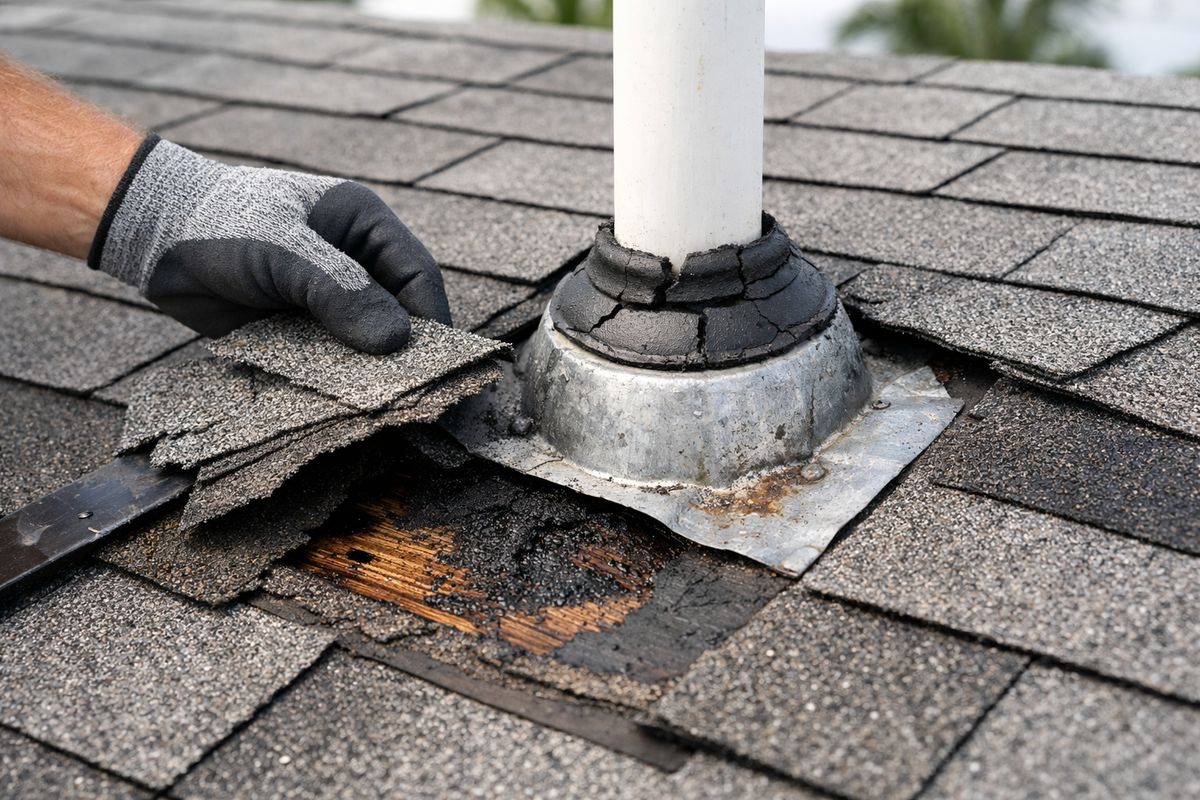
Pipe boot or vent repairs often fall around $300 to $700. A pipe boot is the rubber or metal collar around plumbing vents that stick through the roof. Florida sun bakes those parts hard, then cracks show up and water sneaks in.
Flashing repairs commonly land between $400 and $900. Flashing is the metal that seals joints around walls, chimneys, vents, and roof edges. When flashing lifts, rusts, or separates, leaks start in a hurry.
Valley repairs usually cost about $500 to $1,200. Roof valleys are the channels where two roof slopes meet, so they handle a lot of water. If shingles, underlayment, or metal in that area fail, the leak tends to be more persistent.
Underlayment repairs often range from $700 to $1,500 or more, depending on how much roofing material has to come off. Underlayment is the water-shedding layer under shingles or tile. Once that layer is compromised, surface materials may need to be removed and reset.
Structural or deck repair can push the total to $1,500 to $4,000 and sometimes beyond. That means water got below the outer roofing and damaged the plywood or wood boards underneath. At that point, you’re not just patching a roof. You’re fixing part of the structure supporting it.
What makes the price go up fast
Labor drives a lot of the cost. A single leak on a one-story asphalt shingle roof is usually simpler than the same leak on a steep two-story tile roof. Tile and metal repairs often cost more because the materials are trickier to remove, match, and reinstall without causing more damage.
Hidden water damage is where budgets get blown up. A ceiling stain can look minor, but once shingles or tiles come off, soft decking, moldy insulation, or failed underlayment may show up. That’s also why small roof issues can turn into major repairs if you let them sit.
Emergency tarping adds cost, but it can save you money too. If a storm opens up the roof, getting it covered right away can prevent drywall, flooring, and electrical damage inside. Permit needs, after-hours work, and storm debris removal can also raise the total.
What affects repair vs. replacement
This is the question that really matters: is the leak a repair problem or a roof replacement problem? A lot of homeowners spend too much on patch after patch because nobody gives a straight answer. Here’s the straight answer: repeated repairs on an aging roof usually cost more in the long run.
Roof age matters a lot in Southwest Florida. Heat, UV exposure, heavy rain, and storm seasons wear roofing materials down faster than many homeowners expect. If you’re unsure where your roof stands, it helps to get a feel for how roofing life tends to play out in this climate.
Past repair history matters too. One isolated leak after a wind event is very different from the fourth leak in two years. The first case sounds like damage. The second sounds like system failure.
Signs a repair makes sense
A repair makes sense when the roof is still in generally good shape and the leak is tied to one clear issue. That could be a cracked pipe boot, lifted flashing, a few shingles blown loose in a storm, or one damaged area around a vent.
A newer roof is usually worth fixing if the problem is isolated. Same goes for damage caused by one storm event where the rest of the roof still has plenty of life left. In those cases, a targeted repair can buy you years, not months.
Signs replacement is the better call
Replacement becomes the better move when leaks are showing up in multiple spots, the decking feels soft, or the roof has already had several repairs that didn’t last. Widespread shingle loss, cracked or slipping tiles across different areas, and underlayment failure over large sections are all signs that patching is just stalling the inevitable.
Age tips the scale too. A roof nearing the end of its expected life in Florida conditions is rarely saved by one more repair. If you’re already seeing multiple warning signs, it’s smart to compare the cost of another patch against the cost of being done with the problem.
Where roof leaks start most often
Most leaks don’t start in the middle of a big open roof section. They start at transitions, openings, and weak spots where water gets a chance to slip under the surface.
That’s why a good roofer doesn’t just stare at the ceiling stain and guess. The job is to trace the water path back to the entry point, which can be several feet away.
Flashing, vents, and roof penetrations
Flashing is one of the most common leak points because it sits anywhere the roof has to bend, join, or wrap around something. That includes walls, chimneys, skylights, vent pipes, and other penetrations.
Pipe boots crack from UV exposure. Old sealant dries out. Metal flashing can loosen or rust. At wall intersections, water can sneak behind siding or stucco details and show up inside as a roof leak. If you’ve noticed active drips or bubbling drywall, it helps to know the warning signs that need quick attention.
Shingles, tiles, valleys, and storm damage
Shingles can lift in strong wind, tiles can crack under impact, and exposed fasteners can back out over time. Valleys catch extra water, so worn materials there fail faster than people expect. Sealant also has a shelf life. After enough sun and rain, it quits doing its job.
Storms make all of this worse. Wind-driven rain in Southwest Florida can push water uphill and sideways into places that looked fine during normal weather. After a tropical storm, the damage isn’t always dramatic from the ground. A roof can look mostly okay and still have leak paths opened by lifted edges, loosened flashing, or broken seals.
What to expect from the repair process
A solid roof repair visit should feel organized, not rushed and vague. If somebody hops out, points at the roof from the driveway, and starts talking price before inspecting anything, that’s a bad sign.
You should expect a real diagnosis, clear photos, a written scope, and an explanation of whether the fix is temporary or permanent.
Inspection, photos, and written estimate
A proper inspection starts with the leak symptoms inside and works outward. That may include attic checks for moisture, stains on wood, wet insulation, or visible daylight around penetrations. Outside, the roofer should inspect shingles or tiles, flashing, valleys, vents, and any nearby storm damage.
Photos matter because they show you what’s actually wrong. A written estimate should spell out labor, materials, the repair area, and any limits. If the quote says “seal leak” without saying where, how, and with what materials, it’s too vague.
Repair day, timeline, and cleanup
Small repairs are often done in a few hours. More involved work can take a day or two, especially if tile matching, decking replacement, or permit issues come into play. Weather delays are normal in Florida. A clear morning can turn into a late-afternoon downpour fast, which may shift the schedule.
Cleanup should include hauling away debris, picking up nails, and leaving the area around your home tidy. You shouldn’t be stepping around scraps in the driveway or finding roofing nails by the garage a week later.

How to handle insurance, storm damage, and hiring the right roofer
Leaks after a storm can get messy fast because money, timing, and contractor quality all collide at once. The trick is staying calm and documenting everything before the situation turns into guesswork.
When insurance may help pay
Insurance is more likely to help when the leak comes from sudden storm damage, not normal wear and tear. Wind damage, impact from debris, or a storm-created opening may be covered, depending on your policy. Old age, neglected maintenance, and worn-out materials usually are not.
Take photos as soon as it’s safe, keep records of temporary protection like tarping, and report the issue quickly. If you’re trying to sort out weather-related damage, it also helps to review the signs storm damage actually needs attention. Your deductible still applies, and speed matters because waiting can make it harder to show what the storm caused.
Questions to ask before hiring a roofing contractor
Start with the basics: license, insurance, and local experience. A roofer working in Southwest Florida should understand tile systems, underlayment issues, hurricane exposure, and the way summer weather can disrupt scheduling.
Ask for photos of the damage, a written scope, warranty details, repair materials, and a realistic timeline. Ask one more thing too: how was the leak source confirmed? That question matters because some contractors jump straight to replacement or slap on caulk like it fixes everything. It doesn’t.
Common mistakes to avoid after spotting a leak
Waiting too long is the biggest mistake. Water rarely stays in one spot, and every storm gives it another chance to spread. Another common mistake is assuming the ceiling stain marks the exact leak location. Usually, it doesn’t.
Choosing the cheapest bid can backfire if the scope is vague or the fix is only cosmetic. And a “repair” that amounts to surface sealant with no diagnosis is usually just a bandage. Cheap work feels expensive the second time you pay for it.
Frequently asked questions
How much does roof leak repair usually cost in florida?
Most repairs range from about $250 for a small targeted fix to a few thousand dollars for deeper damage involving underlayment or decking. Material type, roof height, and hidden water damage make the biggest difference.
Can a small ceiling stain mean a big roof problem?
Yes. A stain can come from water that traveled far from the actual leak source. By the time you notice it, damage under the roofing material may already be worse than it looks.
Is roof leak repair covered by homeowners insurance?
Sometimes. Sudden storm damage may be covered, while wear and tear usually is not. Photos, quick reporting, and documentation of temporary protection help support a claim.
How long does a roof leak repair take?
Many small repairs take a few hours. Larger repairs may take a day or two, especially if materials need to be matched or damaged decking has to be replaced.
Should you repair or replace an old leaking roof?
If the roof is older, has multiple leaks, or has already been patched several times, replacement is often the smarter financial move. A single isolated issue on a newer roof is a better repair candidate.
A good roof leak repair is not just about stopping water today. It’s about figuring out if your roof still has useful life left or if you’re pouring money into patches that won’t last. Before signing anything, try one simple thing: make sure the estimate explains exactly where the leak started, what gets repaired, and whether the fix is temporary or permanent.