Buying a home in Florida often revolves around one big question: “What shape is the roof in?” Between our harsh sun, frequent storms, and changing insurance requirements, you might feel overwhelmed by the topic of “buyer concerns Florida roofing.” Yet a little knowledge can help you protect your investment and reduce surprises when it comes time to sell or buy.
Below, you’ll find practical insights on what can go wrong with Florida roofs, how to detect problems early, and why transparency matters. You’ll also discover ways to shield yourself from scams and navigate insurance complexities with more clarity. By the end of this guide, you’ll feel equipped to handle the most pressing roofing concerns in Florida’s home-buying process.
Why Florida Roofs Raise Unique Questions
Florida presents a perfect storm of factors affecting roof integrity. Humidity, salt air near the coast, and strong winds can all weaken roof materials more quickly than in other regions. On top of that, recent changes in insurance regulations make older roofs a sticking point. According to Florida’s 15-Year Roof Age Rule (F.S. 627.7011), insurance carriers can non-renew your home insurance if the roof is 15 years old or more without additional documentation that shows it has at least five years of life left [1].
Choosing the right roofing materials is also more important here. Florida’s building codes emphasize resistance to high winds and hurricanes, which means you might be required to use specific shingles or metal roofing systems in certain areas. If you don’t follow these codes, you could face hefty repair bills or insurance complications. It all comes down to ensuring your roof is durable and code-compliant, especially if you plan to sell soon. A thorough inspection is the first step, explore helpful tips in our roof inspection for Florida homebuyers guide.
How to Spot Red Flags
You don’t need to be a certified inspector to notice some obvious clues that your roof might need attention. Start by stepping back and looking for warped, buckling, or missing shingles from ground level. Check the ceiling inside your home for stains or discoloration, which could point to slow leaks. If you see debris by the downspouts or fascia, it might signal moisture buildup.
Be aware that not all damage is visible. Wind-driven rain can seep into tiny gaps, causing rot behind flashing or under shingles. Sometimes this damage only becomes obvious months later. If you’re selling, consider scheduling a professional examination well ahead of listing your property. You’ll also want to glance at this home inspection roof checklist Florida so you know what inspectors typically look for.
Why a Professional Inspection Matters
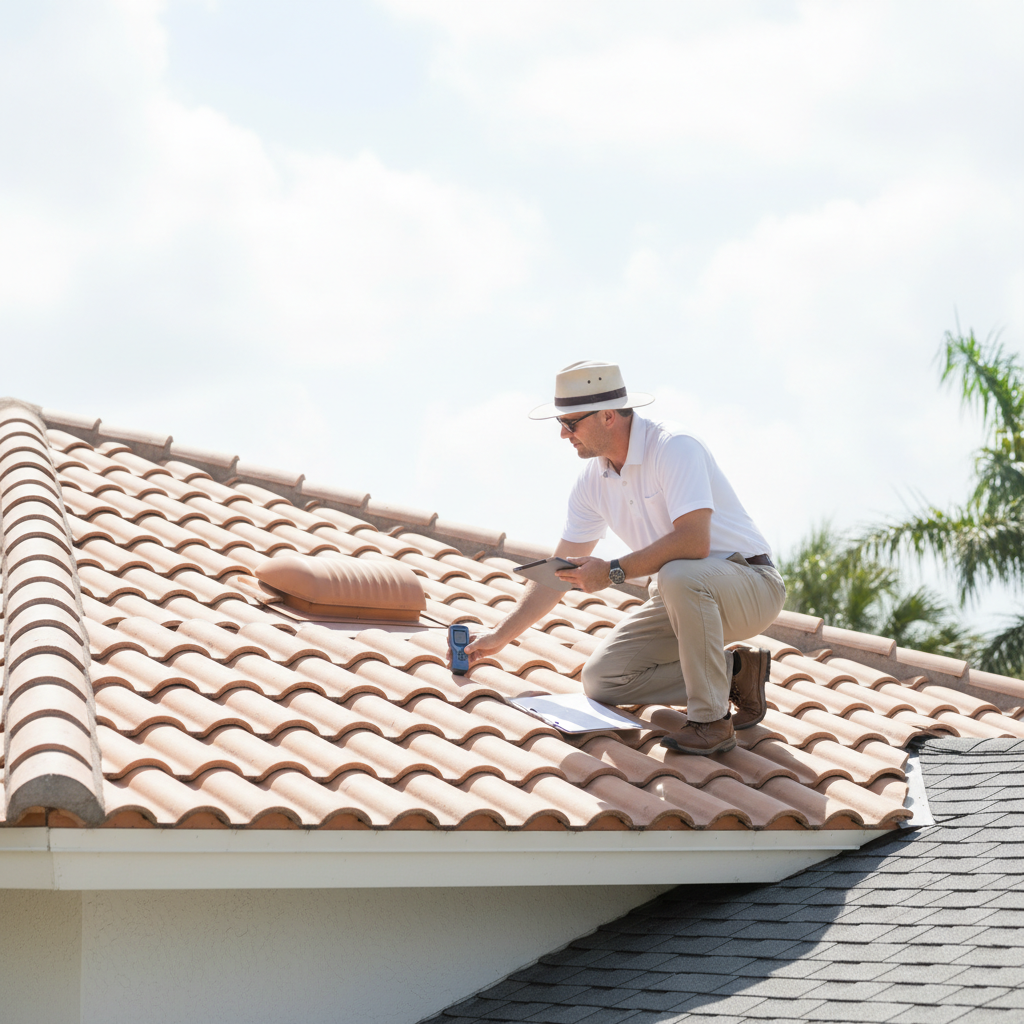
A professional inspector or a licensed contractor has the tools to evaluate flashings, attic ventilation, and the sheathing beneath your roofing material. According to updates in Florida legislation, partial repairs may now be possible if your roof was built or updated to meet the 2007 Florida Building Code, avoiding a full replacement [1]. This kind of detailed assessment can save you thousands of dollars in unnecessary work.
Navigating Insurance and Contracts
Insurance often plays a critical role in Florida roof concerns. When you file a claim, insurers evaluate proper maintenance, roof age, and whether you have Law & Ordinance coverage. This policy addition can pay for code-required upgrades, like straps for hurricane fortification or impact-resistant shingles [1]. Without it, these upgrades might come straight out of your pocket.
It’s also essential to know your rights concerning contracts. As of July 1, 2024, Florida homeowners can cancel certain roofing agreements without penalty if specific criteria aren’t met [2]. This legal protection aims to prevent you from feeling cornered into an unwise contract right after storm damage. Even so, reading the fine print is crucial. Many 2025 complaints filed with the Better Business Bureau (BBB) mention disputes over billing for soffits, fascia work, and unfinished repairs [3]. Taking time to examine contract language and consulting an attorney, if needed, can spare you from hidden costs.
Protecting Yourself From Scams
Unfortunately, roofing scams rise after every major storm. Unscrupulous contractors might knock on your door, say they have “leftover materials,” or promise an “unbeatable deal” if you commit immediately. Be cautious. According to multiple 2025 complaints, some contractors in Florida have demanded payment for incomplete work or threatened collections over disputed charges [3]. Trust your instincts and remember these tips:
Get at least two or three written estimates to compare pricing and materials.
Avoid contractors who pressure you to sign a contract on the spot.
Never agree to pay large lumps of money upfront or pay in cash.
Confirm their license and insurance by calling the insurer to verify coverage, not just accepting a piece of paper.
Florida’s newer consumer protection laws also allow you to cancel contracts with public insurance adjusters if they fail to meet certain obligations right after a storm [2]. Keep these rights in mind if you sense high-pressure tactics.
Finding The Right Roofing Partner
Even if storm season is howling outside, you’ll want to pick a contractor who is reputable, communicative, and fully licensed to avoid the pitfalls seen in many BBB complaints. Look for transparency in quotes: materials, labor costs, and a clear timeline. It’s a huge plus if they have manufacturer certifications for the type of roofing system you want to install or repair. If you’re preparing to sell, take a look at Florida roof maintenance before selling so you can boost your home’s value and reassure potential buyers.
You should also request references or browse verified reviews. An established local contractor with a track record of timely responses and solid warranties is invaluable. And if you need an official roof inspection to confirm your property’s condition, consider exploring helpful services at Florida roof inspection checklist.
A Final Note on Inspections
When you’re ready for a thorough review of your roof’s condition, consider scheduling an independent inspection from an experienced team. A detailed assessment can highlight minor flaws before they escalate, giving you the chance to fix issues at a lower cost. For more guidance, head over to this resource on getting professional evaluations: roof inspection for Florida homebuyers. It’s wise to keep your homeowner’s insurance adjuster in the loop so any recommended repairs meet policy requirements.
“A complete, well-documented inspection is your best defense against unwelcome surprises when selling or insuring a Florida home.”
Wrap-up
Buyer concerns over Florida roofing can feel daunting, but you don’t have to navigate them alone. By spotting red flags early, understanding how insurance influences roof decisions, and being proactive about contract details, you can breathe easier whether you’re a buyer or a seller. Double-check credentials, get everything in writing, and avoid rushing into deals.
Florida’s weather may be challenging, but a solid roof and a trustworthy contractor can make all the difference in safeguarding your future home. Ultimately, clarity in each step, from inspections to insurance claims, ensures you’ll be prepared for both storm season and a smooth closing day.
Natural light can make a cozy Florida living room feel inviting, but when it comes to buying a home, the real game-changer is a proper roof inspection. You might be surprised how many Florida homebuyers overlook the roof until an unexpected repair bill arrives. By scheduling a professional evaluation before closing, you protect your investment from hidden leaks, storm damage, and insurance headaches. Below, you will find what you need to know about a roof inspection for Florida homebuyers—including the biggest red flags, what inspectors check, how codes matter, and when to repair or replace.
Why a roof inspection matters in Florida
Florida’s weather is more than just sunny skies. Frequent rainfall, high humidity, and an active hurricane season make your roof the primary barrier between you and the elements. A neglected roof can have small issues—like cracked shingles or clogged gutters—that escalate into major structural problems once the weather intensifies.
You want peace of mind that your future home can handle tropical storms, intense UV rays, and heavy downpours. A qualified professional checks for early signs of damage, such as hidden leaks, poor ventilation, or failing materials. By identifying red flags early, you can negotiate repairs, budget accordingly, or walk away from a deal if the roof proves too costly to fix.
Common roofing challenges in Florida
Climate conditions in Florida tend to speed up roof wear. Blazing sunshine can cause shingles to crack, curl, or lose granules faster than they would in milder regions. In addition, high humidity fosters mold and algae growth, which weakens roofing materials and causes unsightly staining.
Florida storms can also be quite severe. Heavy rain, high winds, and the occasional hail event contribute to dented metal panels, torn shingles, or knocked-off tiles. Pooled water from clogged gutters might seep under your roof covering, compromising the underlying structure. Because of these risks, your roof inspection should be more than a quick glance; it should be thorough and tailored to Florida’s unique conditions.
What inspectors look for
When you schedule a roof inspection, professionals evaluate surface materials, underlying structure, and crucial components that keep your home dry and secure. Getting familiar with these key areas helps you understand what to expect and why inspectors deem certain repairs urgent.
Materials and their condition
Your inspector examines shingles or tiles for any cracking, curling, or missing pieces. In Florida, even one missing shingle can allow rain to seep beneath the roof deck. Asphalt shingles are affordable and common, but they degrade faster under UV rays, often requiring consistent evaluations. Metal panels can rust in salty coastal air, while clay or concrete tiles may crack over time. According to professionals, paying attention to these details can often determine if simple fixes ward off leaks or if larger repairs are needed [1].
Structural integrity
A sagging roof line might indicate rotting wooden supports or water-damaged underlayment. Inspectors also check for uneven surfaces or dips, which can be early warnings of internal damage. In Florida, wooden components can warp in high heat and humidity, so if you see any bulges or depressions, it’s important to investigate thoroughly. A slight dip could mask a bigger problem waiting to happen once the next storm rolls in.
Attic and ventilation
An often-overlooked part of any roof inspection for Florida homebuyers is the attic. Good airflow through the attic prevents moisture buildup that fosters mold, wood rot, or weakened decking. When humidity seeps in and can’t escape, structural problems escalate, and your cooling costs often skyrocket. Pro inspectors commonly check insulation levels, vents, and attic moisture. Maintaining these systems helps extend your roof’s life and keeps your home comfortable year-round [2].
Flashing and gutters
Crucial points like flashings around chimneys, vents, or skylights often develop small cracks or rust, leading to leaks that sneak into your attic. Gutters that aren’t cleaned or maintained may back water up under the roof covering. In Florida, where sudden, heavy downpours are the norm, a clogged gutter can cause damage quickly. Ask your inspector if they see any signs of water pooling or erosion around your home’s foundation.
Frequency of inspections and typical costs
In Florida, many experts recommend an annual or biannual roof check, especially if you live in areas prone to strong winds and tropical storms. Even if the weather has been calm, heat and humidity alone can degrade roofing materials faster than you might think. If you suspect storm damage—or if your roof is edging past 10 years old—regular checkups become essential.
You might pay between $100 and $400 for a standard inspection, depending on your roof’s complexity and the methods used. More advanced options such as drone or infrared imaging can be pricier but reveal hidden problems traditional inspections might miss [3]. While you might wince at the cost upfront, discovering roof damage early can save you thousands in repair bills or from unexpected insurance hurdles.
Florida building codes and insurance requirements
Beyond the immediate costs of fixing a damaged roof, Florida law and insurance regulations also drive the need for thorough inspections. Properties older than 25 years often must pass roof evaluations as part of a 4-point inspection that also covers plumbing, HVAC, and electrical systems [4]. If the roof fails, you might face coverage denial, policy cancellation, or significantly higher premiums.
There is also Florida’s 25% roof replacement rule, which states that if you need to repair more than 25% of your roof area within a 12-month period, you must replace the entire roof to meet code requirements. This can be a budget-busting surprise if you didn’t factor it into negotiations. Understanding these codes ahead of time helps you plan finances and decide whether to move forward with the purchase or request the seller to address major repairs first.
Preparing for your roof inspection
If you’re under contract for a Florida home, schedule a roof inspection early so you have enough time to make informed decisions. Ideally, arrange the appointment after any storms have passed, so your inspector can spot fresh damage. Request that the seller clears the roof and gutters of debris to give professionals safe, unobstructed access.
A quick conversation with your inspector ensures you’re on the same page about the inspection’s scope. Ask if they will inspect the attic, document photographic evidence of problem areas, or provide an estimated roof lifespan. Having these details upfront clarifies possibilities like minor repairs before closing or a more extensive roof replacement.
The role of repairs vs. replacement
When the inspection report arrives, reading it might feel daunting. Sometimes, the issues are inexpensive fixes: replacing a few cracked shingles or patching minor leaks. Other times, structural damage or widespread moisture intrusion might leave you with no choice but a full replacement. In Florida, roofs typically last around 20 years with the right care [1]. However, harsh conditions can shorten that considerably.
Small repairs now could delay a pricey replacement for several years, especially if the roofing materials are in otherwise decent shape. Still, if you’re dealing with repeated leaks, rotted decking, or severely worn shingles, a complete replacement might be more cost-effective and appealing to future buyers. This juncture is also where Florida’s 25% rule might force your hand. If your roof’s damage is widespread, you could quickly surpass that threshold.
How to choose a trustworthy inspector
Your real estate agent might offer a list of local inspectors, but you want to ensure they have the skill set specific to Florida roofs. Ask about certifications or affiliations, such as Haag Engineering Certified Inspector credentials for residential properties, which indicate advanced knowledge of identifying storm damage or subtle structural issues.
To reduce potential conflicts of interest, some homebuyers prefer independent inspectors, rather than roofing contractors who might push for full replacements. Review online testimonials and confirm they carry proper licensing. You can also look for references with local associations or check Florida’s license databases through official state websites (.gov) for validation.
If you’d like to see an example of a dedicated local roofing inspection service, consider exploring San Carlos Roofing audits, which focus on comprehensive roof condition reports. Their emphasis on Florida’s climate challenges helps you gauge what to expect when working with a specialized team.
Key steps after the inspection
Once you have the final report in hand, the next move depends on the severity of any issues found. For minor problems, you might request the seller to fix them before closing. If you’re dealing with bigger concerns—such as a near-end-of-life roof—you could negotiate the purchase price or ask for repair credits. In hot markets, not every seller will agree to your requests, but at least you’ll have the information you need to proceed safely.
You’ll also want to confirm your homeowner’s insurance coverage aligns with the roof’s current condition. Some insurers require a recent inspection report stating your roof still has adequate years of life left. If your insurer deems the roof risky, you may also face higher premiums or the need to switch policies.
Additional tips for Florida homebuyers
You don’t have to be a professional roofer to spot some giveaway signs that signal trouble. If you see dark patches, missing shingles, or moldy odors in the attic, point these out to your inspector right away. Also, pay attention to your gutters. If you notice water streaming over the edges or debris piling up for days, the inspector might discover an underlying drainage problem.
Below is a simple reference you can keep in mind before heading into negotiations or finalizing your contract:
Confirm roof age. If it’s 10–15 years old or more, you’ll want a thorough inspection.
Check visible attic leaks. Water stains or musty smells typically warrant deeper investigation.
Ask about past repairs. Inquire if partial replacements were made; this can affect the 25% rule.
Observe gutter performance. Any consistent overflow or pooling water near the foundation signals a drainage issue.
By including a dedicated roofing evaluation in your homebuying checklist, you set yourself up for fewer surprises and a clearer picture of future maintenance.
If you’re curious about planning and budgeting for issues uncovered during your inspection, check out this Florida roof inspection checklist. It breaks down everything from routine cleaning to more urgent repairs, giving you a clear way to track what’s already been done and what still needs attention.
Making roofing part of your home sale prep
If you’re worried about roof costs dragging down the sale—or if you’re looking for peace of mind as a buyer—being proactive makes all the difference. In Florida, prepping a property for sale often includes an upfront roof evaluation to handle minor damage before showings. If you’re the one buying, seeing documented roof care is a plus. It signals that the seller has taken steps to ensure their home is in good condition and not trying to hide major problems behind fresh paint or quick fixes.
Sellers who invest in professional roof maintenance before listing can often justify a stronger asking price, especially if there is a transferable warranty from a recent replacement. On the flip side, you should also request any relevant warranties or service records to confirm whether the coverage extends to you. The result? A smoother transaction and greater confidence in your final decision.
Negotiating repairs for peace of mind
Occasionally, you will find a home in your dream neighborhood, only to discover a leaky roof or missing shingles. Don’t panic. Use the inspection findings as leverage to request repairs or lower the price. In a balanced market, many sellers are willing to handle major issues that might compromise financing or insurance. But if you’re in a competitive market, be ready for the possibility of covering repairs yourself if you truly love the home.
When presenting repair requests, be specific. Ask for the problem area to be fixed by a licensed Florida roofing contractor with proven experience in storm-prone regions. Request documentation so you know exactly what was fixed and how. That way, you have a clear record if insurance or future inspectors have questions.
Planning long-term roof maintenance
No roof lasts forever, especially in Florida. Once you move in, schedule periodic reviews from qualified local pros and stay on top of small fixes. Regular cleaning, painting metal panels (if applicable), and clearing gutters can add years to your roof’s lifespan. While it’s tempting to put off minor tasks, Florida’s climate rarely shows mercy to neglected roofing materials.
If you’re ever unsure about the status of your roof, a quick call to professional inspectors is worth the cost. This approach early on prevents those emergency repairs that always seem to pop up at the worst time—like right before a tropical storm hits.
Conclusion
Buying a home in the Sunshine State involves more than deciding on paint colors or yard size. Taking the time to prioritize a roof inspection for Florida homebuyers helps you spot issues that may affect your budget, your insurance options, and your peace of mind. From prepping for hurricane-force winds to navigating insurance mandates, a thorough inspection protects both your family and your investment.
Whether you move forward with a minor patch job or realize a replacement is the better path, being informed is your best tool. Don’t wait until you experience a leak to wonder about your roof’s health. Florida’s climate demands year-round vigilance. By teaming up with a reputable inspector, following Florida building codes, and understanding your roofing options, you set yourself up for a confident home purchase—one that stands strong under the Florida sun and stormy skies alike.
If you’ve lived in Southwest Florida for a while, you know the climate can be tough on rooftops. Between harsh sun, salty coastal air, and the lofty possibility of hurricane winds, upkeep is often a given. You might even find yourself juggling repeated repairs on a structure that’s 15, 20, or even 25 years old. In that situation, it’s natural to wonder whether ongoing fixes are the best plan or if it’s time to invest in a full replacement. After all, roof replacement cost southwest florida is no small figure, and you want to make sure you’re making the right call for your home and your wallet.
Even if your roof looks okay from the ground, hidden damage can add up. Small leaks, weakened shingles, or compromised underlayment can stay undetected far too long. Eventually, you’re faced with escalating repair bills or a complete teardown and rebuild. The good news is that comparing roof replacement and major repairs doesn’t have to be overwhelming. By understanding the factors that drive costs, you’ll be prepared to choose the path that protects your home best.
Why your roof replacement cost matters
Your roof does more than top off your home. It’s the first line of defense against Southern Florida’s particularly harsh environment. When hurricanes roll through or summer storms pummel your neighborhood, a sturdy roof can be the difference between sleeping easy and dealing with water intrusion. On top of that, your roof is an investment that directly affects your property’s market value and insurance premiums.
Many homeowners try to estimate costs online. Some calculators only consider straightforward items like square footage, pitch, or basic material prices. Meanwhile, more nuanced issues such as structural reinforcement, deck repairs, or code requirements remain overlooked. For a precise or even ballpark southwest florida roof replacement estimate, it’s best to have professionals scope out every detail in person.
A professionally installed roof can pay off down the line, too. Insurance providers often look favorably on well-maintained or newly replaced roofs. You could tap into wind mitigation discounts if your brand-new shingles meet local building codes. That means a strong, storm-ready roof may potentially reduce monthly insurance bills, helping you recoup part of your upfront cost.
Should you repair or replace?
Choosing between another round of patchwork repairs and a complete roof replacement can feel like walking a tightrope. On one hand, repairs might keep your existing roof functional a little longer. On the other, a full replacement might save you more in the long run if your roof is nearing the end of its useful life.
It helps to weigh the condition of your roof first. Are you dealing with occasional leaks or consistent, repeating problems? If the underlying materials are compromised, repairs are likely just a stopgap. That’s when a full swap makes sense, especially if you’ve already spent a fair amount on patch jobs. For a deeper look into minor versus major fixes, check out our roof maintenance vs replacement cost overview.
Below is a quick comparison of repairs versus replacement to help you visualize the pros and cons:
Approach
Upfront cost
Long-term outlook
Ideal for
Repairs only
Lower at first
May lead to frequent expenses
Newer roofs with isolated damage
Full replacement
Higher initial payout
Reduces ongoing maintenance
Aging roofs or repeated repair needs
Remember that every roof is different. While one home might get five more years after a few strategic repairs, another may require a total overhaul. Factors like humidity, roof shape, and your community’s specific code requirements can tip the scale toward replacement even before large sections of shingles start to fail.
Key factors influencing replacement costs
Roof replacement isn’t just about laying down new shingles. Companies look at your roof’s geometry, building materials, structural needs, and compliance obligations when quoting you a price. If you suspect you’ll need a full replacement soon, it’s smart to familiarize yourself with these cost drivers.
Material choice
Shingles are typically the cheapest option, with basic architectural asphalt shingles often running the least per square foot. Premium materials like metal, tile, or composite can nearly double or triple that cost, although they usually come with longer warranties. If you’re curious about how various roofing materials stack up, see our southwest florida roofing costs comparison.
Labor and project complexity
Unlike simple cosmetic fixes, a complete replacement often requires tearing off existing layers, repairing damaged decking, and making the structure code-compliant. Labor costs rise if your roof has a steep pitch or multiple angles. If there are skylights, vents, or existing water leaks, the process can extend, pushing your final bill higher.
Hurricane code compliance
Southwest Florida’s building codes often call for higher wind resistance. Many local governments or homeowners associations require upgraded underlayment, specialized fasteners, or additional bracing to resist hurricane-force gusts. While this refined approach boosts your budget initially, it helps ensure a stronger roof over the long term.
Hidden damage
Once your old shingles come off, roofers might spot previously unseen rotting beams or mold from slow leaks. Replacing or reinforcing these components raises costs, but ignoring them would be worse. Catching these issues early prevents costlier damage down the road.
Timing and market prices
Resource demand surges after major storms, potentially stirring up material shortages or labor bottlenecks. That can expose you to higher prices, extended wait times, or sometimes both. If your roof sustainably lasts until market conditions calm, it might save you a noticeable amount of money.
Budget-friendly tips for roof replacement
A new roof can seem daunting financially, especially if you weren’t expecting it. However, there are practical ways to make it more manageable without sacrificing quality or storm-readiness. Yes, you’ll invest a chunk of money up front, but there are strategies to keep spending in check.
• Gather multiple estimates. One of the best steps is comparing quotes from two or three reputable local contractors. Steer clear of extremely low bids, though. Bargain-basement quotes often skip proper underlayment or exclude warranties.
• Prioritize quality. Hurricane resistance and durability shouldn’t be treated as optional in Southwest Florida. While premium materials cost more, they may extend your roof’s lifespan by decades, sparing you from mid-life replacements.
• Check for financing or assistance. If the cost seems unmanageable, consider looking into local programs or zero-down loans. Some roofing companies offer flexible plans for affordable roof replacement southwest florida.
• Aim for off-peak scheduling. Contractors might offer better deals in cooler months or when demand isn’t sky-high, especially if no major storms just hit the region. A little scheduling flexibility could help stretch your budget.
While controlling costs is important, make sure you don’t sacrifice structural integrity. Roof replacements are investments in your home’s future. A properly sealed and ventilated roof translates to fewer headaches over time and can raise resale value if you decide to put your property on the market.
What to expect from a roofing project
Most projects begin with an inspection and tear-off phase. Your contractor removes current roofing layers to assess the underlying deck and support beams. If you have rotted wood, mold, or pest damage, they’ll address it now and adjust the estimate accordingly.
Once the surface is prepped, new materials go on. The upgraded underlayment comes first to create a water-resistant barrier. Then your chosen shingles, tiles, or metal panels are installed. This sequence may wrap up in a few days or stretch into weeks for more intricate designs. Finally, the crew conducts a cleanup, ensuring no stray nails or debris remain in your yard.
For a more detailed breakdown of the professional process, feel free to read about the full replacement approach offered by San Carlos Roofing. They outline how each project phase is structured to ensure safety and quality, from pre-inspection to final check.
Is it time to ditch ongoing fixes?
Frequent roof repairs can seem cheaper than a large, one-time outlay, but they may add up. If you’ve already spent a few thousand dollars just patching leaks and replacing sections of underlayment, it’s worth recalculating your total. Recurring repair costs and the risk of future structural damage can quickly tip the scales toward a fresh start. Plus, each new fix is an opportunity to discover bigger problems lurking beneath the surface.
If you’re unsure whether to keep repairing or go all-in on a new roof, consider how many years remain on your roof’s expected lifespan. Asphalt shingles often last around 15 to 30 years in Florida’s climate, whereas materials like tile or metal can reach the 40- to 50-year mark. Any roof approaching its limit probably won’t see a major return on simple repairs. That’s when your money might be better spent on the certainty of a brand-new installation.
For those still debating, you might find it helpful to visit roof maintenance vs replacement cost for a more in-depth discussion on whether patching things up is enough to extend your roof’s life.
Finding your best path forward
A worn-out or storm-damaged roof doesn’t need to cause panic. With the right research, a realistic budget, and a working knowledge of local building codes, you can make an informed decision about your home. If you suspect a total replacement is the smartest move, finding a trustworthy contractor may be your next step.
Many homeowners in the Naples area, for instance, see cost estimates ranging from $9,500 to $40,000 or more, depending on materials, labor, and code compliance. A roofing professional can help you pinpoint where you’ll land in that span by assessing the specifics of your home. Getting a personalized southwest florida roof replacement estimate doesn’t obligate you to anything, but it can shed light on which path to pursue.
In the end, yours is the final call. If your existing roof still has legs and repairs aren’t draining your savings, you might keep patching it up for now. But if you sense that big repairs are around the corner or that your roof has reached its natural expiration date, opting for replacement can provide peace of mind.
Final thoughts
Roof replacement cost in Southwest Florida is inevitably shaped by the region’s storm risks, strict code requirements, and high labor demands. Whether you repair that leak for the third time or completely overhaul your roof tomorrow, the choices you make will determine your home’s protection, its resale value, and the comfort you feel when storms roll in.
Take your time assessing your roof’s condition, exploring reputable contractors, and weighing the potential for future repairs. Consider a partial or full tear-off if you’re constantly dealing with patches. And if you want a thorough overview of each material’s pros and cons, a southwest florida roofing costs comparison can be extremely helpful.
No one likes paying for a new roof, but sometimes it’s the smartest investment you can make for your home’s wellbeing. Look for ways to minimize surprises, whether it’s through careful budgeting or flexible financing. By planning ahead, you’ll handle a roof replacement with confidence, knowing your home is ready to handle whatever the Southeast Florida skies decide to throw your way.
One of the things that I learned early when working on and installing tile roofs in Southwest Florida is that the old way of installing the drip edge on top of the underlayment during installation was a poor idea. It is still required today by code to be installed over a piece of underlayment and not directly to the wood decking.
I understand the idea behind this in regards to uplift and direct wind, but on a tile roof, it is unnecessary. It also flies in the face of reason in regards to the water that flows under the tiles and over the underlayment on a tile roof. Tile roofs will shed over 90% of the water from rains over the tops of the tile. A small percentage of water passes though and gets under the tiles. This water travels down under the tile part of the roof. During a rain, water will pool at the eave of the roof under the tiles until it drains out.
The issue created by installing the drip edge over the underlayment was the standard when I started in roofing. The issue is that the top of the drip edge is lapped backwards toward the top of the roof. Meaning, the top of the drip edge is now a minor dam to water that will travel under the tile roof and will have to exit over the top of the drip edge at the eave of the roof. To counter act the backwards lap, we were required to install a band of roof cement over the backward lap with a trowel. This would seal the top of the drip edge and redirect water over the top of it. This basically kicks the can of the problem of the backward lap further down the road of time. At some point, some or most of the roof cement will deteriorate from heat and weather to the point that it will crack open and start allowing water to channel beneath the drip edge. Water sits under the drip edge and finally overcomes the underlayment, rotting out the edge of the roof and the fascia below it. This issue would manifest between 5-10 years after a roof was installed. I also had several occasions where some of the roof cement would leach out from under the tile roof and over the drip edge and fascia where it discolored or stained both.
In 2005, I was asked to look at a tile roof on a home for sale in Pelican Landing in Bonita Springs that had an issue with rotting fascia. I was to give an estimate on how much it would be to replace the rotted fascia. After looking closer at the issue, I found that not only was the fascia rotted out in many areas, but that the first 5-6” of decking was also rotted out. To resolve this issue, we would not only have to replace the fascia but the first 2’ of decking as well. Our estimate was to remove the first two rows of tiles all the way around the eave of each roof facet, remove the eave closure, drip edge, underlayment, and change out the rotted plywood decking and fascia. That was a big roof. It was only 10 years old and had to have major repairs.
We did not get the repair (thank goodness). I think that they found someone to replace the fascia only (or paint it really well) and left the real problem to the next owner.
I saw many roofs like this. This was the preferred way to install a tile roof backed by Florida Building Code. It wasn’t long after this roof that I had the crew install the drip edge under the underlayment. The crew nearly rioted. Installing tile roofs was something that they had been trained in doing and had many years of installation experience in. This was in complete contrast to what was the “correct way” to install tile roofs. However, once the drip edge had been moved under the underlayment, water flowing under the tiles no longer had this weak area on the roof to undermine and our roofs no longer had this type of long-term issue.
Today we install a small strip of underlayment, which is called a slip sheet, down on the edge of the roof first. The slip sheet is a little wider than the drip edge itself. We then will install the drip edge on top of the slip sheet. After this, the underlayment for the rest of the roof is installed over the top of the drip edge. This maintains the adherence to the Florida Building Code while correcting the issue created by installing the drip edge over the underlayment.
It was tough to break the crews of the original way to install the drip edge over the underlayment. Change can be hard. We not only mitigated the issue with the drip edge, but we eliminated several of these types of installations that would later lead to not only roof leaks but to other major issues. This and several other changes that we made to our tile installations changed our roofs to long term, low maintenance roofs.
Why a Proactive Roof Replacement Protects Your Wallet
A Roof Is a Financial Asset, Not Just a Cover
Your roof does far more than shield you from Florida’s heavy rain and relentless sun. It’s a critical part of your home’s total value and a major factor in energy efficiency, insurance costs, and resale potential. Treating it as a financial asset, one that needs timely maintenance and eventual replacement, can save thousands over the life of your property.
Avoid the “Band-Aid” Repair Cycle
An aging roof often begins a costly pattern of recurring repairs. A patch here, a shingle replacement there, and suddenly you’ve spent thousands on temporary fixes that never address the real issue. Industry research shows that proactive replacement can cut long-term maintenance costs dramatically because new materials and modern installation methods outlast repetitive patchwork.
Even minor leaks allowed to persist can escalate into major water damage, leading to structural repairs that dwarf the cost of a planned replacement. According to roofing professionals, homeowners who replace on schedule spend 30–40 percent less over a 20-year period compared to those who delay until a failure forces emergency action.
Shielding Your Home From Expensive Water Damage
A compromised roof is an open invitation for water intrusion. Once water penetrates, it can destroy insulation, rot wooden framing, and even compromise electrical wiring. The Federal Emergency Management Agency warns that water damage repairs often run into the tens of thousands of dollars. Replacing a roof before leaks start is a direct way to avoid those catastrophic expenses.
Insurance Savings and Protection
Insurance carriers reward homeowners who maintain their roofs. Many companies reduce premiums when you replace an older roof, especially if you choose impact-resistant or energy-efficient materials. On the flip side, policies often exclude claims on roofs past a certain age or damaged due to neglect. Waiting too long not only raises the chance of uncovered losses but can also trigger policy cancellations.
By scheduling a timely replacement, you keep coverage intact and may qualify for better rates, protecting both your property and your budget.
Energy Efficiency That Pays Every Month
Older roofs lose insulation value as materials degrade. Gaps and worn shingles allow heat transfer, forcing your HVAC system to work overtime. Replacing with modern, energy-rated shingles and proper underlayment can cut cooling costs significantly. The U.S. Department of Energy notes that reflective or Energy Star–certified roofing materials reduce peak cooling demand by 10–15 percent. Over time, these savings can offset a large portion of the installation cost.
Strong Return on Investment at Resale
Real estate data consistently ranks a new roof among the top home improvements for return on investment. Reports from multiple market studies show homeowners typically recoup 60–70 percent of their replacement cost when selling. A fresh roof signals to buyers that the property has been well cared for, eliminating a major negotiation point and often speeding up the sale process.
Curb Appeal That Closes Deals
Beyond numbers, visual impact matters. A clean, well-installed roof boosts curb appeal and reassures potential buyers. First impressions influence purchase decisions, and an old, worn-out roof can lower offers or stall a sale. Replacing before listing allows you to market your home at a higher price and attract more serious buyers.
Partnering With Local Experts
For homeowners in Southwest Florida, choosing a trusted contractor like San Carlos Roofing ensures the project is done right the first time. Their roof replacement services include inspections tailored to Florida’s climate, identifying potential issues before they become expensive emergencies. Local expertise means the materials and installation meet state codes and stand up to hurricanes and intense sun.
Real-World Cost Comparison
Consider this simple example:
Delayed replacement with repeated repairs over five years: $12,000+ in patching and interior fixes
Planned replacement now with energy-efficient shingles: $15,000–$18,000 upfront, but with lower energy bills and fewer repairs
Within a few years, the proactive approach typically costs less overall, and leaves you with a roof that’s fully warrantied and ready for decades of service.
Long-Term Savings and Tangible ROI
Reducing Ongoing Repair Bills
A roof past its lifespan is a money pit. Frequent patch jobs, shingle replacements, flashing fixes, and leak repairs, add up quickly. Data from reputable contractors shows that homeowners who delay replacement spend thousands more in cumulative repairs than those who invest in a new roof at the first signs of widespread wear.
High-quality modern materials, such as architectural shingles or standing-seam metal, provide decades of durability. By swapping an aging roof for one of these options, you slash the need for constant maintenance and save hard cash every year.
Protecting Structural Integrity
Water intrusion is far more than an inconvenience. Once moisture infiltrates roof decking, rafters, or insulation, structural repairs can cost tens of thousands of dollars. The National Institute of Building Sciences notes that prolonged moisture exposure is one of the top causes of residential structural failure. Timely replacement locks out rain and humidity before they undermine your home’s skeleton, preventing huge, hidden expenses.
Better Energy Efficiency = Lower Utility Bills
New roofing systems are engineered for energy performance. Features like reflective shingles, advanced underlayment, and proper ventilation keep your attic cooler and reduce strain on air-conditioning systems. According to the U.S. Department of Energy, these improvements can cut cooling costs by 10–15 percent, a significant monthly saving in hot Florida summers. Over a decade, those savings can easily reach four figures.
Higher Resale Value and Faster Sales
Homebuyers see a brand-new roof as one less major expense after closing, which translates to stronger offers and quicker transactions. Multiple market studies, including recent real-estate analyses, confirm that a new roof returns 60–70 percent of its cost at resale, one of the best ratios of any home improvement.
In competitive markets like Southwest Florida, a home with a fresh, warranty-backed roof stands out and often sells weeks faster than comparable properties with aging shingles.
Lower Home Insurance Premiums
Insurance companies calculate risk partly by roof age and condition. A recently replaced roof lowers the chance of water or wind damage, which can qualify you for premium discounts. Many carriers offer additional savings for impact-resistant or energy-efficient roofing materials.
Conversely, letting a roof exceed its recommended life can result in coverage denials or higher deductibles. Replacing on time helps maintain full protection and trims annual insurance costs.
Financing That Works in Your Favor
Some homeowners worry about the upfront price, but financing programs can make replacement surprisingly affordable. Low-interest home-improvement loans, energy-efficiency incentives, or even local grants may reduce the immediate hit to your wallet. When you factor in reduced energy bills and lower insurance premiums, monthly payments can feel manageable and, in some cases, self-funding.
Example of Lifetime Cost Comparison
Consider two neighbors with similar homes:
Home A replaces a worn 20-year roof now for $16,000 and enjoys lower energy costs and minimal repairs for 25 years.
Home B delays for five years, spending $7,000 on leaks and patches before finally replacing at a higher market rate of $20,000.
Over 25 years, Home A spends roughly $16,000 plus small maintenance, while Home B exceeds $27,000 in combined repairs and replacement, proof that timely action saves serious money.
Local Expertise Maximizes ROI
Working with an experienced Florida contractor such as San Carlos Roofing’s new construction team ensures every dollar goes further. They recommend materials suited to high humidity, salt air, and hurricane winds, guaranteeing a roof that lasts and delivers the financial benefits you expect.
Peace of Mind Has Value Too
While harder to quantify, knowing your roof is sound adds its own financial comfort. You avoid surprise emergencies, frantic calls to repair crews during storms, and sudden five-figure bills. That stress reduction, combined with documented savings, makes timely replacement a clear financial win.
Planning Your Roof Replacement for Maximum Financial Gain
Start With a Professional Inspection
A detailed inspection is the first step toward a cost-effective replacement. A reputable roofer checks decking, flashing, ventilation, and attic insulation to create a precise estimate. This upfront evaluation prevents unexpected add-ons and ensures that you only pay for the work truly needed.
A trusted local team like San Carlos Roofing provides written reports and photos so you can clearly see what must be addressed, helping you budget accurately.
Compare Materials for Best Value
Modern roofing options vary in cost and lifespan. Architectural asphalt shingles remain popular for their balance of price and durability, while standing-seam metal roofs offer exceptional longevity and reflect sunlight to lower cooling costs. Tile and slate carry a higher initial price but can last 50 years or more.
Evaluate each option’s life expectancy, warranty, and energy performance. Spending a bit more for materials with longer warranties can reduce total cost of ownership by decades.
Optimize Timing to Avoid Rush Pricing
Florida’s storm season drives demand for roofers, often increasing prices and extending wait times. Scheduling your project during milder months, late winter or early spring, can secure better availability and competitive rates. Planning ahead also keeps you out of the frantic pre-hurricane scramble.
Secure Multiple Estimates and Verify Credentials
Request at least three quotes, making sure each includes materials, labor, cleanup, and permit fees. Check that contractors carry proper licensing and liability insurance, and look for manufacturer certifications. This diligence helps you avoid hidden fees and protects against substandard work that could void warranties.
Explore Financing and Incentives
Many homeowners use low-interest home improvement loans or lender-backed financing to spread the cost. Energy-efficient shingles and reflective coatings may qualify for Energy Star or local utility rebates. In some counties, Property Assessed Clean Energy (PACE) programs let you finance improvements through property taxes, often with no upfront payment.
Document for Insurance Discounts
After installation, keep detailed records, contracts, warranty papers, and proof of materials used. Provide these to your insurer to request any available premium reductions for new or impact-resistant roofs. The documentation also strengthens any future claims, proving that your roof meets or exceeds building codes.
Factor in Ongoing Savings
Add up the numbers to see the true payoff:
Energy savings: Reflective shingles can reduce cooling costs by 10–15 percent per year.
Maintenance savings: A new roof sharply cuts annual repair expenses.
Insurance savings: Lower premiums and fewer deductibles for wind or water damage.
Over 20–25 years, these recurring savings often exceed the original installation price.
Boosting Resale Confidence
A freshly installed roof makes your property stand out in competitive real estate markets. Buyers value the warranty and peace of mind, translating into stronger offers and faster closings. Industry studies consistently show a 60–70 percent return on investment at resale, one of the highest for any home improvement.
Don’t Forget Attic Ventilation and Insulation
A roof replacement is the perfect time to upgrade attic ventilation or add insulation. These improvements reduce moisture buildup and enhance energy efficiency, multiplying the financial benefits while preventing future issues like mold or ice damming in cooler climates.
Final Takeaway: Spend Once, Save for Decades
A timely roof replacement isn’t just maintenance, it’s a strategic financial move. By acting before leaks or structural issues develop, you avoid mounting repair bills, lock in insurance coverage, cut monthly energy costs, and raise your home’s market value.
Investing in a high-quality, properly installed roof through professionals like San Carlos Roofing’s roof replacement team protects your property and your bank account for decades to come.
Bottom Line Replacing your roof on schedule turns a potential liability into a long-term asset. From reduced energy bills to higher resale value, the financial benefits stack up year after year, making timely roof replacement one of the smartest investments a homeowner can make
A leaky roof is one of those problems homeowners often underestimate—until it’s too late. In Southwest Florida, where seasonal storms and intense sun exposure put constant stress on roofing materials, even a small leak can quickly escalate into water damage, mold growth, and costly structural repairs. If you’ve ever placed a bucket under a steady drip during a summer downpour, you already know the anxiety that comes with it. But beyond the inconvenience, a compromised roof can undermine your property’s safety, value, and comfort.
For many homeowners, replacing the roof feels like a drastic step, but the truth is, a brand-new roof is far more than a cosmetic upgrade. It’s a structural investment, a protective shield, and in many cases, a direct path to restoring peace of mind. At San Carlos Roofing, we’ve seen how a well-built roof not only keeps out the rain but also transforms the way homeowners feel about their property.
The Emotional Toll of Roof Leaks
While we usually think of roofing in practical terms, the mental strain of worrying about the next heavy rain is real. Studies on home safety and security suggest that unresolved maintenance issues like leaks contribute to ongoing stress and discomfort in a household. The American Eagle Roofing blog even links a solid, dependable roof to improved mental well-being.
When you replace an old, unreliable roof, you’re not just stopping the leak—you’re eliminating the constant question: Will this be the storm that finally causes real damage? That sense of relief is hard to quantify, but it’s one of the biggest reasons Florida homeowners choose to upgrade before a crisis hits.
Florida’s Weather: The Ultimate Roofing Test
Living in Southwest Florida means your home is regularly tested by Mother Nature. Afternoon thunderstorms, hurricane season winds, and blistering summer heat put your roof under constant pressure. Traditional shingles can degrade faster in this environment, leading to cracked seals, lifted edges, and water infiltration.
Modern roofing materials are designed with these challenges in mind. For example, storm-rated asphalt shingles and metal panels can withstand higher wind speeds and repel water far more effectively than older generations of roofing products. This means fewer emergency repairs, less interior damage, and—importantly—greater protection during extreme weather events.
The Practical Benefits of a New Roof in Southwest Florida
1. Total Leak Elimination
When installed by experienced professionals, a new roof creates a watertight barrier over your home. Upgrades often include new underlayment systems that act as a second line of defense against moisture, giving you double the protection. Services like roof replacement ensure that every layer, from the decking to the flashing, is properly sealed and aligned.
2. Improved Storm Resilience
The Insurance Information Institute emphasizes that roofing resilience is now more important than ever. In Florida, roof damage accounts for a significant share of insurance claims after hurricanes and tropical storms. A replacement that meets or exceeds Florida Building Code standards dramatically reduces your risk of major loss.
3. Energy Efficiency Gains
Southwest Florida summers are brutally hot, and a new roof can make your home noticeably cooler. Lighter-colored, reflective roofing materials help deflect solar heat, lowering attic temperatures and reducing strain on your air conditioning system. Some modern systems even qualify for Energy Star ratings, which can mean lower utility bills and potential tax incentives.
The Latest Roofing Trends that Deliver Peace of Mind
According to Mark Kaufman Roofing, 2025 is seeing a surge in homeowner interest for “cool roofs” and high-durability materials. These trends aren’t just about style—they’re about performance, comfort, and resilience.
Some of the most popular innovations include:
Impact-resistant shingles that stand up to flying debris during storms
Cool roof coatings that keep indoor temperatures more stable
Advanced waterproof membranes that guard against wind-driven rain
By choosing these upgrades during your roof replacement, you’re stacking the odds in your favor when the next storm season arrives.
Why Peace of Mind is a Worthwhile Investment
Homeownership is full of financial decisions, and a roof replacement is often one of the largest single expenditures you’ll face. It’s tempting to delay, especially if the roof isn’t yet failing dramatically. But in Florida’s climate, proactive replacement can save you from even greater expenses down the line.
Peace of mind means knowing you can sleep through a thunderstorm without worrying about waking up to water stains on the ceiling. It means fewer insurance headaches and better resale appeal. For many Southwest Florida homeowners, that sense of security is worth every penny.
Protecting Your Biggest Asset
Your home is likely your largest investment, and the roof is its first and most critical layer of defense. Replacing it before problems escalate safeguards not just the structure, but also the memories and possessions inside. Whether you’re in a newly purchased property or have lived in your home for decades, working with an experienced team like San Carlos Roofing ensures your investment is protected from the top down.
The Financial, Legal, and Material Advantages of a New Roof in Southwest Florida
Saving Money in the Long Run
A roof replacement can feel like a big upfront expense, but when you break down the costs over its lifespan, it often makes solid financial sense. The key lies in what you avoid: emergency leak repairs, water-damaged ceilings, mold remediation, and insurance battles after storm season. Each of those problems can easily run into the thousands. By opting for a new roof before disaster strikes, you’re essentially locking in predictable costs now to avoid unpredictable—and often higher—costs later.
Modern roofing systems also last longer than older materials. That extended lifespan means fewer replacements over your homeownership years, giving you more value per dollar spent. Additionally, new roofing can increase your home’s market value, making it a smarter move if you’re considering selling in the next few years.
Lowering Your Home Insurance Premiums
Florida insurance companies have grown stricter in recent years, with some providers refusing coverage for roofs older than a certain age. A new, storm-rated roof can make you a more attractive customer to insurers, and in many cases, lead to a noticeable drop in your premiums. Insurance savings aren’t just a marketing perk—they’re a tangible return on investment for homeowners who choose quality materials and installation.
Your insurer’s peace of mind often translates into your own. When your home is seen as lower risk, you get not only better rates but also faster claims processing if a covered incident does occur.
Florida’s 2025 Roofing Law Changes You Need to Know
This year brought key updates to Florida’s roofing regulations that directly impact homeowners. The new laws outline stricter inspection requirements, set standards for replacement versus repair, and even influence what insurance companies must cover. For example, some provisions clarify the 25% rule, determining when partial repairs trigger a full replacement requirement.
The Florida Roofing and Gutters resource explains how staying compliant not only protects your home physically but also keeps your insurance coverage intact. If your roof doesn’t meet current standards, you could face policy cancellations or steep premium hikes. Replacing your roof now ensures you’re aligned with the latest codes, giving you one less thing to worry about.
Tax Savings and Incentives for Roof Replacements
It’s not widely known, but certain roof upgrades in Florida may qualify for tax incentives—especially if they involve energy-efficient or hurricane-resistant materials. According to 3MG, these benefits can significantly offset the upfront cost.
By investing in features like reflective roofing, solar-ready designs, or high-wind-resistant shingles, you may qualify for both state and federal incentives. Combining these savings with reduced energy bills can make a high-quality roof replacement one of the most financially strategic home improvements you can make in Southwest Florida.
Choosing the Right Material for Maximum Value
1. Asphalt Shingles
Still the most popular choice for Florida homeowners, asphalt shingles have come a long way in terms of durability and style. Modern versions are engineered for higher wind resistance and better waterproofing, which is crucial in storm-prone areas. They’re also one of the most cost-effective options.
2. Metal Roofing
Metal roofs used to have a reputation for being noisy or prone to denting, but as Green Vista Roofing points out, today’s designs are quieter, stronger, and far more energy-efficient than their predecessors. They’re excellent for reflecting solar heat and can last 40–70 years with minimal maintenance.
3. Tile Roofing
Clay and concrete tiles offer a classic Florida look with impressive longevity. They’re heavier, so they require a strong underlying structure, but their natural thermal resistance helps keep homes cooler. Tiles are also highly resistant to salt air corrosion, making them a solid choice for coastal properties.
4. Flat Roof Systems
For certain architectural styles, flat roofing is the norm. Advances in waterproof membranes and drainage solutions have made these roofs more reliable than ever. If properly installed and maintained, they can offer great performance in Florida’s climate.
Why Professional Installation Matters
Even the highest-quality roofing materials can fail prematurely if not installed correctly. Working with a local, experienced contractor like San Carlos Roofing ensures your roof is fitted to handle the specific challenges of Southwest Florida weather. Local installers understand wind uplift zones, salt air corrosion risks, and code requirements better than out-of-area contractors.
Beyond that, professional installation usually comes with a workmanship warranty, adding another layer of peace of mind to your investment.
Protecting Your Warranty and Insurance Coverage
Many manufacturers and insurers require professional installation to honor warranties and coverage. Skipping on licensed contractors or cutting corners can void these protections. That’s why reputable companies provide detailed documentation of materials, installation processes, and compliance with Florida’s latest building codes.
This paperwork might not seem exciting now, but it becomes incredibly valuable if you ever need to file a claim or resell your home.
The Comfort, Curb Appeal, and Peace of Mind a New Roof Delivers
Transforming Your Home’s Comfort Level
A well-designed, properly installed roof doesn’t just keep water out—it actively improves your living environment. In Southwest Florida, heat gain is one of the biggest comfort challenges for homeowners. Modern roofing systems with reflective surfaces, proper ventilation, and high-quality underlayment help regulate indoor temperatures, making your home feel cooler even in peak summer.
That means your air conditioning system works less, lowering monthly energy bills and extending the lifespan of your HVAC equipment. The Energy Star program has recognized the significant cooling benefits of reflective roofs, particularly in warm climates like Florida’s. When your roof works with your home rather than against it, daily life feels more comfortable all year round.
Enhancing Curb Appeal and Property Value
First impressions matter, especially when it comes to real estate. A brand-new roof instantly boosts your home’s visual appeal, signaling to visitors and potential buyers that the property is well-maintained. Whether you choose classic shingles, Mediterranean-inspired tile, or sleek standing seam metal, the aesthetic upgrade can be dramatic.
According to recent Florida real estate trends, homes with new roofs sell faster and for higher prices. This is because buyers factor in the cost of roof replacement when negotiating—and if the roof is already updated, it’s one less hurdle in the sales process.
Reducing Daily Stress
It’s hard to overstate the mental relief that comes from knowing your home is fully protected from leaks and storm damage. No more scanning ceilings after every rainfall. No more anxious checks in the attic during hurricane season. As the American Eagle Roofing team points out, eliminating these low-level but persistent worries can genuinely improve your quality of life.
When you don’t have to think about your roof, you can focus on enjoying your home—and in a way, that’s the purest form of peace of mind.
Waterproofing for Florida’s Unique Climate
In a state where moisture and humidity are constant, advanced waterproofing is essential. That’s why many modern roof installations incorporate additional barriers beyond the primary covering. Membranes, water shields, and precision flashing installation create multiple layers of defense. The Roof Revolution waterproofing guide notes that these systems are especially important in coastal areas, where wind-driven rain can force moisture under shingles or tiles.
This attention to detail can mean the difference between a roof that lasts decades and one that fails prematurely.
How to Choose the Right Contractor in Southwest Florida
1. Look for Local Expertise
Contractors who regularly work in Southwest Florida understand the specific demands of the climate and building codes. They know how to select materials that stand up to salt air, heavy rain, and intense sun exposure.
2. Verify Licensing and Insurance
Always ensure your roofing company carries the proper state licensing and full liability and worker’s compensation insurance. This protects both you and the crew during the project.
3. Review Past Work and References
A reputable roofer should be proud to share completed projects and client feedback. This is one of the fastest ways to gauge quality and reliability.
4. Ask About Warranties
Look for both manufacturer and workmanship warranties. These offer double protection—one covering the materials, the other covering installation.
5. Prioritize Clear Communication
Roofing projects involve timelines, budgets, and occasional surprises. A good contractor keeps you informed at every step. Teams like San Carlos Roofing have built their reputation on transparent, client-focused service.
Signs It’s Time to Replace Your Roof
While some homeowners wait for obvious leaks, there are earlier warning signs that replacement may be on the horizon:
Curled or missing shingles
Sagging rooflines
Dark streaks or moss growth
Frequent repairs in multiple areas
Noticeable daylight through attic boards
Ignoring these indicators can lead to rapid deterioration, especially in Florida’s humid climate.
Combining Upgrades for Maximum Benefit
If you’re replacing your roof, it’s the perfect time to consider complementary improvements. Adding attic insulation, upgrading gutters, or installing solar panels can all be more cost-effective when done alongside roofing work. These combined upgrades further increase your home’s efficiency, protection, and resale appeal.
The Peace of Mind You Can Feel
When the first storm of the season rolls in after your roof replacement, you’ll notice the difference immediately. No scrambling for buckets. No uneasy glances at the ceiling. Just the steady reassurance that your home is sealed, secure, and ready for whatever the weather brings.
It’s more than a home improvement—it’s an investment in your comfort, safety, and financial well-being. Whether you’re motivated by leak prevention, energy savings, storm protection, or simply wanting to sleep easier at night, a brand-new roof delivers benefits that last for decades.
Final Thoughts
For Southwest Florida homeowners, a new roof is more than just a barrier between your family and the elements—it’s a source of lasting confidence. By combining modern materials, professional installation, and compliance with Florida’s updated regulations, you get protection you can trust year after year.
If you’re ready to stop worrying about leaks and start enjoying your home without stress, partnering with an experienced, local contractor like San Carlos Roofing ensures the job is done right the first time. After all, peace of mind starts from the top down.
A well-maintained roof is essential for protecting your home from the harsh Southwest Florida elements and ensuring the safety and comfort of its occupants. However, roofs don’t last forever, and knowing when it’s time for a replacement can save you from costly repairs and potential damage to your home. San Carlos Roofing lists these 10 signs to look for when considering need a roof replacement:
1. Leaking Roof
Persistent leaks or water stains on your ceilings and walls are clear indicators that your roof may be failing. Water infiltration can lead to structural damage, mold growth, and other serious issues. If you’ve noticed leaks during or after rainstorms, it’s time to consider a roof replacement.
2. Missing or Damaged Shingles
Shingles that are cracked, curled, or missing altogether can compromise your roof’s integrity. Damaged shingles not only detract from your home’s appearance but also leave your roof vulnerable to water infiltration and further deterioration.
3. Granules in Gutters
Asphalt shingles tend to shed granules as they age. If you find an accumulation of granules in your gutters or downspouts, it’s a sign that your shingles are deteriorating and nearing the end of their lifespan. This loss of granules can affect your roof’s ability to protect your home.
4. Sagging Roof Deck
A visibly sagging roof deck is a serious structural issue that requires immediate attention. Sagging indicates that the roof’s underlying structure is compromised, often due to prolonged exposure to moisture or heavy loads. A roof replacement is necessary to ensure the safety of your home.
5. Moss or Algae Growth
While moss and algae may seem like minor nuisances, they can cause significant damage to your roof over time. These growths retain moisture, which can lead to the deterioration of roofing materials. Excessive moss or algae growth is a sign that your roof needs attention and possibly replacement.
6. Age of the Roof
The age of your roof is a critical factor in determining whether it needs to be replaced. Most roofing materials have a finite lifespan. For instance, asphalt shingles typically last 18-20 years, while metal and tile roofs can last longer. If your roof is approaching or exceeding its expected lifespan, it’s wise to start planning for a replacement.
7. Daylight Through Roof Boards
If you can see daylight coming through the roof boards in your attic, it means there are gaps or holes in your roof. This not only allows light but also water and cold air to enter, which can cause further damage and increase your energy bills. Immediate action is required to replace the roof.
8. Damaged Flashing
Flashing around chimneys, vents, and skylights is essential for preventing water infiltration. If the flashing is cracked, damaged, or missing, it can lead to leaks and other problems. Damaged flashing often indicates that your roof is no longer providing adequate protection and may need to be replaced.
9. Rising Energy Bills
A deteriorating roof can compromise your home’s insulation, leading to increased energy costs. If you’ve noticed a spike in your heating or cooling bills, it could be due to your roof’s inability to maintain a consistent temperature in your home. Replacing your roof can improve energy efficiency and reduce utility costs.
10. Exterior Damage
Visible signs of damage, such as peeling paint, mold, or mildew on the exterior walls, can indicate that your roof is not effectively protecting your home from moisture. This exterior damage can lead to more severe issues if not addressed promptly with a roof replacement.
Conclusion
Recognizing these signs early can help you avoid more significant and costly problems down the road. If you’ve noticed any of these indicators, it’s essential to consult with a professional roofing contractor to assess the condition of your roof and determine the best course of action. Replacing your roof at the right time ensures the continued protection and value of your home.
Roof replacement is a substantial investment, with costs varying based on multiple factors. Comprehending these factors can aid homeowners in better budgeting. Here, San Carlos Roofing shows how we dissect the main components that affect the pricing of roof replacement and offer a basic cost guide. San Carlos Roofing does not perform “overlays” for re-roofing projects as we believe it harms the integrity of the roofing system.
Roof Size and Slope
Square Footage: The dimensions of your roof play a crucial role in determining its cost. Roofing contractors generally charge by the square foot or by the “square,” which is equivalent to 100 square feet. A larger roof necessitates more materials and labor, which in turn raises the total expense.
Slope and Complexity: Working on steeper roofs can be more difficult and often necessitates extra safety precautions, which can result in increased labor expenses. Additionally, intricate roof designs featuring numerous angles, peaks, and valleys may raise the overall cost owing to the extra time and expertise required.
Roofing Material
Asphalt Shingles: Asphalt shingles are a prevalent and economical choice for roofing, typically priced between $100 to $400 per square. They are available in various grades, with the cost increasing for higher-quality selections. For more detailed information on roofing materials and their costs, resources such as The Spruce and Forbes offer comprehensive guides.
Metal Roofing: More durable and energy-efficient, metal roofs cost between $300 and $1,200 per square, depending on the type of metal used (aluminum, steel, copper).
Tile Roofing: Clay or concrete tiles are durable and aesthetically pleasing but come at a higher cost, ranging from $600 to $1,500 per square.
Labor Costs
Location: Labor costs vary significantly based on your geographic location. Urban areas or regions with a high cost of living generally have higher labor rates than rural areas.
Experience and Skill: The reputation and experience level of the roofing contractor also influence labor costs. A well-established contractor with a proven track record may charge more for their expertise.
Roof Removal and Disposal
Tear-Off vs. Overlay: If your new roof is being installed over an existing one (overlay), it’s generally cheaper. However, if the old roof needs to be torn off, expect additional costs for labor and disposal fees. Tear-off costs can range from $1 to $5 per square foot.
Disposal Fees: Removing and disposing of old roofing materials incurs disposal fees, which vary depending on the type and volume of material.
Roof Underlayment and Accessories
Underlayment: A protective layer beneath the roofing material, underlayment options include basic felt or more expensive synthetic materials, adding $0.50 to $3 per square foot.
Flashing and Ventilation: Replacing or installing new flashing, vents, and other roof accessories can increase costs by $200 to $500 or more, depending on the complexity.
Permits and Inspections
Building Permits: Many areas require permits for roof replacement, with fees ranging from $50 to $500. This cost depends on your location and the scope of the project.
Inspections: Some local regulations require post-installation inspections, which may add a small cost, typically around $100 to $300.
General Pricing Guide Based on the factors above, the cost of a roof replacement can vary widely:
Three-Dimensional Asphalt Shingles: for an average home size – $10,000 to $20,000
Metal Roofing: $18,000 to $25,000
Tile Roof: $20,000 to $30,000
The expense of replacing a roof varies based on several factors, such as the roof’s size and intricacy, the materials selected, and the local labor costs. Although it represents a significant investment, comprehending these factors can aid in effective budgeting and selecting the most suitable options for your residence and finances. It is advisable to secure several estimates from trustworthy contractors and confirm that all expenses are explicitly detailed prior to initiating the roofing work. Start your search with San Carlos Roofing.
Storms can hit hard. Rain pounds, wind howls, and your roof takes the brunt of it all.
Most folks think their roof is ready for anything. But there’s one mistake, quiet and sneaky, that leaves you open to leaks, damage, and costly repairs. It’s why more people are looking for answers about storm vulnerable roofing in Southwest Florida. It’s not about old shingles or missing nails. It’s forgetting to check your roof’s flashing. That thin metal strip might not look like much, but when it fails, water sneaks in faster than you can grab a bucket.
Flashing sits where your roof bends or meets something else, like a chimney, skylight, or wall. It guides water away, keeping your home dry. Skip this step, and you’re asking for trouble. A buddy of mine learned this the hard way last spring. Storm rolled through, and he thought his new shingles would hold up. Next morning, his ceiling dripped like a faucet. Turns out, the flashing around his chimney had rusted out. One small gap, and water found its way in. San Carlos Roofing offers some common sense advice to help you make the right decision concerning this common roofing problem.
Why Flashing Matters More Than You Think
Think of flashing as your roof’s unsung hero. Shingles get all the attention, bright, bold, and covering everything. But flashing works in the shadows. It seals the spots where water loves to creep. Without it, even the best shingles can’t save you. Water doesn’t care about your fancy roof tiles. It’ll slip through any crack it finds.
Here’s the kicker. Flashing isn’t glamorous, so people forget it. Roofers might skip a thorough check to save time. Homeowners don’t even know to ask. And when a storm hits, those tiny oversights turn into big problems. A little rust, a loose seam, or a bad install can undo everything. Next thing you know, you’re mopping your kitchen floor at midnight.
The Sneaky Signs You’ve Got a Problem
Spotting bad flashing isn’t always easy. It’s not like a hole in the roof you can see from the street. Sometimes, it’s a slow drip in the attic. Other times, you’ll spot stains on the ceiling that grow after every rain. Check around your chimney or vents. If the paint’s peeling or the wood looks damp, that’s a red flag. I once saw a guy ignore a tiny water mark for months. By the time he called someone, mold had set up shop.
Look outside too. Rusty metal or gaps where the flashing pulls away mean trouble. Even a small lift can let wind shove rain right under there. Storms don’t mess around; they’ll find the weak spot every time.
When a storm kicks up, it’s not just rain you’re fighting. Wind grabs at anything loose. Poor flashing gives it an edge. Water gets pushed into places it shouldn’t, and suddenly your roof’s leaking. A friend told me about a gale that tore through his neighborhood. His neighbor’s flashing had lifted an inch. That was enough water poured in, soaking the insulation. Two days later, they were ripping out drywall.
Big storms make it worse. Heavy rain pools up fast. If your flashing can’t handle the flow, it spills over into your home. That’s when you get those “roof leak repair” headaches nobody wants. And trust me, fixing it after the fact costs way more than doing it right up front.
Fixing It Before the Next Storm Hits
Good news? You can dodge this mess. Start by eyeballing your roof. Grab a ladder, or better yet, call a pro to check the flashing. Look for rust, dents, or gaps. If it’s old, replace it. New flashing doesn’t cost much, usually a few hundred bucks, depending on your roof. Compare that to thousands for water damage, and it’s a no-brainer.
When you fix it, use solid materials. Aluminum or galvanized steel lasts longer than cheap stuff. Make sure it’s sealed tight too. A little caulk goes a long way. Just don’t slap it on sloppy, or you’re back where you started.
Don’t Wait for the Rain to Tell You
Here’s the real trap. People wait. They figure, “It’s not leaking now, so why bother?” That’s like saying you don’t need a spare tire until you’re stuck on the highway. Storms don’t warn you, they just show up. And when they do, bad flashing won’t wait to fail. One heavy downpour, and you’re scrambling.
Take a weekend. Check it out. A quick peek could save you a fortune. Don’t be that guy who kept his head in the sand until it was too late…
Small Mistake, Big Payoff
Flashing seems small. It’s not the star of the show. But mess it up, and your roof’s no match for a storm. Get it right, and you’ll sleep easy when the wind starts rattling the windows. Simple as that. Next time you’re up there, or paying someone to be, don’t skip it. A little effort now beats a soaked living room later.
Why Fixing Your Flashing Saves You Money and Stress
Let’s talk benefits. A solid flashing repair keeps your wallet happy. Roof leak repair after a storm can run you thousands, new drywall, insulation, maybe even floors. Fix the flashing now, and you’re out a couple hundred tops. That’s cash in your pocket when storm damage prevention works its magic. Plus, you skip the headache of dealing with soggy ceilings or moldy walls. Who’s got time for that?
It’s not just money either. Good roof maintenance tips, like keeping flashing tight, mean peace of mind. You won’t lie awake wondering if the next rain’s gonna ruin your day. Want to save cash and stress? Check your flashing today, don’t wait for the storm to force your hand. And if you find yours hanging on by little more than hope and bubblegum, give San Carlos Roofing a call right now. We’ll come over and put things back in order.
Living in Southwest Florida means sunny beaches, warm winters, and, yeah, hurricanes. When those storms roll in, your roof takes the brunt of it. Winds howl, rain pounds, and stuff flies through the air like it’s auditioning for a disaster movie. But here’s the thing. You don’t have to just cross your fingers and hope your roof holds up. San Carlos Roofing offers some smart hacks, so you can toughen it up to face whatever Mother Nature throws your way. Let’s dig into some practical, no-nonsense ways to get your roof hurricane-ready.
First off, check your shingles. Loose ones are a problem. They flap around in high winds and peel off like old stickers. Grab a ladder, climb up, and look for anything curling, cracked, or missing. If you spot trouble, don’t wait. Replace them. Use roofing cement to glue down the shaky ones. It’s cheap, quick, and beats losing half your roof in a storm. A buddy of mine ignored a few loose shingles once. Next hurricane, his attic turned into a swimming pool.
Next, think about your roof straps. These metal bands tie your roof to the walls. Older homes down here might not have them, or they’re rusted out. Hurricanes love picking up weak roofs and tossing them like frisbees. Get a pro to inspect yours. If they’re missing or shot, add some. It’s not a weekend DIY job, but it’s worth every penny when the wind starts screaming.
Gutters matter too. Clogged ones are a sneaky enemy. Water backs up, seeps under shingles, and rots everything. Before storm season, scoop out the leaves and gunk. Takes maybe an hour. Do it. I learned this the hard way when my overflowing gutters dumped water straight into my living room. Not fun. Oh, and while you’re at it, make sure they’re screwed tight to the house. Loose gutters flop around and bang up your roofline.
Now, let’s talk trees. Those big oaks and palms look great until a hurricane snaps a branch and sends it crashing through your roof. Trim them back. Keep limbs at least ten feet from the house. Hire someone if you’ve got tall ones, it’s safer. Last year, my neighbor’s untrimmed tree took out his skylight. Glass everywhere. What a mess.
Ventilation’s another biggie. Roof vents, like the turbine ones that spin, can turn into wind catchers. A strong gust rips them off, and suddenly you’ve got a hole letting rain pour in. Swap them for low-profile vents. They’re flatter, tougher, and don’t budge as easy. Costs a little more upfront, but beats patching a soggy ceiling later.
Ever thought about impact-resistant shingles? They’re built to take a beating from flying debris. Regular shingles crack when a branch or a random lawn chair slams into them. The impact ones shrug it off. They’re pricier, sure, but if you’re in a spot like Naples or Fort Myers where storms hit hard, they’re a game-changer. Plus, some insurance companies cut you a break on premiums if you’ve got them.
Metal roofs are worth a look too. They’re not just for barns anymore. Down here, folks are switching to them because they stand up to wind like champs. A good metal roof can handle 140-mile-per-hour gusts. That’s Category 4 territory. Installation’s not cheap, and it can be a bit noisier, but with the right underlayment or acoustic insulation panels it’s not too loud when it rains. More importantly, you’ll sleep better knowing your roof’s not going anywhere.
Don’t skip the flashing. That’s the metal strips around chimneys, vents, and skylights. If it’s loose or cracked, water sneaks in fast. Check it every year. Grab some caulk and seal any gaps you find. Takes ten minutes. I forgot to do this once, and a little leak turned into a big headache after a storm.
Here’s a hack most folks miss. Strap down your roof trusses. Inside your attic, those wooden beams hold everything together. Metal straps or clips can lock them to the frame of the house. It’s like giving your roof a seatbelt. San Carlos Roofing can knock this out in a day. Costs a few hundred bucks, but it’s a solid move for hurricane prep.
Windows get all the attention during storms, but your roof’s the real MVP. Board up the glass if you want, but a blown-off roof wrecks the whole house. Water, wind, mold, you name it. So, focus here first..
Let’s talk sealants. Roof leaks start small. A tiny gap lets water drip in, and before you know it, your insulation’s soaked. Hit the hardware store for some roofing sealant. Brush it over seams, nail heads, anywhere stuff might creep through. It dries fast and holds tight. I do this every spring, and it’s saved me more than once.
What about skylights? They’re cool until a hurricane turns them into a weak spot. Older ones shatter easy. If yours are ancient, replace them with impact-resistant versions. They’re thicker and can take a hit. If that’s not in the budget, at least tape them up with heavy-duty stuff before a storm. Better than nothing.
One last trick. Clear your yard. Lawn furniture, grills, kids’ toys, they all turn into missiles in 100-mile-per-hour winds. Anything that smacks your roof can punch a hole. Drag it inside or tie it down. My old patio chair once flew into the neighbor’s shingles. Oops. Lucky it didn’t hit mine.
Southwest Florida hurricanes don’t mess around. You’ve seen the news, roofs peeled back, homes gutted. But with some elbow grease and a few bucks, you can fight back. Start small. Check your shingles, clean those gutters, trim the trees. Then, if you’ve got the cash, go bigger, straps, metal roofing, the works. It’s not about outsmarting the storm. It’s about outlasting it.
Why Hurricane-Proofing Your Roof Pays Off
Let’s wrap this up with a little extra motivation. You’re not just nailing down shingles or slapping on roof straps for fun. There’s real payoff here, especially in Southwest Florida where storms hit hard and fast. Hurricane roof prep isn’t just about surviving the next big blow, it’s about saving cash, stress, and your sanity down the road.
Picture this. A storm’s brewing off the Gulf, and you’ve already got impact-resistant shingles locked in. While your neighbor’s scrambling to tarp a busted roof, you’re kicking back, knowing debris won’t turn your ceiling into Swiss cheese. Those shingles don’t just block branches, they cut repair bills. Insurance folks love them too. Some companies shave a chunk off your premium when you upgrade. That’s money back in your pocket every year, not just when the wind howls.
Then there’s the peace of mind. Roof straps and sealed flashing mean you’re not lying awake wondering if your roof’s about to peel off. Hurricanes are loud enough without that worry rattling around your head. A solid roof keeps the rain out, the mold away, and your home standing. No rushing to find a contractor in the chaos after a storm. You’ve already got it handled.
Oh, and resale value? Buyers down here know hurricanes are part of the deal. A house with a beefed-up roof, think metal roofing or strapped trusses, stands out. They’ll pay extra for a place that’s ready to ride out the season. It’s not just a fix; it’s an investment.
So, yeah, it takes some work. Maybe a little cash upfront. But hurricane roof prep, impact-resistant shingles, and roof straps aren’t just hacks, they’re your ticket to less hassle and more security. Next time the weather guy starts waving his arms about a Category 3, or worse, you’ll be the one smirking instead of sweating.