Buying a home in Florida often revolves around one big question: “What shape is the roof in?” Between our harsh sun, frequent storms, and changing insurance requirements, you might feel overwhelmed by the topic of “buyer concerns Florida roofing.” Yet a little knowledge can help you protect your investment and reduce surprises when it comes time to sell or buy.
Below, you’ll find practical insights on what can go wrong with Florida roofs, how to detect problems early, and why transparency matters. You’ll also discover ways to shield yourself from scams and navigate insurance complexities with more clarity. By the end of this guide, you’ll feel equipped to handle the most pressing roofing concerns in Florida’s home-buying process.
Why Florida Roofs Raise Unique Questions
Florida presents a perfect storm of factors affecting roof integrity. Humidity, salt air near the coast, and strong winds can all weaken roof materials more quickly than in other regions. On top of that, recent changes in insurance regulations make older roofs a sticking point. According to Florida’s 15-Year Roof Age Rule (F.S. 627.7011), insurance carriers can non-renew your home insurance if the roof is 15 years old or more without additional documentation that shows it has at least five years of life left [1].
Choosing the right roofing materials is also more important here. Florida’s building codes emphasize resistance to high winds and hurricanes, which means you might be required to use specific shingles or metal roofing systems in certain areas. If you don’t follow these codes, you could face hefty repair bills or insurance complications. It all comes down to ensuring your roof is durable and code-compliant, especially if you plan to sell soon. A thorough inspection is the first step, explore helpful tips in our roof inspection for Florida homebuyers guide.
How to Spot Red Flags
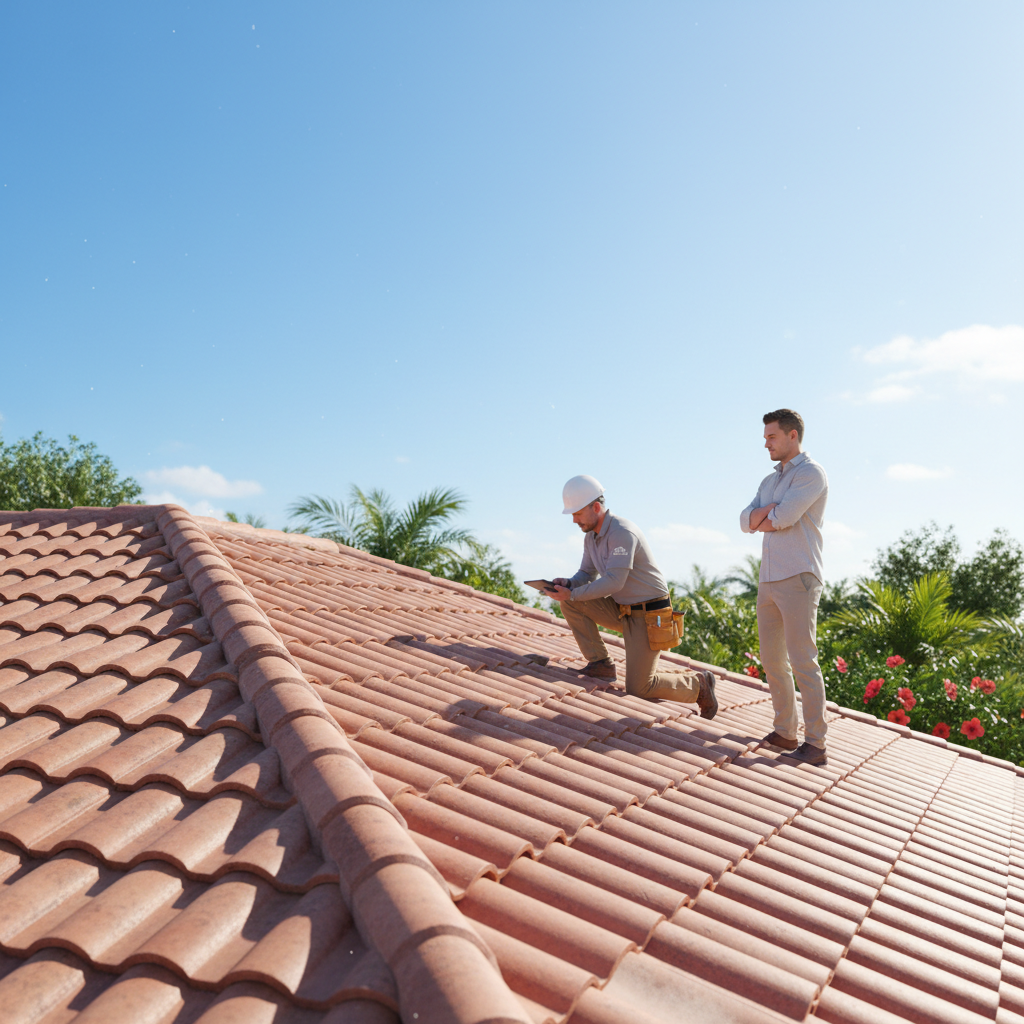
You don’t need to be a certified inspector to notice some obvious clues that your roof might need attention. Start by stepping back and looking for warped, buckling, or missing shingles from ground level. Check the ceiling inside your home for stains or discoloration, which could point to slow leaks. If you see debris by the downspouts or fascia, it might signal moisture buildup.
Be aware that not all damage is visible. Wind-driven rain can seep into tiny gaps, causing rot behind flashing or under shingles. Sometimes this damage only becomes obvious months later. If you’re selling, consider scheduling a professional examination well ahead of listing your property. You’ll also want to glance at this home inspection roof checklist Florida so you know what inspectors typically look for.
Why a Professional Inspection Matters
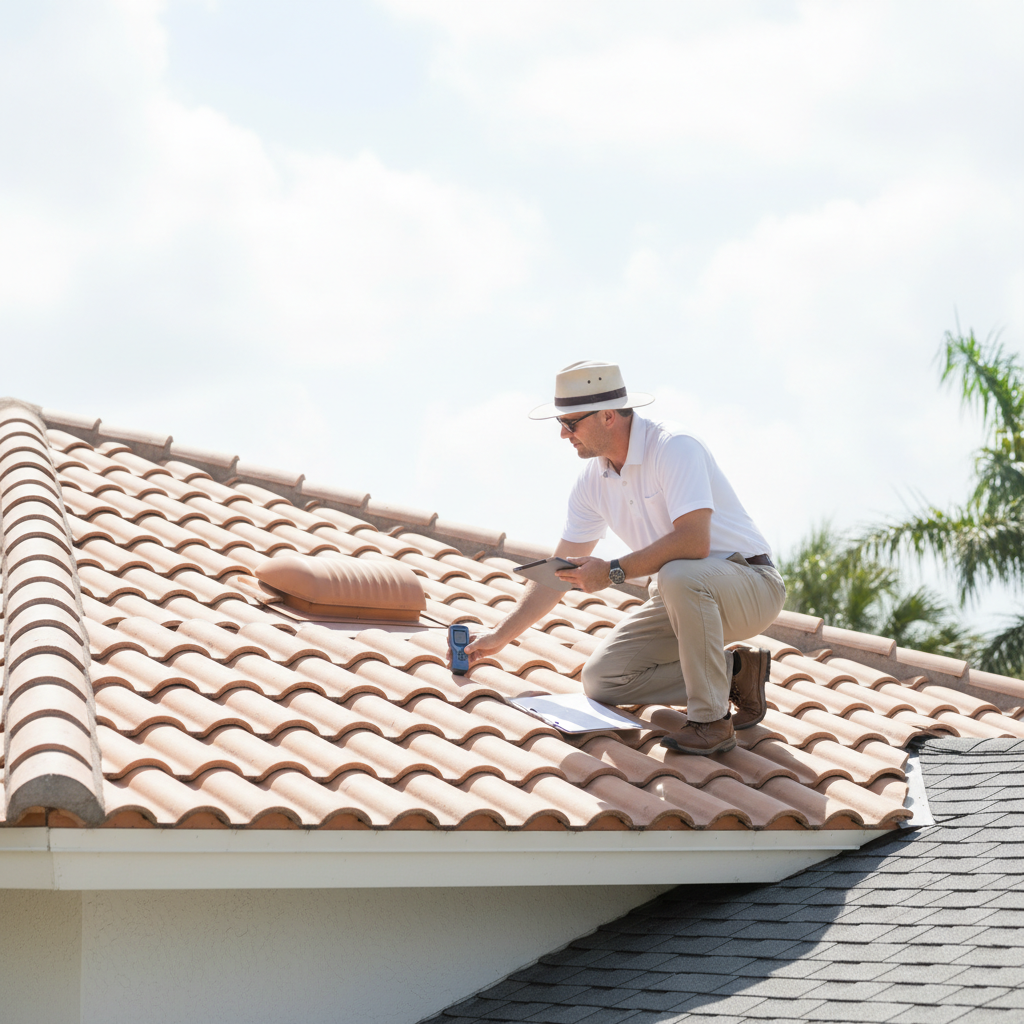
A professional inspector or a licensed contractor has the tools to evaluate flashings, attic ventilation, and the sheathing beneath your roofing material. According to updates in Florida legislation, partial repairs may now be possible if your roof was built or updated to meet the 2007 Florida Building Code, avoiding a full replacement [1]. This kind of detailed assessment can save you thousands of dollars in unnecessary work.
Navigating Insurance and Contracts
Insurance often plays a critical role in Florida roof concerns. When you file a claim, insurers evaluate proper maintenance, roof age, and whether you have Law & Ordinance coverage. This policy addition can pay for code-required upgrades, like straps for hurricane fortification or impact-resistant shingles [1]. Without it, these upgrades might come straight out of your pocket.
It’s also essential to know your rights concerning contracts. As of July 1, 2024, Florida homeowners can cancel certain roofing agreements without penalty if specific criteria aren’t met [2]. This legal protection aims to prevent you from feeling cornered into an unwise contract right after storm damage. Even so, reading the fine print is crucial. Many 2025 complaints filed with the Better Business Bureau (BBB) mention disputes over billing for soffits, fascia work, and unfinished repairs [3]. Taking time to examine contract language and consulting an attorney, if needed, can spare you from hidden costs.
Protecting Yourself From Scams
Unfortunately, roofing scams rise after every major storm. Unscrupulous contractors might knock on your door, say they have “leftover materials,” or promise an “unbeatable deal” if you commit immediately. Be cautious. According to multiple 2025 complaints, some contractors in Florida have demanded payment for incomplete work or threatened collections over disputed charges [3]. Trust your instincts and remember these tips:
Get at least two or three written estimates to compare pricing and materials.
Avoid contractors who pressure you to sign a contract on the spot.
Never agree to pay large lumps of money upfront or pay in cash.
Confirm their license and insurance by calling the insurer to verify coverage, not just accepting a piece of paper.
Florida’s newer consumer protection laws also allow you to cancel contracts with public insurance adjusters if they fail to meet certain obligations right after a storm [2]. Keep these rights in mind if you sense high-pressure tactics.
Finding The Right Roofing Partner
Even if storm season is howling outside, you’ll want to pick a contractor who is reputable, communicative, and fully licensed to avoid the pitfalls seen in many BBB complaints. Look for transparency in quotes: materials, labor costs, and a clear timeline. It’s a huge plus if they have manufacturer certifications for the type of roofing system you want to install or repair. If you’re preparing to sell, take a look at Florida roof maintenance before selling so you can boost your home’s value and reassure potential buyers.
You should also request references or browse verified reviews. An established local contractor with a track record of timely responses and solid warranties is invaluable. And if you need an official roof inspection to confirm your property’s condition, consider exploring helpful services at Florida roof inspection checklist.
A Final Note on Inspections
When you’re ready for a thorough review of your roof’s condition, consider scheduling an independent inspection from an experienced team. A detailed assessment can highlight minor flaws before they escalate, giving you the chance to fix issues at a lower cost. For more guidance, head over to this resource on getting professional evaluations: roof inspection for Florida homebuyers. It’s wise to keep your homeowner’s insurance adjuster in the loop so any recommended repairs meet policy requirements.
“A complete, well-documented inspection is your best defense against unwelcome surprises when selling or insuring a Florida home.”
Wrap-up
Buyer concerns over Florida roofing can feel daunting, but you don’t have to navigate them alone. By spotting red flags early, understanding how insurance influences roof decisions, and being proactive about contract details, you can breathe easier whether you’re a buyer or a seller. Double-check credentials, get everything in writing, and avoid rushing into deals.
Florida’s weather may be challenging, but a solid roof and a trustworthy contractor can make all the difference in safeguarding your future home. Ultimately, clarity in each step, from inspections to insurance claims, ensures you’ll be prepared for both storm season and a smooth closing day.
Natural light can make a cozy Florida living room feel inviting, but when it comes to buying a home, the real game-changer is a proper roof inspection. You might be surprised how many Florida homebuyers overlook the roof until an unexpected repair bill arrives. By scheduling a professional evaluation before closing, you protect your investment from hidden leaks, storm damage, and insurance headaches. Below, you will find what you need to know about a roof inspection for Florida homebuyers—including the biggest red flags, what inspectors check, how codes matter, and when to repair or replace.
Why a roof inspection matters in Florida
Florida’s weather is more than just sunny skies. Frequent rainfall, high humidity, and an active hurricane season make your roof the primary barrier between you and the elements. A neglected roof can have small issues—like cracked shingles or clogged gutters—that escalate into major structural problems once the weather intensifies.
You want peace of mind that your future home can handle tropical storms, intense UV rays, and heavy downpours. A qualified professional checks for early signs of damage, such as hidden leaks, poor ventilation, or failing materials. By identifying red flags early, you can negotiate repairs, budget accordingly, or walk away from a deal if the roof proves too costly to fix.
Common roofing challenges in Florida
Climate conditions in Florida tend to speed up roof wear. Blazing sunshine can cause shingles to crack, curl, or lose granules faster than they would in milder regions. In addition, high humidity fosters mold and algae growth, which weakens roofing materials and causes unsightly staining.
Florida storms can also be quite severe. Heavy rain, high winds, and the occasional hail event contribute to dented metal panels, torn shingles, or knocked-off tiles. Pooled water from clogged gutters might seep under your roof covering, compromising the underlying structure. Because of these risks, your roof inspection should be more than a quick glance; it should be thorough and tailored to Florida’s unique conditions.
What inspectors look for
When you schedule a roof inspection, professionals evaluate surface materials, underlying structure, and crucial components that keep your home dry and secure. Getting familiar with these key areas helps you understand what to expect and why inspectors deem certain repairs urgent.
Materials and their condition
Your inspector examines shingles or tiles for any cracking, curling, or missing pieces. In Florida, even one missing shingle can allow rain to seep beneath the roof deck. Asphalt shingles are affordable and common, but they degrade faster under UV rays, often requiring consistent evaluations. Metal panels can rust in salty coastal air, while clay or concrete tiles may crack over time. According to professionals, paying attention to these details can often determine if simple fixes ward off leaks or if larger repairs are needed [1].
Structural integrity
A sagging roof line might indicate rotting wooden supports or water-damaged underlayment. Inspectors also check for uneven surfaces or dips, which can be early warnings of internal damage. In Florida, wooden components can warp in high heat and humidity, so if you see any bulges or depressions, it’s important to investigate thoroughly. A slight dip could mask a bigger problem waiting to happen once the next storm rolls in.
Attic and ventilation
An often-overlooked part of any roof inspection for Florida homebuyers is the attic. Good airflow through the attic prevents moisture buildup that fosters mold, wood rot, or weakened decking. When humidity seeps in and can’t escape, structural problems escalate, and your cooling costs often skyrocket. Pro inspectors commonly check insulation levels, vents, and attic moisture. Maintaining these systems helps extend your roof’s life and keeps your home comfortable year-round [2].
Flashing and gutters
Crucial points like flashings around chimneys, vents, or skylights often develop small cracks or rust, leading to leaks that sneak into your attic. Gutters that aren’t cleaned or maintained may back water up under the roof covering. In Florida, where sudden, heavy downpours are the norm, a clogged gutter can cause damage quickly. Ask your inspector if they see any signs of water pooling or erosion around your home’s foundation.
Frequency of inspections and typical costs
In Florida, many experts recommend an annual or biannual roof check, especially if you live in areas prone to strong winds and tropical storms. Even if the weather has been calm, heat and humidity alone can degrade roofing materials faster than you might think. If you suspect storm damage—or if your roof is edging past 10 years old—regular checkups become essential.
You might pay between $100 and $400 for a standard inspection, depending on your roof’s complexity and the methods used. More advanced options such as drone or infrared imaging can be pricier but reveal hidden problems traditional inspections might miss [3]. While you might wince at the cost upfront, discovering roof damage early can save you thousands in repair bills or from unexpected insurance hurdles.
Florida building codes and insurance requirements
Beyond the immediate costs of fixing a damaged roof, Florida law and insurance regulations also drive the need for thorough inspections. Properties older than 25 years often must pass roof evaluations as part of a 4-point inspection that also covers plumbing, HVAC, and electrical systems [4]. If the roof fails, you might face coverage denial, policy cancellation, or significantly higher premiums.
There is also Florida’s 25% roof replacement rule, which states that if you need to repair more than 25% of your roof area within a 12-month period, you must replace the entire roof to meet code requirements. This can be a budget-busting surprise if you didn’t factor it into negotiations. Understanding these codes ahead of time helps you plan finances and decide whether to move forward with the purchase or request the seller to address major repairs first.
Preparing for your roof inspection
If you’re under contract for a Florida home, schedule a roof inspection early so you have enough time to make informed decisions. Ideally, arrange the appointment after any storms have passed, so your inspector can spot fresh damage. Request that the seller clears the roof and gutters of debris to give professionals safe, unobstructed access.
A quick conversation with your inspector ensures you’re on the same page about the inspection’s scope. Ask if they will inspect the attic, document photographic evidence of problem areas, or provide an estimated roof lifespan. Having these details upfront clarifies possibilities like minor repairs before closing or a more extensive roof replacement.
The role of repairs vs. replacement
When the inspection report arrives, reading it might feel daunting. Sometimes, the issues are inexpensive fixes: replacing a few cracked shingles or patching minor leaks. Other times, structural damage or widespread moisture intrusion might leave you with no choice but a full replacement. In Florida, roofs typically last around 20 years with the right care [1]. However, harsh conditions can shorten that considerably.
Small repairs now could delay a pricey replacement for several years, especially if the roofing materials are in otherwise decent shape. Still, if you’re dealing with repeated leaks, rotted decking, or severely worn shingles, a complete replacement might be more cost-effective and appealing to future buyers. This juncture is also where Florida’s 25% rule might force your hand. If your roof’s damage is widespread, you could quickly surpass that threshold.
How to choose a trustworthy inspector
Your real estate agent might offer a list of local inspectors, but you want to ensure they have the skill set specific to Florida roofs. Ask about certifications or affiliations, such as Haag Engineering Certified Inspector credentials for residential properties, which indicate advanced knowledge of identifying storm damage or subtle structural issues.
To reduce potential conflicts of interest, some homebuyers prefer independent inspectors, rather than roofing contractors who might push for full replacements. Review online testimonials and confirm they carry proper licensing. You can also look for references with local associations or check Florida’s license databases through official state websites (.gov) for validation.
If you’d like to see an example of a dedicated local roofing inspection service, consider exploring San Carlos Roofing audits, which focus on comprehensive roof condition reports. Their emphasis on Florida’s climate challenges helps you gauge what to expect when working with a specialized team.
Key steps after the inspection
Once you have the final report in hand, the next move depends on the severity of any issues found. For minor problems, you might request the seller to fix them before closing. If you’re dealing with bigger concerns—such as a near-end-of-life roof—you could negotiate the purchase price or ask for repair credits. In hot markets, not every seller will agree to your requests, but at least you’ll have the information you need to proceed safely.
You’ll also want to confirm your homeowner’s insurance coverage aligns with the roof’s current condition. Some insurers require a recent inspection report stating your roof still has adequate years of life left. If your insurer deems the roof risky, you may also face higher premiums or the need to switch policies.
Additional tips for Florida homebuyers
You don’t have to be a professional roofer to spot some giveaway signs that signal trouble. If you see dark patches, missing shingles, or moldy odors in the attic, point these out to your inspector right away. Also, pay attention to your gutters. If you notice water streaming over the edges or debris piling up for days, the inspector might discover an underlying drainage problem.
Below is a simple reference you can keep in mind before heading into negotiations or finalizing your contract:
Confirm roof age. If it’s 10–15 years old or more, you’ll want a thorough inspection.
Check visible attic leaks. Water stains or musty smells typically warrant deeper investigation.
Ask about past repairs. Inquire if partial replacements were made; this can affect the 25% rule.
Observe gutter performance. Any consistent overflow or pooling water near the foundation signals a drainage issue.
By including a dedicated roofing evaluation in your homebuying checklist, you set yourself up for fewer surprises and a clearer picture of future maintenance.
If you’re curious about planning and budgeting for issues uncovered during your inspection, check out this Florida roof inspection checklist. It breaks down everything from routine cleaning to more urgent repairs, giving you a clear way to track what’s already been done and what still needs attention.
Making roofing part of your home sale prep
If you’re worried about roof costs dragging down the sale—or if you’re looking for peace of mind as a buyer—being proactive makes all the difference. In Florida, prepping a property for sale often includes an upfront roof evaluation to handle minor damage before showings. If you’re the one buying, seeing documented roof care is a plus. It signals that the seller has taken steps to ensure their home is in good condition and not trying to hide major problems behind fresh paint or quick fixes.
Sellers who invest in professional roof maintenance before listing can often justify a stronger asking price, especially if there is a transferable warranty from a recent replacement. On the flip side, you should also request any relevant warranties or service records to confirm whether the coverage extends to you. The result? A smoother transaction and greater confidence in your final decision.
Negotiating repairs for peace of mind
Occasionally, you will find a home in your dream neighborhood, only to discover a leaky roof or missing shingles. Don’t panic. Use the inspection findings as leverage to request repairs or lower the price. In a balanced market, many sellers are willing to handle major issues that might compromise financing or insurance. But if you’re in a competitive market, be ready for the possibility of covering repairs yourself if you truly love the home.
When presenting repair requests, be specific. Ask for the problem area to be fixed by a licensed Florida roofing contractor with proven experience in storm-prone regions. Request documentation so you know exactly what was fixed and how. That way, you have a clear record if insurance or future inspectors have questions.
Planning long-term roof maintenance
No roof lasts forever, especially in Florida. Once you move in, schedule periodic reviews from qualified local pros and stay on top of small fixes. Regular cleaning, painting metal panels (if applicable), and clearing gutters can add years to your roof’s lifespan. While it’s tempting to put off minor tasks, Florida’s climate rarely shows mercy to neglected roofing materials.
If you’re ever unsure about the status of your roof, a quick call to professional inspectors is worth the cost. This approach early on prevents those emergency repairs that always seem to pop up at the worst time—like right before a tropical storm hits.
Conclusion
Buying a home in the Sunshine State involves more than deciding on paint colors or yard size. Taking the time to prioritize a roof inspection for Florida homebuyers helps you spot issues that may affect your budget, your insurance options, and your peace of mind. From prepping for hurricane-force winds to navigating insurance mandates, a thorough inspection protects both your family and your investment.
Whether you move forward with a minor patch job or realize a replacement is the better path, being informed is your best tool. Don’t wait until you experience a leak to wonder about your roof’s health. Florida’s climate demands year-round vigilance. By teaming up with a reputable inspector, following Florida building codes, and understanding your roofing options, you set yourself up for a confident home purchase—one that stands strong under the Florida sun and stormy skies alike.
If you’ve lived in Southwest Florida for a while, you know the climate can be tough on rooftops. Between harsh sun, salty coastal air, and the lofty possibility of hurricane winds, upkeep is often a given. You might even find yourself juggling repeated repairs on a structure that’s 15, 20, or even 25 years old. In that situation, it’s natural to wonder whether ongoing fixes are the best plan or if it’s time to invest in a full replacement. After all, roof replacement cost southwest florida is no small figure, and you want to make sure you’re making the right call for your home and your wallet.
Even if your roof looks okay from the ground, hidden damage can add up. Small leaks, weakened shingles, or compromised underlayment can stay undetected far too long. Eventually, you’re faced with escalating repair bills or a complete teardown and rebuild. The good news is that comparing roof replacement and major repairs doesn’t have to be overwhelming. By understanding the factors that drive costs, you’ll be prepared to choose the path that protects your home best.
Why your roof replacement cost matters
Your roof does more than top off your home. It’s the first line of defense against Southern Florida’s particularly harsh environment. When hurricanes roll through or summer storms pummel your neighborhood, a sturdy roof can be the difference between sleeping easy and dealing with water intrusion. On top of that, your roof is an investment that directly affects your property’s market value and insurance premiums.
Many homeowners try to estimate costs online. Some calculators only consider straightforward items like square footage, pitch, or basic material prices. Meanwhile, more nuanced issues such as structural reinforcement, deck repairs, or code requirements remain overlooked. For a precise or even ballpark southwest florida roof replacement estimate, it’s best to have professionals scope out every detail in person.
A professionally installed roof can pay off down the line, too. Insurance providers often look favorably on well-maintained or newly replaced roofs. You could tap into wind mitigation discounts if your brand-new shingles meet local building codes. That means a strong, storm-ready roof may potentially reduce monthly insurance bills, helping you recoup part of your upfront cost.
Should you repair or replace?
Choosing between another round of patchwork repairs and a complete roof replacement can feel like walking a tightrope. On one hand, repairs might keep your existing roof functional a little longer. On the other, a full replacement might save you more in the long run if your roof is nearing the end of its useful life.
It helps to weigh the condition of your roof first. Are you dealing with occasional leaks or consistent, repeating problems? If the underlying materials are compromised, repairs are likely just a stopgap. That’s when a full swap makes sense, especially if you’ve already spent a fair amount on patch jobs. For a deeper look into minor versus major fixes, check out our roof maintenance vs replacement cost overview.
Below is a quick comparison of repairs versus replacement to help you visualize the pros and cons:
Approach
Upfront cost
Long-term outlook
Ideal for
Repairs only
Lower at first
May lead to frequent expenses
Newer roofs with isolated damage
Full replacement
Higher initial payout
Reduces ongoing maintenance
Aging roofs or repeated repair needs
Remember that every roof is different. While one home might get five more years after a few strategic repairs, another may require a total overhaul. Factors like humidity, roof shape, and your community’s specific code requirements can tip the scale toward replacement even before large sections of shingles start to fail.
Key factors influencing replacement costs
Roof replacement isn’t just about laying down new shingles. Companies look at your roof’s geometry, building materials, structural needs, and compliance obligations when quoting you a price. If you suspect you’ll need a full replacement soon, it’s smart to familiarize yourself with these cost drivers.
Material choice
Shingles are typically the cheapest option, with basic architectural asphalt shingles often running the least per square foot. Premium materials like metal, tile, or composite can nearly double or triple that cost, although they usually come with longer warranties. If you’re curious about how various roofing materials stack up, see our southwest florida roofing costs comparison.
Labor and project complexity
Unlike simple cosmetic fixes, a complete replacement often requires tearing off existing layers, repairing damaged decking, and making the structure code-compliant. Labor costs rise if your roof has a steep pitch or multiple angles. If there are skylights, vents, or existing water leaks, the process can extend, pushing your final bill higher.
Hurricane code compliance
Southwest Florida’s building codes often call for higher wind resistance. Many local governments or homeowners associations require upgraded underlayment, specialized fasteners, or additional bracing to resist hurricane-force gusts. While this refined approach boosts your budget initially, it helps ensure a stronger roof over the long term.
Hidden damage
Once your old shingles come off, roofers might spot previously unseen rotting beams or mold from slow leaks. Replacing or reinforcing these components raises costs, but ignoring them would be worse. Catching these issues early prevents costlier damage down the road.
Timing and market prices
Resource demand surges after major storms, potentially stirring up material shortages or labor bottlenecks. That can expose you to higher prices, extended wait times, or sometimes both. If your roof sustainably lasts until market conditions calm, it might save you a noticeable amount of money.
Budget-friendly tips for roof replacement
A new roof can seem daunting financially, especially if you weren’t expecting it. However, there are practical ways to make it more manageable without sacrificing quality or storm-readiness. Yes, you’ll invest a chunk of money up front, but there are strategies to keep spending in check.
• Gather multiple estimates. One of the best steps is comparing quotes from two or three reputable local contractors. Steer clear of extremely low bids, though. Bargain-basement quotes often skip proper underlayment or exclude warranties.
• Prioritize quality. Hurricane resistance and durability shouldn’t be treated as optional in Southwest Florida. While premium materials cost more, they may extend your roof’s lifespan by decades, sparing you from mid-life replacements.
• Check for financing or assistance. If the cost seems unmanageable, consider looking into local programs or zero-down loans. Some roofing companies offer flexible plans for affordable roof replacement southwest florida.
• Aim for off-peak scheduling. Contractors might offer better deals in cooler months or when demand isn’t sky-high, especially if no major storms just hit the region. A little scheduling flexibility could help stretch your budget.
While controlling costs is important, make sure you don’t sacrifice structural integrity. Roof replacements are investments in your home’s future. A properly sealed and ventilated roof translates to fewer headaches over time and can raise resale value if you decide to put your property on the market.
What to expect from a roofing project
Most projects begin with an inspection and tear-off phase. Your contractor removes current roofing layers to assess the underlying deck and support beams. If you have rotted wood, mold, or pest damage, they’ll address it now and adjust the estimate accordingly.
Once the surface is prepped, new materials go on. The upgraded underlayment comes first to create a water-resistant barrier. Then your chosen shingles, tiles, or metal panels are installed. This sequence may wrap up in a few days or stretch into weeks for more intricate designs. Finally, the crew conducts a cleanup, ensuring no stray nails or debris remain in your yard.
For a more detailed breakdown of the professional process, feel free to read about the full replacement approach offered by San Carlos Roofing. They outline how each project phase is structured to ensure safety and quality, from pre-inspection to final check.
Is it time to ditch ongoing fixes?
Frequent roof repairs can seem cheaper than a large, one-time outlay, but they may add up. If you’ve already spent a few thousand dollars just patching leaks and replacing sections of underlayment, it’s worth recalculating your total. Recurring repair costs and the risk of future structural damage can quickly tip the scales toward a fresh start. Plus, each new fix is an opportunity to discover bigger problems lurking beneath the surface.
If you’re unsure whether to keep repairing or go all-in on a new roof, consider how many years remain on your roof’s expected lifespan. Asphalt shingles often last around 15 to 30 years in Florida’s climate, whereas materials like tile or metal can reach the 40- to 50-year mark. Any roof approaching its limit probably won’t see a major return on simple repairs. That’s when your money might be better spent on the certainty of a brand-new installation.
For those still debating, you might find it helpful to visit roof maintenance vs replacement cost for a more in-depth discussion on whether patching things up is enough to extend your roof’s life.
Finding your best path forward
A worn-out or storm-damaged roof doesn’t need to cause panic. With the right research, a realistic budget, and a working knowledge of local building codes, you can make an informed decision about your home. If you suspect a total replacement is the smartest move, finding a trustworthy contractor may be your next step.
Many homeowners in the Naples area, for instance, see cost estimates ranging from $9,500 to $40,000 or more, depending on materials, labor, and code compliance. A roofing professional can help you pinpoint where you’ll land in that span by assessing the specifics of your home. Getting a personalized southwest florida roof replacement estimate doesn’t obligate you to anything, but it can shed light on which path to pursue.
In the end, yours is the final call. If your existing roof still has legs and repairs aren’t draining your savings, you might keep patching it up for now. But if you sense that big repairs are around the corner or that your roof has reached its natural expiration date, opting for replacement can provide peace of mind.
Final thoughts
Roof replacement cost in Southwest Florida is inevitably shaped by the region’s storm risks, strict code requirements, and high labor demands. Whether you repair that leak for the third time or completely overhaul your roof tomorrow, the choices you make will determine your home’s protection, its resale value, and the comfort you feel when storms roll in.
Take your time assessing your roof’s condition, exploring reputable contractors, and weighing the potential for future repairs. Consider a partial or full tear-off if you’re constantly dealing with patches. And if you want a thorough overview of each material’s pros and cons, a southwest florida roofing costs comparison can be extremely helpful.
No one likes paying for a new roof, but sometimes it’s the smartest investment you can make for your home’s wellbeing. Look for ways to minimize surprises, whether it’s through careful budgeting or flexible financing. By planning ahead, you’ll handle a roof replacement with confidence, knowing your home is ready to handle whatever the Southeast Florida skies decide to throw your way.
Natural disasters and the constant salt air in Southwest Florida can make maintaining your metal roof a real challenge. Yet with consistent attention, you can ensure your roof stands strong against intense sun, tropical storms, and high humidity. In this guide, you will discover what metal roof maintenance in Southwest Florida entails, why it is so important for your home, and how you can implement a thorough strategy without feeling overwhelmed.
By following these steps, you will protect your investment, extend the lifespan of your roofing system, and maintain your peace of mind. After all, your roof is the first line of defense against the elements, and metal roofing has a reputation for durability when you give it the care it needs.
Recognize The Benefits Of Metal Roofing
Before diving into regular maintenance routines, it is worth reminding yourself why a metal roof can be such an asset in Southwest Florida. Metal roofing is known for its impressive wind resistance, reflective properties, and strong protection against salt air along coastal areas. As noted by Embick Roofing, metal roofing is a strong, durable, and long-lasting option well-suited for Florida’s climate [1].
In addition to strength, a metal roof can reduce cooling costs when outfitted with reflective coatings. These specialized surfaces help bounce back the sun’s rays, which is especially valuable in Florida’s sizzling summers. If you want to learn more about energy savings, check out energy efficiency metal roofs Florida, where you will find insights into how metal roofing can help stabilize indoor temperatures despite the intense heat.
Schedule Your Routine Inspections
Routine inspections are at the core of metal roof maintenance in Southwest Florida. By detecting problems early, you reduce the chance of extensive issues like pervasive rust, leaking seams, or loose fasteners that can threaten your roof’s structural integrity. San Carlos Roofing recommends biannual inspections, ideally once before hurricane season and once right after major storms.
It often helps to mark your calendar:
• Late spring or early summer: Inspect before hurricane season begins. • Post-storm: If a hurricane or strong tropical storm hits, follow up once conditions are safe. • End of year: Recheck after the rainy season has passed.
If climbing a ladder is not feasible or you are uncertain how to conduct your own inspection, do not hesitate to consult professionals for assistance. Licensed roofers can quickly identify subtle issues like small shifts in panels or compromised sealants that are not obvious from the ground. You can also refer to metal roof installation southwest florida if you are considering any upgrades or structural improvements in tandem with your inspections.
Clean Your Roof The Right Way
Cleaning is an essential part of preventing corrosion and prolonging roof longevity. In Southwest Florida, pollen, dust, bird droppings, and mildew accumulate quickly, especially following rainy or humid periods. As recommended by Embick Roofing, you should clean your metal roof regularly, and when you notice green spots or dark streaks, address them promptly (1).
Most homes remain well-maintained with an annual or twice-yearly cleaning. However, if you spot debris piling up or leaves collecting in gutters, you can increase the frequency. Consider these tips for effective cleaning:
Start with a low-pressure rinse using a garden hose to wash away loose debris.
Apply a gentle cleaning solution, such as water mixed with mild dish soap or diluted vinegar, and use a soft-bristle brush or microfiber cloth to scrub.
Rinse thoroughly to remove any residue, which could degrade your roof’s protective coating if left behind.
Some homeowners are tempted to use high-pressure washers, but that can damage the paint, scuff the surface, or warp seams. Professional soft-wash methods reduce these risks significantly. You can always enlist professional help if your roof is very steep, difficult to access, or noticeably soiled.
Look Out For Common Repairs
Even though metal roofs are known for durability, they can still sustain damage from hurricanes, hail, and flying debris. If a section of roof forms dents or the flashing pulls away from the seams, you could develop leaks that weaken the structure over time. Embick Roofing highlights how loosened fasteners or sealant deterioration can lead to water intrusion and bigger repair bills (1).
During your maintenance checks, keep an eye on:
• Panel alignment, ensuring there are no gaps where moisture could seep inside. • Flashed areas around chimneys or vents, since storms and high winds commonly cause separation. • Corrosion or exposed underlayers, especially if you are closer to the coast with salt-laden air. • Unusual stains on ceilings or walls that could hint at leaks.
When you notice damage that looks more than cosmetic, call a qualified roofer. Addressing leaks promptly prevents mold, wood rot, and potential structural problems. If the damage is severe enough to warrant a complete overhaul, you may want to explore replacement options with local professionals like San Carlos Roofing. Taking a proactive stance saves you both money and headaches down the road.
Use A Seasonal Maintenance Framework
Organizing tasks by season helps you stay consistent with metal roof maintenance in Southwest Florida. We recommend specific activities across the year, including storm-readiness checks and post-storm inspections. You can follow a structure inspired by that approach:
• January–February: Inspect for any hidden post-holiday season damage, clear gutters of leaves, and look for any rust developing in cooler temperatures. • March–April: Prepare for spring and summer rains. Ensure flashing and sealants are secure and remove any branches leaning over your roof. • May–June: Step up your hurricane-readiness efforts. Confirm your emergency repair kit is stocked, and trim nearby trees to reduce debris in high winds. • July–September: Perform mid-season checks to catch leaks or panel shifts caused by tropical storms. Clean off dirt or algae that might build in humid, hot months. • October–November: After a busy hurricane season, do a thorough inspection for dents or loosened seams. Clean the roof again if you see buildup. • December: Plan for any bigger replacements or upgrades and schedule them during drier periods. Make sure any minor issues are handled before the new year begins.
Invest In Professional Maintenance And Repairs
While it may seem convenient to do all the tasks yourself, there are times when you should rely on reputable roofing companies. Engaging professional services is recommended whenever leaks, corrosion, or structural damage appear beyond simple cosmetic issues. The experts have specialized training in metal roof installation, welding techniques, and advanced sealing methods.
Professional inspections also help you adapt to evolving local building codes, which often require premium wind-resistant materials for hurricane compliance. The stricter the codes, the more important it is to have specialists confirm your roof aligns with regulations. If you want to explore more about installing a metal roof in a way that meets code requirements, see “metal roof installation southwest florida”.
A quality roofing company can:
• Perform thorough assessments to detect tiny cracks or panel warpage. • Offer specialized coatings, some of which reflect UV rays and curb heat absorption. • Secure loose fasteners and ensure sealants are functioning properly. • Spot hidden rust, especially in areas exposed to salt spray or constant moisture.
You will find that hiring a trusted team ultimately pays off by preventing water damage, mold remediation expenses, or premature replacement.
Build A Long-Term Roof Care Strategy
Keeping a metal roof healthy in Southwest Florida is a continuous process. From your yearly storm preparations to that quick glance at your home’s exterior after a windy day, you will be better protected if you adopt a long-term roof care mindset. Regular maintenance does more than protect your investment. It also preserves your peace of mind, knowing that when the next tropical storm rolls in, you have minimized your risks.
Below is a quick reference chart that summarizes key long-term maintenance considerations:
Maintenance Step
Frequency
Purpose
Roof inspections
Twice a year and post-storm
Identify damage, rust, or leaks early
Cleaning and debris check
1–2 times a year
Remove buildup, preserve coatings, and deter corrosion
Panel and flashing repair
As needed
Prevent water intrusion and structural weakening
Professional assessment
Biannually or as indicated
Ensure compliance with codes and extend roof lifespan
Keeping your schedule flexible is important. Some years may bring heavier rainfall or more serious hurricanes that warrant extra checks. When in doubt, prioritizing safety and professional guidance is never a mistake.
If energy efficiency is a high priority for you, you can also speak with your roofer about applying specialized coatings or upgrading insulation. For more on managing heat, take a look at “energy efficiency metal roofs Florida”. This extra attention can help drive down cooling costs, which becomes especially valuable in Florida’s subtropical climate.
Protect Your Roof Investment
A little diligence goes a long way in maintaining a metal roof that can handle everything from everyday UV exposure to ferocious coastal storms. Caring for your roof is not just about aesthetics. It is about safeguarding the place you call home, shielding loved ones inside, and managing costs over time.
When you take inventory of your roof’s health each season, keep gutters and flashing debris-free, and proactively repair small issues before they become big problems, you ensure your roof steadily outlasts many other roofing materials. Should a situation arise where significant repairs or a complete replacement is needed, consulting an experienced local contractor like San Carlos Roofing simplifies the process. Their understanding of Southwest Florida’s climate can help you decide on the right materials and strategies to keep your property safe.
Ultimately, staying on top of metal roof maintenance in Southwest Florida is a simple but powerful way to protect your investment. You will enjoy the long-term durability, style, and peace of mind that a well-cared-for metal roof can provide for you, even through the region’s most challenging weather. By inspecting regularly, cleaning carefully, and responding quickly to damage, you can maximize your metal roof’s potential and create a more secure home environment for years to come.
Metal roof installation in Southwest Florida has gained significant traction among homeowners looking to protect their properties from harsh climate events and maximize long-term value. You may have heard about how well metal roofing stands up to rain, wind, and the sweltering Florida heat, but there are a few key points you need to know before investing in this option for your own home. While the benefits of durability, energy efficiency, and appealing designs are compelling, it is essential to understand the local building codes, the cost range, and the installation process to ensure that your new roof meets expectations. Below is a comprehensive overview that will help you decide whether a metal roof is the right choice for your property.
By exploring the information below, you will gain insights into cost considerations, Florida building requirements, and the best types of metal roofing for coastal conditions. You will see how proper planning can help you reduce repair expenses in the future and keep your home adequately fortified against storms. From materials to installation techniques, this guide covers the details you should know.
Consider Metal Roofs for Florida
Metal roofs are increasingly appealing to Southwest Florida homeowners for good reason. With the high humidity, constant sunshine, and frequent tropical storms, a roofing material must offer a strong balance of durability and energy efficiency. Choosing metal provides a modern, sleek look that might surprise you if you are used to seeing traditional shingles. You can even select from styles resembling tile or wood shake to harmonize with your property’s architectural design.
Why Florida Homeowners Prefer Metal Roofing
Metal roofing is admired for its longevity in climates that experience heavy rainfall and intense sunshine. In addition to its sturdiness, a metal roof can reflect solar heat and reduce your energy consumption, which is particularly beneficial in the hot months. Reflective coatings and specialized paint finishes enhance this effect. As a result, you have a roof that weathers hurricanes better than typical shingles and helps moderate indoor temperatures. You can explore more about these advantages at metal roofing benefits Florida homes.
Given that a standard asphalt shingle roof may last around 15 to 20 years, metal roofs typically endure far longer, with many standing seam varieties surviving 40 years or more in Florida’s climate. Some homeowners even mention that their metal roofs weather strong storms with minimal damage. Meanwhile, storm repair costs for a more conventional roof can escalate substantially over time. By investing in metal, you position yourself to enjoy fewer disruptions and lower long-term maintenance.
Addressing Local Storm Concerns
While Florida’s climate is beautifully sunny most of the year, hurricanes and high winds remain a recurring challenge in Southwest Florida. Thankfully, metal roofing often comes with wind resistance ratings of up to 140 mph or even 180 mph, making it an ideal safeguard for coastal properties [1]. If you are tired of replacing shingles that blow off in storms, metal roofing provides a much sturdier alternative.
However, you do need specialized installation practices to secure panels correctly, especially around edges and ridge caps. Robust attachment techniques reduce the risk of uplift or leaks during serious weather events, and professional installation is strongly recommended. Ultimately, metal roofing aligns well with Florida’s building code requirements for storm safety. Focus on working with contractors experienced in metal roof installation to guarantee the best outcome.
Meet The Florida Building Code Requirements
Florida’s building codes are known for their strict guidelines, primarily because the region is prone to hurricanes and other extreme weather. When it comes to metal roof installation in Southwest Florida, you must ensure that the materials and techniques employed align with the Florida Building Code (FBC). This attention to detail not only helps you avoid penalties or failed inspections but also ensures that your home’s roof qualifies for insurance claims, if needed.
Key regulations to follow
To start, the code demands specific fastener spacing and material standards in High-Velocity Hurricane Zones (HVHZ), such as Miami-Dade and Broward counties. Even if you are not located in an HVHZ, you may still need to comply with local variations of these rules. Corrosion protection is also crucial, especially for homeowners near the coast. Salt air can corrode metallic materials faster, so you should confirm that your chosen panels have rust-resistant coatings if you live in a coastal area. Aluminum roofing, for instance, resists salt-based corrosion better than galvanized steel [1].
Further considerations include installing underlayment designed to repel water during hurricane-force rains. You might need to invest in ice and water shields or other specialized waterproof membranes to meet local requirements. Proper ventilation is also important. The FBC mandates that your attic space be vented correctly to limit heat buildup and moisture that can lead to mold. If you are uncertain, insist that your chosen contractor outline how they will handle ventilation and underlayment installation to pass inspection.
The 25% Rule
If your existing roof is damaged and more than 25% of its total area requires repair, you may be prompted by code to do a complete replacement rather than a patch job. This is known as the 25% Rule. Although it can feel daunting to be forced into a full replacement, many homeowners see this as an opportunity to upgrade. If you are already at that threshold, exploring metal roof installation can make sound financial sense. You end up with a system that has fewer vulnerabilities in the long run, reducing the chance of repeated interruptions due to storm damage.
Explore Your Metal Roofing Options
One of the best aspects of metal roofing is the variety of styles and materials available. Instead of purely functional corrugated panels, you can now select from visually appealing designs that mimic tile, slate, or wood shakes. There is also the choice between exposed fastener and hidden fastener systems.
Corrugated vs. Standing Seam
Corrugated or 5V roofing is a budget-friendly option typically costing $5 to $12 per square foot in Florida. While it is quick to install and provides decent weather performance, the fasteners are exposed to the elements. Over time, water infiltration and routine wear may degrade the fasteners, necessitating ongoing maintenance. Nonetheless, corrugated metal may be a good entry-level choice if you want to keep costs down and still benefit from metal’s durability.
Standing seam roofs, on the other hand, protect fasteners beneath interlocking seams. As a result, they are more resistant to leaks and can last 50 years or more if maintained properly. The typical cost for standing seam in Florida ranges from $10 to $35 per square foot, with the average around $20. This style provides a sleek, modern appearance that suits many newer homes. If your budget accommodates it, standing seam represents an excellent balance of aesthetics and performance.
Selecting Corrosion-Resistant Materials
Once you have decided on corrugated or standing seam, you will also need to pick the metal itself. Aluminum is favored in coastal settings because it resists rusting from salt-laden air. Galvalume and galvanized steel are generally cheaper but demand more caution near the ocean. Copper offers premium curb appeal, yet it is typically costlier than other metals and may not suit every neighborhood’s style. Ultimately, weigh each option’s visual appeal, corrosion resistance, and cost against your particular circumstances.
Estimate The Cost and Budget
Installing a metal roof can cost more upfront compared to some other materials, but you also gain a roof that is likely to last significantly longer. In Southwest Florida, where storms can do extensive damage, sacrificing durability for short-term savings can lead to higher expenses down the road. Understanding the realistic cost range helps you plan ahead, weighing both your initial investment and a metal roof’s lifetime value.
Below is a concise table summarizing approximate cost ranges and characteristics:
Metal Roof Type
Avg. Cost per Sq Ft (FL)
Avg Lifespan (Years)
Notable Features
Corrugated (exposed)
$5 – $12
20 – 30
Quick to install, lower cost, more maintenance needed
Standing seam (hidden)
$10 – $35
50+
Sleek look, protected fasteners, longer lifespan
Aluminum
Varies ($6+/sq ft for panels)
40 – 70
Rust-resistant, ideal for coastal environments
Galvanized/Galvalume
Varies ($5–$15/sq ft)
20 – 35
Affordable, moderate rust resistance, popular for many homes
These dollar figures reflect broad, statewide averages. According to local contractors, metal roof installation costs in Fort Myers can range between $6,000 and $42,000, depending on your roof’s size, the type of metal you select, and the complexity of installation. If you have a large house or desire premium standing seam panels, anticipate spending on the higher end. Meanwhile, smaller homes or those opting for corrugated metal often pay closer to the lower or mid-range. Of course, getting personalized estimates is the best way to figure out an accurate price for your project.
Prepare For Installation
While metal roofing can be installed fairly quickly compared to some other materials, it is not as simple as hiring someone to lay shingles. The process involves measuring and cutting custom panels, positioning underlayment, and using specialized fasteners. Knowing what to expect allows you to budget enough time and make sure the project runs smoothly.
Contractor Expertise Matters
Metal roof installation in Southwest Florida calls for a contractor with proven skills, references, and proper licensure. Hiring someone who typically installs only shingle roofs may not be sufficient. Instead, opt for companies or crews who do metal roofing regularly and are familiar with local code. Ask your prospective installer how many metal roof projects they complete each year and whether their workers receive specialized training on panel installation. You can also reach out for guidance on partial or complete roof replacement at this local roofing specialist.
Professional contractors will verify that your roof sheathing meets structural requirements. They will also detail the type of underlayment they are using, such as self-adherent ice and water shields in coastal zones. Proper ventilation is another step they should outline. Roofers experienced in metal roofing can ensure each step complies with Florida Building Code standards, reducing the odds of needing to redo the project or fix leaks afterward.
Minimizing Disruptions
You can do a few things to make sure installation causes as little interruption to your home life as possible. Before the work starts, clear yard furniture or potted plants that might obstruct the roofers’ access. If you have sensitive landscaping, consider covering shrubs or flower beds with protective netting or tarps. Communicate any specific concerns with your contractor so they do not park heavy machinery or place materials in areas you would like to keep pristine.
While metal roofing panels require cutting and shaping, a professional crew typically works efficiently to reduce noise. The overall installation can take between a couple of days to a week, depending on roof size and complexity. In many cases, you can remain in your home as the roofing is installed, but you should be prepared for some daytime noise and vibration. Once completed, you will have a roof that both fortifies and beautifies your property in the long run.
Maintain Your Metal Roof
Despite the reputation for near-bulletproof durability, metal roofs still benefit from regular upkeep. Dirt, debris, and salt deposits in coastal areas can accumulate over time. Routine care ensures that the finish remains both visually appealing and protective.
Simple Inspection Practices
Every year or two, visually check your roof for rust spots, loose fasteners, or damaged flashing. Look closely around roof penetrations such as vents and chimneys, as these areas are more prone to leaks if not sealed properly. If your roof is quite steep, prioritize safety and hire a professional to handle a more thorough inspection. Performing these checks can help you spot minor issues before they escalate into costly repairs. You can also learn more about caring for metal roofs at metal roof maintenance southwest Florida.
If you do see rust or peeling coating, contact a roofing specialist to discuss the right approach for repairs or recoating. Prompt attention can extend the life of your roofing system by several years, and it helps maintain the roof’s reflective qualities if you rely on it for energy savings.
Clearing Debris and Maintaining Gutters
In Florida’s hurricane and tropical storm seasons, leaves or small branches can accumulate in gutters and along roof seams. Clearing your gutters frequently helps water flow off the roof properly, reducing the chances of pooling moisture that could lead to corrosion or leaks. Also, check for debris settling in any valleys where roof sections meet. Handling clogs early maintains a free flow of stormwater and prevents water from backing up under the panels.
Be sure to evaluate your gutter attachments as well. Properly installed gutters, in line with Florida code, are vital for storm resilience. An overfull gutter or loose connection under high-pressure wind and rain can damage your fascia boards. By keeping your drainage system in good working order, you reinforce the strength and longevity of your metal roof.
Benefit From Energy Efficiency
Metals such as aluminum, steel, or copper reflect more sunlight than ordinary shingles, making them a smart choice for Southwest Florida’s climate. The surface you choose has an impact on how much heat your home absorbs. For instance, standing seam or coated corrugated panels can achieve notable solar reflectivity, lowering the need for heavy air conditioning usage. When combined with proper attic ventilation, your home’s overall energy bill might see a decent reduction.
You can find more details on how metal roofing saves energy in hot, sunny climates at energy efficiency metal roofs Florida. Coatings and paint colors specially formulated for high reflectivity amplify these gains. While you should not rely on roofing alone for temperature regulation, insulation and ventilation are part of the equation, and metal roofs are certainly an excellent foundation for an energy-efficient home.
Choose A Trusted Contractor
A quality outcome hinges on hiring a contractor who possesses the right mix of expertise, equipment, and local knowledge. Firms specializing in metal roof installation in Southwest Florida can guide you in selecting materials designed to withstand local winds, code requirements, and salt-air conditions. They are also aware of the most current Florida Building Code updates and best practices for everything from fastener placement to ridge vent installation.
What to look for
• References: Ask your potential contractors for case studies or references from metal roofing projects they completed in the past year, specifically in the Southwest Florida region. • Licensing and insurance: Verify that they have the appropriate Florida licensing and insurance coverage to protect you and their workers. • Detailed estimates: Get a written quote outlining materials, labor costs, and any warranties on workmanship or roofing products. • Clear communication: Work with those who respond promptly to your questions and concerns, keeping you in the loop about progress and any encountered challenges.
Comparing multiple bids not only helps you get a fair price, it also allows you to gauge each contractor’s professionalism. Even if someone offers a bargain rate, investigate the quality of their past work. Keep in mind that a poorly installed metal roof may provide fewer benefits than you expect and could require expensive repairs later. For full or partial replacements, it can also be helpful to reference local services that specialize in delivering custom solutions.
Weigh The Advantages and Potential Drawbacks
Before you seal the deal on a metal roof, consider both the strengths and weaknesses. While metal roofing performs exceptionally under Florida’s tough conditions, no solution is perfect. By understanding possible downsides, you can prepare accordingly and avoid surprises post-installation.
Pros
• Longevity and durability: Metal roofs typically outlast traditional shingle roofs and handle high winds efficiently. • Potential energy savings: A reflective coating can keep your home’s interior cooler and cut down on power use. • Visual variety: Styles range from traditional corrugated panels to designer looks resembling tile or slate. • Low maintenance: With occasional inspections and quick fixes, your metal roof can last decades with minimal effort.
Cons
• Higher initial cost: Metal roofing often costs more upfront than asphalt shingles, though it may offer better long-term value. • Possible noise concerns: During heavy rain, you might hear drumming sounds on a metal roof unless you have sufficient insulation. • Skilled labor needed: You have to ensure your installer has the right credentials, as incorrect installation can compromise the roof’s benefits. • Susceptible to dents: In rare cases, large hail can cause denting, although many modern panels are engineered for better impact resistance.
Having a realistic picture of metal roofing’s advantages and drawbacks helps you make the best decision for your situation. If your home is prone to extreme weather, prioritizing durability may outweigh the initial cost. On the other hand, if you have a strict budget, you might consider a more economical type of metal roof or combine partial repairs with strategic upgrades over time.
Incorporate Ongoing Savings and Value
A final consideration before you commit to metal roof installation in Southwest Florida is the potential return on investment. Unlike cheaper alternatives, a well-installed metal roof may reduce your insurance premiums, particularly if your insurer provides discounts for wind mitigation or weather-resistant materials. It also appeals to potential buyers when you eventually sell your home, as they see an established roof with many years of life left.
Furthermore, the energy efficiency gains can accumulate into notable long-term savings. Lower cooling costs, combined with less frequent need for repairs, create a compelling financial picture. Even though you pay more initially, the reduced maintenance and possible increase in resale value could offset that expense over time.
Make an Informed Choice
If you are looking to boost your home’s resilience amid Florida’s storms and hot summers, metal roofing is a formidable option. By learning about local building codes, cost ranges, and the available roofing systems, you can confidently invest in a roof that protects and adds value to your property. Do not overlook the importance of working with an experienced contractor who adheres to FBC standards and can guide you through every stage of installation.
Whether you choose a budget-friendly corrugated system or a high-end standing seam roof, planning well in advance will help you minimize surprises and secure a roof that performs exceptionally for decades. If your current roof is severely compromised or near the 25% rule threshold, it could be better financially and practically to opt for a full metal roof replacement upfront. For any in-depth questions, or if you need further guidance on partial versus complete updates, you can explore this local resource or request quotes from specialized contractors in your county.
In the end, deciding on a metal roof installation in Southwest Florida is about balancing cost, longevity, and peace of mind. Your home deserves a system that effectively repels storms, lowers energy consumption, and looks great while doing so. Staying proactive in your planning will go a long way toward a successful outcome, one that shelters you and your family comfortably for many years to come. When you are ready to take the plunge, remember to gather multiple quotes, confirm each contractor’s credentials, and review how the chosen roofing system will align with Florida’s building codes. By following these steps, you equip yourself to enjoy all the advantages metal roofing can bring to your Southwest Florida home.
You already know Florida’s tropical climate can be unforgiving. The heat is relentless, storms can appear suddenly, and hurricane-force winds add to roof worries every year. If you’re tired of costly repairs and soaring utility bills, you might be thinking about upgrading your roof. One option worth exploring is energy efficiency metal roofs Florida homeowners rely on to withstand powerful storms while curbing their cooling expenses. As you weigh the benefits, you’ll find that metal roofing can be a game-changer for both your comfort and wallet.
Most people shy away from metal roofs at first because of the initial price tag. While panels cost more than your typical asphalt shingles, the long-term energy savings and lower maintenance needs often justify the investment. By reflecting much of the sun’s heat and providing robust insulation, metal roofing offers an effective way for you to combat Florida’s sweltering climate. Over time, these properties also help reduce cooling costs and keep your interior spaces more comfortable, even when it’s roasting outside.
Understand Florida’s roofing challenges
Florida’s environment poses several issues for homeowners. High humidity, intense heat, and nearly annual hurricanes mean you need a roof that can deliver more than just basic shelter. Frequent storms can rip away loosely secured shingles and send water pouring into your attic. Mold and mildew thrive in damp conditions, leading to rot if your roofing materials fail to breathe. These hazards raise maintenance costs and can even create health risks indoors.
You may have seen asphalt shingles torn off in storms, leaving owners scrambling for emergency fixes. The problem isn’t just the damage itself, but the repetitive nature of repairs. Storm after storm, you could find yourself dealing with patchwork solutions until it becomes too expensive to maintain. Upgrading to a more durable option, like metal, immediately tackles multiple Florida-specific problems. Not only do you protect against harsh weather, you also tap into significant energy efficiency benefits, particularly when you install reflective coatings.
When you consider a new roof, remember that these storms won’t let up. Strong, moisture-resistant materials can spare you a lot of headaches. In fact, the typical metal roof can last 30 to 40 years in Florida, more than twice as long as standard asphalt shingles. [1] Long lifespans and fewer repairs translate into reduced lifetime costs. And that’s only scratching the surface of what metal can do for you.
See how metal roofs save energy
Energy bills in Florida are often eye-popping thanks to the constant need for air conditioning. Asphalt shingles tend to absorb and hold heat. That can drive attic temperatures up, forcing your AC to work double time just to keep the house comfortable. Metal roofs, by contrast, can deflect up to 70% of solar radiation. [2] With less heat transferring into your living space, you’ll likely run your air conditioner far less often.
Reflective and emissive properties of metal roofing are crucial in a climate like Florida’s. Specialized coatings on these panels bounce sunlight away, and the metal itself releases absorbed heat more quickly after sunset. That means your home cools down faster during the evening, easing the burden on your cooling system. In fact, depending on factors like roof color and quality of insulation, you might see a 25% drop in your cooling bills simply by installing a metal roof. [2]
For you, the math becomes simpler if you consider both the immediate and ongoing energy benefits. A metal roof in Central Florida can cut monthly cooling costs by as much as 50%. [1] Even at more conservative estimates, the typical savings add up year after year. This kind of efficiency is one reason many Florida homeowners see metal roofs as one of the smartest improvements they can make.
Compare metal vs asphalt roofing
It’s helpful to break down the key differences when deciding between metal and asphalt shingles. Asphalt shingles remain widespread because they cost less upfront and are relatively easy to install. However, they tend to degrade faster in Florida’s punishing heat and humid conditions. Asphalt shingles also offer minimal reflectivity, meaning the sun’s rays are mostly absorbed into your home. That absorption keeps interior temperatures higher, raising your AC costs month after month.
Metal roofing, on the other hand, benefits from materials like steel, aluminum, or zinc coated to resist corrosion. While rust can be an issue if left unprotected, modern systems usually include layers of protective paints and sealants. These coatings prevent corrosion and keep your roof looking sharp. Florida’s climate can expedite wear and tear on typical shingles, but metal panels hold up remarkably well to wind, hail, and heavy rain. Many metal editions are rated for wind speeds in line with what Florida’s frequent hurricanes bring.
When you factor in energy performance, you’ll see an even bigger gap. Metal’s reflective properties far exceed those of asphalt shingles, which reflect only 5–15% of solar radiation. [3] By contrast, some high-performance metal roofs can reflect 30–60% or more. That difference is part of why an asphalt roof may only last 15 years here, while a well-maintained metal roof can remain effective for several decades.
Follow Florida building codes
Because Florida experiences extreme weather, state-specific codes guide roof design and installation. If you plan to switch to metal, you need to be aware of requirements like fastener spacing, underlayment standards, and wind-uplift testing. This helps your roof meet High-Velocity Hurricane Zone (HVHZ) regulations in counties like Miami-Dade. [4]
The Florida Building Code (FBC) also emphasizes energy efficiency, encouraging the use of reflective and emissive roofing materials that reduce cooling costs. [5] You might find that certain metal roofing products come pre-approved for their energy performance. These lines typically feature specialized coatings or finishes that reflect heat more effectively. By installing one of these approved products, you may qualify for incentives or tax credits, depending on the program and the year.
Ventilation is another key element to think about if you want your roof to stay efficient. Florida codes require proper ridge or soffit vents to combat trapped moisture and reduce the risk of mildew or mold. Additionally, adequate ventilation enhances your AC’s performance by enabling hot air to escape from the attic. If you coordinate with an experienced contractor who understands the code, you’re more likely to land on a system that not only passes inspection, but also returns big energy savings.
Embrace cost savings and ROI
While the cost of installing a metal roof might feel like a hurdle, forcing you to contemplate cheaper alternatives, it’s worthwhile to consider the long-term math. Imagine you eliminate frequent repair costs after storms because the roof is less likely to crack or tear. You also cut your energy usage as the reflective surface keeps your home cooler. Potential insurance discounts may apply if you install a code-compliant system that delivers extra storm resistance, not to mention the added peace of mind.
This kind of return on investment isn’t immediate, but it’s steady. Over a 10–15-year period, the reduced cooling costs, fewer repairs, and extended roof lifecycle can recoup a big portion of your upfront installation price. Plus, a new metal roof can boost your home’s property value and overall market appeal if you decide to sell later. Prospective buyers in Florida often prioritize durable, energy-efficient homes to limit their own future expenses.
Consider that months of scorching sunlight and recurrent storms translate to some of the highest utility usage in the country. A steady 20–25% cut in monthly cooling costs (or sometimes more) might offset the difference in cost between asphalt and metal fairly quickly. [2] Keep in mind that a quality roof you install once and rely on for decades is more financially sound than a cheaper one you replace in half the time.
Maintain your metal roof
Energy efficiency metal roofs Florida contractors install do not require the same level of upkeep as traditional shingles. However, you still want to conduct routine maintenance. Leaves, branches, and debris can accumulate over time, especially after strong winds. Clearing these away keeps the panels free from scratches and removes anything that might trap moisture. Inspect your roof’s fasteners and sealants now and then to confirm they remain secure and watertight.
One of the biggest threats to your roof’s energy efficiency is dirt or algae growth. Metal roofs are naturally resistant to moss, algae, and mold, but it’s wise to check for any signs of buildup. [1] Cleaning your panels with a gentle solution, or hiring professionals if you have heavy buildup, can preserve their reflective finish. Spots of corrosion might appear if panels get damaged, so address them quickly to prevent rust from spreading underneath the coatings.
As a Florida homeowner, you’ll find that a minimal maintenance routine helps maximize efficiency. Because of the humid climate, make sure water has a clear path off your roof. If you spot anything blocking gutters or downspouts, remove it so that mold or mildew has fewer opportunities to thrive. To learn more about caring for your roofing system, you can check out metal roof maintenance southwest Florida for practical tips and advice.
Explore installation best practices
Installation plays a major role in getting the most out of your metal roof. Panels or shingles must overlap correctly to prevent leaks, and fasteners must be set to specified spacing. Underlayment materials designed for Florida’s humidity can further enhance your roof’s protective layer. The combination of skilled workmanship and high-quality components helps your roof stay resilient against heavy winds and extreme heat.
If you’re updating your property in Southwest Florida, you might find it useful to visit metal roof installation southwest florida for more details. A knowledgeable installer should address key decisions like selecting the right gauge of metal and choosing a finish that balances appearance with maximum reflectivity. For many homeowners, lighter colors such as white, light gray, or tan provide the best energy benefits. These shades intensify the roof’s ability to reflect the sun.
In fact, the finishing coat is anything but a minor detail. A specialized reflective coating can make a measurable difference by bouncing away a bigger fraction of sunlight. It also guards the core metal from UV damage, ensuring that your roof doesn’t degrade prematurely. At this point, it makes sense to partner with a roofer who understands local codes and environmental demands. By using the right materials and expert installation, you create a system that endures Florida’s tough conditions and lowers your cooling load.
Factor in environmental friendliness
You might be glad to know that metal roofing scores well on sustainability. Many panels come from recycled materials and can be recycled again when replaced. Given how often Florida sees roof replacements, choosing metal can help reduce waste. Meanwhile, the reduction in energy usage means you consume less power from the grid, helping lower your overall environmental footprint.
High reflectivity also benefits local communities by mitigating the heat island effect, particularly in congested urban areas. The heat island effect occurs when blacktop roads, roofs, and parking lots absorb heat, elevating local temperatures. A reflective metal covering reduces your home’s contribution to that heat buildup. Over time, if more homes in a neighborhood adopt energy-efficient roofing, the area might enjoy cooler summer temps.
Additionally, because of its long lifespan, metal roofing cuts down on the repeated raw material demands associated with shorter-lived roofing systems. The longevity factor has a halo benefit for the planet, too. Fewer production runs to create new materials mean lower emissions and less resource consumption. For you, it’s a chance to align your roofing decision with your eco-friendly values, all while enjoying cost reductions.
Know your options for roof replacement
A roof forms one of your home’s biggest barriers against the outdoors, so you want to keep it in top shape. If you’re looking to upgrade, you can learn more about taking that step by visiting San Carlos Roofing. Their resources help you plan the process, from choosing the right contractor to comparing financing options.
Whether you decide on metal or another material, a roof replacement in Florida calls for caution because of stringent building codes. It’s smart to factor in the potential for future storms. By using strong materials that excel at insulation and reflection, your roof becomes an energy saving asset. Being proactive is far better than waiting for the next big storm to tear through missing shingles or a worn-out underlayment.
If the decision comes down to cost, weigh the figure carefully. You might face a higher invoice up front, but the payoff includes minimized storm damage, fewer replacements, and that sweet relief of lower utility bills. By taking the time to do your research, you equip yourself to make a decision that benefits both your pocket and your property.
Consider key styles of metal roofing
Florida’s metal roofing options extend well beyond corrugated panels. You’ll also find products like standing seam roofs, stone-coated steel, and metal tile. Each style offers a unique aesthetic for your home while providing valuable protection against storms and heat. For instance, stone-coated steel can resemble traditional shingles or clay tiles, which allows you to maintain a more classic look while capitalizing on metal’s durability.
Standing seam roofs feature clean vertical lines and hidden fasteners, giving your home a streamlined appearance that works quite well in modern or coastal settings. Meanwhile, Galvalume alloys power up the metal’s corrosion resistance, a must for Florida’s harsh climate. If you want a more detailed explanation of how these materials stack up to the local environment, consider checking out metal roof durability florida climate. It’s important to pick a style that complements your home’s architecture without compromising on strength and reflectivity.
Another plus is that many of these metal styles support solar panel installation. That means you can combine green roofing with a renewable energy source. By installing a panel array on top of your reflective metal roof, you optimize your home’s energy efficiency even further. A roof that conserves electricity while generating its own power can deliver exceptional savings and a smaller carbon footprint overall.
Protect your home from hurricanes
When hurricane winds slam into Florida’s coast, your roof becomes a frontline defense. Traditional roofing materials can fail under extreme pressure, giving way to leaks and structural harm. Metal roofs built for Florida’s environment often come with testing certifications for wind resistance. They use strong fasteners to keep panels firmly in place, even in gusts surpassing 140 mph. [4]
Apart from wind, hail can be an issue, though metal roofs stand up well to impact. Most metals can handle hailstones that often crack or shatter typical shingles. Plus, you avoid the dreaded problem of missing shingle tabs after a nasty storm. This resilience not only protects your wallet from repair bills, it guards the rest of your home from water damage that can infiltrate once the outer barrier is compromised.
As you weigh your options during storm season, keep in mind that some insurance providers look more favorably on metal roofing. You might see better rates or coverage terms, especially if the system meets or exceeds state codes for high-wind areas. Whether or not you qualify for a discount, you’ll still have the peace of mind knowing that your roof can better weather the onslaught of a Category 3 or 4 hurricane, a frequent threat for Florida homeowners.
Improve your comfort all year
A metal roof supports comfort inside your home throughout Florida’s seasons, which, in truth, revolve more around “hot” and “rainy” than they do winter or spring. By reflecting sunlight, a metal roof helps reduce humidity buildup too, since moisture and heat thrive together. That means you’re less likely to experience the sticky indoor climates that force you to run the AC nonstop.
At night, radiant heat from asphalt shingles can continue seeping into your living spaces long after the sun goes down. Not so with metal, which cools quickly and allows for a more balanced indoor temperature once the sun sets. As a result, you may find your AC cycles less frequently. This greater consistency in temperature further boosts your comfort and benefits anyone in your household who’s sensitive to heat, such as children or older adults.
You can also adjust your insulation thickness to amplify these benefits. Florida’s building codes increasingly encourage robust insulation under metal roofing because it enhances energy savings. [5] A well-insulated attic combined with a reflective metal roof might drastically reduce the need to blast the AC, saving you even more money.
Find the right contractor
Whenever you decide to install or upgrade to metal roofing, be sure to work with a trusted contractor. Florida’s roofing industry is competitive, and not every company has the same level of skill. Ask your prospective contractors about their familiarity with Florida’s building codes and local permitting processes. You’ll also want to confirm they’ve dealt with metal roofing specifically, as it’s a different skillset than working with shingles.
Request references or examples of completed projects in Southwest Florida and ask about the warranties they include. Some metal roofing systems come with warranties that last 20 to 50 years or more. Properly installed, these systems can grant decades of service. A quality contractor likely invests in good underlayment, correct fasteners, and high-grade sealants. Cutting corners on cheaper materials can undermine even the best metal roof’s potential to save energy.
While making your short list of pros, take note of their approach to ventilation, color selection, and any recommended coatings. A thorough contractor knows that a metal roof’s efficiency hinges on each of these details. Pulling them together forms the foundation for a roof that works with, not against, Florida’s climate. It’s also wise to schedule regular inspections once installed, even though metal requires less maintenance than asphalt. That way, you stay on top of any minor issues before they escalate.
Enjoy solid benefits and fewer worries
Beyond the energy savings, metal roofing in Florida offers peace of mind. You won’t agonize about the first sign of a tropical storm or worry that your roof will fail at the worst time. You’ll be able to rest easier knowing that this investment helps protect your home from water intrusion, mold growth, and the frustrations of repeated shingle replacements. Over its lifespan, a metal roof is simply less hassle.
You might also find it liberating to reduce dependence on constant AC. By choosing a reflective surface and ensuring correct installation, you cut your monthly electricity bills in a place where cooling expenses can feel like a second mortgage. Meanwhile, you lower your environmental impact without sacrificing comfort. If you want more ways to maximize those benefits, check out metal roofing benefits Florida homes. You may discover practical tips to pair with your new roof for the best results.
As you weigh your final decision, remember that you’re not only upgrading a fundamental part of your house, you’re also making a statement about self-reliance and resilience. Florida’s climate demands materials that can handle an onslaught of moisture, high temperatures, and gale-force winds. Metal roofing thrives in these situations, especially when installed by seasoned professionals.
Tie it all together
If you’re living under an aging roof right now, it might be time to consider a replacement that carries long-term advantages. You can learn about the process from San Carlos Roofing if you’re not sure where to start. You’ll soon realize that metal’s reputation for durability aligns almost perfectly with the demands of Southwest Florida. And while the upfront cost is higher, the energy savings have the potential to be substantial over the coming years.
One of the biggest insights to keep in mind is that a roof is more than just a cap on your house. It’s an integral part of your home’s defense against the elements and a partner in boosting your indoor comfort. By reflecting the sun, reducing strain on your AC, and withstanding destructive storms, metal roofing emerges as a top contender for Florida’s environment. Right now, you have a choice: continue patching a vulnerable roof or opt for a system that’s built to handle the Sunshine State’s extremes.
Think about the favorite spots in your home, maybe the living room you keep cool for family gatherings, or the workshop in your garage that needs better ventilation. A metal roof can enhance all those spaces by preventing them from overheating. It’s an investment in your lifestyle as much as your property. So, if you’re ready for a roofing solution that stands firm against the elements and can cut monthly bills, energy efficiency metal roofs Florida experts install might be exactly what you need.
Final thoughts
Deciding on a metal roof comes down to recognizing how valuable a sturdy, reflective, and durable solution can be in a state known for powerful storms. You’ll likely pay more initially, but the drops in cooling costs, minimal upkeep, and resolving that constant worry about hurricane damage add genuine value. Over the decades, your finances and your nerves might thank you for making this choice now.
The next step is to gather quotes from a reputable roofing contractor who know how to navigate Florida’s strict building codes. Ask about warranties, reflectivity ratings, and color options that best fit your region. Inquire about potential insurance discounts or energy incentives for installing a highly reflective roof. You may even consider combining a metal roof with solar panels if you want to push efficiency further. Most importantly, invest in a roof you can trust, one that brings relief during scorching summers and stands strong when storms come knocking.
Upgrading to a metal roof in Southwest Florida is a long-term strategy for cutting energy bills and reducing frequent maintenance headaches. Pair the right materials with knowledgeable installation, and you’ll forge a roof that pays dividends year after year. If you want even more details on upkeep, check out metal roof maintenance southwest Florida. Ultimately, choosing to invest in metal is a smart way to save money while ensuring your home remains safe, cool, and comfortable for a long time to come.
In Southwest Florida, where hurricanes roar and the sun scorches, homeowners are rallying behind a roofing revolution: metal roofing. Far from the clunky tin roofs of yesteryear, today’s metal roofs blend storm-defying strength with sleek, modern flair, making them the go-to choice for Fort Myers, Naples, and beyond. With the ability to withstand 160-mph winds, slash cooling costs, and last for decades, it’s no wonder metal roofs are stealing the spotlight. Add in their eco-friendly credentials and customizable designs, and you’ve got a trend that’s sweeping the region. This guide, offered by San Carlos Roofing’s expertise, dives into why metal roofs are the talk of Southwest Florida. Join us in this first section as we explore the unstoppable rise of metal roofing in this storm-prone paradise.
Storm-Ready Strength and Cost-Saving Power
Hurricane Resistance: A Fortress Against Storms
Southwest Florida’s hurricane season is a relentless test, with winds that can shred traditional roofs like confetti. Metal roofs, however, are built to endure, engineered to withstand gusts up to 160 mph. Their interlocking panels and secure fastening systems lock them tightly to the home’s frame, resisting the uplift that dooms asphalt shingles. In communities still rebuilding from storms like Hurricane Ian, this resilience is a major driver of metal roofing’s popularity. Homeowners in Cape Coral or Punta Gorda want a roof that laughs in the face of hurricanes, keeping their families safe and their homes intact when the skies turn ferocious.
Defending Against Debris and Impact
Storms don’t just bring wind—they hurl debris like nature’s artillery. Metal roofs excel here, with advanced alloys meeting UL 2218 Class 4 impact resistance standards. Whether it’s hail, tree branches, or wayward patio furniture, these roofs shrug off impacts without denting or cracking. This durability resonates with Southwest Florida homeowners who’ve seen storms transform their neighborhoods into obstacle courses. A metal roof isn’t just a shield—it’s a statement of strength, ensuring your home stands tall no matter what a hurricane throws its way.
Energy Efficiency: Beating the Florida Heat
In a region where the sun feels like a year-round adversary, metal roofs are winning fans with their energy efficiency. Reflective coatings deflect up to 85% of solar heat, keeping homes cooler and cutting air conditioning costs by up to 25%. For Southwest Florida homeowners, this is a lifeline, easing the strain on budgets and HVAC systems. Unlike asphalt shingles, which absorb heat and turn attics into ovens, metal roofs keep your home comfortable, even during the dog days of summer. This blend of savings and comfort is fueling the metal roofing boom across the region.
Protecting Against Thermal Wear
Beyond cooling costs, reflective coatings shield the roof itself from the sun’s punishing rays. Florida’s intense UV exposure can degrade traditional roofing materials, leading to cracks or fading. Metal roofs, with their advanced coatings, resist this wear, maintaining their strength and appearance for decades. This durability is a key reason homeowners are choosing metal, as it offers a roof that thrives under Southwest Florida’s harsh climate. It’s not just about staying cool—it’s about a roof that stands the test of time, no matter how fierce the sun shines.
Longevity: A Lifetime of Protection
While asphalt shingles might limp along for 15–30 years, metal roofs boast a lifespan of 40–70 years with proper care. This longevity is a major draw in Southwest Florida, where frequent storms and humidity accelerate wear on lesser materials. Homeowners see metal roofing as a one-and-done investment, eliminating the hassle and cost of frequent replacements. Why settle for a roof that needs replacing every couple of decades when a metal roof can protect your home for generations? This long-term value is a cornerstone of its skyrocketing popularity.
Low Maintenance for Easy Living
Metal roofs aren’t just long-lasting—they’re practically self-sufficient. Resistant to algae, mold, and rot, they thrive in Florida’s humid climate with minimal upkeep. A quick inspection or occasional cleaning keeps them in top shape, freeing homeowners from the constant maintenance that shingles demand. In a region where storms leave debris and damage in their wake, this low-maintenance appeal is a huge selling point. Homeowners want a roof that works as hard as they do, and metal delivers, making it a favorite for hassle-free living.
Insurance Savings: A Financial Boost
Hurricanes mean high insurance premiums in Southwest Florida, but metal roofs offer relief. Their durability and storm resistance often qualify homeowners for insurance discounts, as insurers recognize the reduced risk of storm-related claims. This financial perk is a major driver of metal roofing’s popularity, especially for budget-conscious homeowners. A roof that saves money while protecting your home? That’s a win-win that’s hard to ignore, making metal roofs an increasingly common sight across the region.
The Role of Expert Installation
To maximize these savings, professional installation is critical. A poorly installed roof can fail under storm stress, negating insurance benefits. Contractors like San Carlos Roofing ensure every panel and fastener meets stringent building codes, unlocking the full potential of your metal roof. Their expertise is a key reason homeowners are flocking to metal, trusting professionals to deliver a roof that’s as cost-effective as it is resilient.
Aesthetic Appeal and Sustainable Innovation
Aesthetic Flexibility: Style Meets Substance
In Southwest Florida, where homes range from sleek modern villas to charming historic cottages, metal roofing’s aesthetic versatility is a major driver of its surging popularity. Gone are the days of utilitarian metal roofs—today’s options offer a dazzling array of colors, finishes, and textures that rival any traditional material. From standing seam panels that exude contemporary elegance to panels mimicking the rustic charm of wood or clay tiles, metal roofs cater to every taste. Homeowners in Naples or Fort Myers can personalize their roofs with vibrant hues or subtle earth tones, ensuring their home stands out while blending seamlessly with the neighborhood. This marriage of style and storm-ready durability makes metal roofing a favorite for those who want their home to look as good as it performs.
Historic Home Compatibility
For owners of historic homes, metal roofing offers a unique blend of old-world charm and modern resilience. Advanced manufacturing allows metal panels to replicate the look of traditional materials like slate or shake, preserving the character of older homes while providing hurricane-proof protection. This compatibility is a game-changer in Southwest Florida, where historic properties dot coastal towns like Punta Gorda. Homeowners can maintain their home’s heritage aesthetic without sacrificing the strength needed to withstand Florida’s brutal storms. It’s a roof that honors the past while safeguarding the future, fueling its appeal among discerning homeowners.
Custom Design Options: Personalizing Your Roof
Metal roofing’s rise isn’t just about function—it’s about self-expression. Custom design options let homeowners tailor their roofs to reflect their unique style, from bold metallic finishes to patterns that mimic natural textures. This level of personalization is a hit in Southwest Florida, where individuality is as valued as storm protection. Whether you’re dreaming of a vibrant red roof to match your coastal vibe or a sleek silver one for a modern edge, metal roofing delivers. Companies like San Carlos Roofing work closely with homeowners to craft bespoke designs, ensuring every roof is a statement piece that enhances curb appeal while standing firm against hurricanes.
Boosting Home Value with Visual Appeal
A stylish roof does more than turn heads—it boosts property value. In Southwest Florida’s competitive real estate market, a metal roof’s sleek, durable design can set your home apart, attracting buyers who value both aesthetics and resilience. Unlike asphalt shingles, which fade and wear quickly, metal roofs maintain their vibrant look for decades, adding long-term value. This combination of beauty and practicality is a key reason metal roofing is exploding in popularity, as homeowners see it as an investment in both their home’s appearance and its marketability.
Sustainability: Eco-Friendly and Storm-Ready
In an era where environmental consciousness is on the rise, metal roofing’s sustainability is a major draw. Many metal roofs are crafted from recycled materials and are fully recyclable at the end of their 40–70-year lifespan. This eco-friendly profile resonates with Southwest Florida homeowners who want to protect their homes while reducing their environmental footprint. Unlike asphalt shingles, which clog landfills, metal roofs contribute to a circular economy, making them a green choice for storm-prone regions. It’s a roof that doesn’t just shield your home—it helps preserve the planet for future generations.
Energy Efficiency Meets Green Living
Sustainability goes hand-in-hand with energy efficiency. Metal roofs’ reflective coatings not only cut cooling costs but also reduce energy consumption, aligning with eco-conscious values. In Southwest Florida, where air conditioning is a way of life, this energy savings translates to a smaller carbon footprint. Homeowners are drawn to the idea of a roof that protects against hurricanes while supporting a greener lifestyle. By choosing metal, they’re investing in a solution that’s as kind to the environment as it is tough on storms, further driving its popularity across the region.
Low Maintenance Meets Long-Term Value
Metal roofs are practically self-sufficient, resisting algae, mold, and rot that plague traditional roofs in Florida’s humid climate. This low-maintenance appeal is a huge selling point for busy homeowners who want a roof that requires minimal upkeep. A quick cleaning or occasional inspection by a professional like San Carlos Roofing keeps it in top shape, saving time and money. In a region where storms can leave debris and wear in their wake, a roof that shrugs off these challenges is a clear winner, adding to the metal roofing craze sweeping Southwest Florida.
Cost Savings Over Time
The low-maintenance nature of metal roofs translates to significant cost savings. Fewer repairs and no need for frequent replacements mean more money stays in your pocket. Combined with potential insurance discounts due to their storm resistance, metal roofs offer a financial edge that resonates with budget-conscious homeowners. This long-term value is a key factor in their exploding popularity, as Southwest Florida residents recognize that a metal roof isn’t just a purchase—it’s a smart investment that pays dividends for decades.
Professional Expertise and Community Impact
Professional Installation: The Key to Performance
The skyrocketing popularity of metal roofing in Southwest Florida hinges on one critical factor: professional installation. A metal roof’s storm resistance, longevity, and energy efficiency are only as good as the hands that install it. Contractors like San Carlos Roofing bring specialized expertise, ensuring every panel, fastener, and seal meets stringent building codes, such as Miami-Dade standards, designed for hurricane-prone regions. Proper installation maximizes the roof’s ability to withstand 160-mph winds and resist debris impact, turning it into a fortress for your home. In Fort Myers or Naples, where storms test every seam, homeowners are choosing trusted professionals to deliver a roof that performs flawlessly, fueling the metal roofing boom.
Ensuring Longevity and Storm Readiness
Skilled installation goes beyond aesthetics—it’s about longevity and resilience. A poorly installed metal roof can develop leaks or fail under hurricane stress, negating its benefits. Experts use advanced techniques, like precise interlocking panel placement and hurricane clips, to anchor the roof against uplift. They also ensure proper flashing around vents and chimneys to prevent water intrusion. This attention to detail is why Southwest Florida homeowners are flocking to reputable contractors, knowing that a well-installed metal roof can protect their home for 50 years or more, making it a cornerstone of the region’s roofing revolution.
Community Resilience: A Shared Strength
Metal roofing’s popularity isn’t just about individual homes—it’s strengthening entire communities. By choosing durable, storm-ready roofs, homeowners reduce the risk of debris damage that can affect neighbors during hurricanes. Securing outdoor items and trimming trees, as recommended by local roofing experts, further minimizes storm hazards. In Southwest Florida, where neighborhoods band together to weather storms, metal roofs are becoming a symbol of collective resilience. Homeowners share tips on maintenance and preparation, fostering a culture of readiness that makes communities like Cape Coral tougher against nature’s wrath.
Spreading Awareness and Preparedness
Community workshops and consultations with contractors like San Carlos Roofing are amplifying this trend. These sessions educate homeowners on the benefits of metal roofs, from their storm resistance to their eco-friendly credentials. By choosing metal, residents contribute to a neighborhood that’s better equipped to handle hurricanes, reducing strain on local resources post-storm. This shared commitment to resilience is a key reason metal roofing is exploding in popularity, as homeowners see their choice as both a personal and communal investment in safety and sustainability.
Long-Term Value: Beyond the Storm
Metal roofs are more than a storm shield—they’re a financial powerhouse. Their 40–70-year lifespan far outstrips asphalt shingles, reducing the need for costly replacements. Combined with insurance savings from lower storm-damage risks, metal roofs offer significant cost benefits. In Southwest Florida’s competitive real estate market, they also boost property value, thanks to their durability and modern appeal. Homeowners see metal roofing as a legacy investment, delivering decades of protection and savings while enhancing their home’s marketability.
Aesthetic and Financial Synergy
The sleek, customizable designs of metal roofs add curb appeal, making homes stand out in a region known for its vibrant architecture. Whether it’s a standing seam roof in Naples or a tile-look metal roof in Punta Gorda, these roofs elevate a home’s aesthetic while delivering financial returns. The combination of long-term savings, insurance discounts, and increased property value makes metal roofing an irresistible choice, driving its popularity among forward-thinking homeowners.
The Future of Roofing in Southwest Florida
As climate challenges intensify, metal roofing is poised to dominate Southwest Florida’s home improvement scene. Its ability to withstand hurricanes, reduce energy costs, and offer sustainable, low-maintenance solutions aligns perfectly with the region’s needs. Innovations like reflective coatings and custom designs are pushing the boundaries, making metal roofs as stylish as they are strong. Homeowners are embracing this trend, recognizing that a metal roof isn’t just a practical choice—it’s a statement of resilience and vision for the future.
Partnering with Experts for Success
To fully capitalize on these benefits, partnering with a trusted contractor is essential. Companies like San Carlos Roofing bring the expertise needed to tailor metal roofs to Southwest Florida’s unique climate, ensuring every installation maximizes storm protection and aesthetic appeal. Their knowledge of local building codes and storm challenges makes them the go-to choice for homeowners joining the metal roofing wave. This partnership is a key driver of the trend, as residents seek professionals who can deliver a roof that’s as reliable as it is beautiful.
Conclusion: Riding the Metal Roofing Wave
The explosion of metal roofing in Southwest Florida is no fluke—it’s a response to the region’s unique challenges and homeowners’ desire for durability, style, and sustainability. From withstanding hurricane-force winds to slashing cooling costs and boosting home value, metal roofs check every box. Their aesthetic flexibility, eco-friendly credentials, and low-maintenance appeal make them a perfect fit for Fort Myers, Naples, and beyond. By choosing a trusted installer like San Carlos Roofing, homeowners are investing in a roof that protects their home, enhances their community, and stands tall for decades. As storms loom and trends evolve, metal roofing remains the gold standard, redefining what it means to be storm-ready in Southwest Florida.
Why a Proactive Roof Replacement Protects Your Wallet
A Roof Is a Financial Asset, Not Just a Cover
Your roof does far more than shield you from Florida’s heavy rain and relentless sun. It’s a critical part of your home’s total value and a major factor in energy efficiency, insurance costs, and resale potential. Treating it as a financial asset, one that needs timely maintenance and eventual replacement, can save thousands over the life of your property.
Avoid the “Band-Aid” Repair Cycle
An aging roof often begins a costly pattern of recurring repairs. A patch here, a shingle replacement there, and suddenly you’ve spent thousands on temporary fixes that never address the real issue. Industry research shows that proactive replacement can cut long-term maintenance costs dramatically because new materials and modern installation methods outlast repetitive patchwork.
Even minor leaks allowed to persist can escalate into major water damage, leading to structural repairs that dwarf the cost of a planned replacement. According to roofing professionals, homeowners who replace on schedule spend 30–40 percent less over a 20-year period compared to those who delay until a failure forces emergency action.
Shielding Your Home From Expensive Water Damage
A compromised roof is an open invitation for water intrusion. Once water penetrates, it can destroy insulation, rot wooden framing, and even compromise electrical wiring. The Federal Emergency Management Agency warns that water damage repairs often run into the tens of thousands of dollars. Replacing a roof before leaks start is a direct way to avoid those catastrophic expenses.
Insurance Savings and Protection
Insurance carriers reward homeowners who maintain their roofs. Many companies reduce premiums when you replace an older roof, especially if you choose impact-resistant or energy-efficient materials. On the flip side, policies often exclude claims on roofs past a certain age or damaged due to neglect. Waiting too long not only raises the chance of uncovered losses but can also trigger policy cancellations.
By scheduling a timely replacement, you keep coverage intact and may qualify for better rates, protecting both your property and your budget.
Energy Efficiency That Pays Every Month
Older roofs lose insulation value as materials degrade. Gaps and worn shingles allow heat transfer, forcing your HVAC system to work overtime. Replacing with modern, energy-rated shingles and proper underlayment can cut cooling costs significantly. The U.S. Department of Energy notes that reflective or Energy Star–certified roofing materials reduce peak cooling demand by 10–15 percent. Over time, these savings can offset a large portion of the installation cost.
Strong Return on Investment at Resale
Real estate data consistently ranks a new roof among the top home improvements for return on investment. Reports from multiple market studies show homeowners typically recoup 60–70 percent of their replacement cost when selling. A fresh roof signals to buyers that the property has been well cared for, eliminating a major negotiation point and often speeding up the sale process.
Curb Appeal That Closes Deals
Beyond numbers, visual impact matters. A clean, well-installed roof boosts curb appeal and reassures potential buyers. First impressions influence purchase decisions, and an old, worn-out roof can lower offers or stall a sale. Replacing before listing allows you to market your home at a higher price and attract more serious buyers.
Partnering With Local Experts
For homeowners in Southwest Florida, choosing a trusted contractor like San Carlos Roofing ensures the project is done right the first time. Their roof replacement services include inspections tailored to Florida’s climate, identifying potential issues before they become expensive emergencies. Local expertise means the materials and installation meet state codes and stand up to hurricanes and intense sun.
Real-World Cost Comparison
Consider this simple example:
Delayed replacement with repeated repairs over five years: $12,000+ in patching and interior fixes
Planned replacement now with energy-efficient shingles: $15,000–$18,000 upfront, but with lower energy bills and fewer repairs
Within a few years, the proactive approach typically costs less overall, and leaves you with a roof that’s fully warrantied and ready for decades of service.
Long-Term Savings and Tangible ROI
Reducing Ongoing Repair Bills
A roof past its lifespan is a money pit. Frequent patch jobs, shingle replacements, flashing fixes, and leak repairs, add up quickly. Data from reputable contractors shows that homeowners who delay replacement spend thousands more in cumulative repairs than those who invest in a new roof at the first signs of widespread wear.
High-quality modern materials, such as architectural shingles or standing-seam metal, provide decades of durability. By swapping an aging roof for one of these options, you slash the need for constant maintenance and save hard cash every year.
Protecting Structural Integrity
Water intrusion is far more than an inconvenience. Once moisture infiltrates roof decking, rafters, or insulation, structural repairs can cost tens of thousands of dollars. The National Institute of Building Sciences notes that prolonged moisture exposure is one of the top causes of residential structural failure. Timely replacement locks out rain and humidity before they undermine your home’s skeleton, preventing huge, hidden expenses.
Better Energy Efficiency = Lower Utility Bills
New roofing systems are engineered for energy performance. Features like reflective shingles, advanced underlayment, and proper ventilation keep your attic cooler and reduce strain on air-conditioning systems. According to the U.S. Department of Energy, these improvements can cut cooling costs by 10–15 percent, a significant monthly saving in hot Florida summers. Over a decade, those savings can easily reach four figures.
Higher Resale Value and Faster Sales
Homebuyers see a brand-new roof as one less major expense after closing, which translates to stronger offers and quicker transactions. Multiple market studies, including recent real-estate analyses, confirm that a new roof returns 60–70 percent of its cost at resale, one of the best ratios of any home improvement.
In competitive markets like Southwest Florida, a home with a fresh, warranty-backed roof stands out and often sells weeks faster than comparable properties with aging shingles.
Lower Home Insurance Premiums
Insurance companies calculate risk partly by roof age and condition. A recently replaced roof lowers the chance of water or wind damage, which can qualify you for premium discounts. Many carriers offer additional savings for impact-resistant or energy-efficient roofing materials.
Conversely, letting a roof exceed its recommended life can result in coverage denials or higher deductibles. Replacing on time helps maintain full protection and trims annual insurance costs.
Financing That Works in Your Favor
Some homeowners worry about the upfront price, but financing programs can make replacement surprisingly affordable. Low-interest home-improvement loans, energy-efficiency incentives, or even local grants may reduce the immediate hit to your wallet. When you factor in reduced energy bills and lower insurance premiums, monthly payments can feel manageable and, in some cases, self-funding.
Example of Lifetime Cost Comparison
Consider two neighbors with similar homes:
Home A replaces a worn 20-year roof now for $16,000 and enjoys lower energy costs and minimal repairs for 25 years.
Home B delays for five years, spending $7,000 on leaks and patches before finally replacing at a higher market rate of $20,000.
Over 25 years, Home A spends roughly $16,000 plus small maintenance, while Home B exceeds $27,000 in combined repairs and replacement, proof that timely action saves serious money.
Local Expertise Maximizes ROI
Working with an experienced Florida contractor such as San Carlos Roofing’s new construction team ensures every dollar goes further. They recommend materials suited to high humidity, salt air, and hurricane winds, guaranteeing a roof that lasts and delivers the financial benefits you expect.
Peace of Mind Has Value Too
While harder to quantify, knowing your roof is sound adds its own financial comfort. You avoid surprise emergencies, frantic calls to repair crews during storms, and sudden five-figure bills. That stress reduction, combined with documented savings, makes timely replacement a clear financial win.
Planning Your Roof Replacement for Maximum Financial Gain
Start With a Professional Inspection
A detailed inspection is the first step toward a cost-effective replacement. A reputable roofer checks decking, flashing, ventilation, and attic insulation to create a precise estimate. This upfront evaluation prevents unexpected add-ons and ensures that you only pay for the work truly needed.
A trusted local team like San Carlos Roofing provides written reports and photos so you can clearly see what must be addressed, helping you budget accurately.
Compare Materials for Best Value
Modern roofing options vary in cost and lifespan. Architectural asphalt shingles remain popular for their balance of price and durability, while standing-seam metal roofs offer exceptional longevity and reflect sunlight to lower cooling costs. Tile and slate carry a higher initial price but can last 50 years or more.
Evaluate each option’s life expectancy, warranty, and energy performance. Spending a bit more for materials with longer warranties can reduce total cost of ownership by decades.
Optimize Timing to Avoid Rush Pricing
Florida’s storm season drives demand for roofers, often increasing prices and extending wait times. Scheduling your project during milder months, late winter or early spring, can secure better availability and competitive rates. Planning ahead also keeps you out of the frantic pre-hurricane scramble.
Secure Multiple Estimates and Verify Credentials
Request at least three quotes, making sure each includes materials, labor, cleanup, and permit fees. Check that contractors carry proper licensing and liability insurance, and look for manufacturer certifications. This diligence helps you avoid hidden fees and protects against substandard work that could void warranties.
Explore Financing and Incentives
Many homeowners use low-interest home improvement loans or lender-backed financing to spread the cost. Energy-efficient shingles and reflective coatings may qualify for Energy Star or local utility rebates. In some counties, Property Assessed Clean Energy (PACE) programs let you finance improvements through property taxes, often with no upfront payment.
Document for Insurance Discounts
After installation, keep detailed records, contracts, warranty papers, and proof of materials used. Provide these to your insurer to request any available premium reductions for new or impact-resistant roofs. The documentation also strengthens any future claims, proving that your roof meets or exceeds building codes.
Factor in Ongoing Savings
Add up the numbers to see the true payoff:
Energy savings: Reflective shingles can reduce cooling costs by 10–15 percent per year.
Maintenance savings: A new roof sharply cuts annual repair expenses.
Insurance savings: Lower premiums and fewer deductibles for wind or water damage.
Over 20–25 years, these recurring savings often exceed the original installation price.
Boosting Resale Confidence
A freshly installed roof makes your property stand out in competitive real estate markets. Buyers value the warranty and peace of mind, translating into stronger offers and faster closings. Industry studies consistently show a 60–70 percent return on investment at resale, one of the highest for any home improvement.
Don’t Forget Attic Ventilation and Insulation
A roof replacement is the perfect time to upgrade attic ventilation or add insulation. These improvements reduce moisture buildup and enhance energy efficiency, multiplying the financial benefits while preventing future issues like mold or ice damming in cooler climates.
Final Takeaway: Spend Once, Save for Decades
A timely roof replacement isn’t just maintenance, it’s a strategic financial move. By acting before leaks or structural issues develop, you avoid mounting repair bills, lock in insurance coverage, cut monthly energy costs, and raise your home’s market value.
Investing in a high-quality, properly installed roof through professionals like San Carlos Roofing’s roof replacement team protects your property and your bank account for decades to come.
Bottom Line Replacing your roof on schedule turns a potential liability into a long-term asset. From reduced energy bills to higher resale value, the financial benefits stack up year after year, making timely roof replacement one of the smartest investments a homeowner can make
A leaky roof is one of those problems homeowners often underestimate—until it’s too late. In Southwest Florida, where seasonal storms and intense sun exposure put constant stress on roofing materials, even a small leak can quickly escalate into water damage, mold growth, and costly structural repairs. If you’ve ever placed a bucket under a steady drip during a summer downpour, you already know the anxiety that comes with it. But beyond the inconvenience, a compromised roof can undermine your property’s safety, value, and comfort.
For many homeowners, replacing the roof feels like a drastic step, but the truth is, a brand-new roof is far more than a cosmetic upgrade. It’s a structural investment, a protective shield, and in many cases, a direct path to restoring peace of mind. At San Carlos Roofing, we’ve seen how a well-built roof not only keeps out the rain but also transforms the way homeowners feel about their property.
The Emotional Toll of Roof Leaks
While we usually think of roofing in practical terms, the mental strain of worrying about the next heavy rain is real. Studies on home safety and security suggest that unresolved maintenance issues like leaks contribute to ongoing stress and discomfort in a household. The American Eagle Roofing blog even links a solid, dependable roof to improved mental well-being.
When you replace an old, unreliable roof, you’re not just stopping the leak—you’re eliminating the constant question: Will this be the storm that finally causes real damage? That sense of relief is hard to quantify, but it’s one of the biggest reasons Florida homeowners choose to upgrade before a crisis hits.
Florida’s Weather: The Ultimate Roofing Test
Living in Southwest Florida means your home is regularly tested by Mother Nature. Afternoon thunderstorms, hurricane season winds, and blistering summer heat put your roof under constant pressure. Traditional shingles can degrade faster in this environment, leading to cracked seals, lifted edges, and water infiltration.
Modern roofing materials are designed with these challenges in mind. For example, storm-rated asphalt shingles and metal panels can withstand higher wind speeds and repel water far more effectively than older generations of roofing products. This means fewer emergency repairs, less interior damage, and—importantly—greater protection during extreme weather events.
The Practical Benefits of a New Roof in Southwest Florida
1. Total Leak Elimination
When installed by experienced professionals, a new roof creates a watertight barrier over your home. Upgrades often include new underlayment systems that act as a second line of defense against moisture, giving you double the protection. Services like roof replacement ensure that every layer, from the decking to the flashing, is properly sealed and aligned.
2. Improved Storm Resilience
The Insurance Information Institute emphasizes that roofing resilience is now more important than ever. In Florida, roof damage accounts for a significant share of insurance claims after hurricanes and tropical storms. A replacement that meets or exceeds Florida Building Code standards dramatically reduces your risk of major loss.
3. Energy Efficiency Gains
Southwest Florida summers are brutally hot, and a new roof can make your home noticeably cooler. Lighter-colored, reflective roofing materials help deflect solar heat, lowering attic temperatures and reducing strain on your air conditioning system. Some modern systems even qualify for Energy Star ratings, which can mean lower utility bills and potential tax incentives.
The Latest Roofing Trends that Deliver Peace of Mind
According to Mark Kaufman Roofing, 2025 is seeing a surge in homeowner interest for “cool roofs” and high-durability materials. These trends aren’t just about style—they’re about performance, comfort, and resilience.
Some of the most popular innovations include:
Impact-resistant shingles that stand up to flying debris during storms
Cool roof coatings that keep indoor temperatures more stable
Advanced waterproof membranes that guard against wind-driven rain
By choosing these upgrades during your roof replacement, you’re stacking the odds in your favor when the next storm season arrives.
Why Peace of Mind is a Worthwhile Investment
Homeownership is full of financial decisions, and a roof replacement is often one of the largest single expenditures you’ll face. It’s tempting to delay, especially if the roof isn’t yet failing dramatically. But in Florida’s climate, proactive replacement can save you from even greater expenses down the line.
Peace of mind means knowing you can sleep through a thunderstorm without worrying about waking up to water stains on the ceiling. It means fewer insurance headaches and better resale appeal. For many Southwest Florida homeowners, that sense of security is worth every penny.
Protecting Your Biggest Asset
Your home is likely your largest investment, and the roof is its first and most critical layer of defense. Replacing it before problems escalate safeguards not just the structure, but also the memories and possessions inside. Whether you’re in a newly purchased property or have lived in your home for decades, working with an experienced team like San Carlos Roofing ensures your investment is protected from the top down.
The Financial, Legal, and Material Advantages of a New Roof in Southwest Florida
Saving Money in the Long Run
A roof replacement can feel like a big upfront expense, but when you break down the costs over its lifespan, it often makes solid financial sense. The key lies in what you avoid: emergency leak repairs, water-damaged ceilings, mold remediation, and insurance battles after storm season. Each of those problems can easily run into the thousands. By opting for a new roof before disaster strikes, you’re essentially locking in predictable costs now to avoid unpredictable—and often higher—costs later.
Modern roofing systems also last longer than older materials. That extended lifespan means fewer replacements over your homeownership years, giving you more value per dollar spent. Additionally, new roofing can increase your home’s market value, making it a smarter move if you’re considering selling in the next few years.
Lowering Your Home Insurance Premiums
Florida insurance companies have grown stricter in recent years, with some providers refusing coverage for roofs older than a certain age. A new, storm-rated roof can make you a more attractive customer to insurers, and in many cases, lead to a noticeable drop in your premiums. Insurance savings aren’t just a marketing perk—they’re a tangible return on investment for homeowners who choose quality materials and installation.
Your insurer’s peace of mind often translates into your own. When your home is seen as lower risk, you get not only better rates but also faster claims processing if a covered incident does occur.
Florida’s 2025 Roofing Law Changes You Need to Know
This year brought key updates to Florida’s roofing regulations that directly impact homeowners. The new laws outline stricter inspection requirements, set standards for replacement versus repair, and even influence what insurance companies must cover. For example, some provisions clarify the 25% rule, determining when partial repairs trigger a full replacement requirement.
The Florida Roofing and Gutters resource explains how staying compliant not only protects your home physically but also keeps your insurance coverage intact. If your roof doesn’t meet current standards, you could face policy cancellations or steep premium hikes. Replacing your roof now ensures you’re aligned with the latest codes, giving you one less thing to worry about.
Tax Savings and Incentives for Roof Replacements
It’s not widely known, but certain roof upgrades in Florida may qualify for tax incentives—especially if they involve energy-efficient or hurricane-resistant materials. According to 3MG, these benefits can significantly offset the upfront cost.
By investing in features like reflective roofing, solar-ready designs, or high-wind-resistant shingles, you may qualify for both state and federal incentives. Combining these savings with reduced energy bills can make a high-quality roof replacement one of the most financially strategic home improvements you can make in Southwest Florida.
Choosing the Right Material for Maximum Value
1. Asphalt Shingles
Still the most popular choice for Florida homeowners, asphalt shingles have come a long way in terms of durability and style. Modern versions are engineered for higher wind resistance and better waterproofing, which is crucial in storm-prone areas. They’re also one of the most cost-effective options.
2. Metal Roofing
Metal roofs used to have a reputation for being noisy or prone to denting, but as Green Vista Roofing points out, today’s designs are quieter, stronger, and far more energy-efficient than their predecessors. They’re excellent for reflecting solar heat and can last 40–70 years with minimal maintenance.
3. Tile Roofing
Clay and concrete tiles offer a classic Florida look with impressive longevity. They’re heavier, so they require a strong underlying structure, but their natural thermal resistance helps keep homes cooler. Tiles are also highly resistant to salt air corrosion, making them a solid choice for coastal properties.
4. Flat Roof Systems
For certain architectural styles, flat roofing is the norm. Advances in waterproof membranes and drainage solutions have made these roofs more reliable than ever. If properly installed and maintained, they can offer great performance in Florida’s climate.
Why Professional Installation Matters
Even the highest-quality roofing materials can fail prematurely if not installed correctly. Working with a local, experienced contractor like San Carlos Roofing ensures your roof is fitted to handle the specific challenges of Southwest Florida weather. Local installers understand wind uplift zones, salt air corrosion risks, and code requirements better than out-of-area contractors.
Beyond that, professional installation usually comes with a workmanship warranty, adding another layer of peace of mind to your investment.
Protecting Your Warranty and Insurance Coverage
Many manufacturers and insurers require professional installation to honor warranties and coverage. Skipping on licensed contractors or cutting corners can void these protections. That’s why reputable companies provide detailed documentation of materials, installation processes, and compliance with Florida’s latest building codes.
This paperwork might not seem exciting now, but it becomes incredibly valuable if you ever need to file a claim or resell your home.
The Comfort, Curb Appeal, and Peace of Mind a New Roof Delivers
Transforming Your Home’s Comfort Level
A well-designed, properly installed roof doesn’t just keep water out—it actively improves your living environment. In Southwest Florida, heat gain is one of the biggest comfort challenges for homeowners. Modern roofing systems with reflective surfaces, proper ventilation, and high-quality underlayment help regulate indoor temperatures, making your home feel cooler even in peak summer.
That means your air conditioning system works less, lowering monthly energy bills and extending the lifespan of your HVAC equipment. The Energy Star program has recognized the significant cooling benefits of reflective roofs, particularly in warm climates like Florida’s. When your roof works with your home rather than against it, daily life feels more comfortable all year round.
Enhancing Curb Appeal and Property Value
First impressions matter, especially when it comes to real estate. A brand-new roof instantly boosts your home’s visual appeal, signaling to visitors and potential buyers that the property is well-maintained. Whether you choose classic shingles, Mediterranean-inspired tile, or sleek standing seam metal, the aesthetic upgrade can be dramatic.
According to recent Florida real estate trends, homes with new roofs sell faster and for higher prices. This is because buyers factor in the cost of roof replacement when negotiating—and if the roof is already updated, it’s one less hurdle in the sales process.
Reducing Daily Stress
It’s hard to overstate the mental relief that comes from knowing your home is fully protected from leaks and storm damage. No more scanning ceilings after every rainfall. No more anxious checks in the attic during hurricane season. As the American Eagle Roofing team points out, eliminating these low-level but persistent worries can genuinely improve your quality of life.
When you don’t have to think about your roof, you can focus on enjoying your home—and in a way, that’s the purest form of peace of mind.
Waterproofing for Florida’s Unique Climate
In a state where moisture and humidity are constant, advanced waterproofing is essential. That’s why many modern roof installations incorporate additional barriers beyond the primary covering. Membranes, water shields, and precision flashing installation create multiple layers of defense. The Roof Revolution waterproofing guide notes that these systems are especially important in coastal areas, where wind-driven rain can force moisture under shingles or tiles.
This attention to detail can mean the difference between a roof that lasts decades and one that fails prematurely.
How to Choose the Right Contractor in Southwest Florida
1. Look for Local Expertise
Contractors who regularly work in Southwest Florida understand the specific demands of the climate and building codes. They know how to select materials that stand up to salt air, heavy rain, and intense sun exposure.
2. Verify Licensing and Insurance
Always ensure your roofing company carries the proper state licensing and full liability and worker’s compensation insurance. This protects both you and the crew during the project.
3. Review Past Work and References
A reputable roofer should be proud to share completed projects and client feedback. This is one of the fastest ways to gauge quality and reliability.
4. Ask About Warranties
Look for both manufacturer and workmanship warranties. These offer double protection—one covering the materials, the other covering installation.
5. Prioritize Clear Communication
Roofing projects involve timelines, budgets, and occasional surprises. A good contractor keeps you informed at every step. Teams like San Carlos Roofing have built their reputation on transparent, client-focused service.
Signs It’s Time to Replace Your Roof
While some homeowners wait for obvious leaks, there are earlier warning signs that replacement may be on the horizon:
Curled or missing shingles
Sagging rooflines
Dark streaks or moss growth
Frequent repairs in multiple areas
Noticeable daylight through attic boards
Ignoring these indicators can lead to rapid deterioration, especially in Florida’s humid climate.
Combining Upgrades for Maximum Benefit
If you’re replacing your roof, it’s the perfect time to consider complementary improvements. Adding attic insulation, upgrading gutters, or installing solar panels can all be more cost-effective when done alongside roofing work. These combined upgrades further increase your home’s efficiency, protection, and resale appeal.
The Peace of Mind You Can Feel
When the first storm of the season rolls in after your roof replacement, you’ll notice the difference immediately. No scrambling for buckets. No uneasy glances at the ceiling. Just the steady reassurance that your home is sealed, secure, and ready for whatever the weather brings.
It’s more than a home improvement—it’s an investment in your comfort, safety, and financial well-being. Whether you’re motivated by leak prevention, energy savings, storm protection, or simply wanting to sleep easier at night, a brand-new roof delivers benefits that last for decades.
Final Thoughts
For Southwest Florida homeowners, a new roof is more than just a barrier between your family and the elements—it’s a source of lasting confidence. By combining modern materials, professional installation, and compliance with Florida’s updated regulations, you get protection you can trust year after year.
If you’re ready to stop worrying about leaks and start enjoying your home without stress, partnering with an experienced, local contractor like San Carlos Roofing ensures the job is done right the first time. After all, peace of mind starts from the top down.
A well-maintained roof is essential for protecting your home from the harsh Southwest Florida elements and ensuring the safety and comfort of its occupants. However, roofs don’t last forever, and knowing when it’s time for a replacement can save you from costly repairs and potential damage to your home. San Carlos Roofing lists these 10 signs to look for when considering need a roof replacement:
1. Leaking Roof
Persistent leaks or water stains on your ceilings and walls are clear indicators that your roof may be failing. Water infiltration can lead to structural damage, mold growth, and other serious issues. If you’ve noticed leaks during or after rainstorms, it’s time to consider a roof replacement.
2. Missing or Damaged Shingles
Shingles that are cracked, curled, or missing altogether can compromise your roof’s integrity. Damaged shingles not only detract from your home’s appearance but also leave your roof vulnerable to water infiltration and further deterioration.
3. Granules in Gutters
Asphalt shingles tend to shed granules as they age. If you find an accumulation of granules in your gutters or downspouts, it’s a sign that your shingles are deteriorating and nearing the end of their lifespan. This loss of granules can affect your roof’s ability to protect your home.
4. Sagging Roof Deck
A visibly sagging roof deck is a serious structural issue that requires immediate attention. Sagging indicates that the roof’s underlying structure is compromised, often due to prolonged exposure to moisture or heavy loads. A roof replacement is necessary to ensure the safety of your home.
5. Moss or Algae Growth
While moss and algae may seem like minor nuisances, they can cause significant damage to your roof over time. These growths retain moisture, which can lead to the deterioration of roofing materials. Excessive moss or algae growth is a sign that your roof needs attention and possibly replacement.
6. Age of the Roof
The age of your roof is a critical factor in determining whether it needs to be replaced. Most roofing materials have a finite lifespan. For instance, asphalt shingles typically last 18-20 years, while metal and tile roofs can last longer. If your roof is approaching or exceeding its expected lifespan, it’s wise to start planning for a replacement.
7. Daylight Through Roof Boards
If you can see daylight coming through the roof boards in your attic, it means there are gaps or holes in your roof. This not only allows light but also water and cold air to enter, which can cause further damage and increase your energy bills. Immediate action is required to replace the roof.
8. Damaged Flashing
Flashing around chimneys, vents, and skylights is essential for preventing water infiltration. If the flashing is cracked, damaged, or missing, it can lead to leaks and other problems. Damaged flashing often indicates that your roof is no longer providing adequate protection and may need to be replaced.
9. Rising Energy Bills
A deteriorating roof can compromise your home’s insulation, leading to increased energy costs. If you’ve noticed a spike in your heating or cooling bills, it could be due to your roof’s inability to maintain a consistent temperature in your home. Replacing your roof can improve energy efficiency and reduce utility costs.
10. Exterior Damage
Visible signs of damage, such as peeling paint, mold, or mildew on the exterior walls, can indicate that your roof is not effectively protecting your home from moisture. This exterior damage can lead to more severe issues if not addressed promptly with a roof replacement.
Conclusion
Recognizing these signs early can help you avoid more significant and costly problems down the road. If you’ve noticed any of these indicators, it’s essential to consult with a professional roofing contractor to assess the condition of your roof and determine the best course of action. Replacing your roof at the right time ensures the continued protection and value of your home.