Living in Southwest Florida means sunny beaches, warm winters, and, yeah, hurricanes. When those storms roll in, your roof takes the brunt of it. Winds howl, rain pounds, and stuff flies through the air like it’s auditioning for a disaster movie. But here’s the thing. You don’t have to just cross your fingers and hope your roof holds up. San Carlos Roofing offers some smart hacks, so you can toughen it up to face whatever Mother Nature throws your way. Let’s dig into some practical, no-nonsense ways to get your roof hurricane-ready.
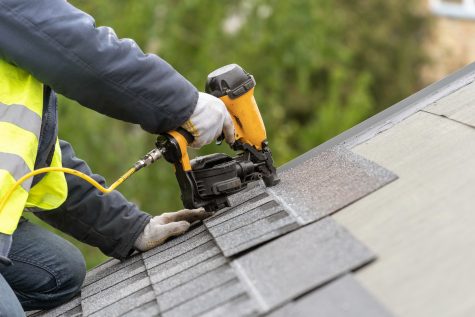
First off, check your shingles. Loose ones are a problem. They flap around in high winds and peel off like old stickers. Grab a ladder, climb up, and look for anything curling, cracked, or missing. If you spot trouble, don’t wait. Replace them. Use roofing cement to glue down the shaky ones. It’s cheap, quick, and beats losing half your roof in a storm. A buddy of mine ignored a few loose shingles once. Next hurricane, his attic turned into a swimming pool.
Next, think about your roof straps. These metal bands tie your roof to the walls. Older homes down here might not have them, or they’re rusted out. Hurricanes love picking up weak roofs and tossing them like frisbees. Get a pro to inspect yours. If they’re missing or shot, add some. It’s not a weekend DIY job, but it’s worth every penny when the wind starts screaming.
Gutters matter too. Clogged ones are a sneaky enemy. Water backs up, seeps under shingles, and rots everything. Before storm season, scoop out the leaves and gunk. Takes maybe an hour. Do it. I learned this the hard way when my overflowing gutters dumped water straight into my living room. Not fun. Oh, and while you’re at it, make sure they’re screwed tight to the house. Loose gutters flop around and bang up your roofline.
Now, let’s talk trees. Those big oaks and palms look great until a hurricane snaps a branch and sends it crashing through your roof. Trim them back. Keep limbs at least ten feet from the house. Hire someone if you’ve got tall ones, it’s safer. Last year, my neighbor’s untrimmed tree took out his skylight. Glass everywhere. What a mess.
Ventilation’s another biggie. Roof vents, like the turbine ones that spin, can turn into wind catchers. A strong gust rips them off, and suddenly you’ve got a hole letting rain pour in. Swap them for low-profile vents. They’re flatter, tougher, and don’t budge as easy. Costs a little more upfront, but beats patching a soggy ceiling later.
Ever thought about impact-resistant shingles? They’re built to take a beating from flying debris. Regular shingles crack when a branch or a random lawn chair slams into them. The impact ones shrug it off. They’re pricier, sure, but if you’re in a spot like Naples or Fort Myers where storms hit hard, they’re a game-changer. Plus, some insurance companies cut you a break on premiums if you’ve got them.
Metal roofs are worth a look too. They’re not just for barns anymore. Down here, folks are switching to them because they stand up to wind like champs. A good metal roof can handle 140-mile-per-hour gusts. That’s Category 4 territory. Installation’s not cheap, and it can be a bit noisier, but with the right underlayment or acoustic insulation panels it’s not too loud when it rains. More importantly, you’ll sleep better knowing your roof’s not going anywhere.
Don’t skip the flashing. That’s the metal strips around chimneys, vents, and skylights. If it’s loose or cracked, water sneaks in fast. Check it every year. Grab some caulk and seal any gaps you find. Takes ten minutes. I forgot to do this once, and a little leak turned into a big headache after a storm.
Here’s a hack most folks miss. Strap down your roof trusses. Inside your attic, those wooden beams hold everything together. Metal straps or clips can lock them to the frame of the house. It’s like giving your roof a seatbelt. San Carlos Roofing can knock this out in a day. Costs a few hundred bucks, but it’s a solid move for hurricane prep.
Windows get all the attention during storms, but your roof’s the real MVP. Board up the glass if you want, but a blown-off roof wrecks the whole house. Water, wind, mold, you name it. So, focus here first..
Let’s talk sealants. Roof leaks start small. A tiny gap lets water drip in, and before you know it, your insulation’s soaked. Hit the hardware store for some roofing sealant. Brush it over seams, nail heads, anywhere stuff might creep through. It dries fast and holds tight. I do this every spring, and it’s saved me more than once.
What about skylights? They’re cool until a hurricane turns them into a weak spot. Older ones shatter easy. If yours are ancient, replace them with impact-resistant versions. They’re thicker and can take a hit. If that’s not in the budget, at least tape them up with heavy-duty stuff before a storm. Better than nothing.
One last trick. Clear your yard. Lawn furniture, grills, kids’ toys, they all turn into missiles in 100-mile-per-hour winds. Anything that smacks your roof can punch a hole. Drag it inside or tie it down. My old patio chair once flew into the neighbor’s shingles. Oops. Lucky it didn’t hit mine.
Southwest Florida hurricanes don’t mess around. You’ve seen the news, roofs peeled back, homes gutted. But with some elbow grease and a few bucks, you can fight back. Start small. Check your shingles, clean those gutters, trim the trees. Then, if you’ve got the cash, go bigger, straps, metal roofing, the works. It’s not about outsmarting the storm. It’s about outlasting it.
Why Hurricane-Proofing Your Roof Pays Off
Let’s wrap this up with a little extra motivation. You’re not just nailing down shingles or slapping on roof straps for fun. There’s real payoff here, especially in Southwest Florida where storms hit hard and fast. Hurricane roof prep isn’t just about surviving the next big blow, it’s about saving cash, stress, and your sanity down the road.
Picture this. A storm’s brewing off the Gulf, and you’ve already got impact-resistant shingles locked in. While your neighbor’s scrambling to tarp a busted roof, you’re kicking back, knowing debris won’t turn your ceiling into Swiss cheese. Those shingles don’t just block branches, they cut repair bills. Insurance folks love them too. Some companies shave a chunk off your premium when you upgrade. That’s money back in your pocket every year, not just when the wind howls.
Then there’s the peace of mind. Roof straps and sealed flashing mean you’re not lying awake wondering if your roof’s about to peel off. Hurricanes are loud enough without that worry rattling around your head. A solid roof keeps the rain out, the mold away, and your home standing. No rushing to find a contractor in the chaos after a storm. You’ve already got it handled.
Oh, and resale value? Buyers down here know hurricanes are part of the deal. A house with a beefed-up roof, think metal roofing or strapped trusses, stands out. They’ll pay extra for a place that’s ready to ride out the season. It’s not just a fix; it’s an investment.
So, yeah, it takes some work. Maybe a little cash upfront. But hurricane roof prep, impact-resistant shingles, and roof straps aren’t just hacks, they’re your ticket to less hassle and more security. Next time the weather guy starts waving his arms about a Category 3, or worse, you’ll be the one smirking instead of sweating.
If you’re a homeowner in Naples, Florida, planning a roof replacement, knowing what it will cost locally can save you thousands—and help you avoid surprises. Roofing isn’t just about aesthetics or resale value; in a place like Naples, it’s about protection from the elements.
Located along Florida’s Gulf Coast, Naples experiences intense sun, heavy rainfall, and the looming threat of hurricanes. These unique weather patterns make roofing choices especially important—and costly if done wrong.
This guide by San Carlos Roofing breaks down the typical roof replacement costs in Naples, outlines what influences those prices, and gives you real numbers by material type. Whether you’re comparing shingles to tile or planning for a flat roof, we’ve got you covered.
Average Roof Replacement Costs in Naples
Replacing a roof in Naples varies significantly depending on the materials you choose and the size and shape of your home. Here’s what you can expect to pay per square foot and for a standard 2,000 sq. ft. roof:
Asphalt Shingles
Cost per sq. ft.: $4.75 – $7.75
Total cost (2,000 sq. ft.): $9,500 – $15,500
Asphalt shingles are the most common and cost-effective option in Naples. They offer decent protection but may have a shorter lifespan in Florida’s harsh coastal climate. If you’re on a tighter budget or planning to sell soon, this is a popular choice.
Architectural Shingles
Cost per sq. ft.: $5.25 – $7.75
Total cost (2,000 sq. ft.): $10,500 – $15,500
These are a more durable and visually appealing version of asphalt shingles. Architectural shingles can better withstand wind and UV exposure—both of which are important in Naples. They’re a solid middle-ground between affordability and longevity.
Metal Roofing
Cost per sq. ft.: $11.00 – $19.00
Total cost (2,000 sq. ft.): $22,000 – $38,000
Metal roofs are gaining popularity for their long lifespan and excellent resistance to wind, fire, and salt corrosion. While the upfront investment is higher, many Naples homeowners find the durability and energy efficiency worth the cost.
Tile Roofing (Concrete or Clay)
Cost per sq. ft.: $14.50 – $20.00
Total cost (2,000 sq. ft.): $29,000 – $40,000
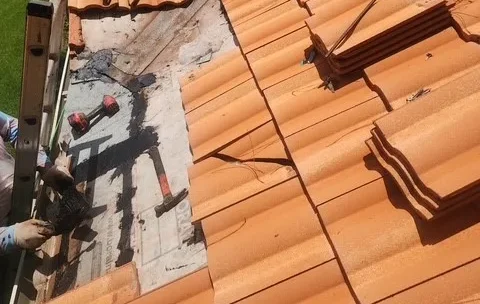
Tile roofs are a classic choice in Florida for both their appearance and durability. They can easily last 50+ years and hold up well against hurricanes. However, they’re heavier and more expensive, both in materials and installation labor.
Flat and Other Roof Types
Cost per sq. ft.: $8.00 – $12.00
Materials: Metal, PVC, or modified bitumen
Flat roofs are typically found on modern or commercial-style homes. While less expensive than tile or metal, they may require more frequent maintenance in Florida’s wet climate.
How Naples Compares to Florida’s Statewide Averages
The average cost to replace a roof in Florida is about $15,729, typically for a 1,700 sq. ft. roof. In Naples, where homes are often larger and materials must meet stricter hurricane codes, prices tend to be slightly higher.
Expect Naples roof replacements to range from $3.50 to $30.00 per square foot, depending on complexity and materials. That wide range reflects not just size and material but also things like labor costs, seasonal demand, and local building codes.
Factors That Affect Roof Replacement Costs
Roof replacement costs in Naples, Florida, can vary widely depending on a number of local and property-specific factors. Here’s a closer look at what goes into your final quote:
Roof Size and Design Complexity
The size of your roof is the most obvious cost factor—the larger the roof, the more materials and labor required. However, complexity plays a major role too. Roofs with steep pitches, multiple gables, skylights, chimneys, or dormers require extra labor and skill, which increases both time and price.
Roofing Material Selection
The type of material you choose significantly impacts your total cost. Asphalt shingles are the most affordable, while tile and metal options come with higher upfront costs but offer superior durability. Material choice also affects long-term maintenance needs and insurance discounts.
Labor and Installation Costs
Labor makes up 40% to 60% of your total roof replacement cost in Naples. Skilled labor is especially important in Florida due to strict building codes and hurricane safety requirements. Homes with challenging roof layouts or limited access points will drive labor costs even higher.
Hurricane Code Compliance and Wind Resistance
Because Naples lies in a high-velocity hurricane zone, all new roofs must meet Miami-Dade hurricane codes, which require resistance to wind speeds of 130–150 mph. Upgrading to storm-rated materials or using specific fastening methods can add $1,000–$3,500 to your project—but may also reduce future damage and insurance premiums.
Permit and Inspection Fees in Collier County
Every roof replacement in Naples requires permits and official inspections. Expect to pay $150–$400 in Collier County for these fees. Some contractors include permit handling in their pricing, while others list it as a separate line item.
Debris Removal and Cleanup
Tearing off your old roof means dealing with a large amount of waste. Plan for $500–$1,500 in debris disposal costs, especially if your old roof includes tile or other heavy materials. Be sure your contractor includes thorough cleanup in the quote.
Seasonal Pricing Trends
Roofing demand spikes during hurricane season (June through November), which can lead to higher prices and longer wait times. If possible, schedule your replacement in the dry season (winter or early spring) to save 5–10% and lock in better availability.
Roofing Material Lifespans in Naples’ Climate
Florida’s sun, salt air, and storms wear down roofs faster than in other parts of the country. Here’s how long you can expect different roofing materials to last in Naples:
Asphalt Shingles
Lifespan: 15–20 years Asphalt shingles are affordable but vulnerable to wind, algae, and UV exposure. Expect a shorter lifespan in Naples compared to more temperate climates—especially without regular maintenance or wind mitigation features.
Metal Roofs
Lifespan: 40–60 years Metal roofing holds up well against hurricane winds, salt air, and UV rays, making it a popular long-term choice in coastal Florida. It also reflects heat, improving energy efficiency in the hot summer months.
Concrete and Clay Tile Roofs
Lifespan: 50+ years Tile roofs are ideal for Naples’ climate. They resist heat, water, and pests, and are often the most storm-resistant option. Although heavy and more expensive to install, tile offers exceptional longevity and curb appeal in upscale neighborhoods.
Local Considerations That Impact Cost
Beyond the typical factors like materials and labor, living in Naples introduces a few additional elements that can influence your roof replacement cost.
Naples Cost of Living and Home Values
Naples has a cost of living approximately 11% above the national average, and that’s reflected in both contractor pricing and material costs. With median home values ranging from $575,000 to $623,000, roofing contractors in the area often work on higher-end homes, which may come with more complex designs and stricter aesthetic standards—both of which can drive up costs.
Florida insurance premiums can be steep, but Naples homeowners may qualify for wind mitigation discounts if their new roof meets certain standards. Upgrading to Miami-Dade-approved materials and installation methods can result in up to 40% savings on windstorm insurance. While these upgrades may add cost upfront, they often pay for themselves in the long term.
Available Financing or Assistance Programs (e.g., SHIP)
If the cost of a new roof feels out of reach, don’t overlook local resources. Collier County’s SHIP program offers up to $15,000 in assistance for qualifying low-income homeowners. In addition, many roofing contractors in Naples provide 0% financing for 12–24 months, making it easier to invest in a safe, durable roof without immediate financial strain.
Pro Tips for Naples Homeowners
Making a smart investment starts with smart decisions. Here are a few key tips for homeowners looking to replace their roof in Naples:
Don’t assume a contractor is licensed—verify it. In Florida, roofing contractors should hold either a Certified General Contractor (CGC) license or a Certified Roofing Contractor (CCC) license. You can confirm this information on the Florida DBPR website.
Focus on Durability and Long-Term Value
It’s tempting to go with the lowest bid, but the cheapest option often leads to costly repairs down the road. In a hurricane-prone area like Naples, investing in durable, storm-rated materials and proper installation is essential. Spending a little more upfront could save you from major losses in the future.
Summary Table of Roofing Costs
Here’s a quick snapshot of typical roof replacement costs in Naples, based on a 2,000 sq. ft. home:
Roofing Material
Cost per Sq. Ft.
Estimated Total Cost
Asphalt Shingles
$4.75 – $7.75
$9,500 – $15,500
Architectural Shingles
$5.25 – $7.75
$10,500 – $15,500
Metal Roofing
$11.00 – $19.00
$22,000 – $38,000
Tile Roofing (Clay/Concrete)
$14.50 – $20.00
$29,000 – $40,000
Flat Roofing (PVC/Bitumen)
$8.00 – $12.00
$16,000 – $24,000
Note: These prices are averages. Your actual cost may vary depending on your home’s design, chosen materials, timing of the job, and contractor rates.
Resources for More Information
If you’re planning a roof replacement in Naples, these trusted resources offer up-to-date cost breakdowns, helpful tools, and local contractor directories:
In Naples, Florida, the cost of replacing your roof typically ranges from $9,500 to over $40,000, depending on the size of your home, roofing material, and complexity of the job. Metal and tile roofs cost more upfront but offer better performance in the face of heat, humidity, and hurricanes.
Planning ahead is crucial. From understanding seasonal price changes to choosing materials that qualify for wind mitigation discounts, the decisions you make today will impact your home’s protection and resale value for decades.
The Bottom Line: Don’t just settle for the lowest bid. Work with a licensed Naples roofing contractor, explore your financing options, and invest in materials that will stand up to the Gulf Coast climate. For the most accurate estimate, schedule an on-site evaluation with San Carlos Roofing to get a quote tailored to your property.
Frequently Asked Questions About Naples Roofing
How much does it cost to replace a roof in Naples, Florida?
Roof replacement in Naples typically ranges from $9,500 to over $40,000 depending on the roofing material, home size, and complexity of the roof.
What is the most affordable roofing option in Naples?
Asphalt shingles are the most budget-friendly, costing between $4.75 and $7.75 per square foot for a standard 2,000 sq. ft. roof.
Do I need to meet hurricane code requirements when replacing my roof?
Yes. Naples roofs must comply with Miami-Dade hurricane codes, which can add $1,000–$3,500 to your roofing project but offer added protection and insurance savings.
Can I get insurance discounts with a new roof in Naples?
Absolutely. Using hurricane-rated materials may qualify you for wind mitigation credits, which can reduce insurance premiums by up to 40%.
When is the best time to replace a roof in Naples?
Roofing during the dry season (typically winter or early spring) may save you 5–10% compared to peak hurricane season prices.
Are there financing programs or assistance for roof replacement?
When your roof shows signs of wear and tear, you may wonder whether to repair or replace it. Both options have their benefits and drawbacks, and the right choice depends on several factors. San Carlos Roofing offers a guide to help you decide between roof repair and roof replacement.
Factors to Consider
Extent of Damage
Repair: If the damage is minor and localized, such as a few missing shingles or a small leak, repair is often sufficient. Quick fixes can address isolated issues without the need for a full replacement.
Replacement: Extensive damage, such as widespread shingle deterioration, structural issues, or significant water damage, may necessitate a full replacement to ensure the integrity of your roof.
Age of the Roof
Repair: For a relatively new roof (less than 10 years old), repairs are typically more cost-effective and can extend the roof’s lifespan.
Replacement: If your roof is nearing the end of its expected lifespan (18-20 years for asphalt shingles in SWFL), replacement may be the better option. Older roofs are more likely to have underlying issues that make repairs less effective. – When a shingle roof reaches 15 years old, the Florida legislature has allowed the insurance industry to require homeowners to get a new roof or risk losing their homeowner’s insurance. For tile and metal roofs, customers are required to either get a new roof at 15 years or find a roofing contractor who will evaluate the roofing system and deem it viable for at least another 5 years.
Cost Considerations
Repair: Repairs are generally less expensive upfront. They are ideal for addressing specific problems without the higher cost of a full roof replacement.
Replacement: While more expensive initially, a new roof can save you money in the long run by reducing the need for frequent repairs and improving energy efficiency.
Future Plans
Repair: If you plan to stay in your home for only a few more years, repairing the roof might be a practical choice to maintain its condition without the larger investment of a replacement.
Replacement: If you plan to stay in your home for many years or are looking to increase its resale value, a new roof can be a wise investment. It enhances curb appeal and provides peace of mind for future buyers.
Energy Efficiency
Repair: While repairs can fix immediate problems, they may not significantly improve your home’s energy efficiency.
Replacement: A new roof offers the opportunity to upgrade to more energy-efficient materials and better insulation, potentially reducing your heating and cooling costs.
Safety and Structural Integrity
Repair: Minor issues can be quickly fixed, ensuring your roof remains safe and functional.
Replacement: For roofs with structural problems or severe damage, replacement is often necessary to ensure the safety and structural integrity of your home.
Pros and Cons
Roof Repair
Pros:
Lower initial cost
Quick and less disruptive
Extends the life of the existing roof
Cons:
May not address underlying issues
Potential for frequent repairs if the roof is older
Limited improvement in energy efficiency
Roof Replacement
Pros:
Long-term solution with a new warranty
Enhances home value and curb appeal
Improves energy efficiency
Addresses all underlying issues
Cons:
Higher upfront cost
More time-consuming and disruptive
Larger financial investment
The choice between repairing or replacing a roof hinge on several factors: the severity of damage, the roof’s age, budget considerations, future intentions, and the current state of the roofing system. Repairs may suffice for minor, isolated problems, offering a swift and economical fix. Conversely, for an aged roof or one that has sustained significant damage, a replacement could be a more prudent option for the long haul. It’s advisable to engage San Carlos Roofing for a thorough evaluation of your roof’s condition to guide you in making the most suitable choice for your property.
Choosing the right material for a new construction roofing project is a critical decision that impacts a home’s aesthetics, energy efficiency, and longevity. San Carlos Roofing offers a comparison of popular roofing materials—each with its pros, cons, and suitability for different climates and architectural styles. San Carlos Roofing does not perform “overlays” for re-roofing projects as we believe it harms the integrity of the roofing system
Asphalt Shingles
Pros:
Affordability: One of the most cost-effective roofing materials.
Versatility: Available in various colors and styles to suit many architectural designs.
Ease of Installation: Simple and quick to install, reducing labor costs.
Durability: Can last 15-30 years with proper maintenance.
Cons:
Shorter Lifespan: Compared to materials like metal or slate, asphalt has a relatively shorter lifespan.
Weather Vulnerability: May not perform well in areas with extreme winds, hail, or rapid temperature changes.
Environmental Impact: Asphalt shingles are petroleum-based and are not easily recyclable.
Best For: Traditional and contemporary home styles in moderate climates without frequent extreme weather.
Metal Roofing
Pros:
Longevity: Can last 40-70 years with minimal maintenance.
Energy Efficiency: Reflects sunlight, reducing cooling costs in warm climates.
Durability: Resistant to fire, wind, and snow, making it ideal for harsh climates.
Sustainability: Made from recyclable materials and is 100% recyclable at the end of its life.
Cons:
Higher Initial Cost: Metal roofing is more expensive upfront than asphalt.
Noise: Can be noisy during rain or hail unless properly insulated.
Expansion and Contraction: Metal can expand and contract with temperature changes, potentially loosening fasteners over time.
Best For: Modern or industrial-style homes, especially in areas prone to high winds, heavy snow, or hot climates.
Clay Tiles
Pros:
Aesthetic Appeal: Offers a distinctive, timeless look, particularly for Mediterranean, Spanish, or Mission-style homes.
Durability: Resistant to fire, insects, and rot. Can last 50-100 years or more.
Weather Resistance: Performs well in hot climates and coastal areas due to its resistance to saltwater and UV exposure.
Energy Efficiency: Clay tiles provide natural ventilation, helping to cool a home.
Cons:
Heavy: Requires a strong roof structure to support the weight, which may increase construction costs.
Cost: High upfront cost compared to asphalt and metal.
Fragility: Can be brittle and may crack under heavy impact (e.g., falling branches or foot traffic).
Best For: Mediterranean, Spanish, or Mission-style homes in hot, dry climates or coastal areas.
Wood Shingles
Pros:
Natural Appearance: Provides a rustic, classic look that works well with traditional, cottage, or craftsman-style homes.
Eco-Friendly: Made from natural materials and can be recycled or repurposed.
Insulation: Offers better insulation compared to asphalt shingles, potentially reducing energy costs.
Cons:
Maintenance: Requires regular maintenance to prevent mold, rot, and insect infestations.
Fire Risk: More vulnerable to fire, though treated wood shingles are available.
Cost: More expensive than asphalt, though less than metal or slate.
Best For: Homes in moderate climates where a natural, rustic look is preferred.
Concrete Tiles
Pros:
Durability: Can last 50+ years with minimal maintenance.
Weather Resistance: Excellent in harsh climates, resistant to fire, wind, and hail.
Variety: Can mimic other materials like clay, wood, or slate at a lower cost.
Energy Efficiency: Provides good insulation and can help reduce energy bills.
Cons:
Heavy: Requires structural reinforcement, adding to overall construction costs.
Installation Cost: More expensive to install than asphalt shingles.
Aesthetic Limitations: Although versatile, concrete tiles may not match the elegance of natural slate or clay.
Best For: Homes in areas with extreme weather conditions where long-term durability is a priority.
Synthetic Roofing (Composite or Rubber)
Pros:
Lightweight: Easier to install and doesn’t require additional structural support.
Cost-Effective: Provides the look of more expensive materials (like slate or wood) at a lower price point.
Durability: Resistant to impact, UV rays, and harsh weather. Typically lasts 30-50 years.
Low Maintenance: Doesn’t require the same level of upkeep as natural materials.
Cons:
Aesthetic Limitations: While it can mimic natural materials, it may lack the authentic look and feel of true wood, slate, or clay.
Newer Material: Synthetic roofing doesn’t have the same long-term track record as more traditional materials.
Best For: Homes in regions with varying climates, offering a balance of durability and cost without sacrificing appearance.
Each roofing material offers distinct advantages and potential drawbacks, making the choice highly dependent on your budget, architectural style, and climate conditions. Whether prioritizing cost, durability, aesthetic appeal, or sustainability, there’s a roofing option suited for every new roofing construction project.
Choosing a reliable roofing contractor is crucial to ensure that your roof repair or replacement is done properly and efficiently. In the aftermath of Hurricane Ian illegal work was rampant resulting in millions of dollars lost. San Carlos Roofing, a Florida certified and fully insured contractor, offers are some key steps to help you find a trustworthy and competent roofing contractor:
Do Your Research and Get Referrals
Ask for Recommendations: Start by asking friends, family, and neighbors for recommendations. Personal experiences can provide valuable insights into the quality of work and customer service.
Online Reviews: Check online review platforms such as Google, Yelp, and Angie’s List. Look for contractors with consistently high ratings and positive feedback.
Local Listings: Utilize local directories and the Better Business Bureau (BBB) to find contractors in your area.
It’s Critical To Verify Credentials
Licensing: Ensure the contractor has the appropriate state or local licenses. This verifies that they meet the required standards and regulations.
Insurance: Confirm that the roofing contractor carries liability insurance and worker’s compensation insurance. This protects you from liability in case of accidents or damage during the project.
Certifications: Look for certifications from reputable roofing manufacturers. These indicate that the contractor has undergone specialized training and can offer better warranties.
Make Them Prove Experience and Expertise
Track Record: Choose a contractor with several years of experience in the roofing industry. Experienced contractors are more likely to provide quality work and handle unexpected issues effectively.
Specialization: Ensure the contractor specializes in the type of roofing you need, whether it’s asphalt shingles, metal roofing, tile, or flat roofs.
Demand Detailed Estimates
Multiple Quotes: Obtain written estimates from at least three contractors. Compare the scope of work, materials, labor costs, and timelines.
Breakdown of Costs: Ensure the estimates provide a detailed breakdown of costs, including materials, labor, and any additional fees. This helps you understand what you’re paying for and avoid hidden charges.
ALWAYS Check References
Past Projects: Ask the contractor for references from recent projects. Contact these references to inquire about their experience, the quality of work, and whether the project was completed on time and within budget.
Portfolio: Review the contractor’s portfolio or website for photos and details of previous work. This can give you an idea of their craftsmanship and style.
Evaluate Communication
Responsiveness: Pay attention to how quickly the contractor responds to your inquiries and provides information. Good communication is essential for a successful project.
Transparency: A reliable contractor should be willing to answer your questions, explain the process, and provide clear and honest information.
Review Contracts and Warranties
Written Contract: Ensure that all terms and conditions are clearly outlined in a written contract. This should include the scope of work, payment schedule, timelines, and warranty details.
Warranty: Ask about the warranties offered on both materials and labor. Reliable contractors typically provide substantial warranties, reflecting their confidence in their work and the materials they use.
Assess Safety Practices
Safety Protocols: Inquire about the contractor’s safety practices and protocols. A reliable contractor prioritizes the safety of their workers and your property.
Training: Ensure that the crew is well-trained and follows industry safety standards.
Avoid Red Flags
Upfront Payments: Be cautious of contractors who demand large upfront payments. Reputable contractors typically request a reasonable deposit, with the balance due upon project completion.
High-Pressure Sales: Avoid contractors who use high-pressure sales tactics or try to rush you into a decision.
Lack of Documentation: Steer clear of contractors who are unwilling to provide written estimates, licenses, insurance details, or references.
Choosing a reliable roofing contractor involves thorough research, careful evaluation of credentials and experience, and clear communication. By following these steps, you can ensure that you hire a trustworthy professional who will deliver quality work, protect your investment, and provide peace of mind throughout the roofing project.
When storm season arrives in Florida, your roof isn’t just another part of your home—it’s the primary barrier protecting everything underneath. Between hurricane, force winds, torrential rains, and airborne debris, a compromised roof can spell disaster. Without proper preparation, even minor vulnerabilities can result in massive structural damage and insurance headaches.
As the climate grows more volatile and storms intensify, roof storm readiness is no longer optional—it’s essential. This is especially true for homeowners in hurricane, prone regions where roofing standards must meet stricter codes and face more aggressive weather year after year.
This guide explores the crucial roof repair essentials you should evaluate before storm season hits, with a strong focus on metal roofing—widely regarded as one of the most storm, resilient systems available in Florida today.
Storm Season Is No Longer Predictable
Every year, Florida faces more frequent and severe tropical storms. Climate data shows a steady rise in Category 4 and 5 hurricanes, bringing sustained wind speeds over 130 mph, heavy rainfall, and intense storm surges. Your roof takes the first hit—and sometimes, the hardest.
The DECRA Roofing blog points out that most homeowners underestimate the small issues that can become catastrophic under storm pressure. A minor seam lift, rusted fastener, or degraded flashing might seem harmless today but could turn into a leak path or a point of failure when winds exceed 120 mph.
Metal Roofs: Florida’s Go, To for Hurricane Protection
Engineered to Withstand the Worst
More homeowners in coastal areas are switching to metal roofs—and it’s no surprise why. A properly installed metal roof, particularly one using stone, coated steel or standing seam panels, can withstand wind speeds of 140 to 160 mph, easily meeting and often exceeding Miami, Dade County building codes.
According to Allstate Exteriors, the interlocking structure of metal roofing adds strength and cohesion. This design prevents panels from lifting or buckling under wind pressure, one of the most common forms of storm, related damage with traditional shingles or tiles.
Longevity Meets Storm Resistance
Metal roofs also resist common issues like water absorption, mildew, and rot. They are non, combustible, energy, efficient, and lightweight—reducing the strain on your home’s frame while offering one of the longest lifespans in the industry.
For Florida homeowners serious about storm preparation, a metal roof isn’t just a smart investment—it’s a strategic one.
Pre, Storm Roof Inspection: What to Look For
Your roof can’t protect your home if it’s already vulnerable. Before storm season starts, you should conduct or schedule a thorough inspection to identify weak points.
Here’s a comprehensive checklist inspired by professional assessments like the one provided by Owens Corning.
Surface Condition
Look for visible signs of damage or deterioration. This includes cracked or loose panels, rust spots on metal surfaces, or signs of water pooling. Staining and discoloration may indicate slow leaks or underlayment saturation.
Fasteners and Connectors
Check all exposed hardware. Loose or missing fasteners are a red flag—especially on metal roofs where secure attachment is critical. If screws or bolts appear rusted or stripped, they need to be replaced immediately.
Flashing and Seals
The flashing around chimneys, vents, and skylights often goes unnoticed until it fails. Inspect these areas for gaps, corrosion, or dried, out sealant. Sealant degrades faster under UV exposure, especially in the Florida sun.
Underlayment Integrity
If possible, inspect the condition of your underlayment—the waterproof barrier between your roof panels and roof deck. Tears, mold, or soft spots are serious indicators of water intrusion and potential future leaks.
The Forgotten Element: Drainage Systems
While your roofing surface takes center stage, don’t forget about your gutters and downspouts. These systems prevent water from backing up and infiltrating your home at the roof’s edges or foundation.
According to Sunflo Roofing, poorly maintained gutters contribute significantly to water, related damage during hurricanes. Leaves, sediment, or improperly pitched troughs can stop water from draining efficiently, leading to backups at the roof’s weakest points.
Make sure all drainage channels are cleared and that fasteners are properly securing gutters to fascia boards. Also check for sagging or misalignment, both of which can cause overflow under heavy rain.
Roof Penetrations and Equipment: Weak Points You Can’t Ignore
Any object that breaks the continuity of your roof—vents, skylights, HVAC units—is a potential vulnerability. During a major storm, poorly sealed penetrations can allow wind, driven rain to enter your attic, cause insulation damage, and weaken your home’s structure.
Pay particular attention to:
Vent pipes and exhaust fans
Solar panel mounts or satellite dishes
Roof, mounted HVAC systems
Ensure all of these are securely mounted and sealed. Check that storm boots and flashing collars are snug and free from tears or rust.
Knowing When Repairs Aren’t Enough
Sometimes, patching problems isn’t the right move—especially if your roof is over 20 years old or has suffered multiple rounds of minor repairs. According to San Carlos Roofing, ongoing patchwork without addressing underlying issues often leads to more costly damage during the next storm.
If your roof shows signs of soft decking, systemic rust, or structural compromise, replacement may be the safer, more cost, effective option. Florida building code updates also mean older roofs may no longer meet current storm, resistance standards, putting your home (and your insurance policy) at risk.
How to Get a Professional Storm, Readiness Assessment
Not sure whether you need a minor repair, major reinforcement, or a full replacement? Many Florida, based contractors now offer storm, readiness audits. These inspections go beyond surface checks to evaluate the integrity of the decking, fasteners, flashing, and underlayment.
Ask for a written report, complete with photos and recommendations. This documentation can also support insurance claims if damage does occur after a storm.
Weak Spots That Fail First in a Florida Storm
When a major storm rolls through Florida, your roof becomes the frontline barrier between your home and disaster. While many homeowners believe their roofs are solid, even small vulnerabilities can turn into catastrophic failures under 120+ mph wind gusts or heavy, sustained rainfall.
This section uncovers the most common failure points that compromise storm protection—along with insights on how metal roofing and storm, smart design can help you stay protected.
Wind Uplift and Edge Vulnerabilities
Wind uplift is one of the most aggressive forces a storm can exert on your roof. It doesn’t just blow from the top—it infiltrates from underneath, especially at roof edges, eaves, and ridge caps. Traditional shingles are particularly prone to being lifted and torn away when wind gets beneath them.
That’s why modern roofing systems—especially stone, coated metal—feature interlocking panels, concealed fasteners, and hurricane, rated anchoring. According to Kelly Roofing, reinforcing the edges with additional fasteners and installing wind, resistant ridge caps can dramatically improve roof performance under pressure.
If your current roof lacks these design features, it may be time to consider a storm, resilient upgrade like a roof replacement through a contractor that specializes in Florida’s weather challenges.
Improper Flashing Installation: Small Detail, Big Risk
Flashing is a thin layer of metal installed around critical areas such as chimneys, skylights, vent pipes, and roof valleys. It’s designed to redirect water away from vulnerable joints—but if it’s improperly sealed, loosely fitted, or corroded, it creates an ideal pathway for leaks during a storm.
Metal roofs in particular rely heavily on effective flashing, as water can travel long distances beneath the panels before showing interior signs. High, quality flashing, paired with fresh sealant and professional installation, is one of the easiest ways to prevent structural water damage.
If you’re unsure about your roof’s flashing integrity, consider reaching out for emergency roof repair before the storm season ramps up.
Aging Roof Systems and Worn Materials
Age is one of the most telling factors in a roof’s ability to withstand a storm. Asphalt shingles generally begin to degrade after 15–20 years, while tile systems suffer from broken or dislodged pieces over time. Once those outer layers weaken, water infiltration becomes inevitable.
In contrast, metal roofing systems are engineered for longevity. Stone, coated and standing seam panels can last 40 to 70 years with proper maintenance—outperforming other materials in both impact and wind resistance.
If your current roofing system is showing signs of wear, or if you’ve had to patch it more than once in recent years, it’s worth scheduling a full roof inspection and repair before hurricane season begins.
Drainage Systems: The Overlooked Factor
Many homeowners forget that an otherwise solid roof can still fail if water doesn’t have a way to escape. Poorly maintained gutters, clogged downspouts, or misaligned valleys can cause water to pool and back up into seams, underlayment, or even into the attic structure.
According to Sunflo Roofing, ensuring clear, well, anchored gutters and properly pitched downspouts is critical to keeping the edges of your roof—and the foundation of your home—protected during heavy storms.
As part of your storm readiness checklist, be sure to clean and test your entire drainage system. For properties with larger roof spans or metal systems that shed water quickly, oversized gutters may also be worth considering.
Roof Penetrations: HVAC Units, Vents, and More
Any object that disrupts the flow of your roof—be it a vent pipe, HVAC unit, satellite dish, or solar mounting bracket—is a potential failure point. If the penetrations aren’t tightly sealed or reinforced, wind, driven rain can find its way in fast.
Inspect each of the following before storm season:
Ridge vents and attic ventilation caps
Plumbing stacks and vent boots
Satellite or antenna mounting points
Rooftop AC units or solar arrays
Use a licensed contractor to ensure penetrations are flashed and sealed properly, and don’t rely on caulk alone—it breaks down quickly under UV exposure. If your home includes rooftop equipment from a prior build, it may require reinforcement through a new construction roofing specialist.
Material Breakdown: Which Roof Types Hold Up Best?
Asphalt Shingles
Lifespan: 15–25 years in Florida.
Storm Resistance: Low. Vulnerable to wind uplift, curling, and tearing.
Ideal For: Short, term budgets, mild storm zones.
Concrete or Clay Tile
Lifespan: 30–50 years.
Storm Resistance: Moderate. Heavy and impact, resistant, but prone to breakage under debris or misaligned installation.
Ideal For: Aesthetic builds in less storm, prone areas.
Metal Roofing
Lifespan: 40–70 years.
Storm Resistance: High. Tested against wind speeds of 140–160 mph. Interlocking seams and corrosion, resistant coatings enhance long, term durability.
Ideal For: Hurricane zones and homeowners seeking a lifetime roofing system.
If you’re weighing a roof replacement or considering upgrading your current materials, metal consistently proves to be the most storm, resilient and cost, effective over time.
Documentation and Insurance Readiness
Before a storm hits, documentation is your best line of defense with your insurance provider. Start with:
A full set of roof photographs, including close, ups of flashing, penetrations, and any prior repairs.
A written inspection report from a licensed contractor.
Copies of your roofing warranty and maintenance receipts.
Having this information on file helps streamline claims processing and avoids disputes about preexisting conditions. If your roof hasn’t been documented recently, now is the time to schedule it.
Avoiding Post, Storm Scams
After a storm, roofing scams spike. Many homeowners are approached by “contractors” offering fast repairs or free inspections—only to find that these services are incomplete, overpriced, or worse, never delivered.
Here’s how to spot the red flags:
No proof of license or insurance
High, pressure sales tactics
Out, of, state phone numbers or plates
Demanding payment upfront before work begins
Stick with reputable, Florida, based professionals like San Carlos Roofing who have experience with local code compliance, permitting, and storm restoration. Local roofers not only understand the weather patterns—they’re accountable for the quality of their work after the storm passes.
After the Storm—Response, Repairs, and Long, Term Protection
Even the most storm, ready roof can take a hit when a powerful system rolls through Florida. What matters next is how quickly—and how wisely—you respond. This final section breaks down what to do immediately after a storm, how to assess damage safely, and the long, term maintenance strategies that can make all the difference before the next season arrives.
What To Do Immediately After a Storm
Stay Safe Before You Inspect
The first step after a hurricane or tropical storm passes is safety. Downed power lines, unstable debris, or hidden structural damage can make it risky to rush outside. Wait until emergency services give the all, clear before attempting to inspect your property.
Once it’s safe:
Walk the perimeter of your home with a camera or smartphone.
Look for displaced panels, downed gutters, or debris on your roof.
Use binoculars to check for damage from ground level.
Do not climb onto your roof unless you’re a trained professional.
If you suspect a major issue—like torn flashing, lifted metal seams, or punctures from flying debris—contact your roofer for a formal inspection and emergency repair as soon as possible. San Carlos Roofing offers trusted, professional roof repair services tailored for post, storm response in Florida communities.
Inspecting the Interior for Hidden Damage
Sometimes, the signs of roof damage aren’t obvious from the outside. Be sure to inspect inside your home for indicators like:
Ceiling stains or water spots
Moldy smells or sudden humidity increases in the attic
Bubbling paint or warped drywall
These are signs that moisture has made its way past the roofing system and into your home. Don’t delay—moisture problems escalate quickly and can lead to extensive interior damage and costly mold remediation.
Filing Your Insurance Claim the Right Way
Timing is crucial when filing a storm damage claim. Florida insurers are fielding thousands of calls after major storms, and delays in your paperwork can mean longer wait times—or denied coverage.
Here’s how to streamline your claim:
Document everything. Submit photos of the damage, pre, storm photos (if available), and any repair invoices or inspection reports.
Schedule a professional inspection. A contractor’s assessment carries weight with insurance adjusters and helps validate your claim.
Don’t sign over control. Some storm, chasing contractors may pressure you into signing an “Assignment of Benefits” (AOB). This gives them control of the claim process and may result in inflated costs or disputes.
Choose a reputable, licensed contractor like San Carlos Roofing to handle inspections and documentation. Local contractors understand Florida’s unique insurance regulations and are invested in long, term relationships with their clients—not quick cash.
Routine Roof Maintenance: Your Best Long, Term Strategy
Think of roof maintenance like a tune, up for your car. It may not seem urgent until something goes wrong—but by then, the costs can be steep.
Scheduling annual or semi, annual inspections is one of the most effective ways to:
Catch minor issues before they become expensive repairs
Extend the lifespan of your roofing system
Ensure compliance with warranty and insurance requirements
Maintain energy efficiency and interior comfort
At minimum, every Florida homeowner should:
Clear gutters and downspouts at least twice per year
Check flashing and sealants for wear
Inspect fasteners and anchors, especially after storms
Verify that all rooftop equipment is securely attached
If you’re installing a new system or renovating a storm, damaged property, prioritize working with a contractor experienced in new construction roofing. Proper installation is the foundation of a storm, ready roof.
Post, Storm Roof Replacement: When Repairs Aren’t Enough
Sometimes the damage is too widespread for simple patching or minor reinforcement. If your roof is more than 20 years old, or if you’ve had multiple repairs in the past five years, replacement may be the safer and more cost, effective choice.
Common signs that indicate replacement is necessary:
Major structural damage or compromised decking
Multiple leaks throughout different parts of the home
Roof no longer meets current Florida building codes
Significant damage to underlayment or fastener systems
A full roof replacement with hurricane, rated materials, like metal or stone, coated steel, ensures your home is protected by a modern system built to withstand Florida’s most extreme conditions. It also adds long, term resale value and peace of mind during future storm seasons.
Storm, Ready Roofing: Key Takeaways for Florida Homeowners
Let’s recap the most critical essentials for preparing your roof before the next storm:
✔ Schedule a professional inspection before hurricane season
An expert can identify potential weaknesses before they become expensive failures.
✔ Address flashing, fasteners, and drainage systems
Small fixes can prevent major damage when winds and rain intensify.
✔ Upgrade materials where needed
Metal roofing continues to outperform all others for storm resistance and longevity.
✔ Keep documentation and photos on hand
Having proof of your roof’s pre, storm condition helps insurance claims go smoothly.
✔ Work with local experts
Companies like San Carlos Roofing bring localized knowledge, Florida code compliance, and dependable service to every job.
Your Roof Is Only Storm, Ready If You Are
Florida’s weather is as beautiful as it is unpredictable. A bright morning can turn into a full, blown hurricane warning by nightfall. That’s why taking proactive steps to prepare your roof isn’t just a smart idea—it’s essential for protecting your home, your family, and your investment.
Don’t wait for storm clouds to gather. Schedule your inspection, address those repairs, and if it’s time, invest in a roofing system designed to go the distance. Because when the next storm comes—and it will—you’ll want to know with absolute certainty: your roof is ready.
Why your roof is the true thermostat of a Florida home
When summer sticks to the windows and the AC never seems to rest, most homeowners point to their equipment first. The quiet truth is that your roof is the largest sun facing surface on the property and it governs how much heat enters your living space hour by hour. A modern energy efficient roof reflects more of the sun, releases stored heat faster, and works with proper ventilation and insulation to lower indoor temperatures. That combination eases the strain on your cooling system and trims utility bills in a way you can feel after the very first hot spell.
The Florida heat problem in plain language
Florida homes live under extreme solar exposure for most of the year. Roof surfaces can run far hotter than the air around them at midday. When that heat conducts into the attic, the temperature under the deck soars and your AC has to fight a constant uphill battle. Upgrading to a new roof designed for reflectivity and smarter heat flow interrupts that chain reaction. Less heat enters the attic, attic temperatures drop, ducts operate in a cooler zone, and conditioned air stays comfortable longer. The result is fewer runtime hours and fewer emergency calls when the humidity spikes.
What counts as an energy efficient roof in Florida
Energy efficiency is not one single feature. It is a set of roof choices that work together.
Solar reflectance and thermal emittance
Solar reflectance measures how much sunlight the roof sends back into the sky. Thermal emittance describes how quickly the roof releases any heat it does absorb. The combined measure that blends both ideas is the Solar Reflectance Index, often called SRI. You will see SRI on many product data sheets. Higher SRI values indicate better performance under the sun. For an easy overview of SRI and product ratings, consult the Cool Roof Rating Council which maintains independent resources homeowners can trust.
The Florida research backbone
If you prefer data born in our climate, the Florida Solar Energy Center publishes studies and guidance that show how reflective roofing reduces cooling demand and improves comfort under peak sun. Their work highlights how color, coatings, and assembly choices alter attic temperatures and indoor comfort. The short version is simple. Florida homes benefit from roofs that reflect more and retain less.
Fast benefits you notice on day one
A new roof that is properly specified and installed delivers benefits immediately.
Calmer attic temperatures
With a reflective surface and better underlayment, the attic runs cooler by design. Lower attic temperatures translate to lower ceiling temperatures in the rooms below. Less heat sees the living room and the bedrooms stay steady through the late afternoon.
A lighter workload for your AC
When the roof cuts heat gain, your air conditioner cycles less frequently. That saves electricity and slows mechanical wear. Filters last longer and you reduce the odds of a surprise service call during a heat wave. The comfort difference feels small at first, then you realize your thermostat is not constantly drifting up between cycles. That is the roof doing quiet work.
More even comfort from room to room
Hot spots and stuffy second floors often trace back to a roof system that soaks up sun and radiates heat inward. A modern system reduces those gradients. Bedrooms that used to lag finally keep pace with the rest of the home.
Materials that move the needle for Florida
You do not have to chase a fad. Proven materials paired with the right coatings and assembly details will deliver practical savings.
Reflective asphalt shingles that fit common budgets
Today’s reflective shingle lines use specialized granules that bounce more of the sun away. They look like traditional shingles yet behave more like a cool roof. Many Florida homeowners start here because the upgrade stays within a familiar budget while still adding measurable relief in summer. For a current snapshot of what homeowners are choosing, see these 2025 roofing trends for Florida which note the rise of solar reflective options and the shift toward lighter colors that keep attics cooler.
Modern metal roofs that pair style with performance
Metal panels and metal shingles with high reflectance coatings can deliver outstanding cooling performance in our sun heavy climate. The panels shed heat quickly after sunset and many systems integrate above sheathing ventilation or thermal breaks that reduce heat transfer into the attic. The visual is clean and coastal. The performance is real and repeatable.
Tile roofs that partner with airflow
Concrete and clay tiles naturally create small air channels that allow heat to dissipate before it reaches the deck. Add a high reflectance finish and the effect strengthens. As a result, tile roofs can deliver steady comfort in both inland and coastal neighborhoods. Homeowners comparing choices often ask about real savings. Reports in Florida markets show cooling cost reductions in the range of ten to thirty percent during peak months when reflective materials and assemblies are used. For a Florida specific explainer on how that plays out, review this walk through on whether a new roof can lower energy bills in Florida.
The building science behind the savings
Let us tie the ideas together so the physics remains clear.
Less solar gain equals lower attic load
A high SRI surface reflects a larger slice of the sun’s energy, which means less heat ever reaches the deck. With less energy arriving, the attic air warms more slowly and to a lower peak. That reduces the temperature difference between the attic and your conditioned rooms, so less heat tries to flow downward.
Cooler ducts deliver cooler air
Many Florida homes have ducts in the attic. When attic air is cooler, ducts lose less energy and supply air arrives closer to the temperature you set. That improves comfort without touching the thermostat.
Ventilation and insulation work better with a cool surface
Ridge vents, soffit vents, and balanced airflow can only remove so much heat. Give them a roof that does not absorb as much in the first place and you amplify their effect. The same goes for insulation. It slows heat flow, but the benefit multiplies when the attic is not a heat reservoir. If you enjoy industry guidance, the U.S. Green Building Council offers resources that explain how cool roofs and proper insulation create stable indoor comfort in hot climates.
Replacement versus repair when energy is the goal
Repairs are worthwhile when the roof is structurally sound and relatively young. If your shingles are curling or your tile underlayment has aged out, a patch may stop a drip but it rarely improves energy performance for long. When the assembly itself is the issue, a full system upgrade is the straight line to lower bills.
When a full system replacement makes sense
If the roof is near the end of its service life, if leaks keep returning, or if ventilation and underlayment are outdated, a replacement lets you start fresh with the right reflective surface, a breathable or high performance underlayment, sealed penetrations, and balanced airflow from soffit to ridge. That is how you stack benefits and protect them for the long haul.
Why the installer matters more than the brochure
Two homes can use the same product and end up with different results. The difference is craftsmanship and system thinking. Flashings that are properly seated, fasteners that meet code, ridge ventilation that is balanced with soffit intake, and underlayment choices that match the climate all shape energy outcomes. If you want a partner who treats energy performance as a system and not a slogan, explore local expertise in roof replacement and ask about reflectivity ratings, attic ventilation plans, and the expected effect on cooling loads.
Real world expectations for Florida homeowners
The best part of an energy focused roof upgrade is that benefits stack. Expect steadier indoor temperatures in late afternoon. Expect the AC to cycle less often on similar weather days. Expect fewer hot spots in rooms facing west. And expect seasonal bills that trend lower year over year. Some savings arrive immediately while others build as you dial in attic ventilation and insulation after the new roof goes on.
A Florida first roadmap for your upgrade
To aim for measurable savings and long term comfort, use a simple plan.
Step one
Choose a reflective roof surface with a published SRI that fits your design goals. Lighter colors are your friend in this climate.
Step two
Pair the surface with a quality underlayment that resists heat and supports smooth airflow under the deck.
Step three
Balance ventilation from soffit to ridge so hot air escapes as fast as it builds. Even a small mismatch can blunt the overall effect.
Step four
Check ducts and insulation once the new roof is in place. A cooler attic makes duct sealing and top up insulation even more cost effective.
Florida centric insights from trusted sources
Homeowners do not have to guess. Florida contractors and industry groups are documenting results and sharing them widely. For practical perspectives born in our market, you can scan these insights on 2025 roofing trends for Florida and this Florida specific guide to whether a new roof can lower energy bills in Florida. For independent definitions and rating methods, the Cool Roof Rating Council remains a reliable source, and Florida based research from the Florida Solar Energy Center adds the local proof that many owners want to see. Little side note. If any page loads slowly, try it again since some sites throttle during peak hours.
What this means for resale and long term value
Energy savings are the headline, but comfort sells homes and a tight roof protects everything beneath it. Buyers in coastal and inland neighborhoods alike pay attention to roofs that promise lower bills and longer service life. With the right product and a quality install, you are improving curb appeal, day to day comfort, and the math that buyers use when they compare similar homes on the same street.
Choosing the right roof system for Florida microclimates
The quick decision map you can use today
Start with the heat. Then confirm wind exposure. Then match the material to your style and budget while keeping an eye on reflectivity and airflow. That simple sequence keeps you from chasing cosmetic upgrades that do not move your energy bills in a meaningful way.
Identify your sun profile. Wide open lots and west facing elevations need higher reflectance and faster heat release.
Confirm wind and salt exposure. Coastal homes benefit from corrosion resistant metals or tile systems that breathe naturally while meeting uplift requirements.
Choose a surface with a documented solar reflectance and emittance. Lighter colors generally perform better in Florida sun.
Complete the assembly with balanced ventilation and an underlayment that supports cooler attic temperatures.
Lock in maintenance habits that keep performance high through year three and year ten.
Material by material, what actually reduces cooling load
Reflective asphalt shingles that fit common neighborhoods
Modern reflective shingles look familiar yet use granules engineered to bounce a larger share of sunlight away from the deck. When paired with proper ventilation, they can knock down attic temperatures during the most punishing hours of the day. For a homeowner friendly explainer on how energy focused roofs keep interiors cooler and cut runtime hours, scan this note on how a new roof in Florida can keep your home cool. These shingles slot into many HOA palettes and hit a sweet spot on cost, comfort, and curb appeal.
High reflectance metal roofs with cool coatings
Metal reflects strongly and sheds heat quickly in the evening. When coated with high performance finishes and installed with a thermal break or above sheathing ventilation, metal panels resist daytime heat gain and calm attic peaks that punish your ducts. A concise walk through of energy efficient surfaces, including metal and tile, is available in this guide to energy efficient roofing materials. Beyond reflectance, metal’s tight seams and long panel spans limit air leakage at the roof plane which supports steady indoor temperatures.
Clay and concrete tile that leverage airflow
Clay and concrete tile create small air channels between the tile and the deck. That built in ventilation lets heat escape before it loads the attic. Pair that with a reflective finish and you get a very Florida friendly combo that stabilizes indoor comfort during late afternoon. Tile weighs more than other options, so make sure your framing and fastening schedules are designed for it. Properly built tile systems often deliver a longer service life, which means more years of energy savings with less material turnover.
If you want a longer read on the building science of ventilation and heat flow behind these color decisions, the American Society of Heating, Refrigerating, and Air Conditioning Engineers offers technical resources that explain why cooler surfaces and balanced attic airflow reduce cooling demand in hot climates.
The assembly details that compound savings
Underlayment that supports a cooler attic
Quality synthetic underlayments resist heat and provide a smoother path for moisture to exit where ventilation is balanced. Some assemblies add a radiant barrier or an air space that interrupts heat transfer into the attic. A clear homeowner overview of these choices appears in this Florida focused note on energy efficient roofing solutions.
Balanced ventilation from soffit to ridge
Ventilation is not decoration. Intake at the soffit must match exhaust at the ridge so hot attic air is continuously replaced with outdoor air. That steady exchange limits attic peaks, which keeps ducts in a friendlier environment and reduces the temperature difference that drives heat into rooms below. For Florida specific building and comfort guidance, the University of Florida IFAS Extension publishes accessible resources on home energy strategies that play nicely with our humidity and sun.
Tight flashings and sealed penetrations
Air leakage at the roof plane makes your attic act like a solar powered bellows. Tighter flashings and carefully sealed penetrations stop that invisible push pull. The result is fewer hot spots and less dust drawn into the building envelope. It sounds small and yet it shows up on the thermostat as steadier numbers in late afternoon.
Coastal versus inland. Pick what your lot demands
Coastal neighborhoods
Salt air and gusty storms ask for corrosion resistance and robust fastening schedules. Metal with proven finishes and well detailed edges shines here. Tile also earns its keep because it encourages heat to escape while meeting uplift requirements when properly secured. Avoid dark colors that soak up heat. Lighter palettes look sharp against coastal light and usually perform better.
Inland neighborhoods
Urban heat island effects raise nighttime temperatures, so evening heat release matters. Reflective shingles with balanced ventilation are often the most budget friendly path. Metal and tile provide another level of performance where budgets and neighborhood style allow. If trees shade portions of the roof, keep maintenance steady because leaves and pollen films can dull reflectance over time. A simple seasonal rinse helps energy performance more than people expect.
Budget to performance pathways that work in practice
You do not need a blank check to get measurable results. Use one of these pathways to tune energy performance to your budget.
Value first. Reflective shingles in a light color with verified reflectance. Add ridge and soffit ventilation that is sized for your attic.
Mid tier. Cool coated metal with a thermal break or above sheathing ventilation. Upgrade underlayment to a high temperature synthetic and seal all penetrations to stop air leakage.
Long horizon premium. Tile with a reflective finish or high end metal. Integrate a vented assembly and optimize attic insulation once the new roof is on.
Roof upgrades do their best work when the attic is ready to cooperate. A few layout notes can prevent energy performance from going sideways.
Keep insulation continuous across the attic floor. Gaps around recessed lights and access hatches can short circuit comfort.
Avoid blocking soffit vents with insulation batts. Airflow from soffit to ridge should be clear.
If you have ducts in the attic, seal them and insulate to current best practices. Cooler attic air reduces duct losses, which makes every room feel more even.
Confirm bath and kitchen fans are ducted outdoors. They should not terminate in the attic where moisture and heat would linger.
Where repair fits into an energy plan
A well targeted repair can preserve your gains. Small leaks, cracked flashings, or loose ridge components can pull hot air and humidity into the attic and undo the work your reflective surface is trying to accomplish. If you notice stains near vents, peeling sealant, or unusual dust patterns in the attic, schedule prompt roof repair services. Small fixes keep the energy story on track and extend the life of the system.
What savings look like in the real world
Florida contractors who track results consistently report lower summer cooling demand after energy minded roof replacements. Homeowners see fewer AC cycles on similar weather days, steadier room temperatures in late afternoon, and seasonal bills that ease off as the new roof and ventilation settle in. Several contractor summaries, including this one that references research and ENERGY STAR data, note that energy efficient roof systems can yield meaningful annual savings when heat absorption and attic peaks are brought under control. For a digestible summary, skim this explanation of the benefits of a new roof installation.
Incentives and the finance side of energy upgrades
Tax policy changes from time to time, but Florida homeowners often find credits or tax strategies that improve the payback on an energy focused roof upgrade. If you are exploring the numbers with your accountant, this plain language brief on how Florida homeowners can maximize tax savings on roof replacements gives a helpful starting point. It is not a substitute for advice, yet it clarifies what to ask. Little thing I sometimes forget when skimming these resources. Confirm dates, since incentives carry specific time windows.
Maintenance that protects reflectance and airflow
Once your new roof is on, a light touch keeps it performing.
Seasonal rinse where dust and pollen settle. Dirt films reduce reflectance and invite algae.
Trim overhanging limbs so leaves do not clog valleys or shade key areas.
Confirm soffit and ridge vents remain clear after storms. Bird screens and attic baffles should be intact so airflow stays balanced.
Replace any sun baked sealant at flashings before the rainy season. It is faster and cheaper to reseal than to chase a leak later.
Keep a simple log. Dates of cleanings, small repairs, and inspections help you see patterns and address them before they grow. I know, easy to forget, but that tiny log pays you back.
Putting it all together without overthinking it
Pick a reflective surface that suits your neighborhood and sun profile. Build a vented assembly that lets your attic breathe. Seal the small gaps that let heat and dusty attic air wander into living spaces. Keep the surface clean so it reflects like new. When you do those steps in order, your roof becomes a quiet partner in comfort rather than a heat source you have to fight every afternoon.
Real world payoffs, case snapshots, and your step-by-step roadmap
Case snapshots from Florida neighborhoods
Every home is a little different, yet the pattern repeats. Cooler roof surface, calmer attic, steadier rooms, friendlier electric bills. These brief snapshots mirror the outcomes thousands of Florida owners report when they upgrade with energy in mind.
Coastal bungalow near Bonita Springs
A single story bungalow three blocks from the bay swapped an aging dark shingle for a light colored cool coated metal profile. The crew added a high temperature underlayment and balanced soffit to ridge ventilation. By midsummer the owners noticed later afternoon rooms holding temp without a manual nudge to the thermostat. Their utility log showed the AC cycled fewer times on near identical weather days. The quieter evenings surprised them most since the attic did not radiate heat into bedrooms after sunset.
Inland two story in Lehigh Acres
A family home with ducts in the attic moved to a reflective architectural shingle and added continuous intake at the eaves. They also sealed a handful of leaky duct connections while the attic was easy to access. The result was smoother supply air temps and less temperature drift between floors. Bills did not plummet overnight, yet they trended down through the first full cooling season, which is exactly how an energy minded roof should perform.
Low slope addition in Fort Myers
A rear addition with a low slope roof traded an aging surface for a white membrane with fresh insulation. The change was immediately visible on infrared scans and felt in the kitchen below. Cook time no longer spiked the thermostat. The owner called it the most boring kind of comfort because nothing felt dramatic, it just felt steady.
Simple payback math you can check over coffee
You do not need a spreadsheet to get a feel for payback. A few numbers and honest assumptions are enough. The goal is not to chase a perfect forecast. The goal is to test whether your upgrade path makes sense for your home and budget.
Scenario A. Reflective shingle upgrade
Assume an owner chooses a reflective shingle in a light color instead of a standard darker option. The incremental cost for the cooler shingle and ventilation tweaks is two thousand five hundred dollars. Annual electricity cost is two thousand four hundred dollars. Assume fifty five percent relates to cooling which is one thousand three hundred twenty dollars. If the roof cuts cooling use by twelve percent, annual savings are one hundred fifty eight dollars and forty cents since 0.12 times 1320 equals 158.4. Divide the upgrade cost by the savings and the simple payback is about sixteen years since 2500 divided by 158.4 is 15.79. Not a moonshot, yet remember the system also eases AC wear and improves comfort that you feel daily.
Scenario B. Cool coated metal with an attic thermal break
Assume the premium to move from a mid grade shingle to a cool coated metal panel with a thermal break is eight thousand dollars. Annual electricity cost is three thousand dollars. Assume sixty percent relates to cooling which is one thousand eight hundred dollars. If the roof trims cooling by twenty percent, that is three hundred sixty dollars per year. Some owners also earn modest insurance credits for improved roof assemblies and wind measures. If that nets two hundred dollars a year, combined benefit is five hundred sixty dollars. Eight thousand divided by five hundred sixty is a simple payback of about fourteen years. Stretch the roof life horizon and that math looks better every year the system keeps going.
What moves payback in your favor
A few levers have an outsized effect on payback.
Higher cooling share of your bill amplifies savings from a cool surface.
Ducts in the attic gain more when the attic runs cooler.
Insurance credits and solid resale comps shorten the effective payback.
Choosing light colors with tested reflectance and maintaining a clean surface preserve gains year over year.
Quick note on arithmetic. Energy prices and weather vary by season, so your payback window is an estimate. The point is to check the direction and scale, not to predict the penny. If the math feels tight, talk with your installer about small assembly tweaks that stack extra savings, then re run the numbers. It sounds basic, but this tiny loop is worth the minute it takes.
A homeowner friendly installation checklist
This is the field tested sequence that keeps energy goals on track from first call to final inspection. You can copy it straight into your project notebook.
Pre design walk
Invite your contractor to inspect the attic, measure current ventilation, and map duct paths. Ask for photos of soffit intake and ridge exhaust, and a short note on how the new assembly will keep attic peaks lower than they are now.
Code and permitting review
Florida roofs live under specific structural and wind rules. Confirm permit path and required fastening schedules up front. For code context and education, you can browse the Florida Building Commission’s portal and the International Code Council which publishes the model codes many localities adopt or adapt.
Product and color selection with performance in view
Pick products that publish tested reflectance and weathered performance. Resist the urge to choose by color chip alone. For technical selection guidance from independent building envelope professionals, the International Institute of Building Enclosure Consultants is a trusted resource.
Tear off and deck preparation
Once the old surface is removed, crews should check sheathing, re nail to schedule where needed, and plan penetrations so air sealing can be tight. In hurricane country this is also the moment to consider a sealed roof deck, a measure supported by the Insurance Institute for Business and Home Safety for storm resistance and water entry control.
Underlayment and thermal control strategy
Choose a high temperature synthetic underlayment that resists Florida sun during install days and supports a cooler attic over the long run. If your assembly allows, a ventilation space or radiant barrier can be introduced above the deck to interrupt heat flow before it reaches the attic.
Balanced ventilation from soffit to ridge
Intake without exhaust or exhaust without intake both miss the mark. The system should show numbers for net free vent area that satisfy manufacturer and code guidance. For general ventilation literacy the Home Ventilating Institute offers accessible resources that help you visualize balanced airflow.
Flashings, edges, and penetrations
Ask your crew to photograph step flashings, counter flashings, and all pipe penetrations before they are covered. Clean geometry here pays you back in airtightness that supports energy goals.
Final inspection and homeowner walk
Confirm fastener patterns, ridge components, and attic baffles are correct. Request a brief attic temperature log during the first hot week after completion. Anyone can place a simple thermometer and snap a few photos each afternoon. You will like what you see.
Post install tune and care
Schedule a seasonal rinse where pollen and dust collect. Trim limbs that shade key surfaces. Recheck screens at soffit and ridge every spring. Steady small care preserves reflectance and airflow which is where the energy story lives.
Choosing the right material for your block and budget
If you want a compact scan of materials that align with Florida’s climate and styles, these plain language rundowns help frame the conversation before your estimate meeting. A New Year resolution themed guide from a regional contractor explains why many owners time their upgrade to align with comfort and cost goals, see this note on starting the year with a new energy minded roof. For material specific context on Clay, Concrete, and Metal in current palettes, these roundups are helpful starting points from Modern Metal Roofing, Florida Roofing and Gutters, and a clean primer on common roof types from Fox Haven Roof.
Cost factors to keep in view
Energy performance is a reason to upgrade, yet cost lines still matter. Two owner facing explainers break down the moving parts so there are fewer surprises. For a dollars and cents look at Florida roof budgets, browse this guide to roof replacement costs in Florida. For metal specifically, see a clear rundown of the factors that shape metal roof cost in Florida. Costs vary by roof geometry, access, and fastening schedules, so use any table as a conversation starter rather than a binding quote.
Comfort compounding with credible energy habits
A cool roof makes every other energy habit more effective. Setbacks and schedules on your thermostat work a little better when the attic is friendly. Duct sealing yields more when the roof lowers attic peaks. If you like to read about the bigger efficiency picture and how cooling demand responds to smart upgrades, the American Council for an Energy Efficient Economy offers research and homeowner guides that place roofs inside an easy to follow whole home plan. For hot humid climate practice and field tips that feel built for Florida, the nonprofit Southface Institute is another reliable resource.
Certification and green building pathway
If you want to align your project with recognized Florida standards, the Florida Green Building Coalition outlines voluntary programs that encourage energy minded choices. A new cool roof with balanced ventilation and durable details often checks boxes across comfort, energy, and resilience categories that add to long term value.
Questions to ask your roofer before you sign
What is the tested solar reflectance and emittance for the color I am considering
How will soffit intake and ridge exhaust be balanced in square inches of net free vent area
Will you photograph flashings and penetrations before they are covered so I can keep a record
If my ducts are in the attic, what steps will you take so this roof upgrade improves supply air temperatures
What is the expected effect on cooling use during the hottest months compared with my current roof
Which crew lead will be on site each day and how do I reach them if a small detail needs adustment
How will you protect reflectance during install so scuffs and dust do not dull the surface
What is your plan to keep soffit vents clear if insulation work happens after the roof is complete
Which manufacturer documents should I save for warranty and future resale questions
Will you help capture a simple attic temperature log during the first hot week after completion
When to call San Carlos Roofing
If you want a crew that treats energy performance as a system and not a slogan, start the conversation with San Carlos Roofing. Ask about color families with strong reflectance, balanced ventilation plans for your attic size, and the small detailing that keeps gains intact for years. Bring your last year of utility bills to the estimate meeting and we will walk the math with you line by line.
Mini FAQ for quick clarity
Do lighter colors really make a difference in Florida Yes. Lighter colors usually carry higher tested reflectance which reduces heat gain. In practical terms you will notice calmer afternoon temps and fewer thermostat bumps to stay comfortable.
Is metal noisier in rain Modern assemblies include underlayments and attic insulation that mute sound very effectively. Most owners say the sound difference is small and often pleasant during gentle showers.
Will a cool roof help if my ducts are not in the attic You will still gain comfort and protect the building envelope. If ducts are in conditioned space the energy savings from a cooler attic are smaller, yet a reflective roof still trims heat flow through the ceiling.
How do I keep performance high over time Keep a simple maintenance routine. Seasonal rinse where dust collects, trim limbs, recheck ridge and soffit screens, and reseal small flashings before the rainy season. Ten minutes of care a couple times a year keeps reflectance and airflow working in your favor.
Can I combine energy and storm upgrades at once Yes. Many homeowners time a roof project to add sealed roof deck measures and updated fastening schedules that help with wind while also choosing a reflective surface. You get comfort and resilience in one clean project window.
Final words
A Florida roof that reflects, releases heat quickly, and breathes through a balanced attic is the quiet workhorse behind summer comfort and calmer bills. Pair the surface with careful details and basic maintenance, and the benefits stack year after year. When you are ready to map your roof to your lot and lifestyle, bring your questions and a year of bills. We will put numbers and real materials on the table so you can see exactly how the upgrade plays out at your address. And yes, we will keep the process tidy, on time, and a little friendlier than you expect, even teh small parts that most folks overlook.
Summer in Southwest Florida is no joke. The sun beats down hard, rain rolls in fast, and storms? They can come out of nowhere. Your roof has a big job. It takes the hit so your home stays safe and dry. But if you haven’t checked on it lately, summer might bring more than just heat. It could bring leaks, mold, and stress you don’t need.
Here’s how to get ahead of it all. San Carlos Roofing offers these few simple steps that can save you money later and help your roof last a whole lot longer.
You don’t have to climb up there. Just step back and take a look. Do the shingles look even? Are there any that are curled or missing? Do you see dark patches or streaks? These can all be signs of damage.
Also, check for sagging. If the roofline isn’t straight, that’s not good. It could mean trouble under the surface. If something seems off, don’t ignore it. Make a note and plan to have someone take a closer look.
Clean Out the Gutters
It’s boring, but it matters. When your gutters are full of leaves or muck, water can’t flow the right way. Instead, it backs up under your roof. That’s when leaks start.
Southwest Florida gets a ton of rain in the summer. Your gutters need to be ready for it. Clean them out now and check that the downspouts point away from the house. If you see cracks or sagging in the gutters, fix them before storm season kicks in.
Look for Signs of Water Damage
Check your ceilings. Look in the attic. Any stains, peeling paint, or soft spots could mean there’s a leak. Even if it seems small now, it’ll only get worse once the summer rains hit.
It’s not always easy to spot water damage. Sometimes the signs show up slow. A musty smell in the attic can be a clue. So can warped wood or insulation that feels damp.
If you find anything, call a pro. The longer you wait, the more expensive the fix can get.
Check the Roof Vents
Your roof needs to breathe. Vents let hot air escape from the attic. That helps keep your house cooler and stops moisture from building up inside.
When vents are blocked, it gets stuffy. And hot. That trapped heat can mess with your shingles. It can also raise your electric bill fast.
So take a peek. Are the vents covered in leaves or bird nests? Is the screen torn? Clean them out and make sure air can move freely.
Trim Nearby Trees
Overhanging limbs might look nice, but they’re bad news during storm season. Branches can fall on the roof or scrape against shingles when the wind picks up. Even small limbs can break loose in a summer storm.
Cut back anything that hangs too close. While you’re at it, check for trees that lean or look weak. Strong storms and soggy ground can make them fall over without much warning.
Get a Professional Roof Inspection
Even if your roof looks fine, a pro can catch stuff you might miss. They’ll check for weak spots, loose nails, cracked flashing, and soft areas where water can sneak in.
In Southwest Florida, it’s a good idea to get an inspection every year, especially before hurricane season. A licensed roofer knows what to look for and can tell you if repairs are needed.
Plus, catching problems early often means smaller bills. Waiting until something breaks? That’s when it gets pricey.
Got a few missing shingles? A small drip in the attic? Fix it now. Little issues turn big fast when storms roll through.
Summer rain doesn’t give your roof a break. It pours. Over and over. Even a tiny crack can let water in if it gets hit hard enough or long enough.
Don’t wait for it to fail. If you already see something that needs fixing, handle it before the season gets wild.
Consider Upgrades if Your Roof Is Old
If your roof is over 15 years old and you’ve had a few issues already, it might be time to think about replacement. It’s not the cheapest fix, but it might be the smartest one.
New roofing materials are tougher. Some reflect heat better. Others hold up stronger in wind. In Florida, that matters.
And here’s something else to think about. Insurance companies in Florida look at your roof’s age. If it’s too old, they might raise your rate—or drop you.
Stay on Top of Roof Maintenance
It doesn’t take much to keep your roof in good shape. Just a few simple checks every season, and quick repairs when needed.
Clean the gutters. Trim the trees. Look for signs of wear. And when in doubt, ask someone who knows what to look for.
Your roof is one of the biggest parts of your home. Treat it like it matters, because it does. If any of these things seem a bit overwhelming give San Carlos Roofing a call. We have a team that specializes in helping locals get ready for the soon to be on us storm season.
Why Regular Roof Maintenance Pays Off in Southwest Florida
Taking care of your roof isn’t just about avoiding big repairs. It’s about protecting your whole home. With affordable roof maintenance in Southwest Florida, you can avoid major damage, lower your energy costs, and stay ready for hurricane season without breaking the bank.
Quick roof checkups and simple storm prep tips can make a huge difference when summer hits. By acting early, you avoid the last-minute scramble and expensive emergency repairs that often follow heavy rain and wind. Plus, a well-maintained roof can boost your home’s value and help keep your insurance rates in check.
If you want peace of mind this summer, don’t wait until it’s too late. Plan ahead, make smart fixes, and enjoy knowing your roof is ready for whatever the season brings.
Roof damage can be a huge headache for any homeowner. Whether it’s from a storm, fallen trees, or just wear and tear over time, the costs of repairs can really add up. But here’s the good news: if you have homeowner’s insurance, you may be able to get some financial relief by filing a claim. That said, navigating the insurance claims process can be tricky—especially with stricter policies and rising premiums.
So, if you ever find yourself dealing with roof damage, here’s a simple guide on how to file an insurance claim and avoid common mistakes that could cost you time and money.
Step 1: Assess the Damage and Act Quickly
The first thing you need to do after you notice roof damage is to act fast. The longer you wait, the worse the damage could get—and the harder it might be to get a fair payout from your insurance company. Trust me, I’ve been there, and waiting only makes everything worse.
Ensure Safety First: If the damage is severe, don’t risk climbing up to inspect the roof yourself. It’s best to check from the ground or take a look in your attic to see if there’s any water damage.
Take Photos and Videos: Documenting the damage is super important. Make sure to capture clear, detailed pictures and videos from multiple angles. Don’t skimp here—insurance companies often rely heavily on photos for claims. After my own claim.
Check for Leaks: If water is coming into your home, it’s crucial to stop it from spreading. A tarp over the damaged area can help protect your interior while you wait for the insurance process to kick in.
Review Your Policy: Take a few minutes to review your insurance policy. This might seem boring, but it’s important to understand what’s covered and what’s not. For example, some policies exclude things like wear and tear or lack of maintenance
Step 2: Contact Your Insurance Company
Once you’ve assessed the damage and taken photos, it’s time to contact your insurance company. Don’t wait too long—it’s always better to file sooner rather than later. The sooner they can get their adjuster out there, the quicker the process will move.
What to Expect When Filing a Claim
Provide the Details: You’ll need to give your insurance company all the basic details about the damage. This includes when it happened, what caused it (e.g., a storm or a fallen tree), and how extensive the damage is.
Get a Claim Number: Once your claim is filed, the insurance company will assign you a claim number. This will help track your case as it moves forward. Keep that number handy because you’ll need it anytime you call for updates or information.
Temporary Repairs Might Be Needed: Some policies require you to make temporary repairs to prevent further damage. This might include things like putting a tarp on your roof or sealing up leaks. Don’t forget to keep receipts for any temporary repairs, as they might be reimbursed.
Step 3: Get a Professional Roof Inspection
While your insurance company will send an adjuster to inspect the damage, it’s a good idea to hire a roofing contractor to do their own inspection.
Look for Insurance Experience: It’s best to hire a roofer who has experience working with insurance claims. They’ll know exactly what to look for and how to handle the process.
Get a Written Estimate: Your roofing contractor should provide you with a detailed, written estimate that outlines the extent of the damage, the cost of repairs, and the estimated time for completion.
Beware of “Storm Chasers”: After major storms, unlicensed contractors sometimes flood the area, offering quick fixes at low prices. Be cautious—these storm chasers can cause more harm than good. It’s better to go with a trusted, licensed roofer who will follow all the necessary codes and regulations.
Step 4: Work with the Insurance Adjuster
Now, the fun part: dealing with the insurance adjuster. While the adjuster’s job is to assess the damage and decide how much the insurance company will pay, they work for the insurer—not you. This means they may try to offer you less than you deserve.
How to Ensure a Fair Assessment
Be Present for the Inspection: If you can, be there when the insurance adjuster comes to assess the damage. It’s a good idea to have your roofing contractor with you too. They can point out things the adjuster might miss.
Compare Estimates: If the adjuster’s estimate is lower than your contractor’s, don’t be afraid to push back. You have the right to negotiate.
Request a Reinspection: If your claim gets denied or you feel the payout is too low, you can request a second inspection. It’s not uncommon for adjusters to miss some damage, and a second look can make all the difference.
Common Challenges Homeowners Face When Filing Roof Damage Claims
Filing a roof damage claim isn’t always straightforward. Here are some common challenges we’ve seen—and experienced myself:
Increased Claim Denials
Many homeowners face denied claims, especially as insurance companies tighten their policies. This is often because of the rising costs of storms and natural disasters. If your claim gets denied, don’t panic. Just make sure you have a detailed contractor report, lots of photos, and a good explanation to back up your claim.
Higher Deductibles
Some insurance policies now have higher deductibles for roof damage caused by storms, wind, or hail. These deductibles are often 2% to 5% of the value of your home, which can add up quickly. Check your policy before you file so you’re prepared for these costs.
Delays in Payouts
If you’re in an area hit by a major storm, be prepared for delays. Insurance companies often get overwhelmed with claims and can take longer to process them. Keep track of your communication with your insurer, and don’t hesitate to follow up if things seem to be moving too slowly.
Overcoming Insurance Claim Challenges
Know Your Policy: Always review your policy before you file a claim. Make sure you understand your deductible and what’s covered.
Document Everything: Take photos and videos of the damage and keep notes of all communications with your insurance company.
Negotiate: If you feel your settlement offer is too low, don’t be afraid to negotiate. Use estimates from your roofer to back up your case.
Consider a Public Adjuster: If your claim is denied or you’re getting a low settlement, a public adjuster can help you fight for a better payout.
Final Thoughts: Be Prepared Before You Need to File a Claim
Filing an insurance claim for roof damage doesn’t have to be a nightmare if you’re prepared. Keep these tips in mind:
Review your policy every year.
Schedule regular roof inspections to catch small issues before they turn into big ones.
Work with a trusted contractor who can help you through the claims process.
If you’re dealing with roof damage, don’t hesitate to reach out for help. At San Carlos Roofing, we’re here to provide expert inspections and guide you through the claims process. Contact us today!
A home’s roof might not be the first thing buyers fall in love with, but it’s one of the first details they scrutinize. An aging, stained, or curling roof can instantly signal costly repairs ahead, putting your asking price in jeopardy. Industry research shows that a worn roof can reduce a home’s market value by $5,000 to $15,000 on average, and in some cases even more if serious structural issues are found during inspection.
Why Roof Condition Directly Impacts Appraisal
Appraisers factor roof age and condition into their valuations because it’s a major structural component. If the shingles are past their life expectancy or if leaks are present, appraisers often lower the estimated market value to account for anticipated replacement costs. That reduction ripples through the sale process, making it harder for buyers to secure financing at your desired price.
The Buyer’s First Impression
A roof covers every inch of the house, so its condition is impossible to hide. Missing shingles, faded color, or sagging lines catch the eye before buyers even step inside. First impressions matter: a roof that looks like it’s on its last legs immediately shrinks the buyer pool. People expect a turnkey purchase and rarely want to negotiate repairs right after moving in.
How Old Roofs Trigger Negotiations and Price Cuts
Buyers know a replacement can cost tens of thousands of dollars. During inspections, even small issues, soft spots, worn flashing, or water stains, can lead to requests for steep credits or a lower sale price. In competitive markets, those negotiations often end with sellers conceding far more than the cost of a proactive replacement would have been.
Longer Days on Market
Homes with obvious roof wear routinely spend extra weeks, or months, unsold. Each additional day on the market risks lower offers and greater carrying costs. Real estate agents consistently report that houses with visibly aged roofs take longer to attract serious buyers, especially in regions where storms and heavy rainfall increase risk.
Insurance Challenges and Higher Premiums
Insurance companies see older roofs as liabilities. Policies for homes with roofs over 20 years old often come with higher premiums or exclusions for wind and water damage. This raises ownership costs for buyers and can be a deal breaker during underwriting. A fresh roof replacement helps maintain affordable coverage and reassures both insurers and buyers.
Regional Concerns in Southwest Florida
In hurricane-prone areas like Southwest Florida, roof integrity is critical. Severe weather can expose hidden weaknesses in an older roof, making buyers especially cautious. A roof nearing the end of its life can scare away potential offers altogether. That’s why many sellers in coastal markets choose to work with trusted local pros like San Carlos Roofing to inspect and replace aging roofs before listing.
The Domino Effect on Resale Value
A compromised roof can lead to other problems, water intrusion, mold growth, and damaged insulation, that further erode home value. These secondary issues can balloon repair costs, triggering additional price reductions and inspection delays.
Why Proactive Replacement Pays Off
Installing a new roof before listing isn’t just a cosmetic update; it’s a value-preserving strategy. Studies show homeowners typically recover 60%–70% of the installation cost in resale price, while avoiding stressful negotiations and failed inspections. Partnering with an experienced contractor such as San Carlos Roofing’s new construction team ensures the work meets regional building codes and passes buyer scrutiny.
Hard Numbers: How Much Value You Lose
Industry data reveals that a roof past its prime can drag down resale price by $5,000 to $15,000, sometimes more in high-end neighborhoods. Buyers factor the cost of immediate replacement into their offers, and appraisers often follow suit. If a replacement is expected to cost $12,000, it’s common to see a purchase offer trimmed by that amount plus a little extra to cover inconvenience.
Buyer Psychology and Future Expenses
A worn roof screams “hidden costs.” Even if leaks aren’t visible, curled shingles or worn flashing tell buyers a major expense is around the corner. This perception reduces the number of interested parties and creates a mindset where every other house flaw feels more serious. In real estate, that hesitancy almost always translates to lower bids.
How Old Roofs Complicate Inspections
Home inspectors flag roof issues immediately. From brittle shingles to soft decking, even minor problems get noted. A detailed inspection report can spook cautious buyers or force sellers to accept hefty repair credits. According to leading real estate sources, inspection findings tied to an old roof are among the most common reasons for delayed or failed closings.
Appraisal Adjustments and Lending Hurdles
Appraisers know that replacing a roof isn’t optional. If they determine the roof has less than five years of life, they typically reduce the property’s value accordingly. Some lenders even require a roof certification or replacement before approving financing. This can derail a deal just days before closing, creating stress for everyone involved.
Insurance Costs That Scare Buyers
Older roofs increase the risk of leaks and storm damage, which insurance carriers translate into higher premiums. In hurricane-prone states like Florida, insurers may refuse wind coverage for roofs older than 15 to 20 years. Buyers factoring in steep premiums may lower their offers, or walk away. Installing a new roof replacement keeps premiums manageable and protects resale value.
Regional Pressures in Southwest Florida
In coastal climates, salt air, high humidity, and intense sun accelerate roof deterioration. Buyers in these markets are particularly cautious. They understand that an outdated roof might not meet modern building codes designed to withstand hurricanes. Local experts like San Carlos Roofing know the specific materials and installation methods that stand up to these harsh conditions, helping sellers avoid last-minute surprises.
Extended Time on Market and Price Reductions
An old roof can add weeks or months to a listing’s life. The longer a property sits, the more leverage buyers gain to negotiate a lower price. Sellers often end up reducing the asking price multiple times to attract offers, eroding profits well beyond the cost of a proactive replacement.
Energy Efficiency Losses Add Up
Aging roofs often have inadequate insulation or ventilation. Hot air leaks out in winter and seeps in during summer, leading to higher utility bills. Savvy buyers notice these inefficiencies, and many prefer homes with updated, energy-efficient roofing systems recognized by programs like Energy Star. Highlighting poor energy performance can further depress offers.
The Compounding Effect of Deferred Maintenance
An old roof rarely deteriorates in isolation. Moisture intrusion damages rafters, drywall, and even foundation elements over time. These hidden issues multiply repair costs and create a paper trail of maintenance problems that can discourage potential buyers and appraisers alike.
Steps to Protect Your Home’s Value
If your roof is approaching 20 years or shows visible wear, schedule a professional inspection before you list your home. A thorough evaluation pinpoints hidden leaks, sagging areas, and compromised flashing, allowing you to address problems early. Fixing small issues now can prevent a major price drop later.
Plan a Timely Replacement
Replacing the roof before selling might feel like a big expense, but it’s often the smartest financial move. Homeowners typically recoup 60%–70% of the cost in higher resale value while attracting more serious buyers. A well-timed upgrade, done a year or two before putting the house on the market, ensures warranties are transferable and the roof looks fresh during showings.
Market the Upgrade in Your Listing
Highlight a new roof in all marketing materials. Use clear language in the description, “Roof replaced in 2025 with 30-year architectural shingles”, and include photos that showcase its clean lines and modern materials. Mentioning the upgrade during open houses or on real estate platforms builds buyer confidence and sets your property apart.
Document the Work
Provide receipts, contractor details, and warranty information to potential buyers and their agents. Organized documentation not only builds trust but also helps the appraiser verify the value of the upgrade. This can speed up the closing process and protect you from last-minute price cuts.
Choose a Contractor With Local Expertise
Hiring a reputable local roofer is critical for both workmanship and compliance with regional codes. Trusted companies like San Carlos Roofing understand hurricane-resistant installation methods and the specific requirements of Southwest Florida’s climate. Their new construction services and roof replacement options ensure your investment is protected and market-ready.
Insurance and Financing Advantages
A new roof can qualify the property for lower home insurance premiums and simplify mortgage approvals for buyers. These financial perks become strong selling points, helping justify your asking price and giving your listing an advantage in a competitive market.
Boosting Curb Appeal for Faster Sales
A fresh roof transforms the home’s exterior and creates a polished look that photographs beautifully for online listings. Pair the upgrade with clean gutters, a painted front door, and well-kept landscaping to create a striking first impression that encourages strong offers.
Final Takeaway
An aging roof drags down home value, scares off buyers, and complicates appraisals and insurance. Proactive replacement, on the other hand, protects equity, enhances curb appeal, and supports a higher resale price. Treat the roof as a core investment rather than a last-minute repair, it’s one of the most powerful ways to preserve and grow your property’s market value.