Author: Digital Overlords

  • Florida Roof Maintenance To Do Before Selling: Your Free & Friendly Guide

    Florida Roof Maintenance To Do Before Selling: Your Free & Friendly Guide

    Florida roof maintenance before selling is something you don’t want to overlook. In Florida’s hot, humid climate, roofs can sustain wear and tear that might surprise you, even if you haven’t noticed any leaks. By conducting a thorough inspection and addressing issues in advance, you help protect your home’s value and reassure potential buyers that they won’t face costly repairs right after closing. Plus, a well-kept roof can save you from last-minute negotiations or delayed closings caused by insurance or lender concerns.

    Understand Why Florida Roof Maintenance Is Important

    Florida’s weather ranges from scorching sun to sudden downpours, with occasional tropical storms. Over time, heat and moisture can degrade roofing materials, while high winds test every shingle’s durability. If your roof is older than 15 or 20 years, insurance companies sometimes push for premature policy cancellations, which can complicate your home sale. Staying on top of maintenance is key to preventing last-minute surprises.

    Regular checkups every year or two are a good way to spot small issues—like missing shingles or loose flashing—before they escalate. Comprehensive Florida roof maintenance before selling ensures you address problems with fasteners, seals, or vents that might lead to water damage. It’s also about peace of mind. When a buyer asks about the roof’s condition, you’ll have the answers ready.

    Why Time Is Of the Essence

    Whether your goal is fixing a minor issue or replacing an entire roof, starting early prevents avoidable delays. If you wait until a buyer’s inspection uncovers a problem, you risk having to renegotiate on price or offer credits for last-minute repairs. Tackle maintenance now, and you can confidently market your home, highlighting that your roof is ready for the next owner.

    Recognize Common Roof Issues

    Knowing what can go wrong on a Florida roof helps you discuss your property more confidently. Most prospective buyers and inspectors look for a combination of visible and hidden problems that might spell trouble down the road.

    1. Missing or curling shingles
    2. Damaged or rusty flashing
    3. Soft, spongy spots on the roof deck
    4. Algae stains, mildew, or moss
    5. Clogged or sagging gutters

    Not all problems are obvious from the ground. Sometimes discoloration hints at moisture below the surface, or a soft roof deck signals trapped water that can lead to rot. You might also notice granule loss in the gutters, which indicates shingles nearing the end of their lifespan.

    Pay Attention to Ventilation

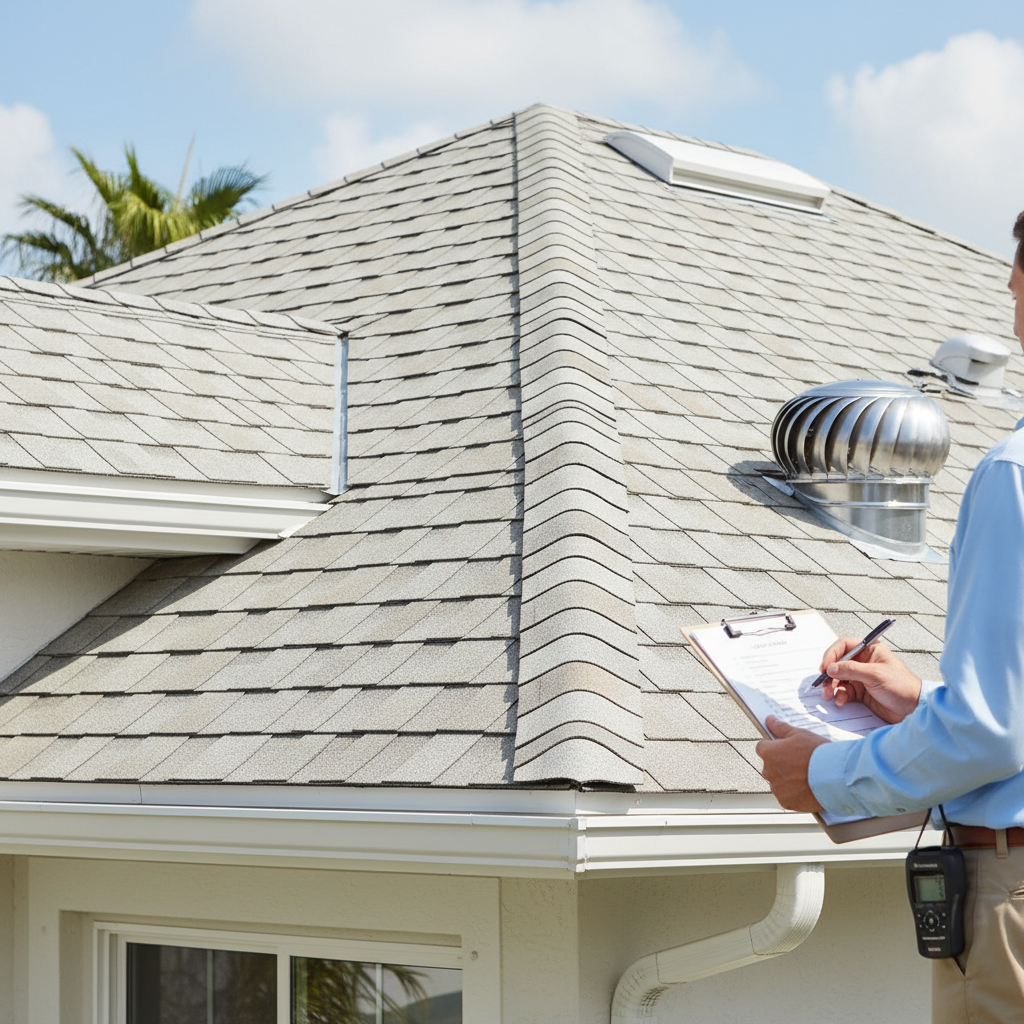
    Proper attic ventilation is crucial in Florida. Without it, heat can build up in the attic, causing shingles to warp prematurely. A stuffy attic can also drive up energy bills by forcing your AC to work harder. Inspect your attic fans, eaves, and soffit vents to make sure they’re functioning. Good ventilation curbs mold and mildew—problems that could lower a home’s appeal or lead to inspection setbacks.

    Prepare For a Professional Inspection

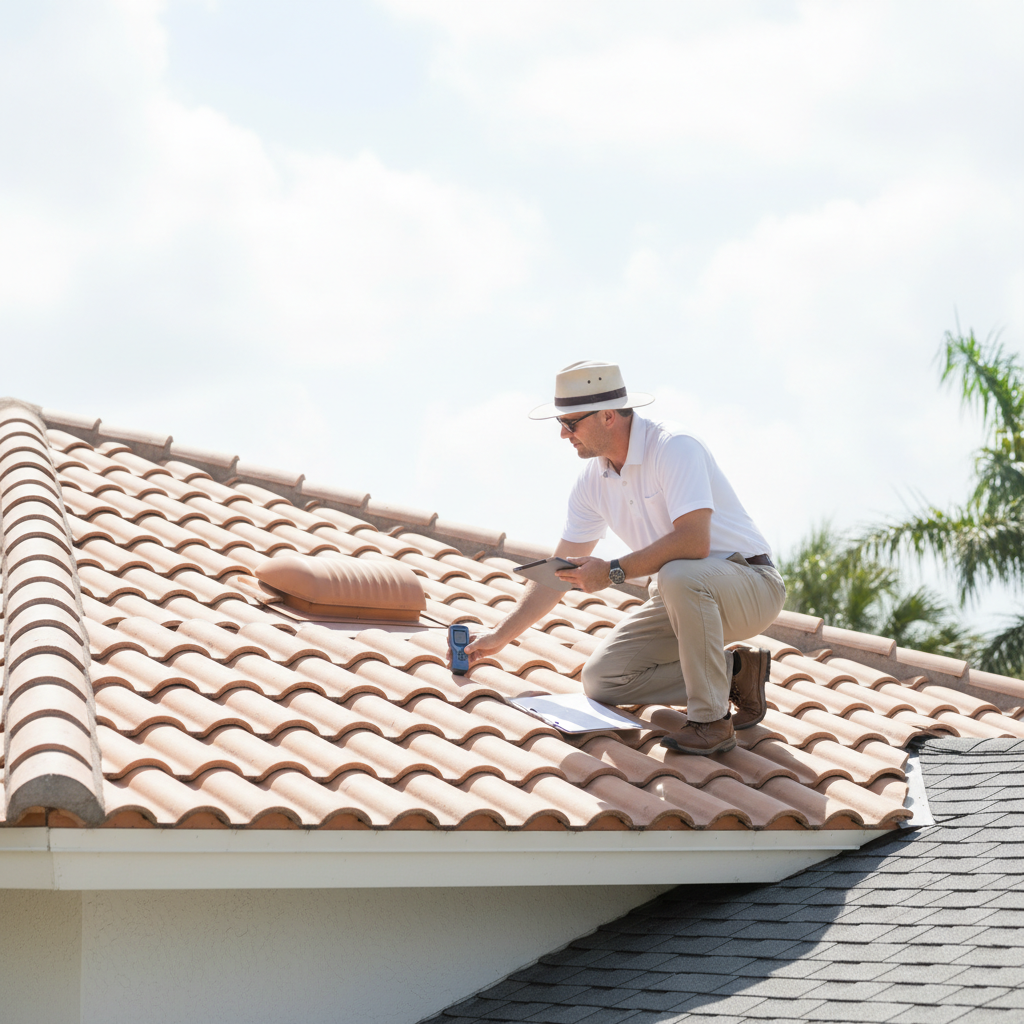
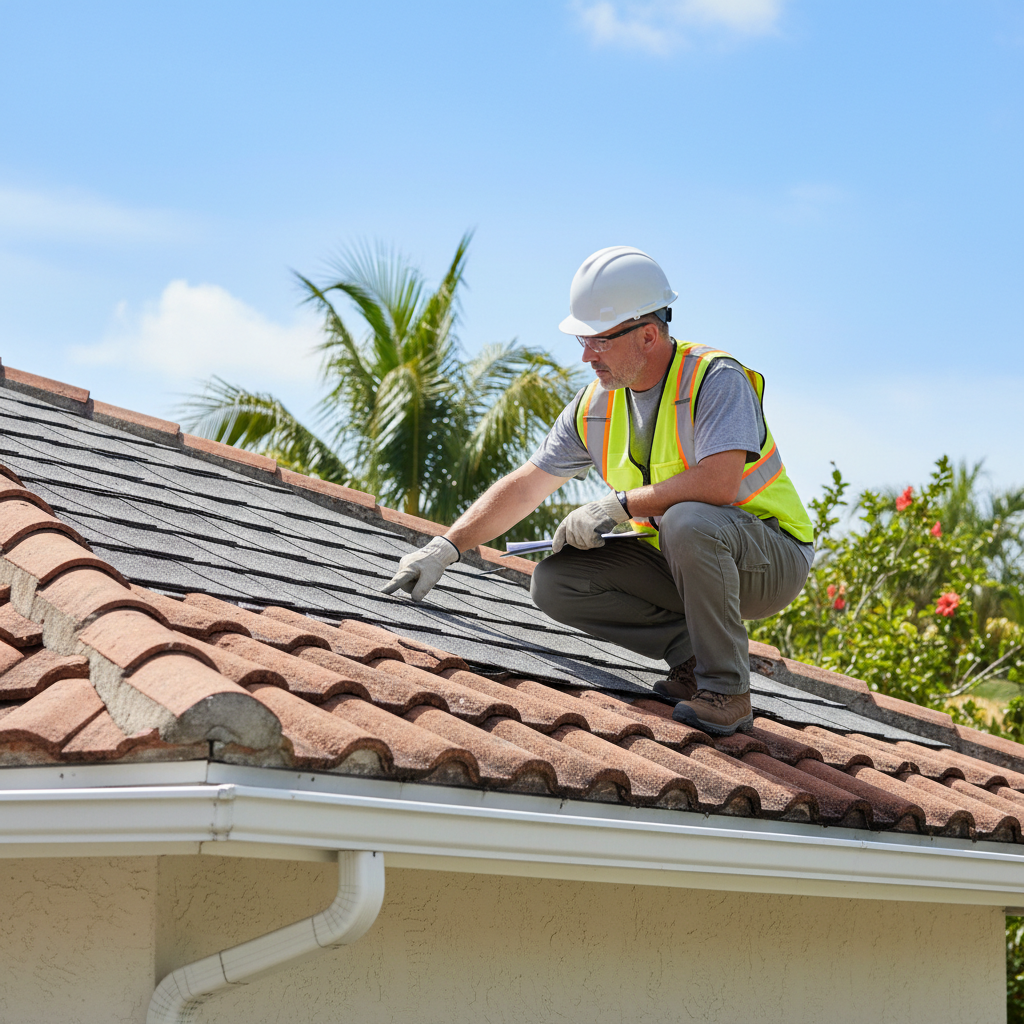
    While you can handle some basic upkeep, a licensed roof inspector or contractor offers a thorough check of your entire roofing system. They’ll climb onto the roof, test shingles, examine flashing, and assess the underlayment for hidden water damage. Checking in with local building officials can further clarify any specific code requirements you need to meet. You can also review Florida building code guidelines on the Florida Building Commission’s website [1] for detailed information on regulations across the state.

    A professional inspection not only flags potential problems but also produces credible documentation you can show prospective buyers. This kind of transparency helps your listing stand out, while making lenders and insurance companies more comfortable.

    • If you want additional resources for home maintenance in Florida’s climate, the University of Florida IFAS Extension [2] offers tips on everything from controlling indoor humidity to preventing mold.

    Finding a Trusted Inspector

    Look for someone with experience in Florida neighborhoods like yours. Consider asking for references from past clients who had similar roofing concerns. Keep an eye out for inspectors who provide photographic proof of their findings. Clear, detailed reports help you avoid disputes over whether an issue is new or pre-existing. You might also choose to cross-check your inspector’s credentials on a reliable state or municipal site to confirm license status.

    If you’d like guidance on preparing for an inspection, you can visit: roof inspection for florida homebuyers

    For further details on what inspectors focus on during a roof check, see: florida roof inspection checklist

    Decide On Repair or Replacement

    Once you have a professional evaluation, it’s time to decide whether to fix problems or replace the entire roof. The right move depends on your budget, the roof’s age, and the extent of the damage.

    Minor issues, such as a few missing shingles, are easy to fix. Quick repairs can solve localized leaks, especially if your roof is still relatively young. Patching or re-sealing might add years to its lifespan, which is vital if you plan to sell soon. If you’re opting for repairs, consider picking modern shingle colors that complement your home’s exterior for a fresh look.

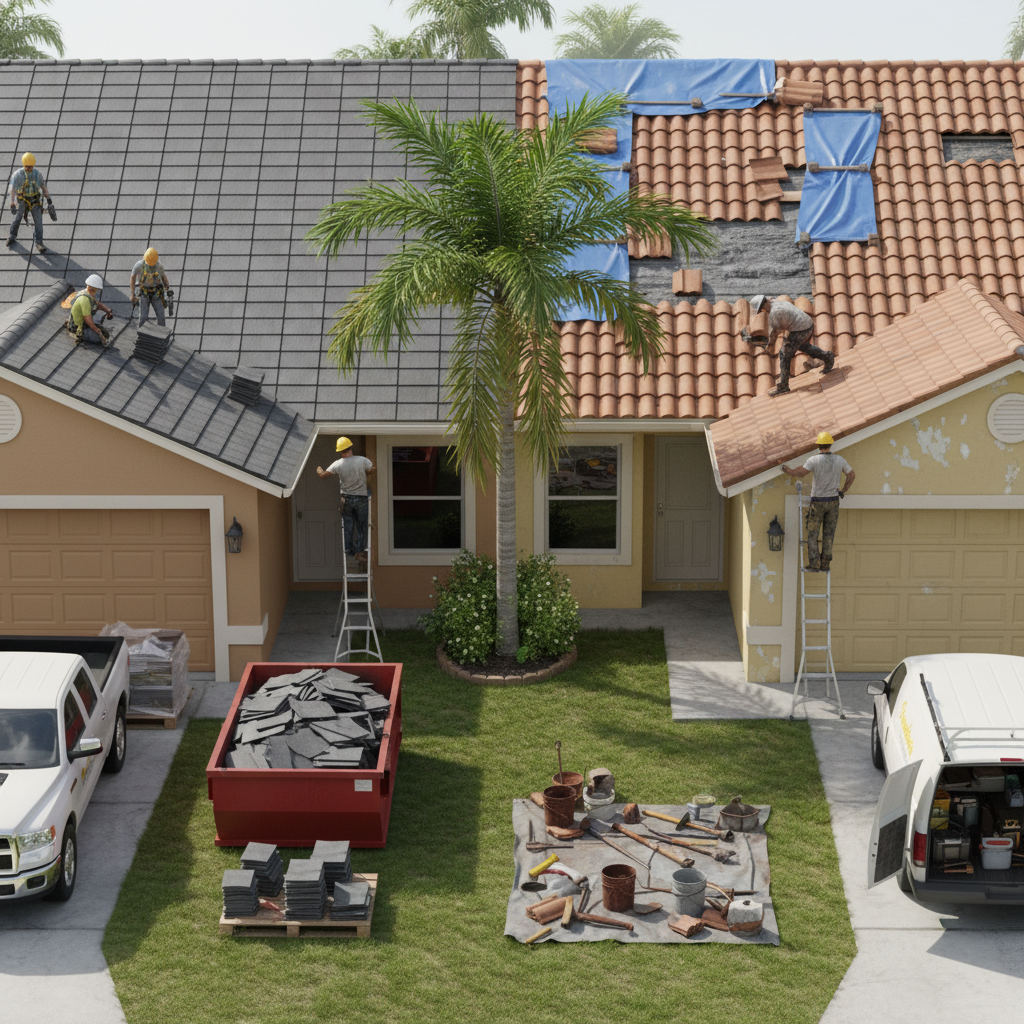
    For more extensive problems, especially if your roof is older than 15 years, a complete replacement can be the more cost-effective choice. This is especially true if an inspector suspects hidden damage lurking beneath the current surface. Many Florida homeowners see about 60 to 70 percent return on investment for a new roof—making it a strategic upgrade when every detail matters during a sale. If the thought of replacement makes you uneasy, it might help to compare the costs of incremental patches over time with the immediate boost a new roof provides to your property value.

    Balancing Cost and ROI

    Roof replacements can cost $10,000 or more in Florida, depending on factors like house size, slope, and chosen materials. But consider that a brand-new roof often speeds up the selling process. Buyers know they’re not facing near-term maintenance, and lenders are more willing to approve loans for a home with a reliable roof. You can also command stronger offers when you highlight that your property meets strict insurance guidelines.

    If you’re looking for tips on addressing buyer concerns, check out: buyer concerns florida roofing

    Boost Buyer Confidence

    You want potential buyers to see your roof and immediately feel reassured. One of the most important steps is keeping the roof, gutters, and surrounding areas clean and free of debris. Remove leaves, branches, and mossy patches—telltale signs that the roof might have been neglected. Make sure gutters and downspouts flow properly. You’d be surprised how quickly clogged gutters can allow water to creep under shingles, causing hidden damage that a savvy buyer or inspector will definitely notice.

    Show Off a Well-Documented Roof

    Buyers appreciate clear evidence of consistent maintenance. If you’ve had annual checkups or replaced parts of the roof, gather those receipts or photographs to provide a simple timeline of upkeep. Even if repairs were minor, listing out all the steps you’ve taken can help people see that you’ve been diligent. This extends to any warranties you might have. If your roofing materials or workmanship warranty is transferable, be sure to highlight that in your listing.

    The Importance of Certifications

    In Florida, a roof certification can accelerate a sale. A licensed roofing professional tags an estimated life expectancy to the roof, and that document goes a long way in quelling buyer doubts. Mortgage lenders and insurance companies often look for that certification as proof the roof will hold up. If your contractor gave you a certification after a recent inspection, include it in your listing documents to stand out from competing properties.

    Keep Your Roof Sale-Ready

    When it comes to Florida roof maintenance before selling, don’t forget that the ultimate goal is a quick, hassle-free closing. Here are a few final pointers to keep everything running smoothly:

    • Schedule an inspection in advance. Give yourself time to make repairs or replacements, and avoid scrambling after a buyer’s inspection.
    • Use a thorough home inspection roof checklist florida to keep track of minor fixes.
    • Clean gutters often. Even if you’re not in hurricane season, Florida weather can surprise you with sudden rain that tests your water drainage.
    • Confirm attic ventilation is in good shape. Proper airflow means better energy efficiency, a longer roof lifespan, and lowered risk of mold.
    • Document every repair. A well-organized paper trail dramatically improves buyer confidence.

    One Quick Resource

    If you’re looking for professional insights or want more guidance on whether it’s time for a detailed roof inspection, you can check: San Carlos Roofing Inspections

    They offer more information on thorough inspection steps, which can be an excellent companion to the repairs you might plan.

    “By staying ahead of roof maintenance, you reduce the chance of last-minute surprises and strengthen your position when negotiating with buyers.”

    Close The Deal With Confidence

    With the state’s unpredictable weather and buyers’ heightened expectations, Florida roof maintenance before selling really comes down to preparation and transparency. Highlighting the steps you’ve already taken—like regular inspections or targeted repairs—helps buyers picture a stress-free move-in. If they know the roof can comfortably handle a Florida downpour, they’ll be far more eager to place their offers without haggling.

    Whether you’re handling minor fixes or planning a full roof overhaul, your efforts will shine through in listing photos, buyer impressions, and final sale negotiations. Start early by checking the condition of your roof, enlisting trusted professionals, and documenting every step thoroughly. That way, you’ll be ready for the questions buyers and inspectors typically ask, and you’ll avoid unexpected delays or renegotiations. In the end, a proactively maintained roof saves you time and money—and leaves both you and your buyers feeling good about the deal.

    References

    1. (floridabuilding.org)
    2. (edis.ifas.ufl.edu)
  • Buyer Concerns About Florida Roofing: What You Can Do Today?

    Buyer Concerns About Florida Roofing: What You Can Do Today?

    Buying a home in Florida often revolves around one big question: “What shape is the roof in?” Between our harsh sun, frequent storms, and changing insurance requirements, you might feel overwhelmed by the topic of “buyer concerns Florida roofing.” Yet a little knowledge can help you protect your investment and reduce surprises when it comes time to sell or buy.

    Below, you’ll find practical insights on what can go wrong with Florida roofs, how to detect problems early, and why transparency matters. You’ll also discover ways to shield yourself from scams and navigate insurance complexities with more clarity. By the end of this guide, you’ll feel equipped to handle the most pressing roofing concerns in Florida’s home-buying process.

    Why Florida Roofs Raise Unique Questions

    Florida presents a perfect storm of factors affecting roof integrity. Humidity, salt air near the coast, and strong winds can all weaken roof materials more quickly than in other regions. On top of that, recent changes in insurance regulations make older roofs a sticking point. According to Florida’s 15-Year Roof Age Rule (F.S. 627.7011), insurance carriers can non-renew your home insurance if the roof is 15 years old or more without additional documentation that shows it has at least five years of life left [1].

    Choosing the right roofing materials is also more important here. Florida’s building codes emphasize resistance to high winds and hurricanes, which means you might be required to use specific shingles or metal roofing systems in certain areas. If you don’t follow these codes, you could face hefty repair bills or insurance complications. It all comes down to ensuring your roof is durable and code-compliant, especially if you plan to sell soon. A thorough inspection is the first step, explore helpful tips in our roof inspection for Florida homebuyers guide.

    How to Spot Red Flags

    You don’t need to be a certified inspector to notice some obvious clues that your roof might need attention. Start by stepping back and looking for warped, buckling, or missing shingles from ground level. Check the ceiling inside your home for stains or discoloration, which could point to slow leaks. If you see debris by the downspouts or fascia, it might signal moisture buildup.

    Be aware that not all damage is visible. Wind-driven rain can seep into tiny gaps, causing rot behind flashing or under shingles. Sometimes this damage only becomes obvious months later. If you’re selling, consider scheduling a professional examination well ahead of listing your property. You’ll also want to glance at this home inspection roof checklist Florida so you know what inspectors typically look for.

    Why a Professional Inspection Matters

    A professional inspector or a licensed contractor has the tools to evaluate flashings, attic ventilation, and the sheathing beneath your roofing material. According to updates in Florida legislation, partial repairs may now be possible if your roof was built or updated to meet the 2007 Florida Building Code, avoiding a full replacement [1]. This kind of detailed assessment can save you thousands of dollars in unnecessary work.

    Insurance often plays a critical role in Florida roof concerns. When you file a claim, insurers evaluate proper maintenance, roof age, and whether you have Law & Ordinance coverage. This policy addition can pay for code-required upgrades, like straps for hurricane fortification or impact-resistant shingles [1]. Without it, these upgrades might come straight out of your pocket.

    It’s also essential to know your rights concerning contracts. As of July 1, 2024, Florida homeowners can cancel certain roofing agreements without penalty if specific criteria aren’t met [2]. This legal protection aims to prevent you from feeling cornered into an unwise contract right after storm damage. Even so, reading the fine print is crucial. Many 2025 complaints filed with the Better Business Bureau (BBB) mention disputes over billing for soffits, fascia work, and unfinished repairs [3]. Taking time to examine contract language and consulting an attorney, if needed, can spare you from hidden costs.

    Protecting Yourself From Scams

    Unfortunately, roofing scams rise after every major storm. Unscrupulous contractors might knock on your door, say they have “leftover materials,” or promise an “unbeatable deal” if you commit immediately. Be cautious. According to multiple 2025 complaints, some contractors in Florida have demanded payment for incomplete work or threatened collections over disputed charges [3]. Trust your instincts and remember these tips:

    • Get at least two or three written estimates to compare pricing and materials.
    • Avoid contractors who pressure you to sign a contract on the spot.
    • Never agree to pay large lumps of money upfront or pay in cash.
    • Confirm their license and insurance by calling the insurer to verify coverage, not just accepting a piece of paper.

    Florida’s newer consumer protection laws also allow you to cancel contracts with public insurance adjusters if they fail to meet certain obligations right after a storm [2]. Keep these rights in mind if you sense high-pressure tactics.

    Finding The Right Roofing Partner

    Even if storm season is howling outside, you’ll want to pick a contractor who is reputable, communicative, and fully licensed to avoid the pitfalls seen in many BBB complaints. Look for transparency in quotes: materials, labor costs, and a clear timeline. It’s a huge plus if they have manufacturer certifications for the type of roofing system you want to install or repair. If you’re preparing to sell, take a look at Florida roof maintenance before selling so you can boost your home’s value and reassure potential buyers.

    You should also request references or browse verified reviews. An established local contractor with a track record of timely responses and solid warranties is invaluable. And if you need an official roof inspection to confirm your property’s condition, consider exploring helpful services at Florida roof inspection checklist.

    A Final Note on Inspections

    When you’re ready for a thorough review of your roof’s condition, consider scheduling an independent inspection from an experienced team. A detailed assessment can highlight minor flaws before they escalate, giving you the chance to fix issues at a lower cost. For more guidance, head over to this resource on getting professional evaluations: roof inspection for Florida homebuyers. It’s wise to keep your homeowner’s insurance adjuster in the loop so any recommended repairs meet policy requirements.

    “A complete, well-documented inspection is your best defense against unwelcome surprises when selling or insuring a Florida home.”

    Wrap-up

    Buyer concerns over Florida roofing can feel daunting, but you don’t have to navigate them alone. By spotting red flags early, understanding how insurance influences roof decisions, and being proactive about contract details, you can breathe easier whether you’re a buyer or a seller. Double-check credentials, get everything in writing, and avoid rushing into deals.

    Florida’s weather may be challenging, but a solid roof and a trustworthy contractor can make all the difference in safeguarding your future home. Ultimately, clarity in each step, from inspections to insurance claims, ensures you’ll be prepared for both storm season and a smooth closing day.

    References

    1. (Berlin Patten)
    2. (BBB)
  • Don’t Skip This Essential Roof Inspection for Florida Homebuyers

    Don’t Skip This Essential Roof Inspection for Florida Homebuyers

    Natural light can make a cozy Florida living room feel inviting, but when it comes to buying a home, the real game-changer is a proper roof inspection. You might be surprised how many Florida homebuyers overlook the roof until an unexpected repair bill arrives. By scheduling a professional evaluation before closing, you protect your investment from hidden leaks, storm damage, and insurance headaches. Below, you will find what you need to know about a roof inspection for Florida homebuyers—including the biggest red flags, what inspectors check, how codes matter, and when to repair or replace.

    Why a roof inspection matters in Florida

    Florida’s weather is more than just sunny skies. Frequent rainfall, high humidity, and an active hurricane season make your roof the primary barrier between you and the elements. A neglected roof can have small issues—like cracked shingles or clogged gutters—that escalate into major structural problems once the weather intensifies.

    You want peace of mind that your future home can handle tropical storms, intense UV rays, and heavy downpours. A qualified professional checks for early signs of damage, such as hidden leaks, poor ventilation, or failing materials. By identifying red flags early, you can negotiate repairs, budget accordingly, or walk away from a deal if the roof proves too costly to fix.

    Common roofing challenges in Florida

    Climate conditions in Florida tend to speed up roof wear. Blazing sunshine can cause shingles to crack, curl, or lose granules faster than they would in milder regions. In addition, high humidity fosters mold and algae growth, which weakens roofing materials and causes unsightly staining.

    Florida storms can also be quite severe. Heavy rain, high winds, and the occasional hail event contribute to dented metal panels, torn shingles, or knocked-off tiles. Pooled water from clogged gutters might seep under your roof covering, compromising the underlying structure. Because of these risks, your roof inspection should be more than a quick glance; it should be thorough and tailored to Florida’s unique conditions.

    What inspectors look for

    When you schedule a roof inspection, professionals evaluate surface materials, underlying structure, and crucial components that keep your home dry and secure. Getting familiar with these key areas helps you understand what to expect and why inspectors deem certain repairs urgent.

    Materials and their condition

    Your inspector examines shingles or tiles for any cracking, curling, or missing pieces. In Florida, even one missing shingle can allow rain to seep beneath the roof deck. Asphalt shingles are affordable and common, but they degrade faster under UV rays, often requiring consistent evaluations. Metal panels can rust in salty coastal air, while clay or concrete tiles may crack over time. According to professionals, paying attention to these details can often determine if simple fixes ward off leaks or if larger repairs are needed [1].

    Structural integrity

    A sagging roof line might indicate rotting wooden supports or water-damaged underlayment. Inspectors also check for uneven surfaces or dips, which can be early warnings of internal damage. In Florida, wooden components can warp in high heat and humidity, so if you see any bulges or depressions, it’s important to investigate thoroughly. A slight dip could mask a bigger problem waiting to happen once the next storm rolls in.

    Attic and ventilation

    An often-overlooked part of any roof inspection for Florida homebuyers is the attic. Good airflow through the attic prevents moisture buildup that fosters mold, wood rot, or weakened decking. When humidity seeps in and can’t escape, structural problems escalate, and your cooling costs often skyrocket. Pro inspectors commonly check insulation levels, vents, and attic moisture. Maintaining these systems helps extend your roof’s life and keeps your home comfortable year-round [2].

    Flashing and gutters

    Crucial points like flashings around chimneys, vents, or skylights often develop small cracks or rust, leading to leaks that sneak into your attic. Gutters that aren’t cleaned or maintained may back water up under the roof covering. In Florida, where sudden, heavy downpours are the norm, a clogged gutter can cause damage quickly. Ask your inspector if they see any signs of water pooling or erosion around your home’s foundation.

    Frequency of inspections and typical costs

    In Florida, many experts recommend an annual or biannual roof check, especially if you live in areas prone to strong winds and tropical storms. Even if the weather has been calm, heat and humidity alone can degrade roofing materials faster than you might think. If you suspect storm damage—or if your roof is edging past 10 years old—regular checkups become essential.

    You might pay between $100 and $400 for a standard inspection, depending on your roof’s complexity and the methods used. More advanced options such as drone or infrared imaging can be pricier but reveal hidden problems traditional inspections might miss [3]. While you might wince at the cost upfront, discovering roof damage early can save you thousands in repair bills or from unexpected insurance hurdles.

    Florida building codes and insurance requirements

    Beyond the immediate costs of fixing a damaged roof, Florida law and insurance regulations also drive the need for thorough inspections. Properties older than 25 years often must pass roof evaluations as part of a 4-point inspection that also covers plumbing, HVAC, and electrical systems [4]. If the roof fails, you might face coverage denial, policy cancellation, or significantly higher premiums.

    There is also Florida’s 25% roof replacement rule, which states that if you need to repair more than 25% of your roof area within a 12-month period, you must replace the entire roof to meet code requirements. This can be a budget-busting surprise if you didn’t factor it into negotiations. Understanding these codes ahead of time helps you plan finances and decide whether to move forward with the purchase or request the seller to address major repairs first.

    Preparing for your roof inspection

    If you’re under contract for a Florida home, schedule a roof inspection early so you have enough time to make informed decisions. Ideally, arrange the appointment after any storms have passed, so your inspector can spot fresh damage. Request that the seller clears the roof and gutters of debris to give professionals safe, unobstructed access.

    A quick conversation with your inspector ensures you’re on the same page about the inspection’s scope. Ask if they will inspect the attic, document photographic evidence of problem areas, or provide an estimated roof lifespan. Having these details upfront clarifies possibilities like minor repairs before closing or a more extensive roof replacement.

    The role of repairs vs. replacement

    When the inspection report arrives, reading it might feel daunting. Sometimes, the issues are inexpensive fixes: replacing a few cracked shingles or patching minor leaks. Other times, structural damage or widespread moisture intrusion might leave you with no choice but a full replacement. In Florida, roofs typically last around 20 years with the right care [1]. However, harsh conditions can shorten that considerably.

    Small repairs now could delay a pricey replacement for several years, especially if the roofing materials are in otherwise decent shape. Still, if you’re dealing with repeated leaks, rotted decking, or severely worn shingles, a complete replacement might be more cost-effective and appealing to future buyers. This juncture is also where Florida’s 25% rule might force your hand. If your roof’s damage is widespread, you could quickly surpass that threshold.

    How to choose a trustworthy inspector

    Your real estate agent might offer a list of local inspectors, but you want to ensure they have the skill set specific to Florida roofs. Ask about certifications or affiliations, such as Haag Engineering Certified Inspector credentials for residential properties, which indicate advanced knowledge of identifying storm damage or subtle structural issues.

    To reduce potential conflicts of interest, some homebuyers prefer independent inspectors, rather than roofing contractors who might push for full replacements. Review online testimonials and confirm they carry proper licensing. You can also look for references with local associations or check Florida’s license databases through official state websites (.gov) for validation.

    If you’d like to see an example of a dedicated local roofing inspection service, consider exploring San Carlos Roofing audits, which focus on comprehensive roof condition reports. Their emphasis on Florida’s climate challenges helps you gauge what to expect when working with a specialized team.

    Key steps after the inspection

    Once you have the final report in hand, the next move depends on the severity of any issues found. For minor problems, you might request the seller to fix them before closing. If you’re dealing with bigger concerns—such as a near-end-of-life roof—you could negotiate the purchase price or ask for repair credits. In hot markets, not every seller will agree to your requests, but at least you’ll have the information you need to proceed safely.

    You’ll also want to confirm your homeowner’s insurance coverage aligns with the roof’s current condition. Some insurers require a recent inspection report stating your roof still has adequate years of life left. If your insurer deems the roof risky, you may also face higher premiums or the need to switch policies.

    Additional tips for Florida homebuyers

    You don’t have to be a professional roofer to spot some giveaway signs that signal trouble. If you see dark patches, missing shingles, or moldy odors in the attic, point these out to your inspector right away. Also, pay attention to your gutters. If you notice water streaming over the edges or debris piling up for days, the inspector might discover an underlying drainage problem.

    Below is a simple reference you can keep in mind before heading into negotiations or finalizing your contract:

    • Confirm roof age. If it’s 10–15 years old or more, you’ll want a thorough inspection.
    • Check visible attic leaks. Water stains or musty smells typically warrant deeper investigation.
    • Ask about past repairs. Inquire if partial replacements were made; this can affect the 25% rule.
    • Observe gutter performance. Any consistent overflow or pooling water near the foundation signals a drainage issue.

    By including a dedicated roofing evaluation in your homebuying checklist, you set yourself up for fewer surprises and a clearer picture of future maintenance.

    Connecting with helpful resources

    Whether you’re researching buyer concerns Florida roofing or comparing your findings with a home inspection roof checklist Florida, lean on resources you trust. You can also learn more about regular upkeep by reviewing Florida roof maintenance before selling. These practical guides often highlight local considerations, from underlayment details to storm readiness.

    If you’re curious about planning and budgeting for issues uncovered during your inspection, check out this Florida roof inspection checklist. It breaks down everything from routine cleaning to more urgent repairs, giving you a clear way to track what’s already been done and what still needs attention.

    Making roofing part of your home sale prep

    If you’re worried about roof costs dragging down the sale—or if you’re looking for peace of mind as a buyer—being proactive makes all the difference. In Florida, prepping a property for sale often includes an upfront roof evaluation to handle minor damage before showings. If you’re the one buying, seeing documented roof care is a plus. It signals that the seller has taken steps to ensure their home is in good condition and not trying to hide major problems behind fresh paint or quick fixes.

    Sellers who invest in professional roof maintenance before listing can often justify a stronger asking price, especially if there is a transferable warranty from a recent replacement. On the flip side, you should also request any relevant warranties or service records to confirm whether the coverage extends to you. The result? A smoother transaction and greater confidence in your final decision.

    Negotiating repairs for peace of mind

    Occasionally, you will find a home in your dream neighborhood, only to discover a leaky roof or missing shingles. Don’t panic. Use the inspection findings as leverage to request repairs or lower the price. In a balanced market, many sellers are willing to handle major issues that might compromise financing or insurance. But if you’re in a competitive market, be ready for the possibility of covering repairs yourself if you truly love the home.

    When presenting repair requests, be specific. Ask for the problem area to be fixed by a licensed Florida roofing contractor with proven experience in storm-prone regions. Request documentation so you know exactly what was fixed and how. That way, you have a clear record if insurance or future inspectors have questions.

    Planning long-term roof maintenance

    No roof lasts forever, especially in Florida. Once you move in, schedule periodic reviews from qualified local pros and stay on top of small fixes. Regular cleaning, painting metal panels (if applicable), and clearing gutters can add years to your roof’s lifespan. While it’s tempting to put off minor tasks, Florida’s climate rarely shows mercy to neglected roofing materials.

    If you’re ever unsure about the status of your roof, a quick call to professional inspectors is worth the cost. This approach early on prevents those emergency repairs that always seem to pop up at the worst time—like right before a tropical storm hits.

    Conclusion

    Buying a home in the Sunshine State involves more than deciding on paint colors or yard size. Taking the time to prioritize a roof inspection for Florida homebuyers helps you spot issues that may affect your budget, your insurance options, and your peace of mind. From prepping for hurricane-force winds to navigating insurance mandates, a thorough inspection protects both your family and your investment.

    Whether you move forward with a minor patch job or realize a replacement is the better path, being informed is your best tool. Don’t wait until you experience a leak to wonder about your roof’s health. Florida’s climate demands year-round vigilance. By teaming up with a reputable inspector, following Florida building codes, and understanding your roofing options, you set yourself up for a confident home purchase—one that stands strong under the Florida sun and stormy skies alike.

    References

    1. (SonShine Roofing)
    2. (R.I.G. Roofing)
    3. (Quality Roofing Solutions)
    4. (aris-fl.com)
  • Don’t Overlook This Florida Roof Inspection Checklist Before Selling

    Don’t Overlook This Florida Roof Inspection Checklist Before Selling

    Selling your Florida home means getting everything in order for potential buyers, and your roof plays a big role in that process. A well-maintained roof not only protects against everyday elements, it also reassures buyers that you have taken good care of your property. Going through a thorough Florida roof inspection checklist helps you spot issues before they become deal-breakers.

    You want to ensure your roof meets local safety requirements and keeps home inspectors happy. In Florida, the climate can be unpredictable with heavy rains, blazing sun, and periodic hurricanes. Whether you are dealing with aging shingles, minor leaks, or bigger structural concerns, having a solid inspection process sets you on the right track. It also helps you demonstrate that your roof meets state standards and has the remaining lifespan buyers expect.

    Below, you will find a structured guide to reviewing your roof condition, handling essential paperwork, and scheduling professional help. The tips here focus on common trouble spots—like shingles, flashing, and underlayment, that often come up during buyer walkthroughs. By following this Florida roof inspection checklist well in advance, you can showcase a roof that stands up to scrutiny and gives buyers peace of mind.

    Start with roof age and materials

    Your first step is to figure out how old your roof is and confirm the type of materials used. Different roofing materials have distinct lifespans, and buyers typically look at remaining years to gauge whether a replacement is around the corner.

    • Asphalt shingles usually last around 15 to 20 years.\
    • Clay or concrete tiles can last anywhere from 25 to 50 years depending on quality.\
    • Metal roofing offers a lifespan of 40 years or more, especially if properly maintained.

    If your roof is older than 10 or 15 years, schedule a yearly checkup to keep tabs on any deterioration. This habit reassures prospective buyers who might be apprehensive about older roofs. You can also explore buyer concerns florida roofing for a closer look at why age is a talking point during negotiations.

    Look for common red flags

    A key part of any home inspection is spotting telltale signs of damage. As you prepare to sell, you want no hidden surprises that come up in a buyer’s report. Use your checklist to zero in on these red flags:

    1. Missing or loose shingles
    2. Worn or cracked flashing around vents and chimneys
    3. Soft or sagging roof areas indicating possible deck damage
    4. Clogged gutters causing water to pool at the roof edge
    5. Discoloration or stains on ceilings indoor, hinting at leaks

    Minor issues might be resolved with simple repairs, such as replacing a few shingles or refastening flashing. Larger signs of trouble, like significant deck rot or major water intrusion, may require a professional opinion. If you are navigating these concerns, see our roof inspection for Florida homebuyers resource to understand buyer expectations during roof checks.

    Check the attic and ventilation

    Buyers will often ask about attic ventilation and insulation. Proper airflow prevents excess heat buildup and discourages moisture, both of which can damage roofing structures. Go up to your attic and take note of musty smells or damp insulation, as these can point to leaks or insufficient ventilation.

    You will want to address these problems before you list the home, because prospective buyers are likely to notice them. A musty attic could mean mold risk, while damp insulation can cause energy inefficiency. Regular maintenance, like adjusting vents or installing additional attic fans, can prove you have taken the necessary steps to keep your roof system sound and your indoor air healthy.

    Gather important documentation

    Even if your roof is in great shape, you need paperwork to back that up. Buyers often request documentation on past repairs, warranties, and insurance claims. Having these details organized saves you from scrambling later and demonstrates that you have been proactive about your roof’s condition.

    • Past repair or replacement invoices\
    • Warranty information for shingles or tile\
    • Records of insurance claims for storm damage or leaks\
    • Any code compliance documents tied to your roof

    When you can show a consistent history of professional checks or repairs, it reassures buyers that they are not stepping into hidden problems. If you still have questions on what your inspector might look for, our home inspection roof checklist Florida offers more guidance on typical red flags.

    Confirm Florida code requirements

    Florida’s building regulations are among the strictest in the nation due to severe weather risks. Double-check that your roof is up to current standards by reviewing the Florida Building Code. For more detailed information, consult the Florida Department of Business & Professional Regulation. Even if your roof predates the latest code updates, you can still demonstrate that any improvements followed best practices for wind and water resistance.

    Buyers from out of state may not be familiar with Florida’s code emphasis on hurricane preparedness. Explaining your compliance efforts, such as improved flashing, peel-and-stick underlayment, or reinforced decking, can make your listing that much more attractive. These upgrades also help justify any higher asking price if you have invested in a robust, storm-ready roof system.

    Consider a professional inspection

    Doing a personal review is helpful, but a certified inspection report carries more weight with buyers. Professional inspectors can spot subtle issues you might miss, like small hail damage or early signs of flashing corrosion. While you can easily check your shingles from the ground, crawlers or drones might be needed for steeper roof sections.

    Most professional inspections in Florida cost between $150 and $350, which is a small price to pay if it helps you avoid a deal falling through. A formal statement confirming your roof’s solid condition can also streamline buyer negotiations. If you need guidance on scheduling an expert check or want to learn about typical inspection procedures, visit San Carlos Roofing to see what an experienced team can do to ensure your roof is market-ready.

    Make repairs or replacements promptly

    After you have a professional opinion, decide whether repairs or a full roof replacement is necessary. Buyers tend to shy away from properties that need substantial work, especially if major roof defects appear in their own inspection. Fixing issues beforehand can instill confidence, reduce buyer requests for concessions, and help you market your home more effectively.

    One strategy is to compare repair quotes versus total replacement costs. If you own a tile roof nearing 25 or 30 years, or if an older asphalt roof shows repeated leaks, a new installation might deliver a better return on investment. This choice also removes last-minute complications and enhances your property’s curb appeal. If you are unsure whether to do minor fixes or a total overhaul, browse our Florida roof maintenance before selling page for tips on balancing cost and value.

    Understand buyer concerns

    Home shoppers in Florida worry about wind-resistant construction, hurricane readiness, and insurance requirements. Many insurers request a roof inspection once a property reaches 10 or 15 years of age, so providing a current report can simplify your buyer’s approval process. If you ignore these concerns, you may attract fewer serious offers, and your home could sit on the market longer.

    When buyers see that you have thoroughly handled your Florida roof inspection checklist, they feel more comfortable finalizing the deal. You also reduce the odds of intense negotiations over repair credits or last-minute cancellations. For more insights on what buyers typically stress over, visit buyer concerns florida roofing and prepare answers in advance.

    Plan for hurricane season

    Even if you are selling outside the summer months, show prospective buyers you have taken Florida’s extreme weather to heart. High wind gusts and driving rain can expose weak points, so highlight any added reinforcements your roof has. This may include hurricane straps, extra fasteners in the decking, sealed secondary water barriers, or updated flashing.

    • Clear your gutters and downspouts of leaves and debris.\
    • Trim back trees or vegetation that could damage the roof during storms.\
    • Check around vent pipes for gaps or cracks that let in water.

    Potential buyers will appreciate knowing the roof is capable of standing up to an unpredictable climate. If they see evidence of your hurricane prep, they’ll understand the home is ready to handle Florida’s weather challenges.

    Anticipate inspection day

    Once you receive an offer, your buyer’s inspection will likely mirror what you have already accomplished. The inspector checks everything from overall roof structure to smaller components, paying close attention to leaks, rotted sheathing, or insufficient fasteners in high-risk zones. If you took the time to address these points in advance, the buyer’s final inspection should go more smoothly.

    Make the experience convenient for you and the inspector. Clear the driveway, remove debris from around the house, and have your attic accessible for thorough review. If a buyer or their inspector sees you have responsibly prepared, it shows your commitment to an honest and efficient transaction.

    Consider roof condition’s effect on insurance

    Florida insurance providers can be particularly cautious when insuring older roofs or homes located in high-wind regions. By documenting all your pre-sale roof inspections, you help buyers with their own coverage research. The smoother their insurance process goes, the easier your property is to sell.

    You can outline how you proactively maintained your roof each year, replaced outdated materials before issues emerged, and complied with Florida’s codes. That record of diligence reduces the likelihood that a buyer’s insurance company will surprise them with high premiums or require specific repairs. You will earn trust for being an attentive homeowner, which can give you an edge if your neighborhood has multiple listings.

    Share your findings with buyers

    Be transparent about your inspection results. Show would-be buyers any photos, videos, or formal reports that highlight your roof’s condition. Openness about minor faults or upcoming maintenance intervals helps you build credibility. Buyers do not like surprises that surface after their own inspector arrives, so staying upfront often smooths negotiations.

    Additionally, if you decided to pay for fixes or replacements, keep those receipts. Home shoppers appreciate evidence that you made the effort to resolve concerns before placing the house on the market. If you mention any warranties or ongoing maintenance plans, prospective buyers will see that they are stepping into a well-cared-for home.

    Stay compliant with Florida’s unique codes

    Florida’s High Velocity Hurricane Zones (HVHZ) have extra requirements for fasteners and underlayment. Even if you do not live in Broward or Miami-Dade County, it is helpful to apply similar standards for a more resilient roof. Consider stronger nails, sealed roof decks, and other add-ons that align with Florida Building Code guidelines.

    Buyers, especially those new to the region, often worry about storms. If they spot that extra investment in hurricane-grade materials or techniques, it can tip the scales in your favor. Local building authorities frequently update regulations, so check with professionals or verified resources to ensure that your improvements meet current code requirements.

    Florida roof inspection checklist in action

    It is helpful to have a succinct review method you can follow, step by step. Below is a quick reference to guide your efforts:

    1. Determine roof age and note materials.
    2. Inspect shingles or tiles for cracks, curling, or missing pieces.
    3. Check flashing and roof penetrations for rust or gaps.
    4. Look for sagging roof sections or soft decking.
    5. Clear gutters and downspouts of debris.
    6. Examine attic for leaks, moisture, or ventilation issues.
    7. Collect repair records, warranties, and insurance claims.
    8. Verify compliance with Florida code requirements.
    9. Arrange a professional roof inspection for a second opinion.
    10. Tackle repairs or replacements promptly.
    11. Highlight upgrades or hurricane protections.
    12. Keep all paperwork accessible for buyer review.

    Following these steps ensures you address critical elements that matter in a Florida real estate transaction. If you are unsure how to approach certain repairs, consider contacting a local professional for guidance. You might also check out home inspection roof checklist florida for deeper insight into the typical evaluation process.

    Skylights, chimneys, and other special elements

    If your Florida home has features like skylights or a chimney, devote extra attention to them during your inspection. Skylights can leak if their seals degrade, and chimney flashing often deteriorates faster than you expect in Florida’s humid, storm-prone climate. An inspector will examine these elements closely, so check whether protective coatings or caulking need an update.

    Well-maintained skylights can be a selling perk since they bring in natural light. But if you ignore possible water intrusion or warping around these openings, buyers might worry about hidden rot. A quick repair for small cracks or sealant issues can keep one tricky problem at bay and impress potential owners with your attention to detail.

    Communicate with your real estate agent

    Let your agent know you are completing a dedicated Florida roof inspection checklist. Agents often field buyer questions about structural integrity, storm readiness, and code compliance. If your agent can confidently talk about the steps you have taken, everyone feels more comfortable.

    Agents may also suggest including a copy of your inspector’s findings in your home’s listing packet or among the disclosures. This approach shows you are transparent about the roof’s condition, which can attract serious buyers. If they see that you have all your documentation in order, it makes your property more appealing and reduces uncertainty on both sides.

    Prepare for negotiations

    Even after you have done your due diligence, buyers might still have concerns. They could request a price reduction, ask for repairs before closing, or look for a credit toward a future roof replacement. If you have a comprehensive Florida roof inspection checklist already completed, you can negotiate from a position of strength.

    Explain the repairs you have made, discuss your roof’s expected lifespan, and share estimates you collected. Having multiple quotes or long-term warranties on hand can make it clear that you have not simply patched problem areas, but that you have thoroughly addressed the home’s roofing needs. This evidence-based approach often helps smooth out any last-minute haggling.

    Gain buyer confidence

    A well-documented, carefully maintained roof signals that you have cared for your home. Buyers in Florida often place extra weight on roof conditions because of the region’s weather extremes. By demonstrating that you have addressed repairs, updated to meet code, and stayed vigilant about potential storm hazards, you reduce the fear factor for potential buyers.

    You might also encourage prospective buyers to bring their own inspector if they have lingering questions. By welcoming professional scrutiny, you reinforce the idea that your roof stands up to close examination. If you want even more tips on ensuring that your property meets and exceeds buyer expectations, you can consult florida roof maintenance before selling.

    Key takeaways

    • Start your prep by determining roof age, material condition, and possible red flags.
    • Keep documentation of past repairs, insurance claims, and compliance certifications.
    • Double-check you meet Florida Building Code requirements.
    • Consider hiring a professional inspector for a thorough report that inspires buyer trust.
    • Address necessary fixes promptly to strengthen your negotiating position.
    • Showcase your diligence in protecting against Florida’s tough weather.

    Completing a well-rounded Florida roof inspection checklist is one of the most effective ways to finalize a smooth sale. Prospective buyers will appreciate your attention to detail, and you can avoid the stress of unexpected roof issues popping up at closing. By walking through the steps laid out in this guide, you will have the confidence of a seller who knows their home is ready for the market.

  • The Surprising Truth About Southwest Florida Roofing: Costs Comparisons

    The Surprising Truth About Southwest Florida Roofing: Costs Comparisons

    Natural disasters, salty coastal air, and year-round sunshine make southwestern Florida a unique place to live, but they can also take a toll on your roof. If you’re juggling frequent repairs, rising insurance premiums, or simply wondering whether to invest in a full replacement, a clear southwest florida roofing costs comparison can help you make an informed decision. Below, you’ll find detailed insights into the factors that affect costs, how to prioritize repairs versus replacement, and what to consider when budgeting for a long-term roofing solution.

    Understanding the southwestern Florida roofing cost factors

    When you look at roof expenses in southwestern Florida, you’ll notice pricing can swing widely. One neighbor might pay around $12,000 for a modest asphalt shingle setup, while someone down the street invests $35,000 or more in a premium tile system with reinforced underlayment. Why the disparity? It comes down to factors such as material choice, roof size, and the shape or angle of your roof.

    In this region, labor also plays a substantial role. Skilled roofing crews are in high demand, especially after storm seasons when the pace of repairs intensifies. Depending on your home’s geometry, a roofer may have to invest extra time on safety gear or specialized equipment, pushing the cost upward. When you add those elements together, it’s easy to see why it’s so important to dig into the specifics of your own home before you commit to any major roofing project.

    Common cost drivers to keep in mind

    1. Roof size and pitch. Larger roofs or steeply pitched designs generally require more labor.
    2. Material selection. Asphalt shingles, metal, and tile each have different price ranges as well as durability levels.
    3. Complexity. Skylights, multiple ridges, dormers, or other intricate features add labor hours.
    4. Code compliance. Stringent building codes and hurricane protection measures may raise the overall quote.
    5. Additional repairs. Rot or water damage underneath shingles often needs to be fixed before new materials go on top.

    Costs may vary, but one constant remains: If your roof is compromised, addressing the issue sooner rather than later saves money in the long run.

    Why ongoing repairs might cost more

    It’s easy to keep pushing “just one more repair,” especially if each individual fix seems minor at the time. However, southwestern Florida’s weather can accelerate wear on older or patched-up roofs, forcing you to shell out money again and again.

    Imagine dealing with a few missing shingles after every high-wind event, or discovering that a small leak has turned into hidden mold behind your walls. These ongoing headaches don’t just inflate your home maintenance bills, they also erode the comfort and safety you expect from your living space. Over time, frequent fixes add up to a surprising total that might have been enough to upgrade your entire roof in the first place.

    Balancing immediate and future costs

    If you’re aiming to avoid large lump-sum expenses, you might assume small repairs will keep you afloat. Yet each service call includes labor fees, materials, and sometimes unforeseen complications. You’ll be consistently pulling out your checkbook without enjoying the peace of mind that a newer roof can offer. When you weigh your regular outlays against the price of a full update, a complete replacement often emerges as the more budget-friendly strategy over a decade or two.

    When a replacement becomes more cost-effective

    There’s a tipping point when repairs outlive their usefulness. If your roof is near the end of its typical life expectancy—often around 15 to 20 years for basic asphalt—and you find yourself calling a contractor every storm season, it’s likely time for a new installation. A fresh roof not only fortifies your home against hurricanes and heavy rains, but it can also cut your insurance premiums and potentially boost your property’s value.

    In southwestern Florida, many homeowners decide to move from standard shingles to heavier-duty materials like tile or metal because they see how quickly climate extremes can degrade cheaper roofing. Doing so requires a larger initial investment, yet the extended lifespan may justify the higher price tag. Plus, you’ll spare yourself the cycle of frequent fixes that chip away at your monthly budget.

    Signs your roof may need replacing

    • Water damage or stains on your ceilings or walls.
    • More than two or three significant leaks in a single year.
    • Shingles with curling edges, bald patches, or persistent discoloration.
    • Noticeable sagging along the roof’s surface.
    • Mold or mildew growth in your attic or around vents.

    A thorough roof inspection is the ideal way to confirm whether your structure is simply in need of one more patch—or if it’s time to invest in something brand new.

    Material choices and price differences

    When you begin your southwest florida roofing costs comparison, it helps to break down each material’s average cost, typical lifespan, and other pros or cons. Below is a general overview that captures the most common options you might find:

    Roofing materialApprox. cost per sq. ft.Typical lifespan
    Asphalt shingles$6–$915–20 years
    Metal (standing seam)$14–$2540–70 years
    Concrete/clay tile$11–$2230–50 years

    Asphalt shingles remain the most budget-friendly choice, making them popular among homeowners looking for quicker installations. Tiles require more skilled labor but deliver durability and a distinctive Mediterranean-inspired appearance beloved in Florida subdivisions. Metal roofing has grown more common in recent years, especially for those seeking longevity and energy efficiency—just be aware of the higher upfront cost.

    What to consider when choosing materials

    • Current resale value: Premium materials like tile can add curb appeal.
    • Weight: Tile might require extra reinforcement in older homes.
    • Energy efficiency: Metal roofs often reflect heat more effectively, lowering utility bills.
    • Maintenance: Asphalt shingles are easier to replace in sections if damage occurs.
    • Aesthetic preferences: If your homeowners association has rules on roof style, you’ll need to meet them.

    The labor factor in southwestern Florida

    Whether you choose cost-effective shingles or go for a long-lasting metal system, you’ll notice a significant portion of the budget goes toward labor, often 40–60% or more. The main reason is that skilled roofing professionals must work in demanding conditions: High heat, intense sun, and the potential for unexpected tropical weather mean your crew’s day is rarely straightforward.

    In addition, southwestern Florida sees cyclical labor shortages after hurricanes or major storm events because many homeowners rush to secure repairs at once. Due to high demand, you may find that labor fees spike during these times. Plus, if your roof belongs to a multi-story home, or you’ve got intricate pitches and dormers, installers need additional time (and sometimes specialized gear) to do the job safely.

    Minimizing labor costs

    • Schedule your project off-peak, if possible before or after storm season.
    • Keep your attic accessible so inspectors can assess underlying structures more easily.
    • Remove items like satellite dishes or holiday lights in advance, saving workers time.

    By handling minor preparations on your own, you may shave a bit off the overall quote. The result is a more efficient project start to finish.

    Minimizing storm-related roofing expenses

    In southwestern Florida, storm readiness isn’t optional. High winds can peel shingles off in minutes, while intense rain seeps through even tiny cracks. If you’re committed to addressing frequent repairs once and for all, it’s worth factoring in how a full replacement might prevent recurring storm damage.

    Newer roofs typically come with enhanced hurricane-resistant fasteners and improved underlayment that strengthens your home’s defenses. In other words, you’re investing in a safety net. Even if a historic hurricane doesn’t come calling, smaller storms become less stressful when you know your roof is up to code, fully sealed, and reinforced against leaks.

    Reinforcement techniques to ask about

    • Stronger attachment methods like ring-shank nails or hurricane clips.
    • Waterproof underlayment membranes to repel wind-driven rain.
    • Engineered ridges and vents for better airflow, reducing moisture buildup.

    Bringing your roof up to modern standards could also yield more favorable homeowner’s insurance rates, which is another way you gain a return on your investment.

    Estimating your budget and exploring financing

    Once you’ve decided to replace rather than patch, you must still consider how to cover the cost. Between materials and labor, even the most economical replacement can set you back a five-figure sum. That’s why many Florida homeowners search for solutions like home equity loans, personal lines of credit, or special roofing finance plans to manage the expense.

    You can begin by examining your current roof expenses. If you’re shelling out hundreds of dollars each quarter on repairs, funneling that money into a fixed monthly payment for a new roof may feel more predictable. Plus, you get the added assurance of a warranty. Before making any final decision, gather detailed quotes and compare them side by side. Look for itemized breakdowns so you know exactly what you’re paying for.

    Consider a professional estimate

    If you’re not sure where to start, look into a southwest florida roof replacement estimate. A reputable contractor can measure your roof, check its current condition, and let you know if hidden damage is lurking under your existing materials. This consultation also helps you understand how financing options might stack up against paying out of pocket.

    Balancing short-term savings with long-term value

    Staying on top of repairs might deliver short-term relief. However, when you view the five-to-ten-year outlook, the recurring maintenance bills, patch jobs, and energy inefficiencies become more apparent. Especially in southwestern Florida, you’ll see how quickly the elements can transform a minor soft spot into a major headache.

    Budget-conscious homeowners sometimes wonder if the jump to a durable roofing material like metal is truly worth the premium. While metal roofs might cost double or triple the price of an asphalt shingle installation, you’re paying for decades of peace of mind. If you plan to keep your house for the foreseeable future, that extra investment often pays for itself in durability, fewer repairs, and possible insurance discounts.

    Weigh ongoing maintenance vs. replacement

    A helpful approach is to compare your current roofing expenditures to the long-term fees of a new installation. Make a quick monthly breakdown:

    • Are you frequently spending more than $100 or $200 a month patching leaks?
    • Do you expect more repairs next year, especially if a severe storm hits?
    • Have you had to refinance insurance coverage because your roof is older?

    If these answers cause dread, you may want to evaluate a roof maintenance vs replacement cost analysis for real clarity.

    Getting a professional assessment

    Whether your roof is brand new or you’ve been adding shingles every year, a professional assessment provides an impartial look at its structural fitness. Experts can also spot signs of deeper water intrusion, inadequate ventilation, or warped decking that might not be visible from the driveway.

    If the contractor determines it’s time to move forward, you can explore a range of affordable roof replacement southwest florida options that might fit your property and budget. Remember: it’s crucial to choose a licensed, insured roofing crew with a reputation for quality workmanship. This helps ensure you’re not sidelined by future issues that result from subpar installation.

    Questions to ask your roofing professional

    • How many roofs have you completed in my neighborhood or area?
    • Can you provide references who had similar roofing materials installed?
    • Are you familiar with wind mitigation requirements and local building code updates?
    • What is the warranty on labor and materials?

    A great contractor will give you thorough answers and outline the next steps, so you can decide your best approach.

    Why trust a dedicated roof replacement resource

    Resisting the pull of constant repairs often boils down to peace of mind. Even if your roof has a little life left, regularly scheduling repairs can be stressful. By choosing to replace your roof, you simplify your maintenance logistics and reduce the risk of discovering a leak at the worst possible time—like during hurricane season.

    If you’d like to learn more about the entire replacement process, including timelines, modern material options, and code requirements, consider visiting this helpful resource:\
    Roof Replacement from San Carlos Roofing

    This information can complement the professional opinions you receive locally, giving you extra clarity before you make a final call.

    Planning your installation timeline

    While roofing work can happen year-round in Florida, you’ll want to strategize around both your budget and the calendar. Sparing yourself a mid-hurricane-season installation is always a plus. If you can plan the replacement during milder months, your roofing crew will typically have smoother scheduling availability and may offer more flexible pricing.

    Before your replacement starts

    • Clear the driveway for material deliveries and a disposal dumpster.
    • Remove valuable belongings from your attic in case of dust or debris.
    • Let neighbors know work will be happening—roofing can be noisy.
    • Secure any pets, especially if they’re sensitive to loud sounds or strangers on site.

    By making these preparations, you’ll help the job run safely and efficiently, saving you time and possibly money.

    How to get the best value

    Securing the best overall value on your new roof doesn’t necessarily mean going for the cheapest materials. Instead, think about the marriage of quality, durability, and reasonable pricing. You might consider a mid-range asphalt shingle with upgraded underlayment, or even a cost-conscious metal roof option if longevity is your top concern.

    As you gather quotes, take note of the additional charges—for example, the cost of replacing old flashing, vents, or deck boards. These details influence the final price but often make the difference between a roof that works well for five years and one that lasts much longer. If you suspect your current structure is severely compromised, you can reference a dedicated roof replacement cost southwest florida resource to get a ballpark figure. Enter discussions armed with that knowledge and be transparent about your budget from the start.

    Careful negotiation tips

    • Compare at least three detailed estimates and check each contractor’s credentials.
    • Ask whether the quote includes permit fees, warranties, and any clean-up services.
    • Discuss possible payment schedules in advance to prevent unexpected charges.

    Being proactive keeps everyone on the same page. It’s how you avoid misunderstandings and ensure that your chosen contractor focuses on delivering top-tier results.

    Move forward with confidence

    You don’t have to navigate southwestern Florida’s unpredictable weather with an unreliable roof overhead. Repeated patch jobs might feel comforting one day at a time, but they can quickly strain your finances and create long-term problems for your home’s structural integrity. When you weigh all the variables—from labor costs and material expenses to the intangible relief of a leak-free future—it’s often clear that a full roof update is not just a cost, but an investment.

    Choosing a reputable local installer, planning ahead for storm season, and selecting a material that suits your household’s long-term needs can shield you from the stress of frequent fixes. By taking the time to research your options, ask the right questions, and map out your finances, you’ll be well-prepared to make a smart decision that pays off for years to come.

    If you’re ready to dive deeper, be sure to explore Roof Replacement from San Carlos Roofing for a comprehensive look at what a new system might entail. You can also check out a southwest florida roof replacement estimate for your own property, so you know exactly where you stand. When it comes to a southwest florida roofing costs comparison, the surprising truth is often that replacement may protect both your home and your budget better than ongoing, unpredictable repairs.

  • Avoid Costly Surprises with This Free Florida Roof Inspection Checklist

    Avoid Costly Surprises with This Free Florida Roof Inspection Checklist

    Natural disasters, relentless humidity, and stringent insurance requirements make a “home inspection roof checklist Florida” homeowners can trust more than just a nice-to-have—it is an absolute necessity. If you are getting ready to sell your house or simply want peace of mind, understanding what buyers and inspectors look for in your roof safeguards your investment and helps you avoid last-minute surprises. By catching small issues now, you can spare yourself costly repairs and lengthy negotiations down the road.

    Understanding Why Florida Roofs Need Special Care

    Roofs in the Sunshine State face a host of challenges that can shorten their lifespan. High winds, torrential rains, and occasionally brutal hurricanes can damage shingles, flashing, and even the underlying structure. In addition, Florida’s year-round humidity accelerates wear and tear, fostering mold and other moisture problems.

    Because of these unique climate factors, buyers often raise buyer concerns Florida roofing as one of the top deal-breakers during a real estate transaction. If your roof shows any sign of damage, lenders and insurers may insist on repairs or replacements before finalizing a loan or policy. Staying on top of inspections gives you an advantage whether you’re selling now or anticipating a future move.

    Checklist Step 1: Inspect Shingles and Roof Materials

    A thorough roof inspection in Florida always starts on the outside. You want to look for any sign of visible damage or inconsistent wear.

    1. Scan for missing or curling shingles. High winds can loosen or rip off shingles, making your home vulnerable to water infiltration. Even a few missing shingles can lead to expensive leaks.
    2. Check edges and corners. Shingle uplift often occurs along the roof edges where wind pressure is greatest. If you notice raised corners, it may be time to call a professional.
    3. Look at granule loss. Excessive granule loss can reveal an aging or weakened shingle. Small bald patches may indicate leaks in the near future.

    When these issues line up—like missing shingles and obvious cracking—you risk multi-layer damage that could worsen with Florida’s stormy weather. As you evaluate the materials, note any odd color patches or uneven surfaces. These can be early signs of deeper problems.

    Checklist Step 2: Evaluate Flashing and Sealants

    Flashing is that thin metal strip around vents, chimneys, and skylights that keeps water out of the cracks where different surfaces meet. In Florida, where frequent rain is the norm, any compromised flashing invites moisture and eventually rot.

    • Look for rust or corrosion. Galvanized steel flashing typically withstands weathering well, but corrosion can turn into leaks quickly.
    • Inspect sealants. Sealants around joints and seams can crack, especially given Florida’s strong UV exposure. If you see splits or gaps, water can sneak in when the next storm hits.

    Do not forget to check if flashing is still snug against the surface. Poorly secured flashing might shift in storms, leaving joints open for costly water damage.

    Checklist Step 3: Check Gutters and Drainage

    When Florida’s afternoon thunderstorm drops inches of rain in a matter of minutes, gutters and downspouts must perform flawlessly. Clogged or loose gutters will pool water near roof edges or cause it to spill over walls, leading to leaks and mold.

    Inspect the gutter channels for leaves, twigs, or other debris. Also confirm that each downspout directs water away from your home’s foundation. Anytime you notice water backing up or not draining properly, it is time to clear those gutters immediately. This simple maintenance step wards off rotting eaves and peeling window frames, both of which can complicate insurance inspections.

    Checklist Step 4: Look Inside Your Attic or Crawlspace

    Often, the first sign of roof trouble appears above your head, not on top of your shingles. Head to the attic on a sunny day and look for beams of light poking through. Even a tiny ray of sunshine can mean a potential leak point.

    Examine insulation for dampness, as excessive moisture is a surefire indicator that water is infiltrating somewhere above. If you notice any mold spots or musty smells, there could be ventilation problems. Address these quickly because Florida’s warm, humid climate accelerates mold growth faster than in drier regions.

    Checklist Step 5: Watch For Mold and Moisture

    Florida’s climate is notoriously hospitable to mold. Once it takes hold, it can spread quickly and compromise not just your roof, but also your indoor air quality. Keep these tips in mind:

    1. Check for discoloration. Dark or greenish patches on your roof’s surface often point to algae or mold buildup.
    2. Perform regular cleanings. A gentle wash with a cleaning solution can remove surface mold. However, if mold has penetrated the underlayment, you may need professional services.
    3. Rule out poor ventilation. Without adequate airflow, heat and humidity collect in your attic and feed mold growth behind your walls or roofing materials.

    Mold may not stop at your roof. It can creep into the attic or interior walls, affecting structural integrity and even your family’s health. The best way to prevent this is by conducting periodic checks and improving attic ventilation where needed.

    A Quick Reference Table

    Here is a concise look at main components you will inspect:

    Roof ComponentWhat to CheckWhy It Matters
    ShinglesMissing, curling, upliftPrevent water intrusion, maintain home value
    FlashingRust, loose seamsAvoid hidden leaks around vents and skylights
    GuttersDebris, water flowCombat mold, protect siding and foundation
    AtticLight penetration, dampnessDetect leaks early, prevent large-scale damage
    Mold/MoistureSurface stains, odorEnsure healthy air quality and structural safety

    Use this table for quick reminders, and keep track of any emerging issues as storms pass through.

    What If You Find Damage?

    If you discover concerning signs—like extensive mold, broken shingles, or sagging areas—do not let the problem linger. You can read more about roof inspection for Florida homebuyers to see why buyers might request big repairs or a roof replacement as a prerequisite for closing the deal. In some cases, you might also want to investigate solutions highlighted in our Florida roof maintenance before selling guide so that you are ready when prospective buyers schedule their own inspections.

    A professional roofer can identify the root cause of any trouble spots. Whether it is damage from a recent storm or older wear and tear, you want to address it before listing your home. Even if you are not planning to sell, an expert opinion helps you establish a long-term maintenance plan so your roof does not suddenly fail during Florida’s next rainy season.

    Schedule a Professional Assessment

    When your inspection yields potential red flags, it is best to get confirmation from a licensed roofing contractor. A professional assessment lays out exactly what may be wrong and how to fix it. If you are thinking of selling, it gives you the upper hand to negotiate confidently with buyers.

    You can learn more about professional roof inspections at San Carlos Roofing. While a do-it-yourself approach covers the basics, a certified expert can spot subtle structural issues or code compliance problems that might go unnoticed until a later stage.

    Stay Proactive For Long-Term Savings

    Finally, do not wait until your roof starts leaking to take action. Florida’s constant heat and frequent storms mean even minor wear can rapidly escalate into big problems. Keep annual or semi-annual checks and be especially vigilant after major storms. You will protect your home’s value, attract more confident buyers, and maintain a safer, drier living environment.

    For a deeper dive, you can reference our Florida roof inspection checklist for everything you need to keep your roof in top shape. Regular attention to small repairs keeps you from needing a major overhaul later, saving you time, money, and hassle.

    Remember, a strong roof is a top priority for any Florida homeowner—especially if you anticipate selling or dealing with insurance companies. By addressing potential issues early and following a reliable home inspection roof checklist Florida residents trust, you will avoid costly surprises and keep your home looking (and feeling) secure.

  • Roof Maintenance vs Replacement Cost: What You Need to Know

    Roof Maintenance vs Replacement Cost: What You Need to Know

    Understanding roof maintenance vs replacement cost

    Keeping a sturdy roof over your head in Southwest Florida can bring peace of mind, especially with the region’s unique weather conditions and potential for storms. You want to weigh whether consistent maintenance or a full replacement is the better financial and practical decision. By examining the costs, benefits, and warning signs of each option, you can keep your home protected without overspending.

    In this guide, you’ll learn about the typical expenses tied to each approach, the specific factors that affect pricing in Southwest Florida, and tips on how to determine when it makes sense to keep repairing your existing roof versus getting a brand-new one.

    Why roof maintenance matters

    Regular roof maintenance aims to catch small issues early before they escalate into costly damage. You usually check for worn or loose shingles, cracked flashing, or minor water leaks. According to a 2024 Forbes Home report, most homeowners spend under $1,500 on standard roof repairs when problems are discovered quickly. This can be a relief if you’re dealing with a few missing shingles or leaky spots around your chimney.

    Proactively scheduling roof tune-ups also helps preserve energy efficiency. Any unwanted gaps or loose materials can lead to cooled indoor air escaping, inching your utility bills upward. By maintaining your roof regularly, you avoid more serious problems, like mold growth or structural damage, and reduce the risk of having to tackle a major renovation without warning.

    When replacement is the smarter choice

    Even with regular checkups, every roof has an expiration date. After a certain point, pouring money into repeated fixes may not be the most cost-effective route. Angi estimates a full roof replacement can range from $8,000 to $20,000 or more, which is a significant investment. However, if you’ve been chipping away at repair bills for years, a comprehensive replacement might ultimately save you money by eliminating constant upkeep.

    Many homeowners in Southwest Florida also face damage from tropical storms and hurricanes. Heavy winds can strip protective granules or lift shingles out of position, allowing moisture to creep in. Once that moisture compromises the underlying materials, a simple repair might not cut it. Ultimately, you want a solid shield over your home that won’t buckle under the next strong gust of wind.

    Telltale signs your roof needs more than upkeep

    Some roof symptoms point to a need for a more thorough overhaul rather than another patch job. The FORTIFIED program highlights some red flags that should prompt you to consider a full replacement sooner rather than later:

    • Persistent leaks that reappear after multiple repairs
    • Curled or severely cracked shingles across large sections
    • Moss or algae growth that breaks down roofing materials
    • Missing granules that expose the underlayer to water damage

    Additionally, Nationwide notes that a typical roof can last anywhere from 25 to 50 years based on material quality and proper maintenance. If your system is approaching the end of that life range or you notice interior water stains, it’s wise to compare replacement quotes instead of continually paying for short-lived fixes.

    Short-term costs vs long-term value

    When you weigh roof maintenance vs replacement cost, it’s tempting to choose repair simply because it’s cheaper at the moment. But consider whether those repair bills are starting to add up. Small fixes are budget-friendly only if they truly extend your roof’s lifespan.

    Repeated patches on an aging or storm-battered roof can mask deeper issues that lead to structural complications. You might end up paying for the same problem again and again. Over time, those incremental costs might surpass the price of installing a new roof. By replacing a deteriorating roof, you lock in a fresh warranty period and potentially boost your home’s energy efficiency.

    Specific considerations in Southwest Florida

    In Southwest Florida, you contend with moisture-rich air, high heat, and seasonal storms. These factors can weaken your roof materials faster than in milder climates. You might see rust on metal fasteners, warped or bubbling shingles, and seeping leaks around roof valleys after heavy rainfall. These symptoms suggest a larger underlying issue that a single patch may not fix.

    For a detailed look at local costs, check out our southwest Florida roofing costs comparison. You’ll find insights on factors like permitting requirements, material expenses, and how the area’s weather can influence pricing. If you’re weighing a roof upgrade but aren’t sure what you’ll pay, head over to roof replacement cost southwest Florida for more specialized guidance.

    Making an informed decision

    You don’t have to figure everything out on your own. Start by scheduling a professional roof inspection. An expert will look beyond surface-level wear and tear, evaluate the interior structures, and let you know if you’re a strong candidate for an affordable repair or a more extensive overhaul. If you want a ballpark figure for installing a new roof in Southwest Florida, consider reaching out for a southwest Florida roof replacement estimate.

    Sometimes, a repair truly is all you need for a younger roof with isolated damage. Other times, large patches of compromised shingles make a new installation the clear winner. By balancing immediate savings against long-term benefits, you’ll make a choice that supports your budget as well as your home’s overall value.

    Exploring affordable options

    Worried that a full replacement sounds expensive? Fortunately, material advances and competitive labor pricing have made fresh installations more accessible. Replacing your shingles in one go might qualify you for certain insurance discounts or improved coverage. Plus, sealing vulnerabilities in your roof can lower energy usage by maintaining a stable indoor temperature.

    If you’re comparing quotes, give yourself enough time to assess different warranties and roofing styles. It might be tempting to choose the cheapest contractor but look for proven experience installing roofs that can handle the Southwest Florida climate. You could also review affordable roof replacement southwest Florida to see cost-effective solutions without sacrificing quality.

    Your next step

    For a deeper understanding of roof replacement, you can explore the resources at San Carlos Roofing. Southwest Florida’s shifting temperatures and storm-prone seasons require a resilient roofing system, and it’s best to partner with local professionals who understand the area’s unique demands.

    Whether you decide on ongoing repairs or you’re ready to commit to a new installation, the key is making a thoughtful, well-informed choice. By weighing the immediate and future impacts on your home, finances, and peace of mind, you’ll be on your way to a solid and dependable roof that shields you from the elements for years to come.

  • The Smart Way to Save with a Southwest Florida Roof Replacement Estimate

    The Smart Way to Save with a Southwest Florida Roof Replacement Estimate

    Evaluate your roof’s true condition

    It’s natural to hope that a few patches or small fixes can carry your roof along for years. But if you live in Southwest Florida, you know that storms, high humidity, and scorching summer heat can put your roof to the test. Before you decide whether to keep repairing or to invest in a complete replacement, spend some time evaluating your roof’s current state.

    Start with a visual check. From the ground, look for curling or missing shingles, dark streaks, and any signs of sagging. Pay special attention to places where water tends to pool, such as the valleys or near the gutters. If you notice recurring leaks — even small ones — those hardened water spots on your ceiling might be a sign that something more serious is at play. Over time, repeated repairs can add up and still fail to address underlying problems like compromised decking or rotted wood.

    If you want a more accurate assessment, consider having a certified roofing professional inspect your attic. They’ll check for moisture buildup, mold, and soft spots in the roof structure that may not be visible from the outside. By gathering these details, you’ll get a balanced perspective on whether your roof is basically sound or nearing the end of its lifespan.

    Understand your cost factors

    When you get a Southwest Florida roof replacement estimate, you want more than a quick ballpark number. You deserve an itemized breakdown showing exactly where your money goes. Things like roof size, pitch, material choice, and local labor rates can cause significant variations in your estimate.

    • Roof size: A 2,000-square-foot roof obviously costs more than a 1,200-square-foot roof, simply because there’s more surface area to cover.
    • Pitch or slope: A steeper roof can mean more complex labor and specialized safety gear, increasing the price.
    • Materials: Asphalt shingles are often the most budget-friendly option, but if you’re looking at metal or tile, expect a higher upfront cost.
    • Labor rates: In high-demand seasons — think summer storm season in Florida — labor costs can rise when professional crews are booked solid.
    • Code upgrades: Strict building codes in Florida may require stronger underlayment or additional fasteners, especially if you’re in a hurricane-prone area.

    If you decide to fix small leaks repeatedly instead of replacing your roof, you might be surprised how fast these service calls add up. It’s not unusual for an aging roof to spring new leaks soon after a repair, particularly if moisture has already seeped in and spread. That’s why comparing the cost of ongoing repairs with a full replacement is a key step in determining which path will actually save you money over the long term.

    Weigh the benefits of replacement over repairs

    While it might be tempting to handle roofing issues with spot repairs, replacement can offer long-standing benefits that help balance out the initial investment. One major perk is reducing the risk of repeated service. If your roof is already past its prime, each patch job can turn into a temporary solution, leaving you in a constant cycle of “fix and wait.”

    Another benefit is peace of mind. A new roof that’s built to Florida’s current building codes helps protect your home during storms and high winds. Modern materials also tend to be more energy-efficient, reflecting heat and reducing cooling costs. Plus, a complete roof replacement can help your property maintain or even boost its value, especially if you’re considering putting your home on the market in the near future.

    When you tally up repair bills over several years, you may find that a replacement would’ve been the more affordable route. That’s why many homeowners prefer to look at the total cost of ownership — what you spend now plus any future repairs — rather than just the initial job fee. If you see the same sections of your roof keep failing, or if your insurance premiums are creeping up because of an older roof, it could be the right time to explore a new installation.

    Learn How estimates help you plan your budget

    Scheduling a clear, detailed roof replacement estimate allows you to see the real numbers upfront. You’ll know whether you need new flashing, upgraded underlayment, or specialized vents to handle Florida’s heat and humidity. This transparency helps you anticipate costs and figure out if the benefits of a fresh roof outweigh the repeated expenses of frequent fixes.

    At this stage, you can compare the cost differences between a standard shingle roof and pricier options like tile or metal. You can also see how local codes might influence your final total. In hurricane-prone regions, you might be required to invest in peel-and-stick underlayment or additional tie-downs for structural reinforcement. All of these considerations appear in a thorough estimate.

    When you’re ready to get started, it’s often best to talk to local experts who know your area’s unique climate. You might even request multiple quotes, but a comprehensive breakdown — not just a flat figure — is what you’re really after. If a contractor can’t or won’t provide clear details, that could be a red flag. On the other hand, a dependable roofing company won’t hesitate to explain each component of your final cost.

    Key steps to get an accurate roof estimate

    Getting the right estimate may feel complicated at first, but a few simple steps help you gather reliable quotes without confusion. Here’s how to set yourself up for success:

    1. Research your roof’s history. If you have documentation from previous repairs or an older replacement, keep it handy. Understanding your roof’s maintenance record can reveal patterns of trouble areas and help your estimator plan more thoroughly.

    2. Request a thorough inspection. Invite a skilled contractor to check not just your shingles but also the underlying structure. Undetected rot or soaked insulation can dramatically alter your final costs, so it’s better to spot the problem early.

    3. Ask about materials and warranties. With Southwest Florida’s warm, wet climate, you might prefer mold- and algae-resistant shingles or a material that can handle higher wind speeds. Different grades of underlayment and protective coatings can also improve roof longevity.

    4. Get an itemized breakdown. Don’t just accept a vague “$10,000 lump sum” figure. You need to see a clear line-by-line breakdown of labor, material costs, and any extras such as ridge vents or special flashing. This will help you compare different estimates and factor out potential bottlenecks.

    5. Look for flexible financing. Some homeowners pay upfront, but others prefer financing to spread out the cost. If you’re taking out a loan, ask your lender if a new roof might help you qualify for better terms or lower insurance premiums.

    Accurate estimates shouldn’t be guesswork. An upfront and honest approach early in the process saves you from unexpected costs once the job starts. By following these steps, you’ll gain a clearer sense of your budget before making any big decisions.

    Choose top roofing materials for Florida

    When you live in Southwest Florida, you need materials that can handle rapid fluctuations — from heavy rains one day to scorching sun the next. Roofing technology has come a long way, offering you various solutions that balance durability with cost.

    Asphalt shingles:
    These remain a favorite for many budget-minded homeowners. Quality asphalt shingles can withstand Florida’s wind and rain, though they typically last 20 to 30 years in a subtropical climate. If your roof is relatively simple in design, this could be a standout choice.

    Metal roofing:
    Metal roofs are popular thanks to their wind resistance and ability to reflect heat. You’ll pay more at the outset, but a properly installed metal roof can last 40 years or even longer. Metal panels also shed water quickly in Florida’s heavy downpours, helping to prevent leaks and mildew.

    Tile roofing:
    Tile remains a style icon in many Florida neighborhoods. It resists several types of storm damage and often lasts 50 years or more when properly maintained. The main drawbacks are cost and weight — tile roofs can require stronger support framing.

    Part of pulling together your Southwest Florida roof replacement estimate is deciding which material best meets your budget, your home’s style, and your resilience requirements. In many cases, you’ll see that a higher initial investment can pay you back with fewer repairs and longer warranties.

    Avoid these common pitfalls

    Replacing a roof can feel like a big undertaking, so it helps to steer clear of pitfalls that could raise your costs or cause headaches:

    Underestimating local climate conditions.
    Florida’s hurricanes, heavy rains, and intense heat can wear down subpar materials faster than you’d think. Make sure you choose shingles, metal, or tile specifically rated for high winds and moisture resistance.

    Skipping the inspection phase.
    Some homeowners jump directly into repairs without checking the roof deck or the attic for hidden damage. This can lead to unexpected structural fixes later — and bigger bills.

    Choosing the cheapest bid or a vague estimate.
    A “good deal” can backfire if your contractor cuts corners. Ask for references or look for well-reviewed local professionals. Remember, you should see itemized costs and get an explanation of how each line item benefits your roof’s durability.

    Failing to plan for code upgrades.
    Florida’s building codes evolve to ensure structures can handle extreme weather. If your roof is older, you might need to add hurricane straps or heavier underlayment. Including these items up front prevents last-minute sticker shock.

    Rushing into a contract.
    Some companies push for an immediate signature. Good contractors respect your right to compare quotes and to think about your budget. If you’re feeling pressured, it may be wise to keep looking.

    When you sidestep these pitfalls, you’ll protect your investment and ensure that your roof stands strong against Florida’s demanding climate. Shortcuts can lead to repeated fixes, leaving you with higher overall costs in the end.

    Check repair vs. replacement costs in perspective

    It’s one thing to look at a single roof repair invoice and think, “That’s not too bad.” But multiply that by two, three, or even more times over a few years, and you may quickly match or surpass what you’d pay for a full-scale roof replacement. This is where a big-picture view really helps.

    Imagine that your roof is nearing 20 years old. If you’re shelling out a few hundred dollars for multiple patches every rainy season, plus dealing with rising homeowner’s insurance premiums for an aging roof, your total maintenance costs can climb fast. On top of that, you risk water damage to the interior of your home if a small leak suddenly becomes something major.

    Compare that scenario with installing a new roof, which could come with warranties for materials and labor. These warranties might cover you for 20 years or more, depending on your choice of material. Over the same time span, you’d face fewer surprise fixes and gain stronger protection against severe weather, which can help you avoid big losses like roof-deck rot or ruined insulation. Sometimes a well-timed replacement is the best way to dodge a steady drip of repair bills.

    If you’d like to read more about comparing ongoing roof fixes to a full overhaul, head over to roof maintenance vs replacement cost. You’ll see how each scenario stacks up so you can make the decision that’s right for your home and budget.

    Explore local cost comparisons

    Another way to weigh your choices is by looking at area-specific data. Since Southwest Florida has unique weather challenges, estimate numbers can be different from other parts of the country. For instance, you might notice that roofing materials often come with wind-resistance ratings that are particularly important in hurricane-prone regions.

    Keep in mind, though, that a rock-bottom estimate often omits crucial elements like code-compliant underlayment or proper ventilation. You’re better off comparing apples to apples, making sure that each quote includes the same scope of work. Otherwise, you could end up with big cost discrepancies that aren’t based on the real needs of your roof.

    Want guidance on how different materials stack up in Southwest Florida’s environment? Our handy resource on southwest florida roofing costs comparison breaks down typical price points for asphalt shingles, metal panels, and tile — all specifically with the local climate in mind.

    Find an affordable roof replacement that fits your wallet

    Unless you have plenty of disposable income, budget is always a factor. The good news is, “affordable” doesn’t have to mean “low quality.” You can stretch your dollar by choosing materials specifically designed for moisture management and high-wind performance, aiming for long-term savings. For instance, modern asphalt shingles can combine affordability with robust wind resistance, especially if you invest in a higher-rated product.

    Financing can also be your friend. Some people assume an all-cash payment is the only route. However, you might find that a manageable monthly installment eases the financial pressure while still providing the protection and esthetic upgrade you need. Just be careful to read the fine print to avoid high interest rates.

    When “cheap” is your overriding goal, you risk skipping essential work or using substandard materials. That’s not the path to real savings — it usually leads to faster wear and more frequent fixes. Instead, focus on value-driven choices and request an itemized list of everything included. If you want additional tips on saving money, check out affordable roof replacement southwest florida. You’ll discover ways to balance cost and performance without sacrificing safety or curb appeal.

    Use an online quote tool for convenience

    Many Southwest Florida roofing companies offer online quote tools that let you input basic information about your home: location, roof size, material preference, and so on. Some even use satellite imagery to measure your roof’s dimensions. This makes the initial estimate process faster and more convenient. Once you get a ballpark figure, you can schedule an in-person inspection to confirm the details.

    For a simple, no-hassle option, you can also explore a roof replacement overview at San Carlos Roofing. They offer guidance on the benefits of installing a brand-new roof in Southwest Florida’s climate, plus additional tips on what to expect. An online approach might not replace a full inspection, but it’s a practical way to kick off a conversation about your roof.

    If you’re a busy homeowner, an online estimate can be a lifesaver. You’ll learn quickly whether your budget falls in line with average costs before committing to on-site consultations. After that, you can request a deeper inspection so your final quote is as accurate as possible.

    Factor in potential insurance savings

    Another reason many homeowners decide to get a roof replacement estimate is the possibility of lower insurance costs. Insurers understand that a well-maintained, up-to-date roof has a reduced risk of leaks or storm damage, which means fewer claims. If you’re currently spending a fortune on homeowners insurance because your roof is 15 or 20 years old, you might see a rate drop once you replace it.

    It’s always best to check with your insurance provider about their specific requirements for discounts. Some carriers offer a discount if you install a stronger underlayment, use wind-resistant materials, or opt for an advanced ventilation system. Making these improvements not only protects your home but could put money back in your wallet.

    Be sure to weigh the potential insurance benefit against your total project cost, though. For someone who’s already close to needing a roof replacement, the chance to reduce yearly premiums can be a tipping point that makes replacement more attractive than ongoing repairs. Over several years, any money you save on insurance can offset part of the price tag of getting a new roof installed.

    Plan for hidden extras

    If you’re taking a close look at estimates, you’ll occasionally see surprise add-ons that drive the final cost up. These can include things like rotted decking, water-damaged framing, or a need to replace old flashing around chimneys or skylights. While no one likes hidden costs, the truth is that you can’t always see damage until you remove the existing roofing material.

    To minimize surprises, ask your contractor how they handle unexpected repairs. Do they notify you right away? Will they provide an updated itemized estimate before moving forward? A transparent process keeps communication open so you’re never blindsided by sudden charges.

    In some cases, you may also need to factor in waste disposal fees or permit costs, depending on where you live. These are typically part of the estimate, but it’s wise to confirm. If your roof has unusual angles, dormers, or decorative features, expect that you’ll need extra materials and more labor. Being prepared for these details is the key to preventing sticker shock.

    Compare final quotes and timeline

    Once you’ve gathered multiple quotes, don’t just look at the bottom line. Review the scope of work, the materials each contractor plans to use, and the level of warranty you’ll receive. This is your opportunity to ensure you’re truly comparing like for like. If you have an itemized breakdown, you can see whether the price differences stem from cheaper materials, fewer labor hours, or a missing component entirely.

    You’ll also want to talk about timeline. A reputable installer will be upfront about how many days they’ll need, whether you’ll need to arrange a special delivery, and what happens if weather delays arise. Southwest Florida’s rainy season can easily push back schedules, so it’s good to know in advance how your contractor handles these situations.

    Depending on your availability, you should also discuss whether the job requires you to be at home. Some homeowners prefer to be on-site to monitor progress and ensure that everything is going smoothly. Others have busy schedules and need to trust the crew to finish on their own. Setting these expectations early avoids misunderstandings.

    Determine if it’s the right time to replace

    Every homeowner’s situation is unique. Your roof might be on its last legs, or you might have just a few small leaks that can be patched. But once you weigh the numbers, the local conditions, and the quality of your roof, you’ll reach a conclusion that makes financial and practical sense.

    Ask yourself: “Am I comfortable risking water damage or dealing with frequent repairs for another few years, or would a new installation offer me greater peace of mind?” If your existing roof still has solid structural integrity, an occasional repair might be the economical way to go in the short term. However, if your roof has had multiple leaks or repairs in the last couple of years, it’s often a strong signal that it’s time for a more permanent solution.

    Before you decide, remember that you can explore typical prices in your area by heading over to roof replacement cost southwest florida. You’ll gain additional insight into average rates and what influences them. Checking your roof’s age, past performance, and future repair risk is crucial in deciding whether re-roofing or patchwork is your best move.

    Final thoughts and next steps

    Owning a home in Southwest Florida means balancing sunny beaches and beautiful weather with the reality of strong storms, humidity, and heat. Because of these unique conditions, your roof endures a lot of stress over its lifetime. Choosing between ongoing repairs and a full-scale roof replacement isn’t always simple, but taking the time to collect a detailed Southwest Florida roof replacement estimate can make all the difference for your budget and peace of mind.

    By weighing your roof’s current condition, the potential costs of frequent repairs, and the long-term savings of a brand-new installation, you’ll see which direction fits you best. Whether you’re drawn to asphalt shingles for affordability or eyeing an upscale metal roof for durability, a thorough estimate ensures you’re making an informed decision.

    If you’re just beginning your research, consider using an online tool or speaking directly with professionals who understand Florida’s strict building codes and climate realities. Don’t forget to ask about potential insurance discounts, the possibility of financing, or any local regulations that could impact your final bill. Check the details of your quotes carefully, from materials to labor warranties, and confirm whether any hidden extras might surface once the old roof is stripped away.

    When you’re ready for an even deeper look at full roof installations, head over to San Carlos Roofing to explore how a replacement might streamline your maintenance routine and enhance your home’s protection in Southwest Florida’s challenging weather conditions. By planning carefully, you’ll be on your way to a stronger, longer-lasting roof — and a healthier investment in your home’s future.
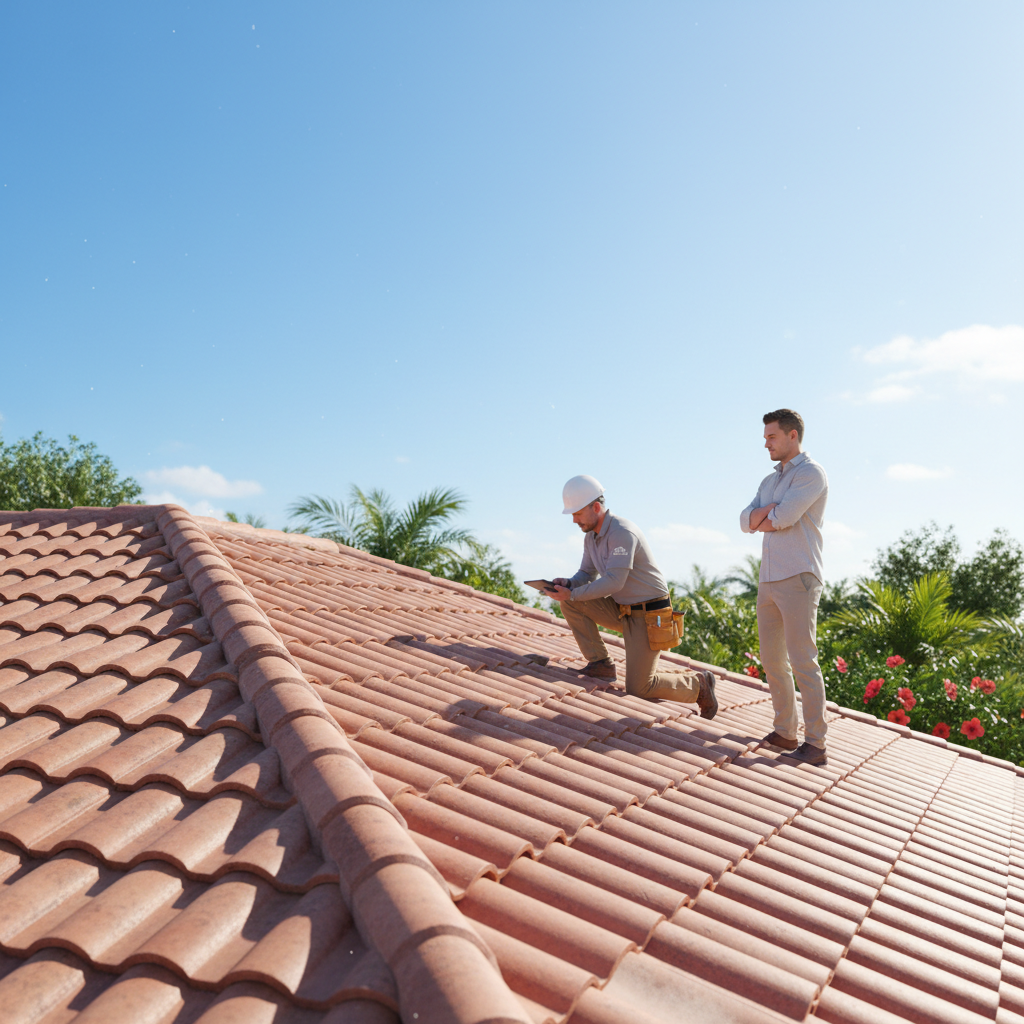
  • Your Guide to Roof Replacement Cost in Southwest Florida

    Your Guide to Roof Replacement Cost in Southwest Florida

    If you’ve lived in Southwest Florida for a while, you know the climate can be tough on rooftops. Between harsh sun, salty coastal air, and the lofty possibility of hurricane winds, upkeep is often a given. You might even find yourself juggling repeated repairs on a structure that’s 15, 20, or even 25 years old. In that situation, it’s natural to wonder whether ongoing fixes are the best plan or if it’s time to invest in a full replacement. After all, roof replacement cost southwest florida is no small figure, and you want to make sure you’re making the right call for your home and your wallet.

    Even if your roof looks okay from the ground, hidden damage can add up. Small leaks, weakened shingles, or compromised underlayment can stay undetected far too long. Eventually, you’re faced with escalating repair bills or a complete teardown and rebuild. The good news is that comparing roof replacement and major repairs doesn’t have to be overwhelming. By understanding the factors that drive costs, you’ll be prepared to choose the path that protects your home best.

    Why your roof replacement cost matters

    Your roof does more than top off your home. It’s the first line of defense against Southern Florida’s particularly harsh environment. When hurricanes roll through or summer storms pummel your neighborhood, a sturdy roof can be the difference between sleeping easy and dealing with water intrusion. On top of that, your roof is an investment that directly affects your property’s market value and insurance premiums.

    Many homeowners try to estimate costs online. Some calculators only consider straightforward items like square footage, pitch, or basic material prices. Meanwhile, more nuanced issues such as structural reinforcement, deck repairs, or code requirements remain overlooked. For a precise or even ballpark southwest florida roof replacement estimate, it’s best to have professionals scope out every detail in person.

    A professionally installed roof can pay off down the line, too. Insurance providers often look favorably on well-maintained or newly replaced roofs. You could tap into wind mitigation discounts if your brand-new shingles meet local building codes. That means a strong, storm-ready roof may potentially reduce monthly insurance bills, helping you recoup part of your upfront cost.

    Should you repair or replace?

    Choosing between another round of patchwork repairs and a complete roof replacement can feel like walking a tightrope. On one hand, repairs might keep your existing roof functional a little longer. On the other, a full replacement might save you more in the long run if your roof is nearing the end of its useful life.

    It helps to weigh the condition of your roof first. Are you dealing with occasional leaks or consistent, repeating problems? If the underlying materials are compromised, repairs are likely just a stopgap. That’s when a full swap makes sense, especially if you’ve already spent a fair amount on patch jobs. For a deeper look into minor versus major fixes, check out our roof maintenance vs replacement cost overview.

    Below is a quick comparison of repairs versus replacement to help you visualize the pros and cons:

    Approach Upfront cost Long-term outlook Ideal for
    Repairs only Lower at first May lead to frequent expenses Newer roofs with isolated damage
    Full replacement Higher initial payout Reduces ongoing maintenance Aging roofs or repeated repair needs

    Remember that every roof is different. While one home might get five more years after a few strategic repairs, another may require a total overhaul. Factors like humidity, roof shape, and your community’s specific code requirements can tip the scale toward replacement even before large sections of shingles start to fail.

    Key factors influencing replacement costs

    Roof replacement isn’t just about laying down new shingles. Companies look at your roof’s geometry, building materials, structural needs, and compliance obligations when quoting you a price. If you suspect you’ll need a full replacement soon, it’s smart to familiarize yourself with these cost drivers.

    1. Material choice
      Shingles are typically the cheapest option, with basic architectural asphalt shingles often running the least per square foot. Premium materials like metal, tile, or composite can nearly double or triple that cost, although they usually come with longer warranties. If you’re curious about how various roofing materials stack up, see our southwest florida roofing costs comparison.

    2. Labor and project complexity
      Unlike simple cosmetic fixes, a complete replacement often requires tearing off existing layers, repairing damaged decking, and making the structure code-compliant. Labor costs rise if your roof has a steep pitch or multiple angles. If there are skylights, vents, or existing water leaks, the process can extend, pushing your final bill higher.

    3. Hurricane code compliance
      Southwest Florida’s building codes often call for higher wind resistance. Many local governments or homeowners associations require upgraded underlayment, specialized fasteners, or additional bracing to resist hurricane-force gusts. While this refined approach boosts your budget initially, it helps ensure a stronger roof over the long term.

    4. Hidden damage
      Once your old shingles come off, roofers might spot previously unseen rotting beams or mold from slow leaks. Replacing or reinforcing these components raises costs, but ignoring them would be worse. Catching these issues early prevents costlier damage down the road.

    5. Timing and market prices
      Resource demand surges after major storms, potentially stirring up material shortages or labor bottlenecks. That can expose you to higher prices, extended wait times, or sometimes both. If your roof sustainably lasts until market conditions calm, it might save you a noticeable amount of money.

    Budget-friendly tips for roof replacement

    A new roof can seem daunting financially, especially if you weren’t expecting it. However, there are practical ways to make it more manageable without sacrificing quality or storm-readiness. Yes, you’ll invest a chunk of money up front, but there are strategies to keep spending in check.

    • Gather multiple estimates. One of the best steps is comparing quotes from two or three reputable local contractors. Steer clear of extremely low bids, though. Bargain-basement quotes often skip proper underlayment or exclude warranties.
    • Prioritize quality. Hurricane resistance and durability shouldn’t be treated as optional in Southwest Florida. While premium materials cost more, they may extend your roof’s lifespan by decades, sparing you from mid-life replacements.
    • Check for financing or assistance. If the cost seems unmanageable, consider looking into local programs or zero-down loans. Some roofing companies offer flexible plans for affordable roof replacement southwest florida.
    • Aim for off-peak scheduling. Contractors might offer better deals in cooler months or when demand isn’t sky-high, especially if no major storms just hit the region. A little scheduling flexibility could help stretch your budget.

    While controlling costs is important, make sure you don’t sacrifice structural integrity. Roof replacements are investments in your home’s future. A properly sealed and ventilated roof translates to fewer headaches over time and can raise resale value if you decide to put your property on the market.

    What to expect from a roofing project

    Most projects begin with an inspection and tear-off phase. Your contractor removes current roofing layers to assess the underlying deck and support beams. If you have rotted wood, mold, or pest damage, they’ll address it now and adjust the estimate accordingly.

    Once the surface is prepped, new materials go on. The upgraded underlayment comes first to create a water-resistant barrier. Then your chosen shingles, tiles, or metal panels are installed. This sequence may wrap up in a few days or stretch into weeks for more intricate designs. Finally, the crew conducts a cleanup, ensuring no stray nails or debris remain in your yard.

    For a more detailed breakdown of the professional process, feel free to read about the full replacement approach offered by San Carlos Roofing. They outline how each project phase is structured to ensure safety and quality, from pre-inspection to final check.

    Is it time to ditch ongoing fixes?

    Frequent roof repairs can seem cheaper than a large, one-time outlay, but they may add up. If you’ve already spent a few thousand dollars just patching leaks and replacing sections of underlayment, it’s worth recalculating your total. Recurring repair costs and the risk of future structural damage can quickly tip the scales toward a fresh start. Plus, each new fix is an opportunity to discover bigger problems lurking beneath the surface.

    If you’re unsure whether to keep repairing or go all-in on a new roof, consider how many years remain on your roof’s expected lifespan. Asphalt shingles often last around 15 to 30 years in Florida’s climate, whereas materials like tile or metal can reach the 40- to 50-year mark. Any roof approaching its limit probably won’t see a major return on simple repairs. That’s when your money might be better spent on the certainty of a brand-new installation.

    For those still debating, you might find it helpful to visit roof maintenance vs replacement cost for a more in-depth discussion on whether patching things up is enough to extend your roof’s life.

    Finding your best path forward

    A worn-out or storm-damaged roof doesn’t need to cause panic. With the right research, a realistic budget, and a working knowledge of local building codes, you can make an informed decision about your home. If you suspect a total replacement is the smartest move, finding a trustworthy contractor may be your next step.

    Many homeowners in the Naples area, for instance, see cost estimates ranging from $9,500 to $40,000 or more, depending on materials, labor, and code compliance. A roofing professional can help you pinpoint where you’ll land in that span by assessing the specifics of your home. Getting a personalized southwest florida roof replacement estimate doesn’t obligate you to anything, but it can shed light on which path to pursue.

    In the end, yours is the final call. If your existing roof still has legs and repairs aren’t draining your savings, you might keep patching it up for now. But if you sense that big repairs are around the corner or that your roof has reached its natural expiration date, opting for replacement can provide peace of mind.

    Final thoughts

    Roof replacement cost in Southwest Florida is inevitably shaped by the region’s storm risks, strict code requirements, and high labor demands. Whether you repair that leak for the third time or completely overhaul your roof tomorrow, the choices you make will determine your home’s protection, its resale value, and the comfort you feel when storms roll in.

    Take your time assessing your roof’s condition, exploring reputable contractors, and weighing the potential for future repairs. Consider a partial or full tear-off if you’re constantly dealing with patches. And if you want a thorough overview of each material’s pros and cons, a southwest florida roofing costs comparison can be extremely helpful.

    No one likes paying for a new roof, but sometimes it’s the smartest investment you can make for your home’s wellbeing. Look for ways to minimize surprises, whether it’s through careful budgeting or flexible financing. By planning ahead, you’ll handle a roof replacement with confidence, knowing your home is ready to handle whatever the Southeast Florida skies decide to throw your way.

    References

  • Tile Roof Drip Edge Installation in SW Florida

    One of the things that I learned early when working on and installing tile roofs in Southwest Florida is that the old way of installing the drip edge on top of the underlayment during installation was a poor idea.  It is still required today by code to be installed over a piece of underlayment and not directly to the wood decking.

    I understand the idea behind this in regards to uplift and direct wind, but on a tile roof, it is unnecessary.  It also flies in the face of reason in regards to the water that flows under the tiles and over the underlayment on a tile roof.  Tile roofs will shed over 90% of the water from rains over the tops of the tile.  A small percentage of water passes though and gets under the tiles.  This water travels down under the tile part of the roof.  During a rain, water will pool at the eave of the roof under the tiles until it drains out.  

    The issue created by installing the drip edge over the underlayment was the standard when I started in roofing.  The issue is that the top of the drip edge is lapped backwards toward the top of the roof.  Meaning, the top of the drip edge is now a minor dam to water that will travel under the tile roof and will have to exit over the top of the drip edge at the eave of the roof.  To counter act the backwards lap, we were required to install a band of roof cement over the backward lap with a trowel.  This would seal the top of the drip edge and redirect water over the top of it.  This basically kicks the can of the problem of the backward lap further down the road of time.  At some point, some or most of the roof cement will deteriorate from heat and weather to the point that it will crack open and start allowing water to channel beneath the drip edge.  Water sits under the drip edge and finally overcomes the underlayment, rotting out the edge of the roof and the fascia below it.  This issue would manifest between 5-10 years after a roof was installed.  I also had several occasions where some of the roof cement would leach out from under the tile roof and over the drip edge and fascia where it discolored or stained both.

    In 2005, I was asked to look at a tile roof on a home for sale in Pelican Landing in Bonita Springs that had an issue with rotting fascia.  I was to give an estimate on how much it would be to replace the rotted fascia.  After looking closer at the issue, I found that not only was the fascia rotted out in many areas, but that the first 5-6” of decking was also rotted out.  To resolve this issue, we would not only have to replace the fascia but the first 2’ of decking as well.  Our estimate was to remove the first two rows of tiles all the way around the eave of each roof facet, remove the eave closure, drip edge, underlayment, and change out the rotted plywood decking and fascia.  That was a big roof.  It was only 10 years old and had to have major repairs.  

    We did not get the repair (thank goodness).  I think that they found someone to replace the fascia only (or paint it really well) and left the real problem to the next owner.

    I saw many roofs like this.  This was the preferred way to install a tile roof backed by Florida Building Code.  It wasn’t long after this roof that I had the crew install the drip edge under the underlayment.  The crew nearly rioted.  Installing tile roofs was something that they had been trained in doing and had many years of installation experience in.  This was in complete contrast to what was the “correct way” to install tile roofs.  However, once the drip edge had been moved under the underlayment, water flowing under the tiles no longer had this weak area on the roof to undermine and our roofs no longer had this type of long-term issue.  

    Today we install a small strip of underlayment, which is called a slip sheet, down on the edge of the roof first.  The slip sheet is a little wider than the drip edge itself.  We then will install the drip edge on top of the slip sheet.  After this, the underlayment for the rest of the roof is installed over the top of the drip edge.  This maintains the adherence to the Florida Building Code while correcting the issue created by installing the drip edge over the underlayment.

    It was tough to break the crews of the original way to install the drip edge over the underlayment.  Change can be hard.  We not only mitigated the issue with the drip edge, but we eliminated several of these types of installations that would later lead to not only roof leaks but to other major issues.  This and several other changes that we made to our tile installations changed our roofs to long term, low maintenance roofs.